Social Media Engagement Tips That Drive Real Results


Social media engagement is a critical part of digital marketing today. Brands compete for attention across multiple platforms, and understanding how to measure and improve engagement rates determines whether businesses connect with their audiences or fade into the noise. This guide covers the fundamentals of social media engagement, practical strategies for boosting interaction, and platform-specific approaches that deliver measurable results.
What is Social Media Engagement?
Social media engagement refers to the interactions users have with content posted on social media platforms. These interactions go beyond passive viewing to include likes, comments, shares, saves, clicks, and mentions. When audiences actively engage with content, platform algorithms interpret this as a signal that the material resonates, which increases its visibility and reach.
Engagement includes both quantitative metrics and qualitative responses. A comment expressing genuine interest or a share that extends content to new audiences matters just as much as the numbers behind them. Brands have come to recognize that meaningful engagement builds community, fosters customer loyalty, and ultimately drives conversions. The metric serves as a reliable indicator of content effectiveness and audience connection, making it essential for any social media strategy.
Modern engagement also includes direct messages, story interactions, poll responses, and video watch time. Each interaction type provides different insights into audience preferences and behavior patterns. Successful social media managers track these metrics to refine their content approaches and maximize return on investment.
Understanding Engagement Metrics and How to Calculate Them
Measuring social media engagement requires understanding the specific metrics that indicate audience interaction. The primary engagement metrics include likes, comments, shares, saves, clicks, and mentions. Each metric reveals different aspects of audience behavior and content performance.
The engagement rate formula calculates the percentage of people who engaged with content relative to those who saw it. The basic formula divides total engagements by total reach or impressions, then multiplies by 100 to produce a percentage. For posts, the calculation is: (Total Engagements ÷ Total Impressions) × 100 = Engagement Rate.
Different platforms may require adjusted calculations. Some marketers prefer using followers as the denominator instead of reach, though reach-based calculations generally provide more accurate representations of actual performance. The choice depends on your analytical goals and the data available.
Beyond basic engagement rates, brands should track engagement over time, comparing performance across posts, campaigns, and time periods. This longitudinal analysis reveals trends, identifies successful content types, and helps predict future performance. Advanced analytics tools provide these insights automatically, though manual calculation remains valuable for smaller operations.
What is a Good Engagement Rate?
Engagement rate benchmarks vary significantly across platforms, industries, and account sizes. Generally, an engagement rate between 1% and 5% is considered average across most social media platforms. Rates below 1% may indicate content that fails to resonate, while rates above 5% suggest highly compelling material that audiences actively seek out.
Instagram typically sees higher engagement rates than other platforms, with rates between 1% and 3% considered healthy for most accounts. Micro-influencers often achieve rates between 3% and 8%, demonstrating the power of niche community building. Facebook pages frequently experience lower rates, with 0.5% to 1% representing typical performance.
LinkedIn professional content often generates engagement rates between 1% and 2% for organizational pages, though individual thought leaders may achieve significantly higher rates. TikTok continues to deliver exceptional engagement, with many accounts seeing rates between 3% and 9%. Twitter engagement remains challenging, with average rates typically falling below 1%.
Industry-specific benchmarks matter considerably. Entertainment and lifestyle content typically sees higher engagement than B2B or technical content. Account size also influences expectations, as larger accounts often experience lower engagement rates due to broader but less invested audiences. Comparing performance against similar accounts provides the most meaningful context.
Platform-Specific Engagement Strategies
Instagram rewards consistent posting, authentic interaction, and visually compelling content. Stories have become essential for maintaining daily audience connection, while Reels drive discoverability among new audiences. Using all available interactive features, including polls, questions, and sliders in Stories, maximizes engagement opportunities.
Captions that prompt direct responses perform exceptionally well. Questions posed to followers, calls for opinion sharing, and invitations to tag friends all encourage comment activity. Carousel posts often generate higher engagement than single images, as they encourage users to swipe through all slides.
Hashtag strategy remains important for Instagram discovery. Using a mix of broad, niche, and branded hashtags helps content reach various audience segments. Engaging with comments within the first hour of posting signals activity to algorithms and encourages continued interaction.
LinkedIn engagement thrives on professional value and thought leadership. Content that addresses industry challenges, shares original research, or provides actionable insights generates significant interaction. The platform rewards lengthier content more than other social networks, with posts between 1,500 and 2,000 words performing well.
Starting conversations with thought-provoking questions drives comments and increases post visibility. Tagging relevant connections or companies encourages participation and extends reach. LinkedIn articles offer opportunities for deeper engagement through longer-form content that establishes expertise.
Employee sharing amplifies organizational content significantly. Encouraging team members to engage with and share company posts expands reach beyond the organization’s direct followers. Personal profiles generally achieve higher engagement than company pages, making employee advocacy particularly valuable.
TikTok
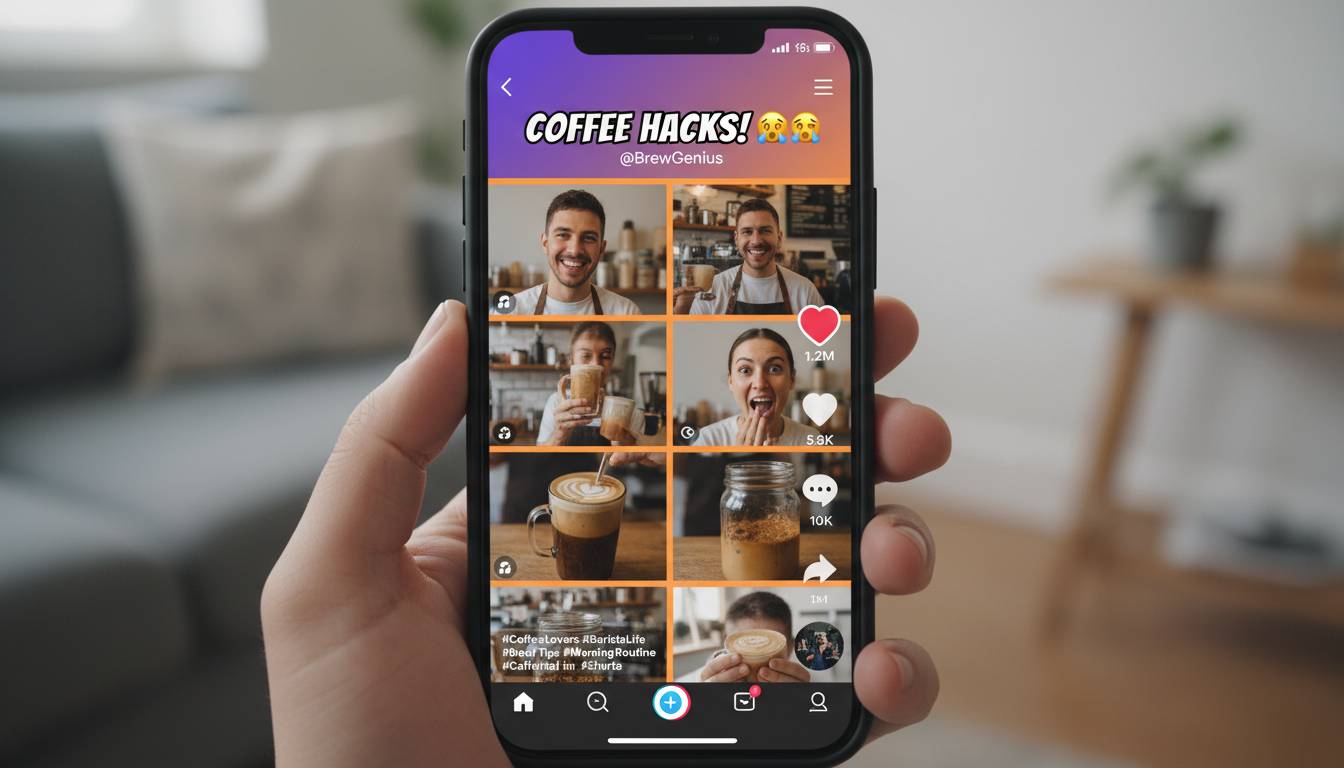
TikTok’s algorithm heavily prioritizes engagement, making it essential to capture attention within the first few seconds. Hooking viewers immediately and delivering value or entertainment throughout the video keeps audiences engaged through completion, which signals quality to the algorithm.
Trends provide significant engagement opportunities when adapted authentically to brand voice. Participating in trending sounds, formats, and challenges exposes content to broader audiences. However, forcing trends that feel inauthentic typically backfires.
Responding to comments with follow-up content creates engagement loops that boost visibility. Duet and Stitch features enable interaction with other creators, building community and expanding reach. Consistent posting frequency matters on TikTok, with daily posting recommended for optimal algorithm performance.
How to Increase Social Media Engagement: Proven Tactics
Boosting engagement requires strategic effort across content creation, community management, and platform optimization. The following tactics have proven effective across various industries and account sizes.
Create audience-responsive content by monitoring comments, messages, and emerging trends. This reveals what topics and formats resonate with your specific audience. Developing content directly addressing audience questions and interests increases relevance and the likelihood of interaction.
Post at optimal times. Analytics reveal when your specific audiences are most active. Publishing when target users are online increases initial engagement, which signals quality to algorithms and extends reach.
Use compelling visuals. Eye-catching images and videos stop scrolling and encourage interaction. High-quality, on-brand visual content establishes credibility and makes sharing more appealing.
Ask questions directly. Explicitly requesting engagement through questions, polls, and calls-to-action increases response rates. Specific questions that require thoughtful answers generate more meaningful engagement than simple yes-or-no prompts.
Respond promptly to all interactions. Engaging with comments and messages encourages continued interaction and builds community. Brands that respond consistently develop loyal followings that actively promote content.
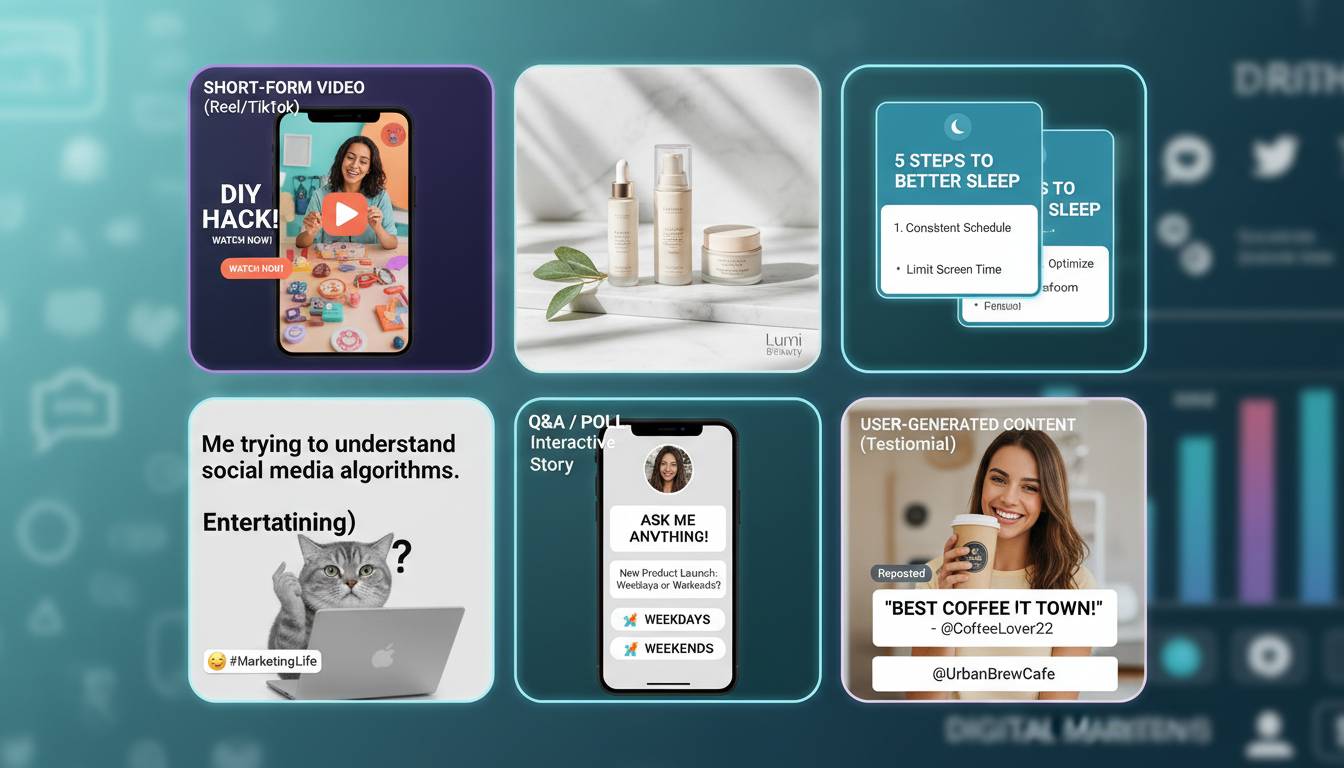
Leverage user-generated content. Sharing content created by followers demonstrates appreciation and encourages others to create similar material. This approach builds authenticity and provides a steady stream of engaging content.
Collaborate with creators and complementary brands. Partnerships extend reach to new audiences and bring fresh perspectives to content. Cross-promotion benefits all parties when audiences align meaningfully.
Experiment with content formats. Testing videos, carousels, Stories, and long-form posts reveals audience preferences. Diversified content strategies capture different audience segments and prevent monotony.
Utilize analytics for continuous improvement. Regular analysis of performance data identifies successful strategies and areas requiring adjustment. Data-driven decisions outperform guesswork in maximizing engagement.
Maintain consistency in posting and voice. Regular presence keeps brands top-of-mind, while consistent voice builds recognition and trust. Audiences engage more readily with familiar, reliable sources.
The Difference Between Reach and Engagement
Understanding the distinction between reach and engagement proves essential for accurate performance analysis. Reach represents the total number of unique users who saw content, while engagement measures the number of users who interacted with it. These metrics provide different insights into content performance.
High reach with low engagement indicates content that attracts attention but fails to resonate. This scenario might result from compelling thumbnails or titles that disappoint upon viewing. Conversely, high engagement with modest reach suggests content that deeply connects with its audience but fails to attract broader visibility.
Optimizing for both metrics requires balancing discoverability with quality. Content must first reach audiences to generate engagement, making reach optimization important for growth. However, engagement optimization ensures that reached audiences find value worth sharing.
The engagement rate provides the most meaningful performance indicator by relating interactions to audience size. This normalized metric enables fair comparison across posts with different reach levels and supports strategic decision-making about content direction.
Frequently Asked Questions
How do you calculate social media engagement rate?
To calculate engagement rate, divide the total number of engagements (likes, comments, shares, saves, and clicks) by the total number of impressions or reach. Multiply the result by 100 to get a percentage. The formula is: (Total Engagements ÷ Total Impressions) × 100 = Engagement Rate.
What is considered a good engagement rate on social media?
A good engagement rate typically falls between 1% and 5% across most platforms. Instagram often sees 1-3% for average accounts, while LinkedIn professional content usually achieves 1-2%. TikTok tends to have higher rates, ranging from 3% to 9%. Rates below 1% generally indicate room for improvement.
How can I increase my social media engagement quickly?
Increasing engagement quickly involves posting when audiences are most active, asking direct questions in captions, responding promptly to all comments, and using interactive features like polls and quizzes. Creating content that addresses current trends while maintaining authenticity also boosts immediate engagement.
What is the difference between reach and engagement?
Reach refers to the number of unique users who saw your content, while engagement measures the interactions those users had with your content. Reach indicates visibility, while engagement indicates connection and interest. The relationship between these metrics reveals content quality and audience relevance.
The post Social Media Engagement Tips That Drive Real Results appeared first on User-Interviews.