Short-Form Video Content Strategy That Drives Real Results

Short-form video has changed how brands connect with people. If you’re not creating content for TikTok, Instagram Reels, or YouTube Shorts in 2024, you’re already behind. This guide covers what you actually need to know to get results—without the fluff.
Why Short-Form Video Matters Now
The numbers are hard to ignore. HubSpot’s 2024 Marketing Report shows 87% of marketers see returns from video, with short-form content driving the highest engagement across every format.
People now watch about 17 hours of online video weekly, and they prefer videos under 60 seconds that don’t waste their time. The format works because it fits how people actually consume content—quick hits during commutes, lunch breaks, or late-night scroll sessions.
“Short-form video is the new front door to brand relationships,” says Sarah Johnson, CMO at Social Pulse Analytics. “Brands that treat it as an afterthought are losing ground with younger audiences who find products through algorithms, not Google searches.”
The algorithms on these platforms amplify content beyond your follower count. One good video can reach millions. That’s why it’s become one of the cheapest ways to get your brand in front of new eyes.
Which Platforms Should You Focus On?
Each platform works differently. Knowing the differences matters more than trying to be everywhere at once.
TikTok
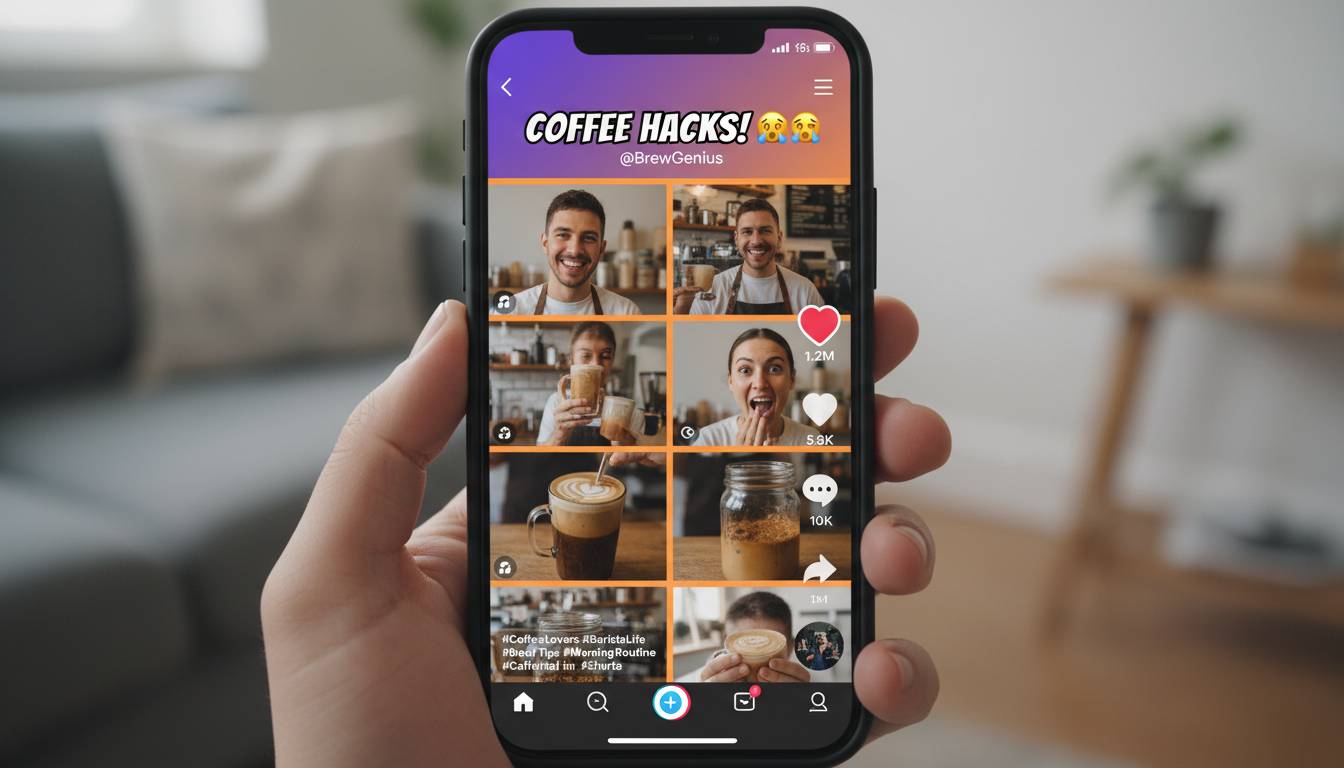
TikTok has over a billion monthly users. It rewards authenticity, trending audio, and hooking viewers in the first three seconds. Good TikTok strategies include:
- Educational content that breaks down complex topics quickly
- Behind-the-scenes looks at your brand
- Joining trends with your own twist
- Engaging with other creators through duets and stitches
The For You Page algorithm cares about watch time and engagement, not how many followers you have. New accounts can go viral if the content is good.
Instagram Reels
Reels work well if you already have an Instagram following. The platform connects directly to Instagram’s shopping features, making it easier to turn views into sales.
“Reels work best when they fit into your broader Instagram strategy,” says Marcus Chen, Director of Social Media at Elevate Brand Partners. “The sweet spot is entertaining value mixed with subtle brand messaging that doesn’t feel like an ad.”
Keep Reels between 15-30 seconds for the best completion rates. Always add text overlays since most people watch without sound.
YouTube Shorts
YouTube Shorts taps into Google’s search power and YouTube’s 2.4 billion monthly users. It performs well for both entertainment and how-to content.
Shorts can also feed viewers into your longer YouTube videos—making them valuable if you’re investing in a full video library. YouTube has monetization options for Shorts once you hit their subscriber thresholds.
What Makes Content That Works
Production standards have risen since TikTok took off in 2019. Authenticity still matters, but audiences now expect decent lighting, clear audio, and clean editing.
Types of Content That Drive Engagement
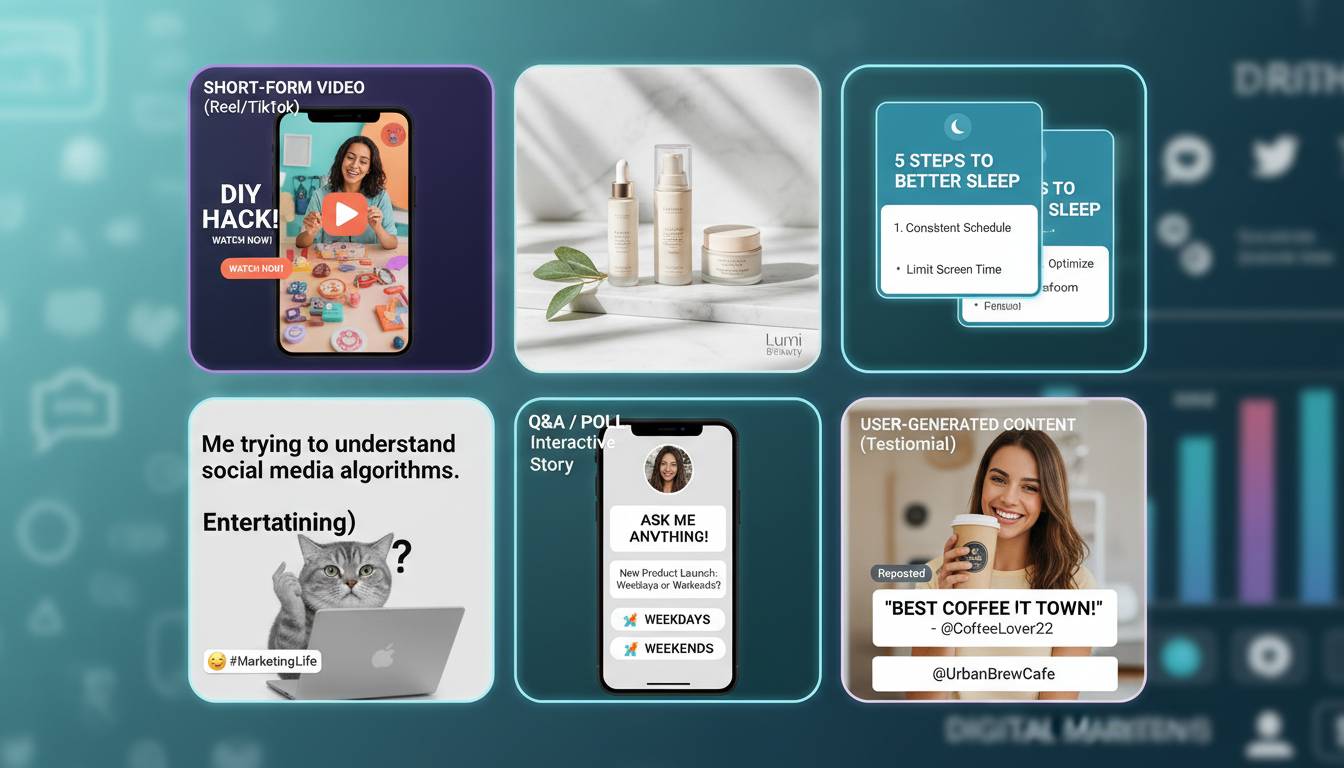
Educational content – Tutorials and tips that give immediate value. These get saved often, which signals the algorithm that people find them useful.
Entertainment – Humor, surprises, and emotional stories get shared and commented on, which expands your reach.
Behind-the-scenes – Raw, authentic looks at your brand build real connections with people.
User-generated content – Reposting what customers create builds community and shows social proof.
Product demos – Showing your product in action drives consideration and sales.
Production Basics
Most platforms want:
- 9:16 vertical format (1080×1920)
- H.264 codec for compatibility
- Clear audio—most people will watch without headphones
- Consistent visual branding so people recognize your content
The first three seconds matter most. Hook viewers with questions, bold claims, visual surprises, or directly addressing them.
How to Measure If You’re Getting Results
Don’t just guess. Track what actually matters for your goals.
Metrics That Count
View count tells you reach, but not much else.
Watch time and retention show what percentage of your video people actually watch. Above 80% completion means you’re doing something right.
Engagement rate includes likes, comments, shares, and saves divided by views. For short-form video, 5-12% is a decent range, though it varies by platform and industry.
Profile visits show if people want to learn more about you.
Website clicks and conversions reveal actual business impact.
Follower growth over time indicates you’re building a real audience.
“Brands that obsess over view counts are making a strategic mistake,” says Jennifer Martinez, Analytics Director at MarketMind Consulting. “The real insight comes from understanding how viewers move from short-form content into longer content, email signups, or purchases.”
Analytics Tools
Each platform has its own analytics:
- TikTok Analytics for content and follower insights
- Instagram Insights with Reels-specific data
- YouTube Studio for Shorts performance alongside long-form metrics
Tools like Sprout Social and Hootsuite can pull data across platforms if you want one dashboard.
Mistakes That Kill Your Results
Save yourself time and money by avoiding these pitfalls.
Strategic Mistakes
Posting inconsistently – Algorithms favor creators who post regularly. Gaps signal you don’t care, and they’ll show your content to fewer people.
Being too promotional – People scroll past ads. Aim for 80% value, 20% promotion. Give more than you ask for.
Ignoring trends – You don’t have to chase every trend, but completely ignoring them means missing easy engagement wins.
Skipping captions – 85% of social video is watched without sound. No captions means no message.
Technical Mistakes
Bad lighting and audio – This is the easiest fix. Most smartphones now shoot quality video. Use good lighting and a decent microphone.
Wrong aspect ratios – Videos that look cropped or stretched look amateur.
No brand consistency – Without visual branding, viral videos don’t build your brand—they just get forgotten.
Building a Content Calendar That Sticks
Consistency requires planning. A simple calendar keeps you on track without burning out.
How to Plan
Balance your content types across your posting schedule. Most brands do well with 3-5 posts per week per platform—but find what works for your team.
Batch filming works well. Record multiple videos in one session. A 2-3 hour filming block can produce 10-15 pieces of content.
Your calendar should account for:
- Trending formats and sounds on each platform
- Seasonal moments relevant to your business
- Product launches
- What competitors are posting
Where Things Are Heading
The landscape keeps shifting. Here’s what to watch.
AI tools are helping with script writing, editing, and optimization—but human creativity still drives authentic connection.
Shoppable video features are making it easier to buy without leaving the app.
Brands are connecting Shorts and Reels to longer content, creating full video funnels from discovery to deep engagement.
Creator partnerships are extending reach through trusted voices.
“Brands winning in 2025 treat short-form video as a long-term investment, not a test,” says David Williams, Founder of Video Strategy Institute. “Those building systematic approaches with clear goals will keep pulling ahead of competitors who treat it as optional.”
Frequently Asked Questions
What’s short-form video?
Short-form video is typically 15-60 seconds of content made for mobile viewing on platforms like TikTok, Instagram Reels, and YouTube Shorts. It delivers quick, punchy value that works with short attention spans.
How long should videos be?
TikTok works well at 21-34 seconds. Instagram Reels hit sweet spots at 15-30 seconds. YouTube Shorts can stretch to 30-45 seconds. The principle is the same: deliver complete value in the shortest time possible.
Which platforms support short-form video?
The main ones are TikTok, Instagram Reels, YouTube Shorts, Facebook Reels, and Snapchat Spotlight. LinkedIn has added short-form video for professional content. Each has different audiences and algorithms, so adapt your strategy accordingly.
How do you measure success?
It depends on your goals, but focus on watch time percentage, engagement rate, follower growth, profile visits, website clicks, and conversions. View counts alone don’t tell you much. Track how viewers move from short-form content to deeper engagement with your brand.
What makes content go viral?
A strong hook in the first 1-3 seconds, authentic emotional connection, trending formats or audio, solid production quality, and relevance to your audience. You can’t guarantee virality, but content that hooks fast, delivers value, and feels timely dramatically increases your chances.
How often should brands post?
Aim for 3-5 times weekly per platform. Consistency beats volume—a schedule you can maintain matters more than posting a lot then disappearing. Don’t sacrifice quality for quantity. Bad content hurts your brand more than posting less often.