Short Form Video Content Strategy That Drives Massive Growth

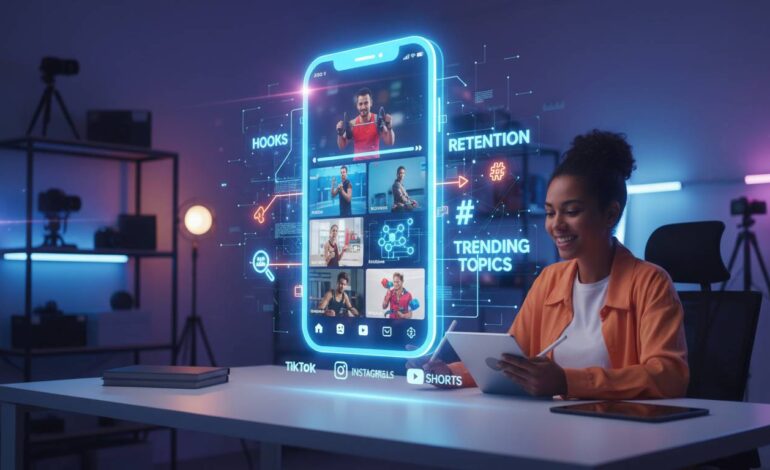
Short-form video is where the attention is right now. TikTok, Instagram Reels, and YouTube Shorts have completely changed how brands and creators reach people, and if you’re not paying attention to this format, you’re missing out on serious reach.
This guide breaks down what actually works for short-form video marketing—not fluff, just practical strategies you can implement starting today.
Understanding Short-Form Video Content
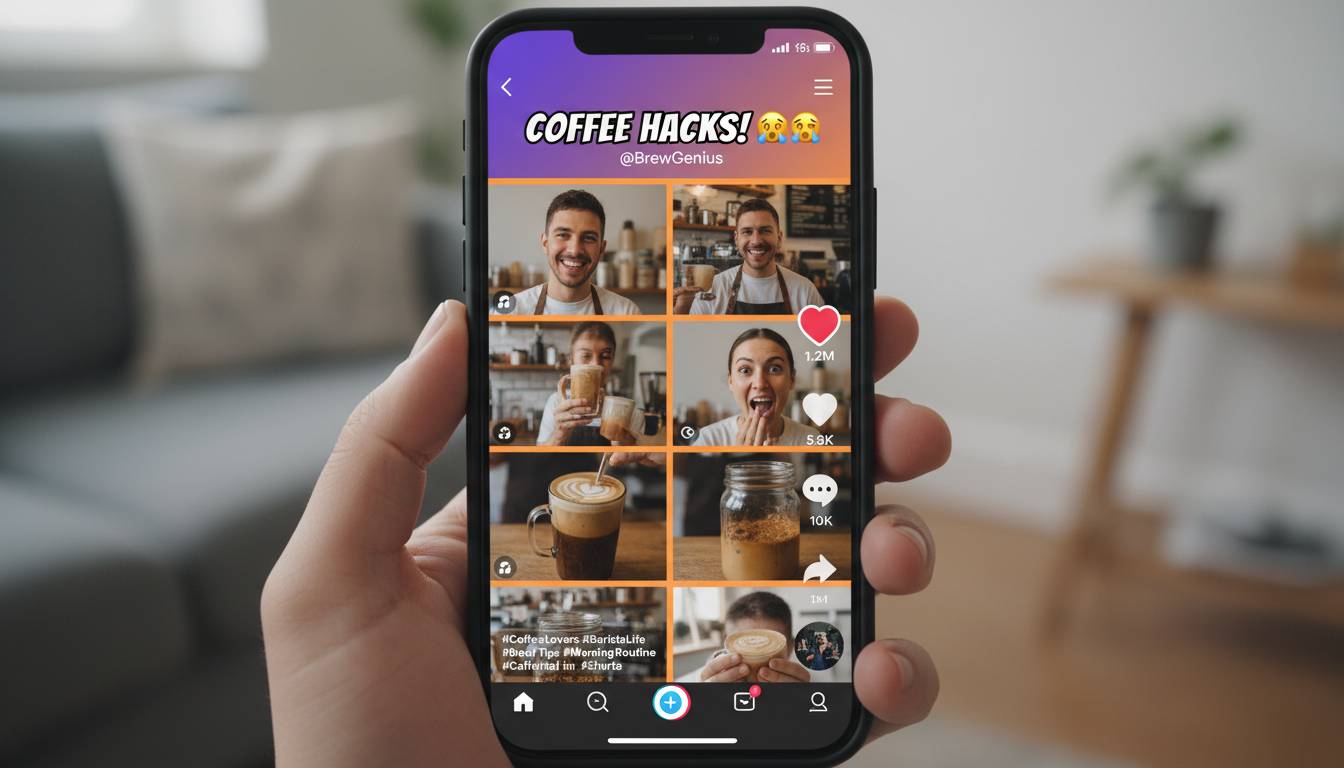
Short-form video typically runs between 15 seconds and three minutes. It’s built for mobile and designed to hook viewers in the first few seconds. TikTok started the vertical video craze, and now every major platform has jumped on board.
Here’s how the three big players differ:
- TikTok dominates Gen Z engagement. Users spend around 95 minutes daily on the platform. The algorithm pushes new creators hard—your follower count matters less than your content performance.
- Instagram Reels works seamlessly if you already have an Instagram presence. Great for brands that want to cross-promote through Stories and feed posts.
- YouTube Shorts taps into Google’s search power. Evergreen content does well here—tutorials and how-to videos keep getting discovered months after posting.
Each platform rewards different content styles. What works on TikTok might flop on Instagram. Successful creators tailor their approach while keeping their core message consistent.
Why Short-Form Video Matters in 2024
The numbers are hard to ignore. Short-form video generates about 2.5 times more engagement than static images. Brands using video in their marketing see noticeably better conversion rates.
Here’s the thing: platforms keep prioritizing video. When Zuckerberg talked to investors in early 2024, he made it clear Instagram’s algorithm now pushes Reels hard. More reach goes to accounts posting video regularly.
TikTok’s algorithm doesn’t care how many followers you have. It shows your content to new people based on how viewers interact with it. This means viral potential exists for everyone, even brand-new accounts.
For businesses, short-form video has become essential for e-commerce. Product demos, unboxing videos, and lifestyle content convert viewers into buyers. The production barrier is low—you don’t need a studio or expensive equipment to get started.
Building Your Short-Form Video Content Strategy
A solid strategy starts with clear goals. What do you want this content to achieve? Brand awareness? More followers? Direct sales? Pick specific metrics you can track.
Then get specific about your audience. TikTok users want entertainment and authenticity—they can smell inauthenticity instantly. Instagram Reels audiences tend to appreciate better production quality. YouTube Shorts viewers are looking for something useful, often educational content.
Build your content around three to five pillars. These are the main topics or themes your videos will cover. A fitness brand might do workout videos, nutrition tips, transformation stories, equipment reviews, and motivation. This structure keeps your content organized and gives viewers different reasons to follow.
Platform-Specific Optimization Techniques
TikTok rewards early engagement. Post when your audience is actually online—if you post at 3am and no one sees it for hours, the algorithm notices. Use trending sounds, join trending challenges, and hop on relevant hashtags. That’s your best path to discovery.
Instagram Reels needs captions. Most people watch with sound off, so text overlays are non-negotiable. Cross-promote through Stories and your feed. The algorithm pays attention to watch time and rewatches—content that people watch multiple times gets pushed harder.
YouTube Shorts benefits from keyword optimization. Put searchable terms in your titles and descriptions. Unlike TikTok’s trend-heavy approach, YouTube Shorts often rewards evergreen content that keeps delivering views over time. Tutorial-style content does especially well here.
Content Formats That Drive Engagement
Educational content performs consistently across platforms. Quick tips, hacks, how-to demonstrations—people actively search for this stuff. It builds authority and trust fast.
Behind-the-scenes content works because it’s authentic. Show your team, reveal your creative process, or share what a day in your business looks like. This humanizes your brand in ways polished ads never can.
Trends can boost your visibility, but pick ones that actually fit your niche. Don’t force it—audiences can tell when you’re just chasing what’s popular. Add your own angle or expertise to trends instead of copying them directly.
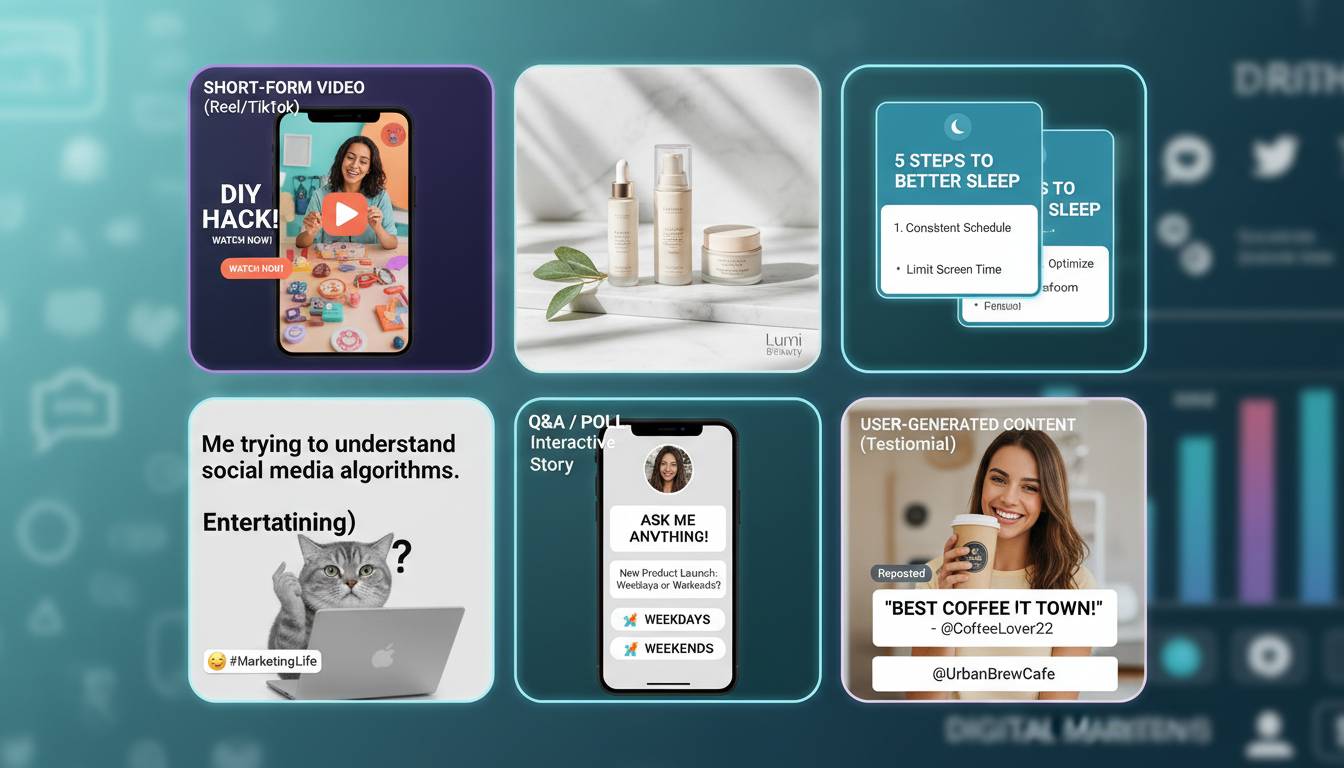
User-generated content is underrated. Ask followers to create videos using your products, run a branded challenge, or feature customer submissions. This builds community, reduces your production workload, and brings social proof.
Measuring Success and Optimizing Performance
You need to track what’s working. Platform analytics give you the basics—views, watch time, engagement, audience demographics. But go deeper. Set up tracking that connects video views to actual business outcomes, whether that’s website visits, email sign-ups, or sales.
Your KPIs should match your goals. Brand awareness? Focus on reach and impressions. Direct response? Track clicks and conversions.
A/B testing is your friend. Try different thumbnails, captions, posting times, and content formats. Small changes often produce big differences in performance. Keep experimenting.
Tools and Resources for Short-Form Video Success
Creating professional-looking video is easier than ever. CapCut, InShot, and VN are solid editing apps that work great on phones. You don’t need a desktop editing suite.
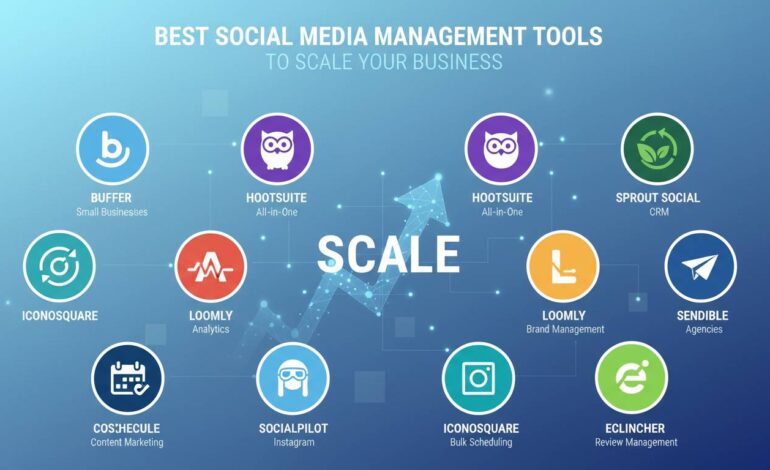
Schedule your posts. Later, Buffer, and Sprout Social help you plan across platforms and maintain consistency. Many creators batch-produce videos in one session, then schedule them throughout the week.
Analytics tools that pull data from multiple platforms give you the full picture. Platform-native analytics are fine for basics, but third-party tools help you see cross-platform trends.
Frequently Asked Questions
What’s the ideal length? Most content performs best between 21 and 34 seconds for pure engagement. YouTube Shorts can go longer—45 to 60 seconds works for educational content.
How often should I post? Three to seven times per week is the sweet spot for most creators. Start with what you can sustain. You can always increase later.
Do I need professional equipment? No. Phones shoot perfectly good video. Some of the biggest viral hits came from basic setups. Authenticity often matters more than production quality.
How do I measure ROI? Use UTM parameters on links in your video descriptions. Connect views to website behavior. Compare your cost per engagement against other marketing channels.
Should I repurpose long-form content? Absolutely. Pull key moments from longer videos, create teasers, or turn blog posts into video. One piece of content can reach multiple audiences across formats.
How important are trends? Relevant trends can significantly boost visibility. But only participate in trends that fit your brand. The best creators add their unique spin to trends rather than copying them wholesale.
Conclusion
Short-form video is now essential for digital marketing. Build your strategy around understanding your audience, setting clear goals, creating valuable content consistently, and measuring what works.
The platforms keep changing—algorithms shift, new features appear. Stay attentive to what’s happening, but focus on providing genuine value rather than chasing every new trend. That’s what builds sustainable audiences over time.
Start with a publishing schedule you can actually maintain, track your results, and adjust based on what the data tells you. That’s how you win in short-form video.