Winter Storm Warning: What You Need to Know Now

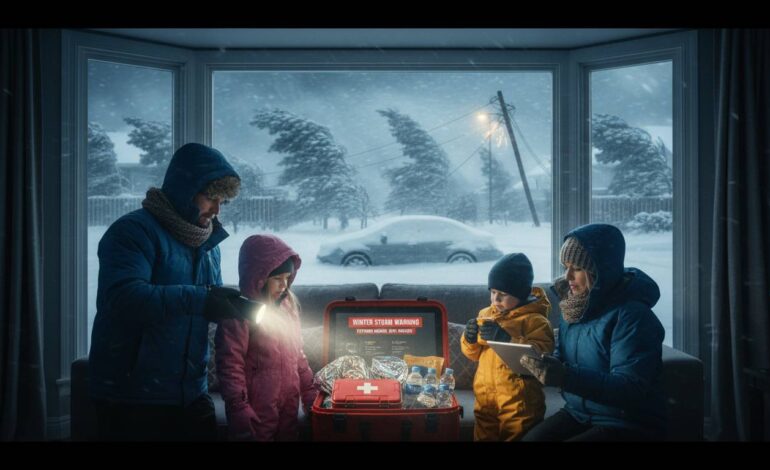
When the National Weather Service issues a winter storm warning, severe winter weather is imminent or already happening. This is the most serious alert level for winter storms—dangerous conditions like heavy snow, ice, or blizzard conditions will make travel life-threatening and could knock out power. Knowing what these warnings mean and what steps to take could save your life or someone else’s.
This guide covers everything you need to know about winter storm warnings, from what they actually mean to practical steps you can take right now.
Understanding Winter Storm Warnings
A winter storm warning is an official alert issued by the National Weather Service when significant winter weather is about to occur or is already happening. These warnings typically come 12 to 48 hours before a storm arrives, giving people time to prepare.
The NWS issues warnings based on data from weather satellites, radar, ground observations, and forecast models that predict snowfall, ice accumulation, wind speeds, and temperature drops.
The criteria for warnings vary by region. Areas that rarely see snow might trigger a warning for just a few inches, while northern regions need much higher totals. Generally, the NWS considers a warning appropriate when they expect at least 6 inches of snow in 12 hours, or 8 inches in 24 hours. Ice accumulation of one-quarter inch or more also typically triggers a warning—this much ice can down trees and power lines. Some warnings also factor in dangerously cold wind chills that can cause frostbite within minutes on exposed skin.
These warnings matter because they signal conditions known to cause real danger. When you see a winter storm warning for your area, emergency officials are telling you conditions will become hazardous enough to pose risks to life and property.
Winter Storm Warning vs. Watch vs. Advisory
People often confuse these three alerts, but understanding the difference helps you act at the right time.
A winter storm watch is the earliest alert. It means conditions are favorable for significant winter weather, but there’s still uncertainty about timing, location, or intensity. Watches typically come 24 to 72 hours in advance. When a watch is in effect, you should review emergency supplies, check heating sources, and consider adjusting travel plans. Pay attention and be ready to act.
A winter storm warning is more urgent. It means dangerous winter weather is imminent or already occurring—forecasters are confident conditions will meet warning criteria within 12 to 24 hours. This is when you should finalize preparations, avoid travel, and make sure you have what you need to stay home for several days.
A winter storm advisory is the least severe. Advisories are issued when winter weather will cause inconveniences and may be hazardous, but won’t meet warning criteria. Expect slippery roads and reduced visibility, but not life-threatening conditions. Allow extra travel time, but you won’t need the same emergency preparations as a warning.
Blizzard warnings are a separate, more severe category. A blizzard means visibility will drop to one-quarter mile or less due to falling or blowing snow, combined with winds of at least 35 mph, for three hours or longer. These conditions create whiteouts where you can’t see a few feet in front of you—outdoor survival becomes nearly impossible for anyone caught outside.
How Winter Storm Warnings Are Issued
The process involves multiple layers of forecasting, data analysis, and human expertise. While automated systems play a role, the final decision comes from meteorologists at local NWS offices who analyze data and apply their experience.
Meteorologists start tracking potential storms days or weeks in advance through global forecast models. As a storm approaches, they supplement model guidance with real-time data from satellites, Doppler radar, surface observations, weather balloons, and aircraft reports. This helps them pinpoint where heaviest snow or ice will fall, how much will accumulate, and how long conditions will last.
The NWS uses polygon-based warnings that target specific areas rather than entire counties. This precision helps avoid “warning fatigue” where people in less-affected areas become desensitized to alerts.
Warnings get updated as storms evolve. A warning might upgrade to a blizzard warning if conditions worsen, or downgrade if the storm track shifts. Always check for the most current information—conditions can change rapidly.
What to Do When a Winter Storm Warning Is Issued
The moment you hear a warning, your priority shifts to immediate preparation. Here’s what to do in the first few hours:
First, get specific information about expected conditions. Know the expected snowfall, wind speeds, temperature drops, and how long the storm will last. A storm producing two feet of snow with 50 mph winds requires more preparation than one with six inches and light winds. Check your local NWS website or trusted news sources.
Second, avoid all non-essential travel immediately. Roads will become hazardous, possibly within hours. If you must travel and haven’t left yet, leave now before conditions deteriorate. Once the storm arrives, staying off roads isn’t just advisable—it could be fatal. If you’re already on the road when a warning is issued, find shelter immediately.
Third, ensure you have supplies to stay home for at least 72 hours. This means food, water, medications, and other essentials. Power outages are common—prepare for being without electricity, heat, and communication. Charge all devices while you have power.
Fourth, protect your home from the cold. Insulate exposed pipes, bring pets inside, and make sure you have safe alternative heating. Never use gas ovens, charcoal grills, or portable propane heaters indoors without proper ventilation—carbon monoxide is deadly. Check your detectors.
Building Your Winter Storm Emergency Kit
Every household should have an emergency kit ready before winter arrives. Gather these supplies in advance so you won’t scramble during an approaching storm.
Your kit needs at least one gallon of water per person per day for three days. Water supplies can freeze or become contaminated. Include both bottled water and containers you can fill from your water heater. Also pack a three-day supply of non-perishable food that needs no cooking—canned goods, protein bars, peanut butter, dried fruit. Don’t forget a manual can opener.
Medical supplies matter. Include at least a seven-day supply of prescription medications, a basic first aid kit, over-the-counter medications you regularly use, and copies of important medical documents. If you have infants, elderly family, or people with special needs, plan for their specific requirements.
Lighting and communication equipment is essential when power goes out. Pack flashlights with extra batteries, a battery-powered or hand-crank radio for emergency broadcasts, and backup phone batteries or chargers. Consider solar-powered or crank-style devices that don’t need batteries.
For comfort and safety, include warm blankets or sleeping bags for each person, warm clothing including hats and gloves, hand warmers, and basic tools. Include a whistle for signaling if trapped. Don’t forget pet supplies.
Winter Storm Safety Tips Indoors and Outdoors
Whether you’re indoors or unexpectedly outdoors during a winter storm, knowing how to stay safe in each scenario could save your life.
If you’re indoors, your main concerns are staying warm, avoiding carbon monoxide poisoning, and managing potential structural issues from heavy snow or ice. Keep at least one room warm, preferably with windows for light. Dress in layers even indoors—temperatures can drop significantly if heating fails. Use heating sources safely and never leave flames unattended.
Check on elderly neighbors and anyone who may need help. Older adults and people with medical conditions are especially vulnerable during power outages and cold snaps. Make sure they have supplies and check on them regularly if it’s safe.
If you must go outdoors during or after a storm, respect the deadly danger cold temperatures pose. Frostbite can occur in minutes on exposed skin when temperatures drop and wind picks up. Cover all skin, wear multiple layers, and stay dry. Wet clothing dramatically speeds up heat loss. Travel with a partner and tell someone your plans. If you become stranded, stay with your vehicle—it provides shelter and makes you easier to find.
Watch for signs of frostbite and hypothermia in yourself and others. Frostbite makes skin appear white, gray, or blue and feel waxy or numb. Hypothermia symptoms include intense shivering, confusion, slurred speech, and loss of coordination. Both are medical emergencies. Get to a warm location and seek help.
Protecting Your Home During a Winter Storm
Your home is your shelter during a storm. Taking steps to protect it helps ensure it stays safe throughout the event.
Insulate exposed pipes—those in exterior walls, unheated basements, and crawl spaces. Pipe insulation is cheap and available at any hardware store. If you didn’t insulate ahead of time, use newspapers, towels, or garbage bags as emergency insulation. Let faucets drip slightly to prevent freezing, and open cabinet doors to let warm air circulate around pipes. Know how to find and turn off your main water valve in case a pipe bursts.
Clear gutters before winter if possible. Ice dams form when snow melts on a warm roof and refreezes at the colder edges, causing water to back up under shingles. After heavy snow, safely removing snow from roof edges can help—but only attempt this if you can do so safely from the ground.
Stock up on salt, sand, or ice melt for walkways and driveways. Have shovels accessible. The faster you clear walkways after snow stops, the less chance ice has to form.
If you lose power, conserve heat by closing off unused rooms, stuffing rags under doors, and using backup heating safely. Never run a gasoline generator indoors or in an attached garage, even with the door open. Carbon monoxide is invisible and deadly. Use generators only outdoors, at least 20 feet from windows.
Winter Storm Recovery: What to Do After the Storm Passes
Once the worst passes, danger doesn’t automatically disappear. Recovery has its own hazards—staying vigilant helps prevent injuries and additional problems.
Keep monitoring forecasts even after the storm ends. Additional snow, ice, or extreme cold may follow. Know if more warnings are issued.
Be careful going outside after a storm. Hidden hazards abound: downed power lines may be buried in snow, tree branches weakened by ice can fall, walkways may be ice under snow. Wear good traction footwear. Look up—ice and snow can fall from roofs and trees.
When clearing snow, pace yourself and take breaks. Snow removal is physically demanding and causes heart attacks and injuries every year. Push snow rather than lift it when possible. Stay hydrated—it’s easy to become dehydrated in cold weather.
Inspect your home for damage once it’s safe to go outside. Check for roof damage, broken windows, damaged insulation, and signs of water intrusion. Look for downed lines on your property and treat any as dangerous—report them to your utility immediately. Check food in refrigerators and freezers; some may have spoiled if power was out.
Conclusion
Winter storm warnings are serious alerts that demand immediate attention. Understanding the difference between watches, warnings, and advisories gives you the foundation to respond correctly. Having a prepared emergency kit, knowing how to stay safe indoors and outdoors, and protecting your home can mean the difference between weathering a storm comfortably and facing dangerous consequences.
When a warning is issued for your area, take it as a call to action. Avoid travel, ensure you have supplies for at least three days, stay informed about changing conditions, and check on neighbors who may need help. Preparation isn’t about panic—it’s about calm action that protects you and your loved ones when winter’s worst arrives.
FAQs
What is the difference between a winter storm warning and a winter storm watch?
A watch means conditions are favorable for significant winter weather, but uncertainty remains. A warning means dangerous winter weather is imminent or occurring—forecasters are confident life-threatening conditions will develop. Treat a watch as a heads-up to prepare, and a warning as a signal to finalize preparations and avoid travel.
How long before a winter storm should I start preparing?
Start at the beginning of winter. When a watch is issued, finalize all major preparations—stock supplies, charge devices, ensure heating sources work, adjust travel plans. When a warning is issued, focus on final safety checks and staying put.
Can I drive during a winter storm warning?
Avoid all non-essential travel. Roads become dangerous quickly, and emergency responders may not reach you if you stranded. If you must drive during an active warning, carry a fully charged phone, emergency supplies, and a vehicle that handles winter conditions—but recognize that any travel carries serious risk.
How much snow triggers a winter storm warning?
Threshold varies by region. The NWS typically issues warnings for 6 inches in 12 hours or 8 inches in 24 hours, but areas used to snow may have higher thresholds, while southern regions may warn for less. Check your local NWS office for specific criteria.
What should I do if I lose power during a winter storm?
Stay in one room, close off other spaces to conserve heat, use flashlights instead of candles, and dress in layers. Let faucets drip to prevent pipe freezing. Never use gas ovens, charcoal grills, or generators indoors. If using a generator, place it outdoors at least 20 feet from windows. Contact your utility for restoration estimates and consider going to a warming center if conditions become unsafe.