Which Smartwatch Has the Best AI Fitness Coach in 2024?

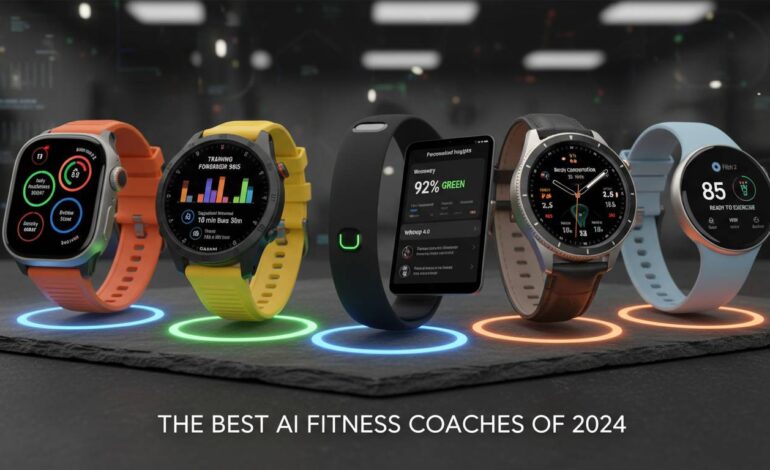
Smartwatches can do a lot more than count steps. In 2024, AI-powered fitness coaching has become one of the biggest reasons to pay extra for a premium device. If you want a smartwatch that acts like a personal trainer on your wrist—one that adapts workouts to your fitness level, analyzes your form, and adjusts recommendations based on your recovery—you have more options than ever. But not all AI fitness coaches are created equal. Some deliver genuinely useful training guidance. Others are little more than fancy notifications. This guide breaks down which smartwatch actually delivers the best AI fitness coaching experience, what features actually matter, and how to choose the right one for your goals.
What Makes an AI Fitness Coach Actually Useful
Before getting into specific watches, let’s talk about what actually makes an AI fitness coach useful versus just sounding good on a product page.
A genuine AI fitness coach should do more than display pre-programmed workout routines. It should learn your fitness level over time, adapt to your schedule and recovery, provide real-time form feedback where possible, and offer personalized recommendations based on your actual data.
The most sophisticated AI coaching systems analyze multiple data streams at once. They look at your heart rate variability, sleep quality, resting heart rate, recent training load, and even stress indicators to determine whether you should push hard or take a recovery day. A few manufacturers are actually delivering on this promise.
Real-time feedback is another big difference. Some watches can tell when your heart rate spikes during a workout and prompt you to slow down, or notice when your activity patterns suggest you’re overdoing it. Others just show you your stats after you finish. The difference matters if you want guidance that actually changes your workout in the moment.
Apple Watch: The Ecosystem Advantage
Apple treats the Apple Watch as a full-blown health and fitness platform, especially with watchOS 10 and the new Apple Intelligence features. The Apple Watch doesn’t have a single “AI coach” feature as such, but rather a collection of AI-powered capabilities that together work as an intelligent fitness companion.
The Workout app gives you personalized suggestions based on what you’ve done before, matching workouts to your current fitness level and how well you’ve recovered. If you’ve been training hard, it might suggest yoga or a light walk. If you’re ready for intensity, it might push you toward HIIT or strength training.
Apple Fitness+ is Apple’s subscription fitness service, offering video workouts across many categories. The service has added AI-enhanced features that adjust recommendations based on your performance. When you finish a workout, Fitness+ breaks down what you did, and over time, it learns which workout types you prefer and when you typically exercise.
The Apple Watch also ties into the Health app to give you useful insights. For example, it might notice your resting heart rate has been elevated for several days and suggest an easier workout. It’s a real application of AI to fitness guidance, even though Apple doesn’t call it an “AI coach” in its marketing.
The sensor array on the Apple Watch Series 9 and Ultra 2 supports all this: electrical heart sensor, optical heart rate sensor, blood oxygen sensor, and temperature sensor. These hardware capabilities let the software make informed recommendations. Some users note that Apple’s approach feels more reactive than proactive—the insights come after patterns emerge rather than predicting them in advance.
Samsung Galaxy Watch: Galaxy AI Integration
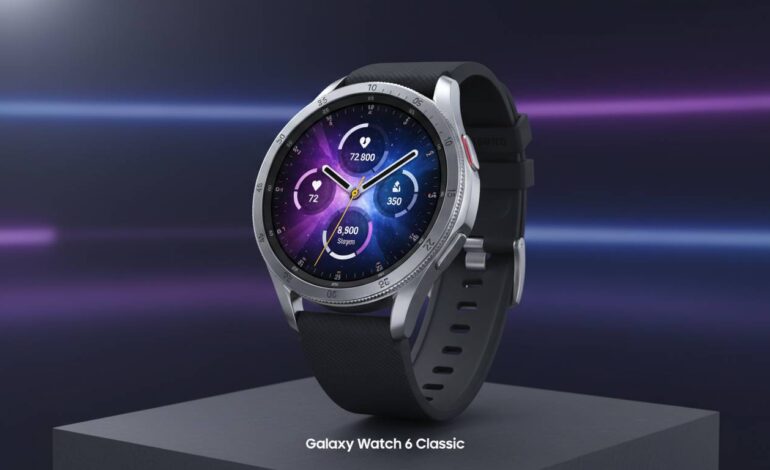
Samsung has gone all-in on AI across its products, and the Galaxy Watch brings Galaxy AI features to fitness and health tracking. The company combines Samsung Health with AI-driven insights that aim to provide personalized coaching.
The Galaxy Watch’s AI features include heart rate zones that adapt based on your fitness level and how you’re feeling that day. Unlike static heart rate zones that assume everyone of the same age fits the same mold, Samsung’s system learns your specific cardiovascular responses and adjusts accordingly.
Samsung Health’s AI also analyzes your workouts, breaking down exercise sessions into detailed metrics. For running specifically, the watch can look at your cadence, stride length, and vertical oscillation, offering suggestions to improve. This biomechanical analysis is genuinely useful for runners, though you need to be running to get the full benefit.
The Galaxy Watch’s Daily Readiness score is another AI-driven feature. This composite metric considers your sleep, activity, and heart rate variability to tell you how prepared your body is for intense exercise on any given day. It’s similar to readiness scores from specialized fitness brands, but integrated into a general-purpose smartwatch.
Samsung also gives you AI-written summaries of your workouts and health insights that turn your data into actual sentences. Instead of staring at raw charts, you get something like “Your sleep was 12% better than usual, and your recovery score is high—today is a good day for a challenging workout.”
One limitation: some AI features require a Samsung phone to work fully. If you use an iPhone, certain Galaxy AI capabilities may not be available or may work differently. This matters if you’re invested in another platform.
Fitbit and Google Pixel Watch: The Data Depth Advantage
Fitbit, now owned by Google, brings something unique: years of health data from millions of users. This huge dataset lets Fitbit make more accurate predictions than companies starting from scratch.
The Pixel Watch and Pixel Watch 2 use Fitbit’s established health tracking infrastructure plus Google’s AI capabilities. The result is a watch that gives detailed fitness insights backed by Fitbit’s research-grade sleep tracking and heart rate monitoring.
Fitbit’s Premium subscription unlocks the most sophisticated AI features. The Daily Readiness score, similar to Samsung’s offering, uses your biometric data to recommend whether to push hard or recover. The platform also provides personalized activity goals that adjust based on your performance—if you consistently exceed your daily step goal, Fitbit gradually increases it to keep you challenged.
Fitbit’s sleep tracking deserves specific mention because recovery is fundamental to effective training. The AI analyzes your sleep stages along with factors like breathing regularity and disturbances to generate a Sleep Score. This score directly influences the next day’s activity recommendations.
Fitbit’s AI coaching shines at helping you actually change your behavior. The platform can identify patterns in your activity—maybe you consistently become less active in the afternoon—and send prompts to encourage movement. These nudges feel more intelligent than simple reminders because they’re based on your actual behavioral patterns.
The Google integration adds voice assistant capabilities and potential future AI features. However, as of 2024, the Pixel Watch’s AI fitness coaching still comes largely from Fitbit’s existing systems rather than entirely new AI capabilities.
Garmin: The Serious Athlete’s Choice
Garmin has always focused on serious athletes, and its approach to AI fitness coaching reflects that audience. Rather than marketing “AI” as a buzzword, Garmin has built sophisticated algorithmic systems that analyze training load, recovery, and performance to guide athletes toward their goals.
Garmin Coach is the company’s most explicit AI coaching offering. This feature provides free training plans for running and cycling, with schedules that adapt based on your actual performance. If a workout feels too easy or too hard, you can provide feedback, and the plan adjusts accordingly. While not “AI” in the machine learning sense, this adaptive programming uses algorithms to personalize your training.
The Training Status feature analyzes your performance across multiple metrics to determine if you’re training productively, peaking, or overreaching. It considers your VO2 max, training load, acute training load, and recovery time to generate a status that tells you whether to maintain, increase, or decrease your training intensity.
Garmin’s Body Battery feature combines heart rate variability, sleep, stress, and activity data into a single number representing your body’s energy reserves. Like readiness scores from other manufacturers, this helps you decide whether today is a day for intensity or recovery. What sets Garmin apart is the depth of its physiological modeling, developed over decades of making fitness-focused wearables.
The Garmin Connect app provides extensive post-workout analysis with insights about your performance trends. You might get notifications like “Your running pace has improved 4% over the past month” or “Your heart rate recovery has been faster than average after tempo runs.”
For strength training, Garmin has added muscle heat maps showing which muscle groups you’ve worked and which ones you might have overlooked. This helps ensure balanced training and reduces the risk of overuse injuries from repeatedly targeting the same muscle groups.
Whoop: The Recovery Specialist
Whoop takes a different approach, focusing on recovery and strain management. While not a traditional smartwatch with app support and notifications, the Whoop 4.0 and Whoop 5.0 have built a devoted following among athletes who prioritize data-driven training decisions.
Whoop’s core value proposition revolves around its Strain Coach and Recovery Score. Every activity you perform gets a Strain Score based on cardiovascular demand. The system then tells you whether that strain was appropriate given your current recovery status. This creates a feedback loop where you learn how different activities affect your body and when to push versus rest.
What makes Whoop’s approach feel “AI-like” is its pattern recognition. Over time, the system learns how you respond to different types and duration of exercise. It can predict your recovery status based on previous nights’ sleep and your recent training load with surprising accuracy. Users frequently report that Whoop’s predictions align with how they actually feel—more so than generic recommendations from other devices.
Whoop’s Sleep Coach provides personalized recommendations for optimal sleep and wake times based on your accumulated sleep debt and recovery needs. This feels like genuine AI coaching because it combines multiple data points into actionable guidance specific to your situation.
The limitation of Whoop is that it doesn’t provide real-time workout feedback during exercise. It tracks your strain but doesn’t offer form corrections, pace guidance, or in-workout coaching. It’s better suited for athletes who want to optimize their overall training load rather than those who want a virtual trainer guiding them through each rep.
Comparing the AI Coaching Experience
Which smartwatch has the best AI fitness coach? It depends on what you need and how you like to get fitness guidance.
If you’re in the Apple ecosystem and want seamless integration with your iPhone, the Apple Watch provides the most polished overall experience. The combination of watchOS updates, Apple Fitness+, and the Apple Health ecosystem creates a cohesive platform. However, you won’t find explicit “AI coaching” features marketed as such—Apple emphasizes its health and wellness capabilities more subtly.
Samsung’s Galaxy Watch delivers solid AI-driven insights for Android users, particularly those with Samsung phones. The Galaxy AI features add meaningful personalization, and the Daily Readiness score provides actionable guidance. The integration between Samsung Health and the watch works well, though some features remain exclusive to Samsung devices.
Fitbit and the Pixel Watch excel for users who prioritize detailed sleep and recovery tracking. If you’re serious about understanding how recovery affects your training, Fitbit’s years of research in this area translate into genuinely useful insights. The trade-off is that the watch itself feels less “smart” than competitors in terms of general functionality.
Garmin remains the choice for serious athletes who want the most detailed physiological analysis available. The training load monitoring, recovery recommendations, and performance tracking rival what professional sports teams use, adapted for consumer wearables. The interface requires more engagement than simpler smartwatches, but the data depth justifies the complexity.
Whoop occupies a unique niche for users who want to optimize their training load above all else. If you’re less interested in notifications and apps and more interested in knowing exactly how hard to push on any given day, Whoop delivers that with exceptional precision.
Making Your Decision
Pick the smartwatch whose strengths match your goals. Consider whether you prioritize ecosystem integration, recovery analysis, athletic performance tracking, or balanced general fitness guidance.
Think about how you want to interact with fitness coaching. Some users appreciate gentle nudges and daily readiness scores. Others want real-time workout guidance with form feedback. Your preference here significantly impacts which platform will feel right.
Your current smartphone platform should influence your decision. iPhone users will find the most seamless experience with Apple Watch. Android users have more options, but Samsung watches work best with Samsung phones, and Pixel Watches integrate most naturally with other Google devices.
Finally, consider whether you’re willing to pay for subscriptions. Apple Fitness+, Fitbit Premium, and Whoop all offer premium tiers that unlock the most sophisticated AI features. Factor these costs into your long-term decision.
Conclusion
The best AI fitness coach in 2024 isn’t one device—it’s whatever matches your goals and the kind of guidance you actually want. The Apple Watch offers the most polished overall experience within a complete ecosystem. Samsung’s Galaxy Watch delivers solid AI-driven insights for Android users. Fitbit and Google Pixel Watch provide exceptional recovery and sleep analysis. Garmin leads for serious athletes seeking detailed performance metrics. Whoop specializes in strain management and recovery optimization.
Instead of hunting for the “best” AI fitness coach, figure out which approach fits how you train and live. The right choice is the one you’ll actually wear and engage with consistently, because the most sophisticated AI coach is worthless if it stays in your drawer.
FAQs
Which smartwatch has the most advanced AI fitness coaching in 2024?
Garmin devices offer the most advanced algorithmic coaching for serious athletes, with detailed training load analysis and performance predictions. However, “advanced” depends on your needs—Apple Watch provides more accessible coaching for general fitness, while Whoop excels at recovery optimization.
Do I need a subscription for AI fitness features?
Some AI features require subscriptions. Apple Fitness+ ($9.99/month) unlocks guided workouts with personalized feedback. Fitbit Premium ($9.99/month) provides the most detailed AI insights. Garmin and Samsung offer more features without mandatory subscriptions, though some advanced capabilities may require one.
Can AI fitness coaches help with weight loss?
Yes, AI fitness coaches can support weight loss by tracking activity, suggesting appropriate workouts, and analyzing recovery. However, nutrition tracking and calorie management are equally important. Apple Watch and Fitbit provide calorie tracking integration that complements their AI coaching features.
Which watch is best for beginners starting their fitness journey?
Apple Watch offers the most approachable experience for beginners, with intuitive prompts and gentle encouragement. Fitbit also excels here with behavior change features designed to build sustainable habits. Both provide enough guidance to get started without overwhelming new users.
Do AI fitness coaches work for strength training?
Garmin and Apple Watch provide the best strength training tracking, with muscle heat maps and workout logging. However, real-time form feedback during strength training remains limited across all platforms—AI coaching is generally more developed for cardio activities.
How accurate are AI-generated fitness recommendations?
Accuracy varies by manufacturer and metric. Heart rate monitoring is generally accurate across major brands (within 3-5% of chest straps). Recovery and readiness scores use different methodologies, so results vary. User reports suggest Garmin and Whoop predictions align most closely with subjective feelings of readiness.