What Happens If You No-Show a Paid Research Study?

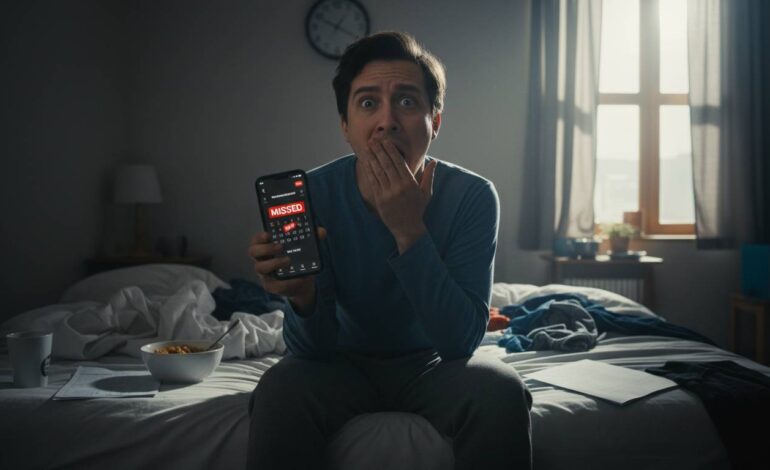
If you fail to show up for a paid research study, you won’t get paid. That’s the most immediate consequence. Beyond that, you may be disqualified from future studies with that organization, have your data excluded, or face difficulties enrolling in related research later. The specific consequences vary between clinical trials, market research studies, and academic research projects, so understanding these differences matters before you commit.
Research studies operate differently than medical appointments or commercial services. When you agree to participate, you’re making a commitment that affects real people, real data, and real resources. The research team has allocated time, equipment, and often expensive materials for your participation. A no-show isn’t just an inconvenience — it can impact the validity of the research and cost organizations significant money.
This guide covers what happens when you no-show, why policies differ across study types, and what you can do if circumstances change.
The Financial Consequences
Most paid studies compensate you only if you complete the study. You agree to participate in exchange for payment, and not showing up means the agreement is never fulfilled. You forfeit your compensation.
Clinical trials work differently depending on the structure. Some compensate per visit completed, while others provide a lump sum only after completing the entire study. If you miss a single visit in a multi-visit trial, you may lose compensation for that visit but remain eligible for payments on completed visits. Many clinical trials have strict attendance requirements, though. Missing a visit can constitute a protocol deviation that affects your continued participation and any remaining compensation.
Market research studies are usually rigid. Focus groups and in-person interviews offer flat fees for specific time slots. That slot disappears when you don’t arrive, and so does the compensation. Online market research varies — some may still pay if you complete the task asynchronously.
Academic research studies, particularly in psychology and behavioral science, have the most variable policies. Some researchers work with limited grant money, and a no-show wastes funds that can’t be replaced. Others build no-show allowances into their participant pools, but don’t count on that.
How Different Study Types Handle No-Shows
Clinical trials follow strict protocols approved by Institutional Review Boards (IRBs). If you no-show, the research team documents your absence in study records. This becomes part of your participant history, which organizations can access for future trials. Many clinical trials explicitly exclude individuals who have been non-compliant with previous protocols, and a no-show history can flag you as potentially unreliable.
Market research studies operate under less stringent regulations but take no-shows seriously. Companies rely on participant reliability to generate valid data for clients. If you’re recruited through a panel service, your no-show gets tracked. Many panels have automated systems that reduce your chances of being selected for future studies after multiple no-shows. Some will reduce or eliminate your account standing entirely.
Academic research studies at universities fall under IRB oversight. Studies often recruit through undergraduate participant pools, where students receive course credit. In those cases, no-showing can affect your course standing directly. For studies recruiting from the general community, the consequences are similar to market research — you may be barred from future studies with that lab or researcher.
The Ripple Effect on Research
Your no-show doesn’t just affect you. It affects the entire study.
Every study has a target sample size — the number of participants needed for statistically valid results. When participants fail to show up, researchers must either replace them (which takes time and money) or continue with a smaller sample (which weakens statistical power). In clinical trials, inadequate enrollment can cause a trial to terminate early, potentially delaying treatments that could help thousands of people.
This is why organizations take no-shows seriously. It’s not personal — it’s about research integrity. When you commit, you’ve become part of a carefully designed process, and your absence creates a gap that may be difficult or impossible to fill.
In clinical trials, no-shows can introduce selection bias. If certain types of participants are more likely to no-show, the remaining sample may not accurately represent the population being studied.
Will You Be Charged a Fee?
Research studies don’t typically charge no-show fees. You won’t be billed for failing to appear. The consequence is simply losing the compensation you would have earned.
Some exceptions exist. Certain clinical trials run by pharmaceutical companies may include attendance bonuses separate from base compensation. If you’ve already received a bonus for previous visits and then no-show, the team may have policies about whether that bonus must be repaid. This is uncommon but does occur in longer studies with significant per-visit compensation.
Some medical research studies involving invasive procedures or significant time commitments may require a refundable deposit. If you no-show and they can’t fill your slot, they may retain all or part of the deposit. This is rare and typically explained in the consent form.
For most market research and academic studies, your only financial consequence is losing the payment.
Impact on Future Participation
This is where long-term consequences become significant, and many participants are surprised by how much a no-show can hurt them.
Most research organizations maintain participant databases tracking attendance history. When you apply for a new study, teams can often see your history with their organization or related organizations. Multiple no-shows signal unreliability, and researchers are reluctant to allocate limited resources to participants who may not follow through.
For clinical trials, this matters especially. The system depends on committed, compliant participants. A history of no-shows can flag you as “protocol non-adherent,” and many trials have explicit exclusion criteria barring individuals who have been non-adherent in previous trials. Even if a specific trial doesn’t explicitly exclude you, a no-show history may cause coordinators to view your application less favorably against reliable candidates.
Market research panel services often handle no-shows automatically. Many operate on point or rating systems, where consistent participation builds your standing and no-shows reduce it. Below a certain threshold, you may stop receiving invitations entirely. Recovering your standing can take significant time.
If you’ve no-showed for an academic study, the researcher may remember you, and their recommendation (or lack thereof) can affect your chances in other studies at that department or university.
Can You Reschedule?
Usually yes, but it depends on the study’s policies and how much notice you give.
Clinical trials often have narrow windows due to strict protocols. If you’re scheduled for a specific day and time for a procedure, rescheduling may be difficult or impossible without affecting validity. However, contacting the coordinator well in advance may allow accommodation.
Market research studies are typically more flexible, particularly in-person ones. Many allow rescheduling up to 24 or 48 hours before without penalty. Online market research usually has the most flexibility since you’re not taking up a physical slot.
Academic studies vary widely. Some require all participants during a specific session, making rescheduling impossible. Others build in flexibility.
Communication matters most. If you know you can’t make your time, contact the coordinator as soon as possible. Explain your situation honestly. Researchers would rather reschedule than deal with a no-show.
What Research Coordinators Want You to Know
Coordinators consistently report the same things about no-shows.
They understand life happens — illness, emergencies, unexpected conflicts are realities. They don’t want to punish participants for circumstances beyond their control. What frustrates them is when participants ghost studies without any communication, leaving the team wondering what happened.
Most coordinators would rather you reschedule than no-show. They can find alternative participants with enough lead time. What they can’t do is manufacture a replacement an hour before your appointment.
Participants often overestimate how easy it is to find replacements. The person who takes your slot needs to meet the same eligibility criteria, complete screening, and commit to the same requirements. Finding a replacement, especially for specialized clinical trials, can take weeks.
Coordinators often have more discretion than participants realize. A single no-show from a reliable participant may not affect standing much. If you’re already on thin ground, it may be the final data point that disqualifies you.
How to Protect Yourself
Several steps can help you avoid consequences of no-showing.
Keep study information accessible. Save the coordinator’s contact info, the location address or link, and compensation details. Treat this like a medical appointment or work commitment.
Confirm your schedule before committing. Make sure you have absolute clarity on date, time, and duration. Ask about rescheduling policies upfront. If your schedule is uncertain, don’t commit until you’re confident you can follow through.
Build in buffer time. If the study is scheduled for 10 AM, clear your schedule so you can arrive early. Studies often start exactly on time, and arriving late may mean you can’t participate.
Have a backup plan. If something comes up, do you know someone who might take your spot? Some studies allow substitutions; others don’t. But having a plan means you’re not leaving the team in the lurch.
Communicate immediately if you must cancel. The moment you know you can’t make it, reach out. Even if it’s the night before and you can’t reschedule, a call or email lets the team prepare. This simple step can be the difference between being remembered as responsible and being flagged as unreliable.
Frequently Asked Questions
Will I get paid if I miss a study?
In most cases, no. Compensation ties to completion. Unless the study states otherwise, missing your appointment means you forfeit the payment. Some clinical trials may still compensate for completed visits even if you miss a later one, but this varies.
Can I reschedule?
Typically, yes, if you provide adequate notice. Clinical trials often have limited flexibility due to protocol requirements. Online market research usually allows last-minute changes. Contact the coordinator as soon as you know you need to reschedule.
What happens if I drop out after participating?
Dropping out is different from no-showing. You generally won’t face penalties for withdrawing. You’ll typically be compensated for visits completed. However, dropping out can affect your eligibility for future clinical trials. Researchers document all withdrawals, and some future trials may consider your reason when evaluating your application.
Do studies charge no-show fees?
Generally, no. Your consequence is losing the compensation you would have earned. Some clinical trials with attendance bonuses or deposit requirements may have different policies. Review the consent form before participating.
Does having a good reason matter?
It can. Coordinators are often more understanding with a valid reason and advance notice. However, the organization may still follow standard policies regarding compensation and future participation. Always contact the team rather than simply not showing up.
Looking Forward
The landscape of paid research is evolving. As more studies move to hybrid or fully remote formats, some traditional challenges around scheduling are diminishing. Online surveys and remote interviews can often be completed asynchronously, reducing the stakes of missing a specific time slot. Clinical trials will always require in-person components for many types of research, making attendance policies a continuing reality.
If you’re considering participating in paid research, approach it like any commitment. Understand the requirements, keep your schedule, and communicate proactively if circumstances change. The research community is smaller than you might think, and building a reputation as a reliable participant opens doors to opportunities that may interest you in the future — while burning those bridges closes them.