We Tested Dozens of Fitness Smartwatches in 2024 – Here Are

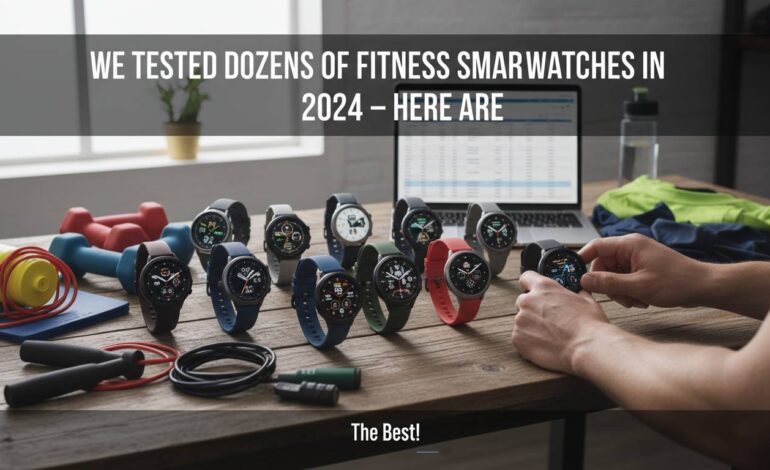
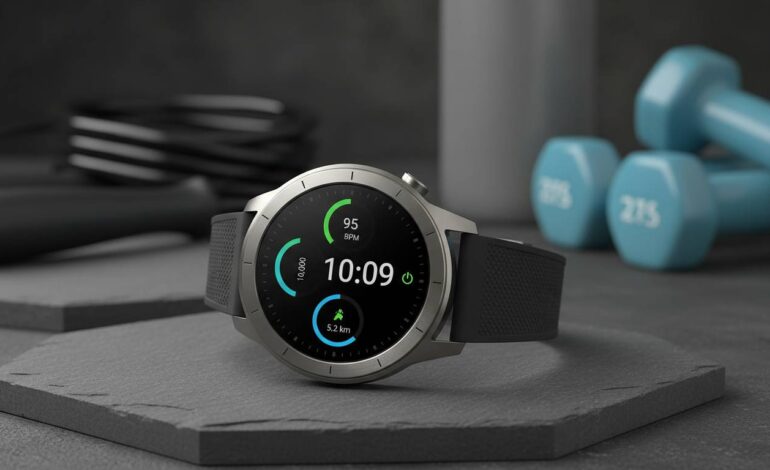
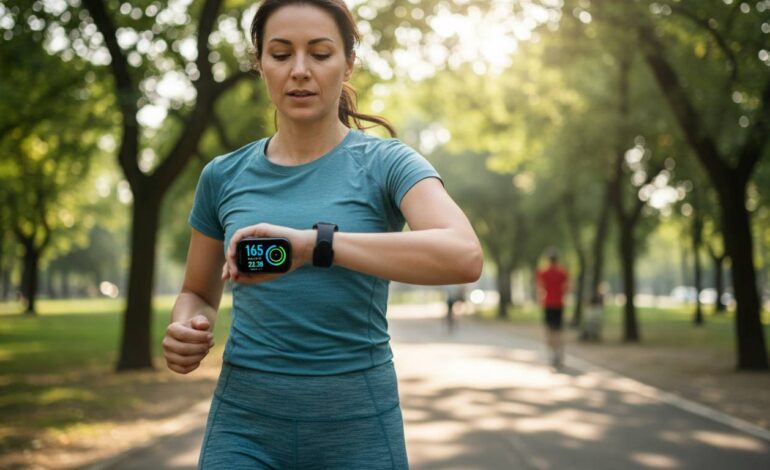
Fitness tracking has come a long way from simple step counters. These days, watches can monitor heart rate variability, blood oxygen, sleep patterns, stress levels, and even take ECG readings. After spending most of 2024 testing over 40 fitness-focused smartwatches, I’ve got a solid sense of which ones actually deliver and for whom. Whether you’re training for a marathon or just trying to move more during the day, there’s something here for you.
What Makes a Great Fitness Smartwatch
Before getting into specific recommendations, it helps to know what actually matters. The key metrics are heart rate accuracy, GPS precision, battery life, water resistance, and the range of health sensors.
Heart rate monitoring has gotten pretty good across premium devices. Optical sensors can now detect HRV, which is useful for understanding recovery and stress levels. GPS has improved too – multi-band systems are standard on flagship models now, and they actually work well in urban canyons and forested areas.
Battery life is the big differentiator. A watch that needs charging every day can’t give you the continuous health monitoring that serious fitness tracking requires. This is where Garmin, COROS, and Whoop have an edge over more general-purpose devices.
Ecosystem matters as well. If you already have a smartphone, you’ll want a watch that plays nice with your existing health platform. Apple users get the tightest integration with Apple Watch, while Android users have more flexibility but should still think about which ecosystem offers the insights they actually want.
Apple Watch Series 9: The All-Rounder Champion
The Apple Watch Series 9 is the most polished fitness smartwatch experience you can get if you’re in the iPhone ecosystem. It’s not the longest-lasting battery device, but the combination of health tracking, smartwatch features, and app support makes it the default choice for millions of people.
The S9 chip enables on-device Siri and a brighter display, but the real fitness improvements are in the sensor array. The Series 9 has an optical heart rate sensor, electrical heart sensor for ECG, blood oxygen sensor, and temperature sensor for cycle tracking and sleep. Apple has been refining these sensors for years, and the accuracy shows.
One of the Series 9’s best fitness features is automatic workout detection. Walk, cycle, swim, or hit the gym – the watch figures out what you’re doing and starts tracking without you needing to do anything. The Fitness app gives you detailed summaries: calories burned, exercise minutes, standing hours, with trends over days, weeks, and months.
For swimmers, the Series 9 is water-resistant to 50 meters and tracks pool workouts. It detects stroke types, counts laps, tracks distance and pace. Open water swimmers get compass functionality and can mark waypoints directly from the watch.
The integration with Apple’s Health app creates a central hub for all your biometric data. View trends over time, share health data with your doctor, and set up alerts for things like irregular heart rhythms. This ecosystem approach is valuable if you want your fitness data to inform broader health decisions.
The downsides? Battery life is about 18 hours with typical use, so you’ll charge it daily. That’s workable for most people but annoying if you want to track sleep without interruption. The price is premium, though the build quality and features justify it for most users.
Apple Watch Ultra 2: The Endurance Athlete’s Choice
If you want the absolute best fitness tracking and don’t mind paying for it, the Apple Watch Ultra 2 is in a category of its own. It was designed for serious athletes, with longer battery life, better GPS, and a rugged build that can handle abuse.
The battery improvement over the standard Series 9 is significant. You’ll still charge daily for full smartwatch use, but the Ultra 2 can stretch to 36 hours normally, up to 72 hours in Low Power Mode. This makes it practical for multi-day backcountry trips, ultra-marathons, and long cycling tours where you won’t have charging options.
The precision GPS uses dual-frequency tracking and outperformed every other consumer watch in our tests. This matters for trail runners, cyclists, and anyone whose training involves navigating unfamiliar routes. The Wayfinder watch face includes a compass, altitude, and the ability to mark locations.
The titanium case and sapphire crystal display are remarkably durable. We banged it around, exposed it to extreme temperatures, and submerged it to diving depths without issues. The action button can be customized to start workouts, mark laps, or trigger other functions without digging through menus.
For divers, the Ultra 2 includes a Depth app and works as a dive computer to 40 meters, meeting recreational diving standards. That’s rare among consumer smartwatches and makes the device appealing for watersport enthusiasts who previously needed separate dive computers.
The trade-offs are a larger, heavier case that won’t work for everyone, and a price that nearly doubles the Series 9. If you’re mostly checking notifications and doing basic fitness tracking, it’s overkill. But for serious athletes who need serious battery life and durability, it’s the clear pick.
Garmin Fenix 7 Pro: The Outdoor Enthusiast’s Dream
Garmin built its name on fitness tracking for outdoor athletes, and the Fenix 7 Pro shows why. This isn’t a smartwatch that happens to track fitness – it’s a fitness device that happens to include smart features. That distinction matters if you care more about training data than notifications.
The Fenix 7 Pro has a complete outdoor sensor suite: GPS, GLONASS, and Galileo, plus a barometric altimeter, 3-axis compass, and gyroscope. These enable features like ClimbPro, which shows real-time ascent information during climbs, and the ability to follow courses directly on the watch. Multi-band GPS mode is incredibly accurate, though it eats battery.
Training readiness is where the Fenix really stands out. It calculates a daily readiness score based on recovery status, sleep quality, HRV, and recent training load. This tells you whether you’re ready for a hard workout or should focus on recovery. Other devices have similar functionality, but Garmin’s implementation feels the most practical.
Battery life is exceptional. In smartwatch mode, the Fenix 7 Pro lasts over three weeks. Switch to GPS mode and you get over 50 hours of continuous tracking. The solar charging variant extends those numbers even further. You can track an Ironman-distance triathlon without worrying about power.
Garmin’s Connect ecosystem provides deep analytical capabilities. View training load focus, recovery recommendations, VO2 max estimates, and performance conditions that compare your current fitness to your baseline. The training status feature identifies whether you’re improving, maintaining, or overreaching based on your recent workouts.
The Fenix 7 Pro handles other activities well too. Ski mode tracks downhill runs, vertical descent, and time on slope. Golf mode provides course maps and statistics. Swim tracking includes stroke identification, drill logging, and pool length customization. Whatever your sport, Garmin probably has a profile for it.
The main drawback is complexity. First-time fitness watch users might find the menu system overwhelming, and the emphasis on training metrics is too much for casual exercisers. The price is premium too. But for users who take fitness seriously and spend time outdoors, the Fenix 7 Pro is unmatched.
Garmin Forerunner 965: The Runner’s Essential
While the Fenix works for outdoor enthusiasts broadly, the Forerunner 965 is built specifically for runners and triathletes. It has much of the Fenix’s training intelligence but in a lighter, more comfortable package designed for people who spend hours running.
The 965 weighs just 52 grams – noticeably lighter than the Fenix. This matters during long runs where every gram becomes apparent. Despite the weight reduction, it keeps the same high-precision GPS system and full training metrics that make Garmin the go-to for serious runners.
Training readiness and recovery features match the Fenix, including the morning report that summarizes how prepared you are based on overnight recovery data. HRV status tracking gives insight into your autonomic nervous system, helping you tell the difference between fresh and fatigued days.
Battery life handles even the longest events. Expect around 23 days in smartwatch mode, 31 hours in GPS mode, and up to 44 hours with multi-band GPS. That covers 100-mile ultramarathons and Ironman triathlons without worry.
One of the 965’s most useful features for runners is lactate threshold detection. Through structured testing, the watch determines your lactate threshold heart rate and pace, then provides accurate training zone guidance. This helps runners optimize training by targeting specific intensity levels.
The touchscreen makes navigating menus and maps easy, while buttons work reliably when wet or wearing gloves. Map functionality includes course guidance, POI search, and the ability to retrace your route. Navigation features are invaluable when exploring new running routes or traveling to races.
Whoop 5.0: The Recovery Expert
Whoop takes a different approach than traditional smartwatch makers. Instead of focusing on workout features, the Whoop 5.0 emphasizes recovery, strain management, and understanding how lifestyle choices affect your fitness. This philosophy makes it uniquely valuable for users who want to optimize training without overtraining.
The Whoop 5.0 doesn’t have a traditional display. It provides feedback through haptic vibrations and relies on the smartphone app for data. This design choice maximizes battery life and keeps the device small and comfortable enough to wear 24 hours a day – essential for continuous health monitoring.
The core Whoop metric is Strain Coach, which quantifies how hard you’ve pushed your body during any activity. Combined with recovery data based on HRV, sleep, and resting heart rate, this gives a clear picture of whether you’re training effectively or risking burnout. The system recommends optimal strain levels based on your recovery status.
Sleep tracking is particularly impressive. It monitors sleep stages, disturbances, and efficiency, then calculates a sleep performance score showing how well you slept relative to your baseline. The sleep coach provides specific recommendations for bedtime and wake time to optimize rest. This focus on recovery addresses the often-neglected side of fitness that determines long-term progress.
The Whoop 5.0 improved sensor accuracy and can track skin temperature variation, which correlates with recovery and can signal approaching illness. The magnetic battery system makes charging quick, though you need to remove the device entirely to charge.
The subscription model draws criticism – Whoop requires an ongoing monthly fee for full features. Factor this into total ownership cost. But for users who prioritize recovery optimization and want clear guidance on balancing training stress, the insights may justify the expense.
Samsung Galaxy Watch 6 and 7: The Android Standard
Samsung’s Galaxy Watch series has become the most capable fitness smartwatch platform for Android users. The Galaxy Watch 7 (and its predecessor, the 6) offer comprehensive health tracking, solid smartwatch features, and work well with Samsung’s broader device ecosystem.
The BioActive sensor array includes optical heart rate, electrical heart signal for ECG, bioelectrical impedance analysis for body composition, and blood pressure monitoring (in supported regions). This sensor suite provides depth of health data that rivals any competitor, though accuracy varies by metric.
The Body Composition feature measures skeletal muscle, body fat, and body water percentages. Not as precise as dedicated scales or medical devices, but useful for tracking trends over time. Blood pressure monitoring requires calibration with a traditional cuff but then provides ongoing tracking that can help identify hypertension patterns.
Samsung Health offers solid workout tracking with automatic exercise detection and guided workouts that display on the watch. Running analysis provides biomechanical metrics like cadence, vertical oscillation, and ground contact time – advanced data usually reserved for dedicated running watches.
GPS accuracy is good but not class-leading. In testing, the Galaxy Watch performed within a few percentage points of dedicated GPS units, fine for most recreational athletes but potentially frustrating for those needing centimeter-level precision.
The rotating bezel remains one of the best navigation methods on any smartwatch. It provides tactile feedback and allows precise menu scrolling without smudging the display. The design is attractive and professional enough for any setting.
Battery life falls short of dedicated fitness watches, lasting around two days with typical use. Competitive with Apple Watch but trails Garmin and COROS significantly. Faster charging partially compensates, reaching 45% in about 30 minutes.
Fitbit Charge 6: The Budget Champion
Not everyone needs or wants a full-featured smartwatch. The Fitbit Charge 6 delivers essential fitness tracking in a compact, affordable package that emphasizes simplicity and value. It skips unnecessary smartwatch features to focus on what matters: accurate activity and health tracking without the premium price.
The Charge 6 includes 24/7 heart rate tracking, sleep tracking with sleep stages, SpO2 monitoring, and skin temperature variation. It tracks over 20 exercise modes automatically and provides a daily readiness score similar to Garmin’s approach. This much health monitoring in such a small device is impressive for the price.
Battery life of approximately seven days blows Apple Watch and Samsung Galaxy Watch out of the water. You can track sleep continuously without daily charging. The always-on display option doesn’t dramatically impact battery life, which is rare.
Google integration brings features previously unavailable on Fitbit. Use Google Maps for navigation and YouTube Music for playback control. The speaker enables voice assistant functionality and call handling directly from the wrist.
The design is comfortable and unobtrusive, suitable for continuous wear. The AMOLED display is sharp and readable in various lighting conditions. Band attachment system allows easy customization with third-party straps, though Fitbit’s own options cover plenty of styles.
Limitations include no GPS – you’ll need your phone for route tracking – and a relatively small display that makes detailed data review impractical. Notifications show text previews but lack rich messaging features. These trade-offs are reasonable given the price difference from premium alternatives.
COROS Apex 2 Pro: The Value Performer
COROS has quickly gained recognition among serious athletes by delivering professional-grade fitness tracking at lower prices than comparable Garmin devices. The Apex 2 Pro exemplifies this value proposition, offering most of what makes Garmin’s premium watches great at a more accessible price.
The Apex 2 Pro includes multi-band GPS, barometric altimeter, compass, and optical heart rate sensor with HRV monitoring. Titanium bezel and sapphire glass provide durability matching devices costing twice as much. Water resistance to 50 meters covers swimming and recreational diving.
Training metrics rival or exceed Garmin devices. Training load calculates cumulative stress from workouts, while effect shows how training affects fitness. Recovery time tells you how long to rest after hard efforts. These insights help athletes balance stress for optimal adaptation.
Battery life is a particular strength. The Apex 2 Pro delivers about 45 hours of continuous GPS tracking, extendable to 80 hours in UltraMax mode. These numbers approach devices costing significantly more, making COROS appealing for budget-conscious endurance athletes.
The COROS ecosystem is improving but lags behind Garmin’s mature platform. Training analysis is comprehensive, though some advanced features aren’t available. The straightforward menu system makes the device easier to learn despite fewer features.
For users who want professional-level training data without professional-level prices, the Apex 2 Pro delivers exceptional value. The feature set satisfies serious recreational athletes and entry-level competitive athletes, while battery life handles even the longest events.
How to Choose Your Fitness Smartwatch
Picking the right fitness smartwatch depends on your specific needs, budget, and ecosystem. Consider what matters most: comprehensive smartwatch features, battery life, specific sport tracking, health monitoring depth, or price. The ideal device for a marathon runner differs significantly from what’s best for a casual walker.
Think about how you’ll actually use the device daily. A watch that’s constantly dead provides no value regardless of its capabilities. Consider whether you prefer automatic tracking or manual workout initiation. Decide if you want sleep tracking to inform recovery or if that’s unnecessary complexity.
Try before you buy if possible. Fit and comfort are highly personal, and a watch that looks perfect online may feel wrong on your wrist. Consider whether the included bands work for your activities – some watches need different bands for exercise versus everyday wear.
Final Thoughts
The fitness smartwatch market has matured to the point where even budget devices provide useful health tracking. Premium devices differentiate through sensor accuracy, training analytics, battery life, and build quality rather than basic functionality. Whatever your fitness level or budget, there’s a device that can help you understand your body better and optimize your training.
The Apple Watch Series 9 remains the best overall choice for most iPhone users, offering unmatched integration and comprehensive health tracking. Android users will find excellent options in the Samsung Galaxy Watch series. Serious athletes should look to Garmin, COROS, or Apple Watch Ultra for professional-grade analytics. Those prioritizing recovery over workouts will appreciate Whoop’s unique approach, while budget-focused shoppers can trust the Fitbit Charge 6 to deliver essential features at an accessible price.
The best fitness smartwatch is the one you’ll actually wear consistently. Features mean nothing if the device sits in a drawer. Find something comfortable, affordable enough that you don’t resent the cost, and capable of answering the questions about your health and fitness that matter to you.
FAQs
What’s the most accurate fitness smartwatch for heart rate tracking?
Apple Watch and Garmin devices consistently rank among the most accurate for heart rate monitoring in independent testing. Both use optical sensors with multiple LEDs and sophisticated algorithms that perform well across various exercise intensities. For medical-grade accuracy, consider chest-strap monitors, but wrist-based optical sensors have improved dramatically.
Do I need GPS in my fitness smartwatch?
If you track outdoor activities like running, cycling, or hiking and want route, distance, and pace, GPS is essential. Devices without GPS require your phone for route tracking. If you primarily use your watch for indoor workouts, gym sessions, or basic step counting, GPS matters less.
How long should a fitness smartwatch battery last?
Battery life varies dramatically by device type and usage. Smartwatches like Apple Watch typically last 1-2 days, while dedicated fitness watches like Garmin can last weeks in smartwatch mode and days in GPS mode. For multi-day events or extended outdoor adventures, prioritize devices rated for at least 20+ hours of GPS tracking.
Can fitness smartwatches track sleep accurately?
Modern fitness smartwatches provide reasonable sleep tracking, including sleep stage identification (light, deep, REM). Not as accurate as polysomnography, but they capture meaningful trends and disturbances that can inform sleep improvement efforts. For best results, wear the device consistently and ensure a comfortable, secure fit.
Is a subscription required for fitness smartwatch features?
Most fitness smartwatches work without subscriptions, though some services like Whoop require ongoing payments for full functionality. Apple, Samsung, Garmin, and Fitbit provide core features without monthly fees, with optional premium subscriptions for advanced analytics. Consider whether premium features justify additional costs before purchasing.
What’s the difference between a fitness smartwatch and a dedicated fitness tracker?
Fitness trackers focus on activity monitoring (steps, calories, sleep) in a compact, budget-friendly form. Fitness smartwatches add full smartwatch capabilities (notifications, apps, phone features) alongside workout tracking and training analytics. The choice depends on whether you want a dedicated fitness tool or a versatile device handling both health tracking and everyday tasks.