URL: /best-time-to-post-on-social-media (40

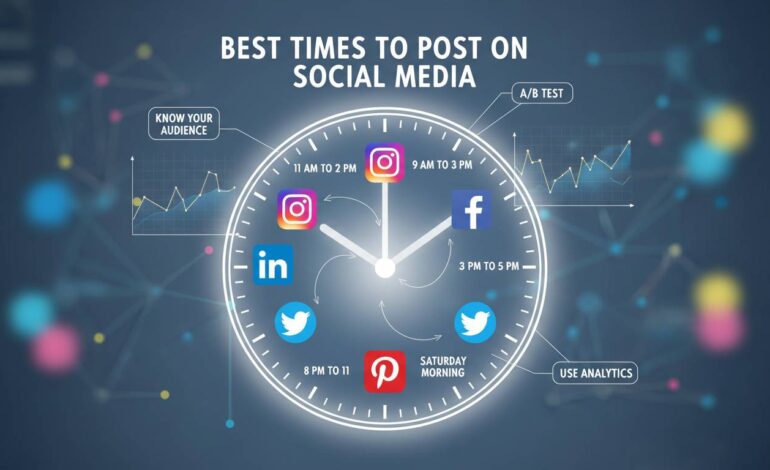
Timing matters for social media visibility. That’s not revolutionary, but it’s true—and in 2024, it’s gotten more complicated. Algorithms shift, audiences fragment, and what worked last year might fall flat now. Here’s what the data shows and what actually works.
The 2024 Landscape
U.S. users spend about 2 hours and 24 minutes on social platforms daily. TikTok, Instagram, and LinkedIn have grown the most. That’s the baseline.
Here’s what matters more: Meta’s algorithm now prioritizes content that gets engagement in the first 1-2 hours after posting. That early window determines whether your content reaches 100 people or 100,000.
“Algorithms are better at predicting viral potential based on initial engagement,” says Sarah Chen, CMO at Digital Trends Agency. “Posting when your audience is online during that first hour can dramatically increase your reach.”
Short-form video has also changed how people scroll. The patterns aren’t the same as they were for static images or links. Different content types, different platforms, different optimal times.
Best Times by Platform
Post between 9 AM and 3 PM EST, Wednesday through Friday. Wednesday at 11 AM and Thursday at 10 AM consistently perform best for organic reach.
Weekend mornings (9 AM to 1 PM) work well for personal and lifestyle content. Business content still does better on weekdays.
Facebook Groups have grown in importance. Posts between 7 AM and 9 AM get traction in niche communities.
The sweet spot is 10 AM to 2 PM EST, with lunch hours (12 PM to 1 PM) particularly strong. Tuesday through Thursday leads, with Wednesday at 11 AM showing the highest average engagement.
Reels are different—they perform better in the evening, 7 PM to 9 PM, when users are in discovery mode. Stories peak separately, around 9 AM to 12 PM, matching morning routines and breaks.
TikTok
This platform runs differently. The best morning window is 7 AM to 9 AM EST, with a second peak between 7 PM and 9 PM.
Tuesday through Thursday beats weekends. But Friday and Saturday nights, 8 PM to 11 PM, reach younger demographics surprisingly well. The key is posting when most users are scrolling—which is before work, during lunch, and in the evening.
Professional content performs during business hours: Tuesday through Thursday, 9 AM to 12 PM EST. Tuesday at 10 AM and Wednesday at 9 AM generate the highest click-through rates.
Monday mornings work because professionals catch up on industry news. Afternoon posts between 2 PM and 4 PM catch people during the mid-afternoon lull.
Twitter/X
Weekdays between 9 AM and 12 PM EST perform best. The platform rewards real-time engagement, so posting at the top of the hour or 15-minute marks (when people check feeds) helps.
Monday through Wednesday leads. Weekends have lower volume but steadier engagement from 10 AM to 2 PM. News and commentary do well in the morning.
YouTube
Upload between 2 PM and 4 PM EST. This gives content an afternoon boost and carries into evening prime time.
Weekends work for general audiences. Weekdays are better for professional and business content. Upload time matters less than publish time—YouTube evaluates the first 24-48 hours—but posting during peak hours gives initial momentum.
What Actually Changes Your Timing
Your Industry Matters
B2B performs during work hours. B2C does better evenings and weekends when people have free time. Healthcare and finance do early in the week. Entertainment and lifestyle do better toward the weekend.
“A B2B software company and a fashion retailer shouldn’t post at the same times,” says Michael Rodriguez, Senior Social Media Strategist at MarketWise Consulting. “Even if they have the same audience size, the habits are completely different.”
E-commerce sees results between 7 PM and 10 PM, when people make impulse purchases. Educational content works in the morning. Motivational content hits hardest between 6 AM and 8 AM.
Time Zones
Eastern Time is the default for most U.S. audiences—it has the biggest population. But if you’re targeting West Coast audiences specifically, test Pacific Coast peak hours separately. Some brands run dual schedules.
“National brands should anchor to Eastern Time but test Western windows for at least 20% of content,” recommends Jennifer Park, Director of Social Analytics at BrandReach Inc. “That three-hour difference meaningfully impacts West Coast reach.”
Finding Your Actual Best Times
Check Your Platform Analytics
Every platform shows when your specific followers are active. Instagram Insights, Facebook Analytics, TikTok Analytics, LinkedIn Analytics—use them.
Look at 4-6 weeks of data. Daily fluctuations create noise. Find recurring patterns instead of celebrating one viral post at an unusual time.
Test Systematically
Beyond platform data, run your own experiments. Post similar content at different times over several weeks. Track engagement for each slot.
Document results in your content calendar—not just time, but content type, format, and topic. You’ll start seeing what works for your specific audience. Keep testing. Audience behavior and algorithms change throughout the year.
The Bottom Line
Post between 9 AM and 3 PM EST on weekdays as a general rule—but your actual best times come from your own data. Combine industry guidelines with continuous testing.
Great content posted at bad times can still succeed. But great content at the right time reaches further with less effort. Both matter. Work on both.
Common Questions
How often should I post?
Instagram: 3-5 times weekly. Facebook: 1-2 times daily. TikTok: daily if possible. LinkedIn: 2-5 times weekly. Quality beats quantity on all platforms.
Do times matter more than content?
Neither trumps the other. Good content at bad times works, but good content at good times works better. You need both.
Should I use scheduling tools?
Yes. Buffer, Hootsuite, and native schedulers let you post at optimal times even when you’re unavailable. Just make sure scheduled content stays relevant.
How do holidays change things?
Professional platforms (LinkedIn, Twitter) see less activity. Personal platforms (Instagram, TikTok) see more. Adjust your schedule and create holiday-specific content.
Does the day matter more than the hour?
Both matter, but day often matters more. Tuesday through Thursday generally beats other days across most platforms. Weekends vary widely by platform and industry.
How fast should I respond to comments?
Within the first 1-2 hours. That early engagement signals to the algorithm that your content is generating conversation. Be active right after you post.