Trending Social Media Apps 2025: What’s Hot Now


The social media landscape continues its rapid transformation in 2025, with new platforms emerging and established apps evolving to meet shifting user expectations. From video-first experiences to privacy-conscious alternatives, the way Americans connect, share, and consume content online has fundamentally changed. This article explores the trending social media apps defining 2025, the technologies driving their success, and what these developments mean for users and businesses navigating the digital ecosystem.
The Social Media Landscape in 2025
The social media industry in 2025 reflects a maturing market where user fatigue with traditional platforms has created openings for innovative alternatives. Recent data shows that the average American adult now spends approximately 2.5 hours daily on social platforms, with that time increasingly distributed across multiple apps rather than concentrated on a few dominant players. This fragmentation has allowed newer applications to capture significant market share despite competing against well-established giants.
The defining characteristic of this year’s trending social media apps is their focus on specific use cases rather than attempting to be all-encompassing platforms. Users are gravitating toward applications that serve particular needs—whether that involves short-form video, professional networking, interest-based communities, or private communication—rather than using one platform for everything. This shift has prompted established companies to either acquire niche platforms or develop their own specialized features to retain user engagement.
Monetization strategies have also evolved considerably. The advertising-heavy model that dominated the 2010s has given way to subscription tiers, creator-payout programs, and e-commerce integrations. Platforms that offer users meaningful revenue-sharing opportunities while maintaining clean user experiences are outperforming those relying solely on traditional advertising models.
Video-First Platforms Dominating the Market
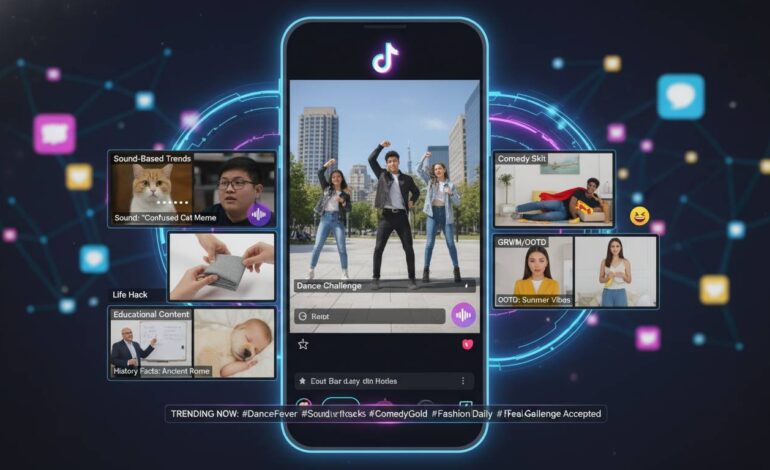
Short-form video continues its reign as the most engaging content format, but 2025 has seen significant evolution in how this content is created and consumed. TikTok remains the undisputed leader in short-form video, but competitors have emerged with differentiated approaches that appeal to specific demographic segments.
Instagram Reals and YouTube Shorts have matured into legitimate alternatives, leveraging their parent companies’ massive user bases to drive adoption. However, what distinguishes the trending social media apps in 2025 is not merely video format but the surrounding ecosystem. Platforms that integrate shopping capabilities, educational content, and community features alongside video are capturing more user time and attention.
The rise of vertical video has influenced content creation across the entire industry. Even traditional platforms like LinkedIn have introduced video features, recognizing that professional content increasingly follows the same visual patterns as entertainment-focused platforms. This convergence has created opportunities for creators to develop cross-platform strategies that maximize reach while adapting content to each platform’s unique characteristics.
Live streaming has also experienced substantial growth, with platforms reporting increases in both viewership and creator participation. The interactive nature of live content—allowing real-time audience engagement through comments, reactions, and direct messaging—has proven particularly appealing to younger demographics seeking more authentic connections than pre-recorded content provides.
Niche Communities and Specialized Apps
Perhaps the most significant trend in 2025 is the growth of platforms designed for specific interest communities. Rather than competing directly with major platforms for mass audiences, these applications focus on delivering specialized experiences for particular user groups.
Audio-based social apps have carved out a substantial niche, with platforms like Clubhouse and its successors evolving beyond the pandemic-driven initial boom to offer sustained value for professional networking, educational discussions, and hobby-focused communities. These applications fill a gap left by traditional social media, which often prioritizes visual content over substantive conversation.
Gaming-focused social platforms have also expanded significantly. Applications designed for gamers to connect, stream, and build communities around shared interests have grown beyond their core audiences to attract casual users interested in esports content and gaming culture. The blurred lines between gaming, streaming, and social networking have created new categories of digital interaction that traditional platforms struggle to address.
Health and wellness-focused social apps represent another growing category. Platforms centered on fitness, mental health, nutrition, and personal development have attracted dedicated user bases willing to share personal journeys and support each other’s goals. These applications often incorporate privacy features that appeal to users uncomfortable with sharing health-related information on mainstream platforms.
The success of niche platforms demonstrates that the social media market can support multiple viable competitors, provided they deliver genuine value to specific user segments. Rather than creating a winner-take-all dynamic, the industry appears to be evolving toward a diverse ecosystem where specialized applications coexist with general-purpose platforms.
Privacy-Focused Alternatives Gaining Traction
Privacy concerns that emerged prominently in the late 2010s have matured into concrete platform choices for many users in 2025. Several applications have positioned themselves as privacy-conscious alternatives to mainstream social media, attracting users wary of data collection practices and algorithmic content curation.
End-to-end encrypted messaging platforms have grown beyond simple communication tools to incorporate social features like status updates, Stories, and group communities. These applications emphasize that user conversations and shared content remain private, a selling point that resonates strongly with audiences increasingly aware of how their data may be used or monetized.
The concept of decentralized social media has also gained practical momentum. Platforms built on open protocols allow users greater control over their data and content, potentially changing the relationship between users and platforms. While these applications still represent a small fraction of overall social media usage, they have attracted committed user bases who value the philosophical and practical differences from centralized platforms.
Regulatory pressure has influenced platform design across the industry. Legislation in multiple states has prompted platforms to offer more transparent data practices and user controls. Apps that proactively implement privacy-friendly features—even where not legally required—have gained competitive advantage among privacy-conscious users.
Impact on Digital Marketing and Business
The evolution of trending social media apps in 2025 has created both challenges and opportunities for businesses seeking to reach audiences through digital channels. The fragmentation of user attention across multiple platforms has complicated marketing strategies that once focused on dominating one or two primary channels.
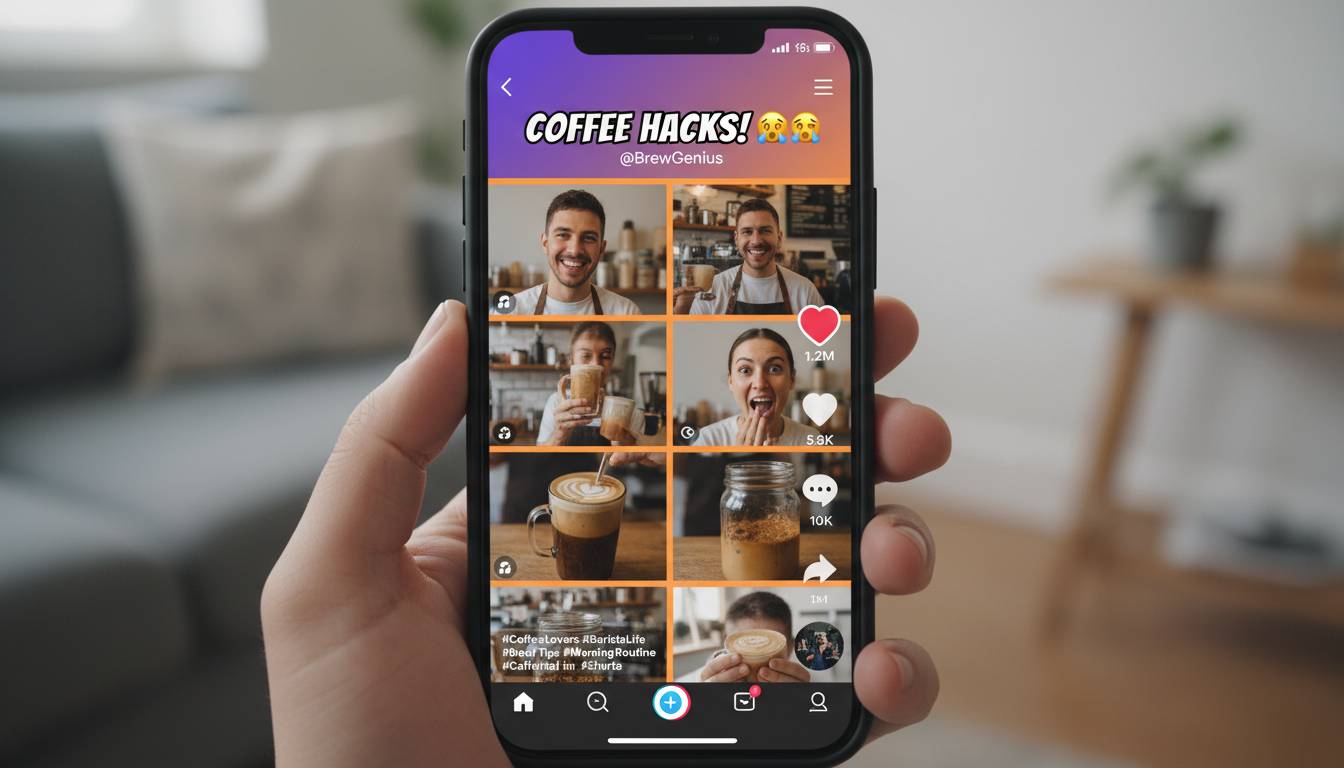
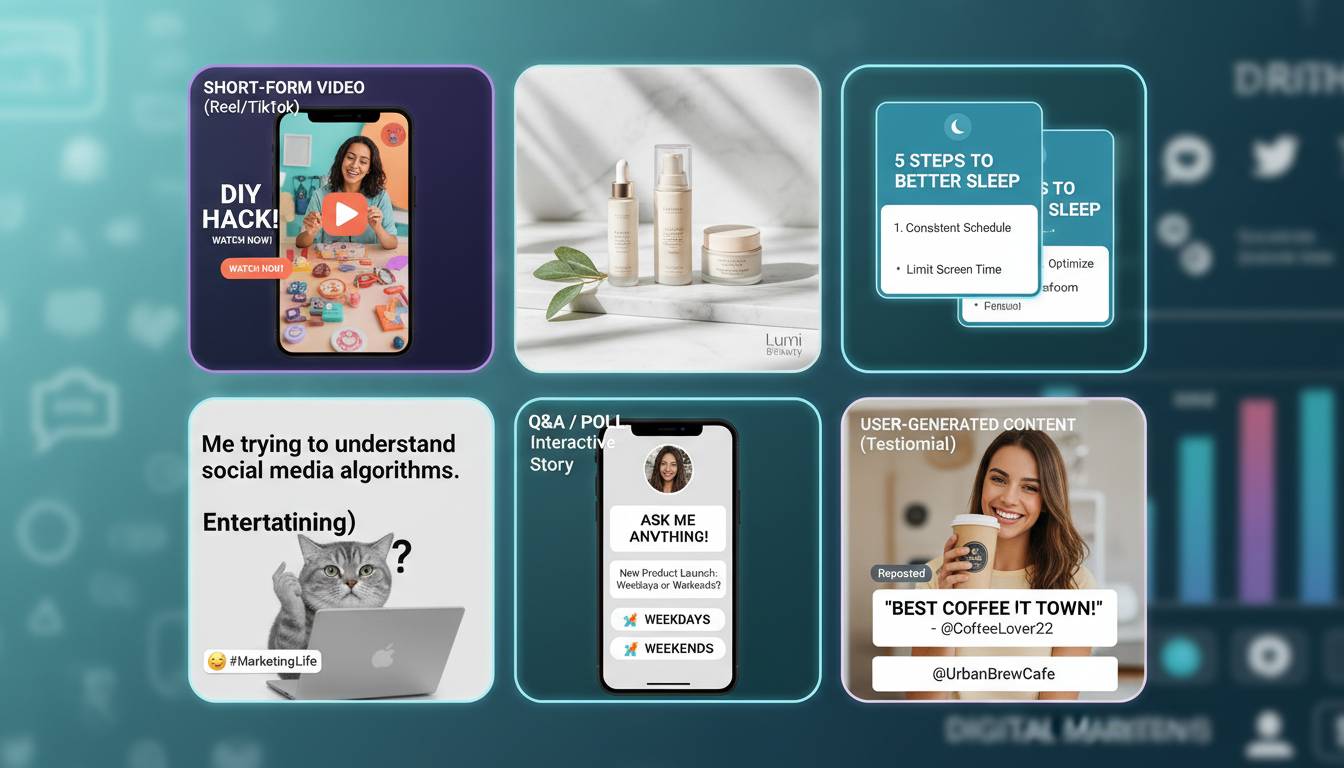
Content marketing has become essential rather than optional. Users increasingly respond to content that provides value—whether entertainment, education, or inspiration—rather than traditional advertising messages. Brands that have succeeded in this environment have developed in-house content capabilities or established authentic partnerships with creators who can deliver messaging within engaging content frameworks.
Social commerce has matured significantly, with platforms integrating shopping features that allow users to discover, research, and purchase products without leaving the application. This seamless integration has proven particularly effective for impulse purchases and products suited to visual presentation. Businesses that have optimized their social presence for direct sales have reported strong returns on their platform investments.
Creator economy platforms have created new marketing channels through influencer partnerships. The transparency around engagement metrics and audience demographics has made influencer marketing more measurable than traditional advertising channels. However, the sheer volume of creators has also increased competition for brand partnerships, prompting creators to develop more sophisticated content strategies and business models.
Small businesses have particularly benefited from the democratization of social media marketing. Lower production costs and organic reach possibilities on emerging platforms have allowed entrepreneurs to compete effectively against larger competitors with bigger advertising budgets. This shift has contributed to the growth of direct-to-consumer brands built primarily through social media presence.
What to Expect in the Coming Year
Industry analysts suggest that the trends shaping trending social media apps in 2025 will accelerate in the following period. Artificial intelligence integration is expected to become more sophisticated, with platforms leveraging AI for content recommendation, creation assistance, and moderation while also addressing concerns about AI-generated content authenticity.
Augmented reality features are likely to expand beyond current applications in filters and effects to more practical uses including virtual try-on experiences, location-based content, and collaborative experiences that blend digital and physical worlds. The hardware improvements in consumer AR devices have created new possibilities that social platforms are actively exploring.
The boundaries between different types of applications will continue to blur. Social platforms will incorporate features traditionally associated with other categories—messaging, e-commerce, entertainment—while non-social applications will add social features. This convergence will create more complex competitive dynamics as companies vie for user attention across multiple use cases.
Regulatory developments will continue influencing platform design and business practices. Potential federal privacy legislation could fundamentally reshape data practices across the industry, potentially creating opportunities for platforms that have already implemented privacy-friendly approaches.
Conclusion
The trending social media apps of 2025 reflect a maturing industry responding to users’ evolving preferences for specialized experiences, privacy-conscious platforms, and authentic connections. While established giants continue commanding significant user attention, the success of niche platforms demonstrates that the market can support diverse approaches to social networking.
For users, this fragmentation offers both benefits and challenges. Greater choice allows selection of platforms that align with individual values and preferences, but managing multiple applications requires more intentional engagement. For businesses, the changing landscape demands adaptable strategies that meet audiences where they increasingly concentrate their attention.
Understanding these trends provides valuable insight into the direction of digital interaction more broadly. The innovations and competitive dynamics shaping social media today will influence how communities form, content is created, and commerce is conducted online for years to come.
Frequently Asked Questions
What are the most popular social media apps in 2025?
TikTok continues to lead in short-form video engagement, while Instagram Reals and YouTube Shorts maintain strong positions. Privacy-focused platforms like Signal and Telegram have grown significantly, along with niche apps serving specific interest communities. The market has become more fragmented, with users distributing attention across multiple specialized platforms rather than concentrating on one or two dominant apps.
How has social media marketing changed in 2025?
Marketing has shifted toward content-first strategies where brands provide value through entertaining, educational, or inspirational content rather than traditional advertising. Social commerce integration has matured, allowing direct purchasing within platforms. Influencer partnerships have become more sophisticated, with transparent metrics making influencer marketing more measurable than traditional advertising channels.
Are privacy-focused social media apps safe to use?
Privacy-focused apps that implement end-to-end encryption and transparent data practices generally offer stronger privacy protections than mainstream platforms. However, users should research specific applications’ security features and privacy policies, as claims vary significantly across platforms. The most reputable privacy-focused apps undergo independent security audits and clearly explain their data handling practices.
What social media trends should businesses watch in 2025?
Key trends include the continued dominance of short-form video, growth of social commerce, expansion of the creator economy, and increasing importance of authentic brand voices over polished corporate messaging. Businesses should also monitor AI integration in content creation and moderation, augmented reality features, and evolving regulatory requirements around data privacy.
How much time do Americans spend on social media in 2025?
The average American adult spends approximately 2.5 hours daily on social platforms. This time is increasingly distributed across multiple applications rather than concentrated on a few dominant platforms, reflecting users’ preferences for specialized experiences that serve specific needs or interests.
Will AI replace human content creators on social media?
While AI tools are becoming more sophisticated in assisting content creation, human creators continue to deliver value through authentic experiences, personal connections, and contextual understanding that AI currently cannot replicate. The most successful approach appears to be human-AI collaboration, where creators use AI tools to enhance productivity while maintaining authentic human connection with audiences.