Top Social Media Trends 2025 Every Marketer Needs to Know

The social media landscape in 2025 moves fast, and marketers who aren’t paying attention get left behind. This guide covers what actually matters this year and what you can do about it.
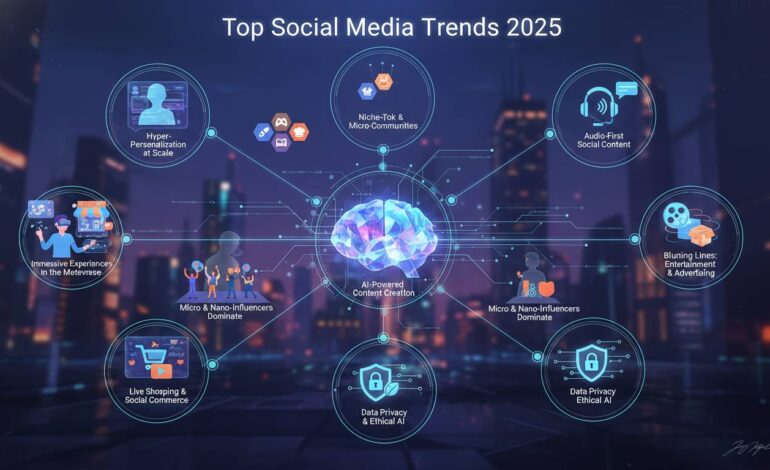
AI-Powered Content Creation
AI has stopped being experimental and become something most social media managers use daily. About 67% of social media managers report using AI tools regularly, up significantly from just a couple years ago. These tools help with brainstorming, writing drafts, and personalizing messages for different audience segments. Smaller teams can now produce content that would have needed a bigger department before.
The real value is in personalization. AI lets brands adapt messaging for different audience segments while keeping brand voice consistent. Analytics tools powered by AI predict when to post, spot trends early, and generate content variations for each platform.
That said, human oversight still matters. AI-generated content needs review for accuracy and whether it actually connects with your audience. The best marketers balance AI efficiency with human creativity—and they’re seeing better engagement as a result.
Short-Form Video
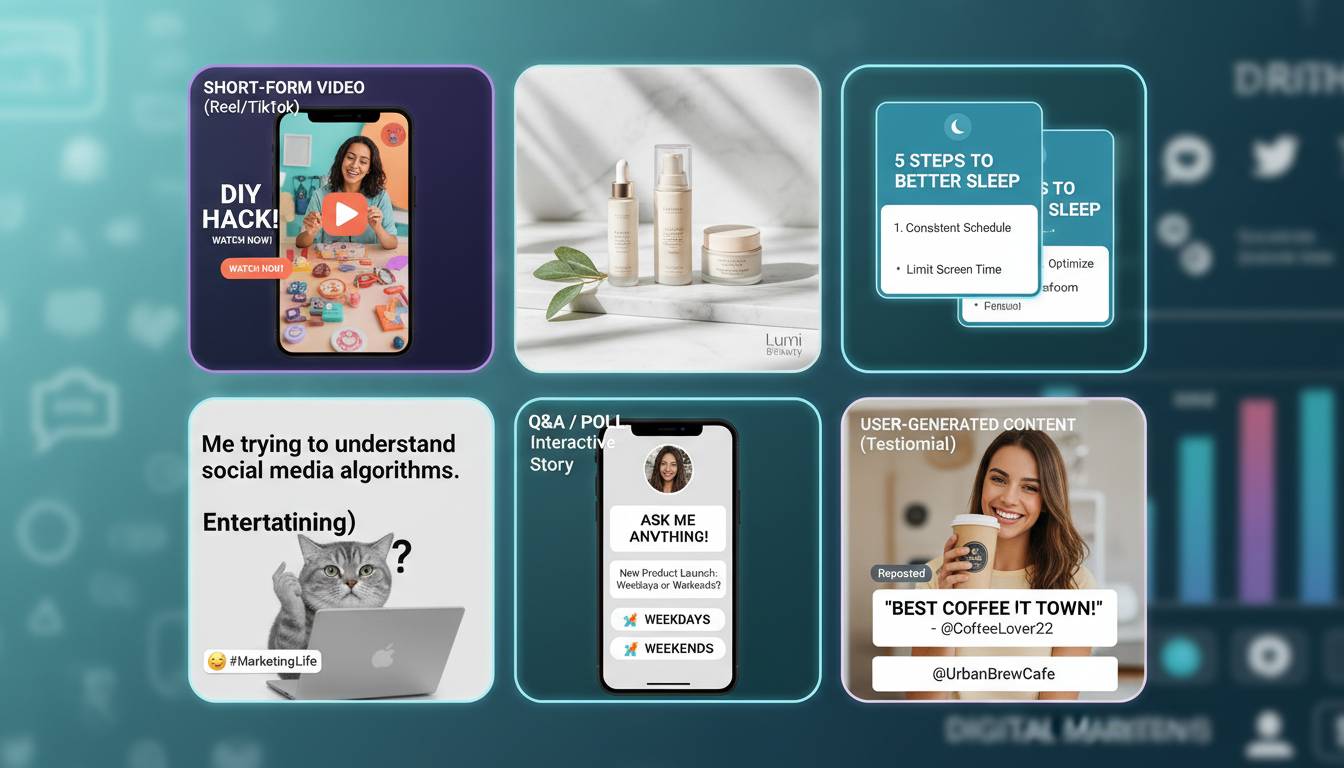
Short-form video still dominates engagement in 2025. TikTok, Instagram Reels, and YouTube Shorts pull most of the attention. The format has grown beyond entertainment—brands use it for product demos, education, and storytelling.
If you weren’t taking vertical video seriously before, you should now. Consumers expect it everywhere.
The platforms compete fiercely for creators. Instagram added more Reels monetization options. YouTube lowered its Shorts threshold. TikTok still wins on discovery, but recent algorithm changes have made it easier to repurpose content across platforms.
One thing to remember: short-form video needs its own strategy, not just shorter versions of other content. Hook viewers in the first three seconds, deliver clear value, and post consistently to build momentum.
Platform Diversification
Putting everything on one platform is risky and outdated. Most brands now maintain presence on five to seven platforms, adjusting their strategy for each one’s audience and features.
Smart marketers create content ecosystems. A long YouTube video might get TikTok clips highlighting key moments, Instagram Stories with behind-the-scenes context, and LinkedIn posts with professional takeaways. This approach stretches content further and meets people where they already are.
The challenge is avoiding repetition while keeping brand messaging consistent. That requires planning—content calendars that account for each platform’s best practices.
Community-Centric Marketing
The big shift in 2025 is from broadcast advertising to building actual communities. Brands are realizing that engaged communities deliver more value over time than traditional ad reach.
This means focusing on relationships, not just promotional messages. Two-way conversations matter. So does featuring user-generated content and creating spaces where customers feel valued, not sold to.
Successful brands act more like media companies—providing real value through education, entertainment, and connection opportunities. Membership programs, exclusive content, and interactive experiences turn followers into participants and advocates. The data supports this: community-driven brands see higher retention and more word-of-mouth referrals.
Influencer Marketing
Influencer marketing has grown up. The big changes in 2025 are more long-term partnerships, emphasis on authenticity, and actual ROI measurement.
One-off sponsored posts are fading. Ambassador programs—where influencers genuinely use and believe in products over months—are replacing them. This shift reflects both consumer fatigue with obvious ads and platform algorithms that favor real engagement.
Micro and nano-influencers have become particularly valuable. Their smaller audiences often trust them more and engage at higher rates than macro-influencers. They’re also cheaper, making them useful for niche brands.
Measurement has improved too. Brands can now track not just reach and impressions, but actual impact on purchase intent. Disclosure of sponsored relationships is now standard—finally.
Privacy-First Marketing
Third-party cookies are gone. Platform restrictions on data collection keep tightening. Privacy-conscious marketing isn’t optional anymore—it’s necessary.
Brands that built email lists, loyalty programs, and first-party data collection early now have an advantage. If you haven’t started, you’re behind.
Native platform advertising matters more now. Social platforms’ own tools let you build audiences based on engagement rather than external data. The shift is from precise targeting at scale to broader reach with compelling creative that drives action.
The honest truth? This environment rewards authentic brand positioning and good content over aggressive targeting tactics that don’t work anymore.
Social Commerce
Social commerce hit mainstream in 2025. Shopping features are built into every major platform. The line between scrolling and shopping has basically disappeared.
Live shopping grew particularly fast—it’s entertaining and lets viewers buy instantly in a way that feels authentic, not purely transactional.
For brands, this means integrating content strategy with e-commerce operations. Social platforms are now sales channels that need attention to inventory, customer service, and fulfillment. User-generated content showing products in use drives conversions better than brand-produced materials. People trust other people’s experiences.
The convergence of content, community, and commerce is one of the biggest shifts happening right now.
Conclusion
The trends in 2025 show a maturing industry where sustainable success means balancing technology with genuine human connection. AI has become essential for efficiency and personalization, but authentic engagement and community building matter more than ever.
Treat social media as a relationship platform, not a broadcast channel. Invest in content quality, cultivate community, and interact with customers consistently.
Platform diversification, strategic content adaptation, and continuous learning are non-negotiable. The trends here give you a framework, but you need to adapt them to your specific brand and audience. Organizations that embrace both technology and authentic human connection will fare best.
Frequently Asked Questions
What are the biggest social media trends in 2025?
AI content creation has become standard, short-form video still dominates, platform diversification is essential, community-centric marketing is replacing traditional ads, and privacy-first strategies are now critical.
Which social media platform should I focus on in 2025?
It depends entirely on your audience and goals. Rather than betting on one platform, most successful marketers maintain presence on five to seven platforms with tailored strategies. Figure out where your audience spends time and what formats fit your brand.
How is AI changing social media marketing?
AI helps with drafting content, personalizing messages, predicting trends, and automating customer service. About 67% of social media managers use AI tools regularly, though human oversight remains necessary for brand alignment and authenticity.
Is TikTok still relevant for marketing in 2025?
Yes—TikTok still leads in discovery and works well for reaching younger audiences and brands that can create authentic, entertaining content. But Instagram Reels and YouTube Shorts have gained ground.
What social media strategies work best in 2025?
Combine AI efficiency with authentic human connection. Build real communities, develop long-term influencer partnerships, prioritize first-party data, and integrate social commerce. Content that provides real value consistently beats promotional posts.
How important is video content in 2025?
Video remains the engagement leader, especially short-form on TikTok, Reels, and Shorts. Develop video-first strategies and hook viewers in the first few seconds—competition is fierce.