Tier List Smash Ultimate: Best Characters Ranked

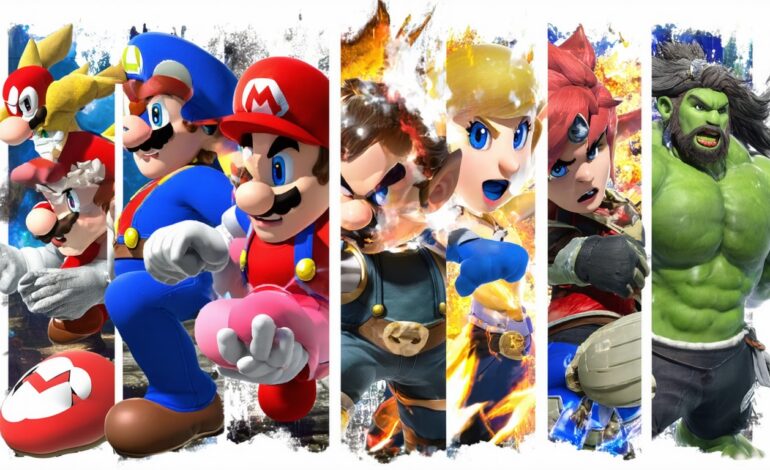
Competitive gaming thrives on analysis, and nowhere is this truer than in the world of Super Smash Bros. Ultimate. As one of the best-selling fighting games ever released, Smash Ultimate features an unprecedented 80+ character roster, each offering unique playstyles, matchups, and tactics. To help players navigate this vast landscape, the community relies heavily on “tier lists”—dynamic rankings that estimate each character’s relative strength in competitive play. But what informs these rankings, and why do they spark so much debate?
A tier list in Smash Ultimate synthesizes tournament results, professional players’ insights, patch updates, and the constantly evolving metagame. The goal is not to dictate which characters are “fun,” but to provide a reference for those aspiring to compete at high levels or simply improve their performance online.
What Shapes the Smash Ultimate Tier List?
Tournament Results and Meta Evolution
Tournament outcomes drive perception in the Smash community. For example, characters like Peach/Daisy and Lucina saw surges in early rankings thanks to victories from top players such as Samsora and MkLeo. However, as more player data accrued, new contenders—like Pyra/Mythra and Steve—rose in prominence via impressive showings at events like Genesis 8 and The Big House.
Beyond these results, the “meta”—the collective strategies and character picks of top players—evolves swiftly. Periodic game patches from Nintendo have buffed or nerfed characters, reshaping the tier list multiple times since launch.
“Tier lists aren’t commandments, but reflections of a living, breathing game and community,” said Gavin “Tweek” Dempsey, a top competitive player. “When new strategies come to light, or a character wins a major event, conversation shifts—sometimes overnight.”
Criteria for Ranking Characters
Professional and community-made tier lists typically weigh factors such as:
- Neutral Game Tools: Movement, projectiles, and safe attacks dictate match control.
- Punish Game: How much damage or advantage a character can extract from an opening.
- Edgeguarding & Recovery: Off-stage presence and resilience.
- Matchup Spread: Likelihood to perform well across various opponents.
- Results at Major Tournaments: Consistency at high competitive levels.
Subjectivity always remains—personal bias, matchup knowledge, and meta trends all play a role in any given list.
Top-Tier Characters: Smash Ultimate’s Elite
Who Dominates the Current Meta?
While the meta shifts with each major patch or unexpected tournament run, certain characters have established themselves as consistently powerful:
Pikachu
Praised for its nimble movement, reliable combos, and oppressive off-stage game, Pikachu remains a staple of nearly every high-tier ranking. Its notoriously small hitbox and recovery options grant significant defensive and offensive flexibility.
Pyra & Mythra
Introduced via DLC, Pyra & Mythra quickly disrupted competitive play. Mythra’s speed and frame data enable relentless pressure, while Pyra delivers hard-hitting punishes. Their “dual mode” mechanic lets skilled players adapt to changing match states—a core reason for their top-tier placement.
Peach & Daisy
Technical, precise, and with a devastating combo game, Peach and Daisy dominate in the hands of dedicated players. They require a steep learning curve, but their float mechanics and versatile edgeguarding secure them a place atop many lists.
Sonic
Notably favored in online play and certain tournament circuits, Sonic’s hit-and-run approach frustrates many opponents. His high mobility allows for timeouts and unpredictable attacks.
Steve (Minecraft)
Despite the controversy over his design, Steve’s unique block-placement mechanics and combo potential have produced major upsets. At events like Smash Con and Glitch, Steve mains have demonstrated his high ceiling and game-changing toolkit.
Dark Horses and Underdogs
It’s important to note that tier lists do not determine winners—player skill, adaptability, and matchup knowledge often trump character strength alone. Characters like R.O.B., Min Min, Palutena, and Roy alternate between high and upper-mid rankings, proving that Smash Ultimate’s diverse cast creates real opportunities for mastery outside the absolute top tiers.
Community and Pro Perspectives on Tier Lists
Evolution Through Updates and Player Discovery
The Smash Ultimate tier list is not static; it morphs as professional players innovate or when Nintendo issues balance updates. For example, Joker dominated early meta, but subsequent nerfs leveled the playing field and opened space for other characters.
Discussion forums, YouTube breakdowns, and community polls continually crowdsource updates from both grassroot players and pros. Tier lists curated by analysts like Panda Global or community portals such as EventHubs and Smashboards blend data and opinion for a nuanced look at current rankings.
The Role of Playstyle and Local Scenes
Different regions and tournament scenes often champion varied top picks based on playstyles, available talent, and even controller preferences. While the global meta may idolize a few characters, local tier lists sometimes elevate rarely-seen options simply due to influential players or unique counter-strategies.
Tips for Using a Tier List to Your Advantage
Choosing Your Main: Beyond the Rankings
Choosing the most objectively powerful character does not guarantee victory. Instead, understanding your preferred playstyle—aggressive, zoning, technical, or defensive—should guide your selection. Practice, matchup familiarization, and adaptation remain key to achieving results.
Tier List Limitations
No list is final. Balance patches, new techniques, and emerging pros can change perceptions fast. While strong characters may present an initial advantage, consistent training and matchup experience are decisive at tournament levels.
Conclusion: Tier Lists as a Guide, Not Gospel
Tier lists in Smash Ultimate encapsulate the competitive pulse of a global community, yet they’re best used as navigational aids, not ironclad rules. The top of today’s chart could shift by next season, and exceptional players regularly challenge expectations with innovative strategies. In the end, understanding your character and the intricacies of the evolving meta is just as important as the place they occupy on the current tier list.
FAQs
What is a tier list in Smash Ultimate?
A tier list ranks characters in Super Smash Bros. Ultimate based on their overall strength, performance in tournaments, and matchup effectiveness according to high-level play.
Do tier lists change over time?
Yes, tier lists are updated regularly to reflect balance patches, emerging strategies, and evolving tournament results. A character’s position can shift significantly as the meta develops.
Which characters are generally considered top tier right now?
Popular top-tier choices include Pikachu, Pyra & Mythra, Peach/Daisy, Sonic, and Steve, but rankings can vary depending on the source and recent tournament outcomes.
Can lower-tier characters win tournaments?
Absolutely. While tier lists highlight statistically strong characters, skilled players have won major tournaments with mid or even low-tier picks, especially when leveraging unique tactics or unfamiliar matchups.
How should I use a tier list when picking my main?
Use tier lists as a starting point to gauge a character’s strengths, but prioritize playstyle fit and enjoyment. Mastery and matchup knowledge can often outweigh unit ranking in actual matches.
Where can I find up-to-date Smash Ultimate tier lists?
Major esports organizations, community forums like Smashboards, and sites such as EventHubs regularly publish updated tier lists based on recent data and pro opinions.