The Best Smartwatches for Daily Fitness

The smartwatch market is overwhelming right now. Every brand promises to revolutionize how you track your health, and prices range from under $100 to well over $1,000. If you’re trying to figure out which one actually makes sense for your fitness goals, this guide breaks things down in plain English.
Whether you’re just starting to move more or you’re training for something specific, the right fitness smartwatch should fit into your life without becoming another thing to worry about. This article looks at what’s actually worth considering in today’s market, compares the major brands honestly, and helps you figure out which device matches your needs without wasting money on features you’ll never use.
What Actually Matters in a Daily Fitness Smartwatch
Here’s the thing: most buyers get caught up in flashy specs and ignore what actually makes a difference day to day. Before you scroll past this section thinking you already know, hear me out—these are the features that matter based on how people actually use these devices.
Health Tracking That Goes Beyond Steps
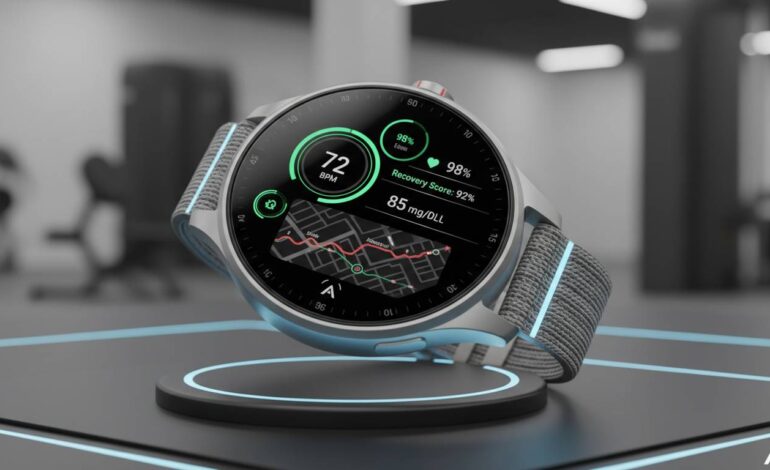
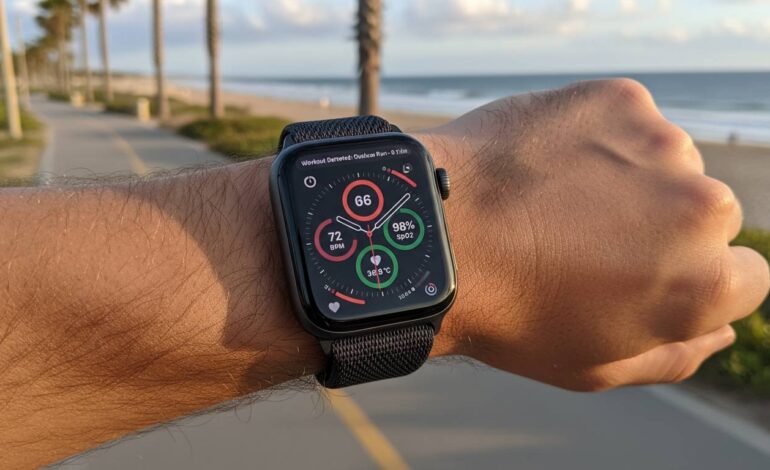
Heart rate monitoring is the baseline. Every device does it, but accuracy varies, especially when you’re moving around a lot or doing high-intensity intervals. Most watches use optical sensors that measure blood flow through your skin—they’re good enough for casual use but not medical-grade.
Blood oxygen (SpO2) became a bigger deal after 2020, and now most mid-range and up devices include it. It measures how well your blood is carrying oxygen, which is useful during sleep or intense workouts, though it’s not a medical诊断 tool.
Sleep tracking is where things get interesting. The best devices break down your night into REM, light, and deep sleep stages, then give you a score that actually means something. This matters because recovery is when your fitness improvements happen, not during the workout itself. If you’re constantly tired, your sleep data might explain why.
Stress tracking has crept into most devices now—some measure it through heart rate variability, others through skin response. It’s not as useful as good sleep data, but some people find the breathing prompts helpful.
Battery Life: The Thing Nobody Talks About Enough
This is where a lot of buyers get surprised. A watch that needs charging every day becomes a hassle, especially if you want to track sleep overnight. You can’t wear it while charging, so daily chargers often skip sleep tracking entirely.
Dedicated fitness brands like Garmin usually beat general smartwatches here—sometimes by weeks, not days. Think about whether you actually want overnight tracking. If you do, aim for at least 3 days of battery life to give yourself buffer.
GPS is a battery killer. If you’re planning to track runs or rides without your phone, factor that in. Some watches have power-saver modes that extend life significantly.
Comfort and Design for Wearing Every Day
You’re going to wear this thing constantly. Weight, band material, and screen size all affect whether it feels fine or annoying after a few hours. Bigger screens are easier to read during workouts but can feel bulky under a shirt cuff.
Water resistance matters more than people think. If you swim or sweat a lot, get at least 5ATM rating. Most fitness watches handle this now, but cheap knockoffs might not.
Top Picks Based on What You Actually Need
Here’s the honest breakdown of which watches make sense for different types of users. I’m focusing on what each device actually does well, not just specs on paper.
Best for Serious Fitness Tracking: Garmin Forerunner Series
Garmin has been making fitness-focused watches longer than anyone else, and it shows. The Forerunner line isn’t trying to be a mini phone on your wrist—it’s built for people who care about actual training data.
The range is wide, from the Forerunner 55 (solid basics, affordable) up to the Forerunner 965 (full-featured for serious athletes). What makes Garmin stand out is training load analysis, recovery recommendations, and GPS accuracy that doesn’t quit in urban canyons or under trees.
Their Body Battery feature combines heart rate variability, sleep, and activity into one number that tells you if you should push hard or take it easy. It’s genuinely useful, not just data for data’s sake.
The tradeoffs: Garmin watches look like fitness tools, not fashion accessories. The interfaces are functional but not as slick as Apple or Samsung. And you’ll pay more than a basic fitness band. But if accurate data matters to your training, it’s worth it.
Best Value: Fitbit Charge Series
Fitbit owns the middle ground between cheap fitness bands and expensive smartwatches. The Charge devices do almost everything most people need at roughly half the price of premium watches.
You’re getting heart rate, sleep tracking, SpO2, built-in GPS, and notifications. The sleep score is actually easier to understand than Garmin’s more detailed breakdowns—sometimes simple is better. Active Zone Minutes motivate some people and annoy others, depending on your personality.
Battery life is the real win here. The Charge lasts a week or more, which means you can reliably track sleep without the charging anxiety that plagues Apple Watch users.
The screen is smaller than full smartwatches, so reading notifications is fine but not ideal. You’re also locked into Fitbit’s app ecosystem, which is solid but not as flexible as what Apple or Google offer.
Best for iPhone Users: Apple Watch Series
If you have an iPhone, the Apple Watch is the obvious answer for most people. It does everything—fitness tracking, apps, messages, Siri, the works—and integrates with your phone seamlessly.
Fitness-wise, Apple has caught up considerably. The Workout app covers just about anything you might do, from running to dance to tai chi. The temperature sensors added recently improve sleep tracking and enable cycle tracking for those who need it. Fitness+ adds guided workouts if you want them, though it costs extra.
The battery situation is the main drawback. You’ll charge daily or every other day, which makes consistent sleep tracking harder. The premium pricing adds up fast with cellular models and nice bands.
For iOS users who want one device that does everything well, this is still the default recommendation for good reason.
Best for Android Users: Samsung Galaxy Watch
Samsung makes the most complete Android smartwatch, and fitness tracking is part of that package rather than the main focus.
The BioActive sensor is genuinely impressive—combining optical heart rate, electrical heart signals, and body composition analysis in one unit. Sleep tracking is solid, GPS works without your phone, and the rotating bezel is a nice physical control that other watches lack.
Battery life runs 2-3 days typically, better than Apple but not matching Fitbit or Garmin. Wireless charging is convenient if you’re already in that ecosystem.
One thing worth noting: Galaxy Watch works best with Samsung phones but functions fine with other Android devices. If you might switch phone brands later, this gives you more flexibility than Apple’s closed system.
Best for Runners: Garmin Forerunner 265
This is the sweet spot for most runners who want better than basic tracking without going full pro. The color touchscreen finally makes Forerunners look modern rather than utilitarian.
Multi-band GPS is the key feature here—it locks onto satellites faster and stays accurate in tough conditions. If you’ve ever had a run show weird route artifacts because your watch got confused, you know why this matters. It’s not marketing; it’s actual accuracy improvement.
Training readiness scores tell you each morning whether you should train hard, take it easy, or rest entirely based on your recovery status. Battery life is excellent: up to 15 days in watch mode, over 20 hours with GPS on. You can run an ultramarathon without battery anxiety.
It’s heavier than some running-specific watches, but the everyday usability makes up for it if you also want notifications and smart features.
Best for Gym Work: Apple Watch Ultra
The Ultra was built for extreme sports, but it’s become popular in gym circles for good reasons. The bigger screen makes it easy to check rest timers between sets without squinting. The battery lasts all through extended sessions and still has power for sleep tracking afterward.
The action button is customizable—set it to start your rest timer, and it becomes genuinely useful for strength training. Heart rate stays accurate even during heavy lifts where arm movement might mess with optical sensors on smaller watches.
Garmin’s strength training tracking deserves mention too, especially for automatic rep counting on certain exercises. But the Ultra’s general versatility and app support give it the edge for most people who want one watch for everything.
Best for Sleep Tracking: Fitbit Sense 2
If understanding your sleep is the priority, the Sense 2 is worth considering. It goes beyond basic sleep stages with continuous skin temperature tracking, SpO2 throughout the night, and heart rate patterns that reveal stress or recovery issues.
The cEDA sensor measures electrodermal activity—essentially how your body responds to stress during sleep. It’s not common in other devices and provides unique insight if you’re trying to figure out why you’re not sleeping well.
Beyond sleep, it’s a full smartwatch with notifications, apps, GPS, and voice assistants. That makes it more versatile than a dedicated fitness band, which matters if you want one device for everything.
What About Operating System?
This matters more than people think. Apple Watch only works with iPhones. Samsung works best with Samsung phones but functions with any Android. Garmin and Fitbit work with both.
Cross-ecosystem usage is possible but limited. An Apple Watch with Android loses a lot of functionality. A Galaxy Watch with iPhone works but gives up some health features.
If you might switch phone ecosystems in a couple years, Factor that into your decision. A Garmin or Fitbit won’t care what phone you use; Apple and Samsung lock you in.
Price vs. Reality
Here’s what you’re actually getting at each level:
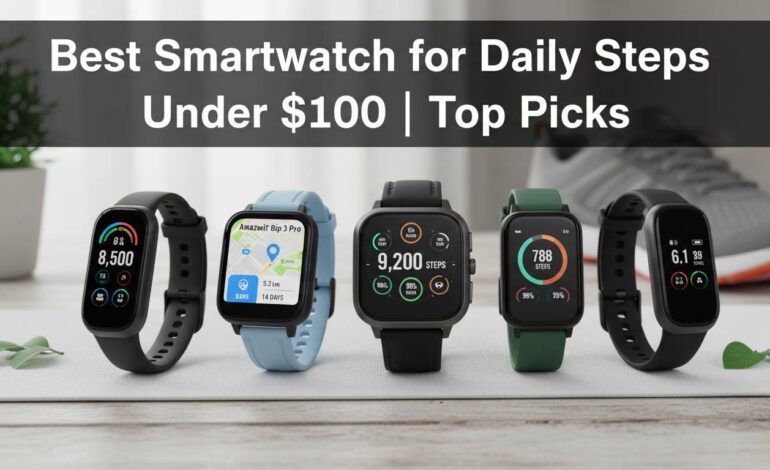
Under $150 gets you basic heart rate, step counting, and notifications. Sleep tracking exists but quality varies. Fine for casual use.
$150-400 is where most people should shop. Built-in GPS, solid health sensors, multi-day battery, and good build quality are standard. This covers 90% of what regular fitness enthusiasts need.
$400+ targets athletes or people who want the best smartwatch experience. Multi-band GPS, solar charging, advanced training metrics, premium materials. Most people don’t need this, but serious athletes will use and appreciate these features.
One honest suggestion: don’t spend more than you need. A $1,000 watch you don’t wear because charging is annoying provides zero fitness benefit. Start reasonable, upgrade later if your needs change.
What I’m Watching for the Future
A few things are coming that might change recommendations:
Blood glucose monitoring without needles is getting closer. Several companies are working on it, and it could be huge for metabolic health tracking. Not here yet, but worth knowing if you have diabetes or pre-diabetes.
AI insights are getting smarter. Instead of just showing data, future watches might actually tell you what to do with it—adjusting training recommendations based on your patterns.
Sustainability is improving. More recycled materials and repair options are appearing, which matters if you’re thinking about e-waste.
Bottom Line
The “best” smartwatch depends entirely on what you’re doing with it. Garmin for data-obsessed athletes. Fitbit for value-conscious casual users. Apple Watch if you’re all-in on iOS. Samsung for Android fans who want the full package.
Focus on what you’ll actually use. If you hate charging things, battery life matters more than GPS accuracy. If you run outside, built-in GPS matters more than sleep tracking. Figure out your priorities, then pick the device that excels there.
Technology keeps advancing. Today’s premium features become tomorrow’s basics. Getting something that fits your current needs and upgrading when it makes sense beats waiting for the perfect device.