Social Media Trends 2025: What Marketers Need to Know


The social media landscape in 2025 looks fundamentally different from what it was even a year ago. Platforms are evolving, technologies are reshaping how people use these spaces, and marketers are finding that yesterday’s playbook doesn’t quite work anymore. If you’re trying to stay visible to your audience, understanding these shifts isn’t optional—but it also doesn’t have to be overwhelming.
Here’s what’s actually changing and what you can do about it.
AI Is Reshaping How Content Gets Made
AI has moved past the experimental phase and into everyday marketing tools. In 2025, it touches nearly every step of the content process—helping with ideas, writing, editing, and even figuring out what might actually resonate with your audience.
Meta, TikTok, and YouTube have all built generative AI features directly into their creator tools. You can now get help writing scripts, editing videos, or predicting which formats will work for which groups of people—without leaving the platform you post on.
The productivity gains are real. Brands using AI content tools say they’re producing content about 40% faster, with engagement rates up around 25%. For smaller teams, this means you can actually compete with bigger players who used to outspend you on production.
Personalization has gotten a serious upgrade too. Machine learning can now analyze what people are doing in the moment and serve them content that matches—not the broad segments you manually built weeks ago. Dynamic ads, personalized video messages, adaptive website content—it’s all running faster and more precisely than before.
“AI isn’t replacing human creativity—it’s taking the tedious stuff off our plates so we can focus on strategy and actually telling stories that matter,” said Sarah Chen, chief marketing officer at Velocity Digital.
Short-Form Video Isn’t Going Anywhere
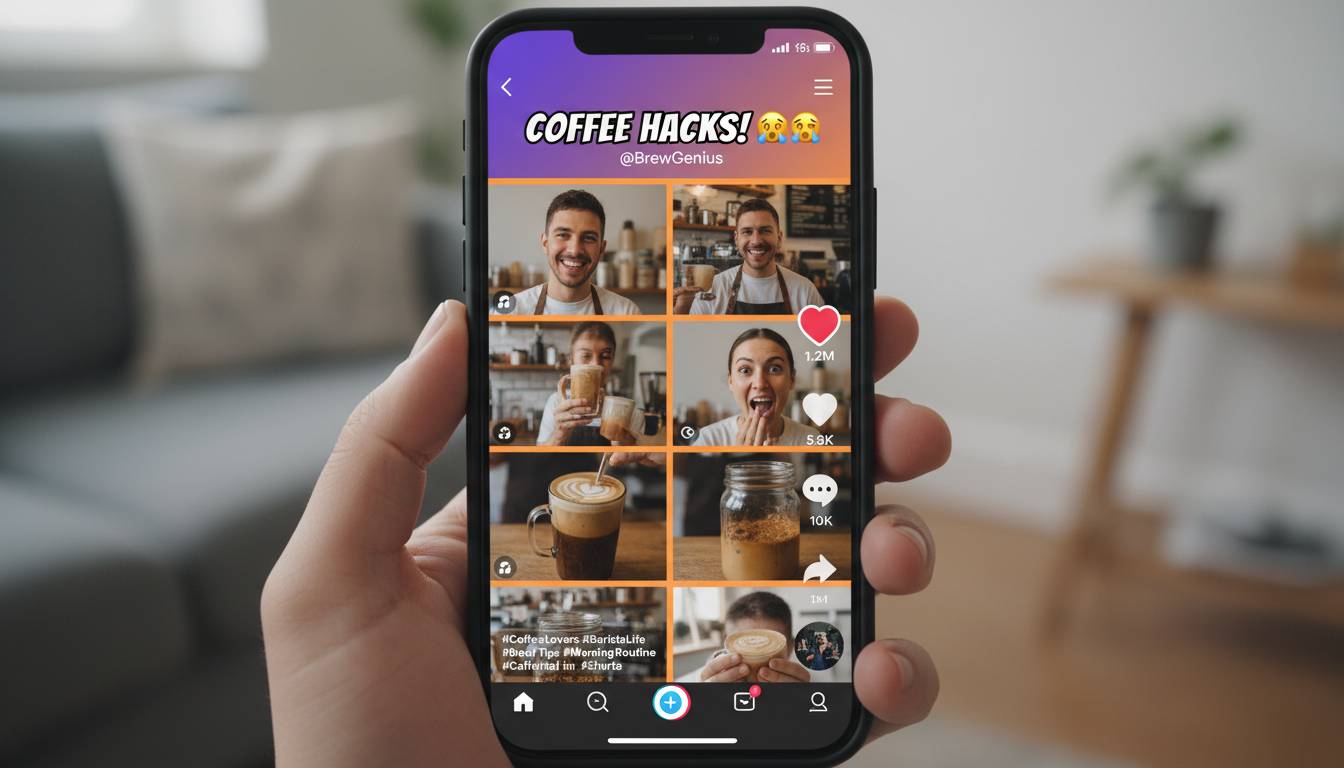
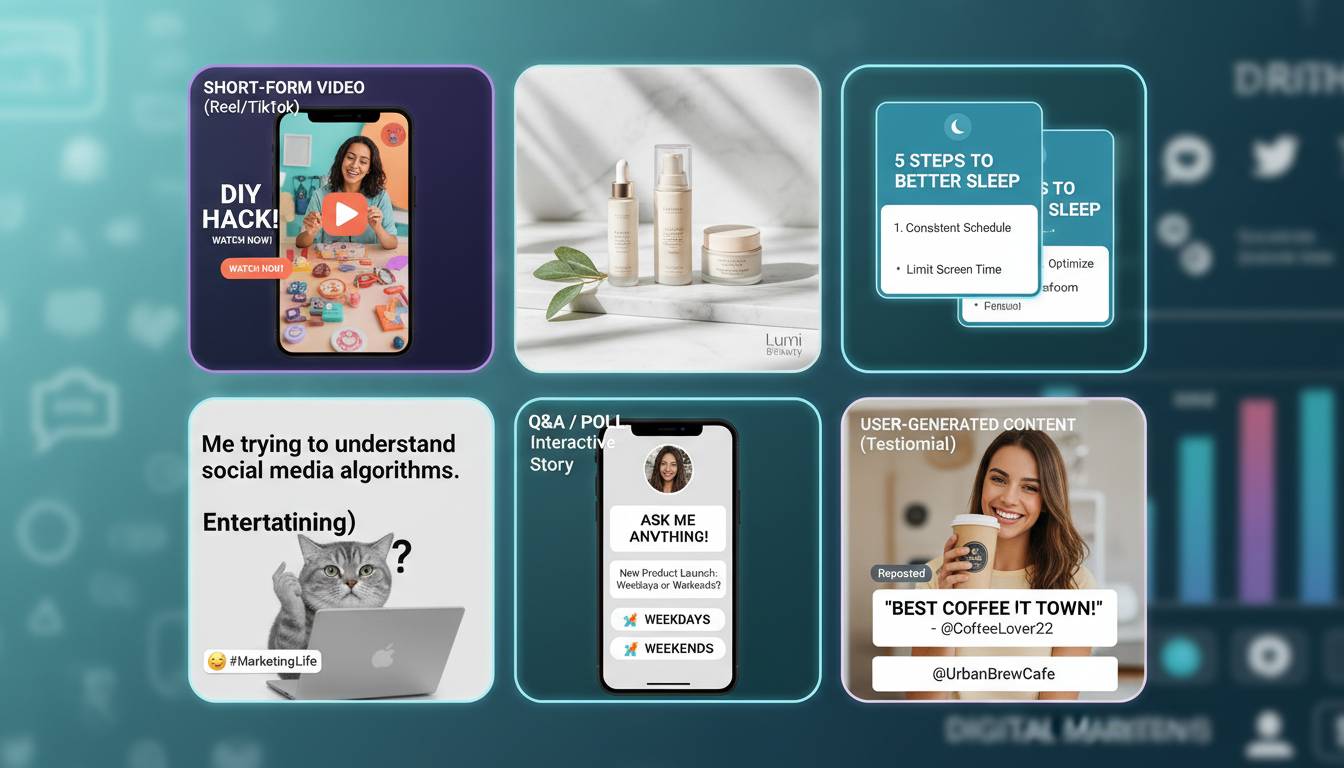
Short-form video is the main event across every platform that matters. TikTok, Instagram Reels, and YouTube Shorts pull in billions of views daily. If video isn’t part of your strategy, you’re already behind.
The format works because it fits how people actually consume content now. Research shows people remember more from a 60-second video than from a longer article. Brands are responding by putting more of their budget toward video—some are spending over 60% on video content alone.
Algorithms have gotten much better at spotting engaging content. The first three seconds matter enormously—videos that hook fast get way more distribution. This has pushed marketers to get sharper with their openings and visual storytelling. The phrase “thumb-stopping creative” gets thrown around a lot, but the idea is real: you’ve got to interrupt the scroll.
Live streaming has grown too. Platforms are prioritizing real-time content in their recommendations, and live shopping is proving effective. Combine entertainment with a way to buy immediately, and you get conversion rates that beat traditional social ads by a significant margin.
The tricky part? Balancing scale with authenticity. Audiences can tell the difference between polished corporate content and something that feels genuine. The brands doing this well mix professional quality with raw, relatable moments—imperfections and all.
Shopping On Social Is Finally Normal
Social commerce has crossed into the mainstream. Platforms have built out full e-commerce systems now—you can discover something, read about it, and buy it without ever leaving the app.
Instagram Shopping and Facebook Marketplace have expanded. TikTok Shop has become a legitimate retail destination. The checkout experience is smoother, and completion rates are noticeably higher than when you’re routed to an external website.
This has created new marketing jobs focused specifically on social selling. Influencer deals now routinely include product tagging, in-app storefronts, and affiliate links. When products are purchased through these integrated features, conversion rates jump—sometimes 30% higher than the old link-out approach.
User-generated content drives a lot of this. People trust other people—not brands. Reviews, unboxing videos, customer photos, peer recommendations: that’s what moves product now. Brands that actively encourage and feature customer content get the benefit of social proof while also building community around what they sell.
If your mobile experience is slow or your checkout is clunky, you’re losing sales. One-tap purchasing is becoming the norm, and the bar keeps rising.
Building Communities Beats Broadcasting
The brands that are winning in 2025 don’t treat social media as a megaphone. They treat it as a place to build actual communities.
Private spaces—Discord servers, Facebook Groups, even niche platform communities—have become serious marketing assets. These places generate engagement and word-of-mouth that paid ads can’t buy. Companies investing in community management say their customers stick around longer and spend more over time.
User-generated content campaigns have gotten more sophisticated than hashtag contests. The best ones now involve customers in the actual creation process—co-developing products, shaping marketing messages, helping define the brand. When people feel like they helped build something, they become advocates.
Employee advocacy is also gaining ground. When staff share company content through their personal accounts, it humanizes the brand and extends reach organically. Content shared by employees tends to get three times more engagement than the same content posted on brand channels.
And don’t overlook micro-influencers. They have smaller audiences, sure—but those audiences are highly engaged and trusting. A recommendation from someone you actually know and follow carries way more weight than a celebrity shoutout.
Privacy Changes Are Reshaping Everything
Regulations and platform changes have turned the data landscape upside down. If you’re still operating like it’s 2023, you’re in trouble—both from regulators and from audiences who don’t trust you.
Third-party cookies are basically dead. The brands doing well now focus on building direct relationships: email signups, app downloads, loyalty programs. First-party data gives you better targeting and lower acquisition costs, since you’re not constantly re-investing to find new audiences.
Platform privacy controls have also limited what you can track. More people are blocking analytics. That means contextual targeting—showing the right content in the right context—is making a comeback. And it means your creative has to work harder. You can’t just rely on precise targeting to save a mediocre ad.
Transparency is actually becoming a selling point. Brands that explain what they do with data and give people real choices about privacy build more trust. That trust translates into better engagement and more willingness to share information when there’s a clear benefit.
One more thing: younger consumers care about sustainability and ethical practices. Content that addresses environmental issues, social responsibility, and corporate ethics performs well—and it builds brand equity that lasts.
What This All Means
The trends of 2025 show social media growing up. It’s no longer an experiment or a nice-to-have add-on—it’s core infrastructure for how businesses work with customers.
The brands that will do well are the ones that figure out how to use these powerful tools (AI, video, commerce features, communities) without losing the human connection that actually builds loyalty. Technology is the enabler, not the point.
Success this year requires adaptability. New formats keep emerging. Platforms keep changing their rules. The brands that thrive are the ones that stay curious, keep testing, and remember that behind every data point is an actual person looking for something useful or entertaining.
Common Questions
What’s driving social media marketing in 2025?
The biggest shifts are AI-powered content tools becoming standard, short-form video staying dominant, shopping features built directly into platforms, a focus on community over broadcasting, and the move toward privacy-first strategies that rely on first-party data instead of third-party cookies.
Is TikTok still worth using for business?
Yes—TikTok continues growing and has become a major commerce platform through TikTok Shop. If you’re targeting younger audiences, it’s essential. Even for other demographics, the engagement levels are worth the investment.
Which platform should my business focus on?
It depends on your audience. Instagram and TikTok work best for visual brands targeting millennials and Gen Z. LinkedIn is still the place for B2B. Facebook reaches older and broader demographics. YouTube dominates for long-form video. Most brands need to be on more than one.
How exactly is AI being used in social marketing?
AI helps create and optimize content, improve targeting, predict trends, run customer service chatbots, and automate posting schedules. Platforms themselves also use AI to help creators with scriptwriting, editing, and performance predictions.
Where is all this heading?
Expect more AI integration at every level, social commerce getting even bigger, community building mattering more than ever, and privacy rules tightening. Brands that balance technology with genuine human connection will come out ahead.