Social Media Trends 2024: What’s Hot & What Works Now

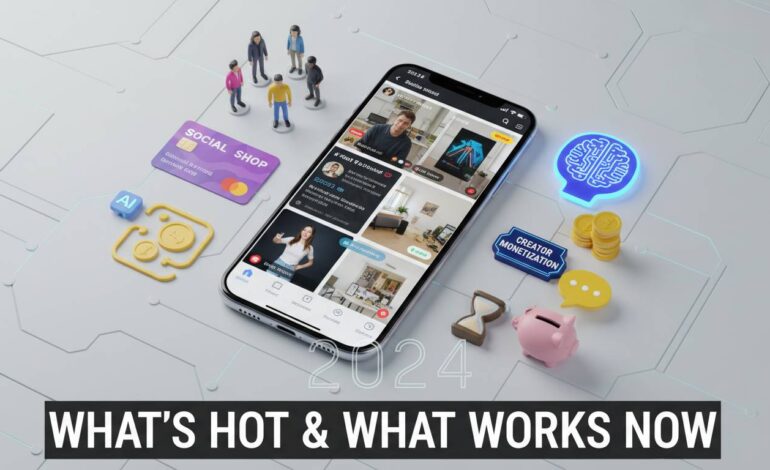
The social media landscape keeps shifting in 2024, and honestly, it’s getting harder to keep up. How brands connect with people has changed pretty dramatically—from short-form video taking over to AI showing up in everyone’s content toolkit. If you’re marketing anything online right now, understanding these shifts isn’t optional anymore. It’s table stakes.
This guide breaks down the biggest developments shaping the industry this year and gives you practical ways to actually use them.
Short-Form Video Keeps Winning
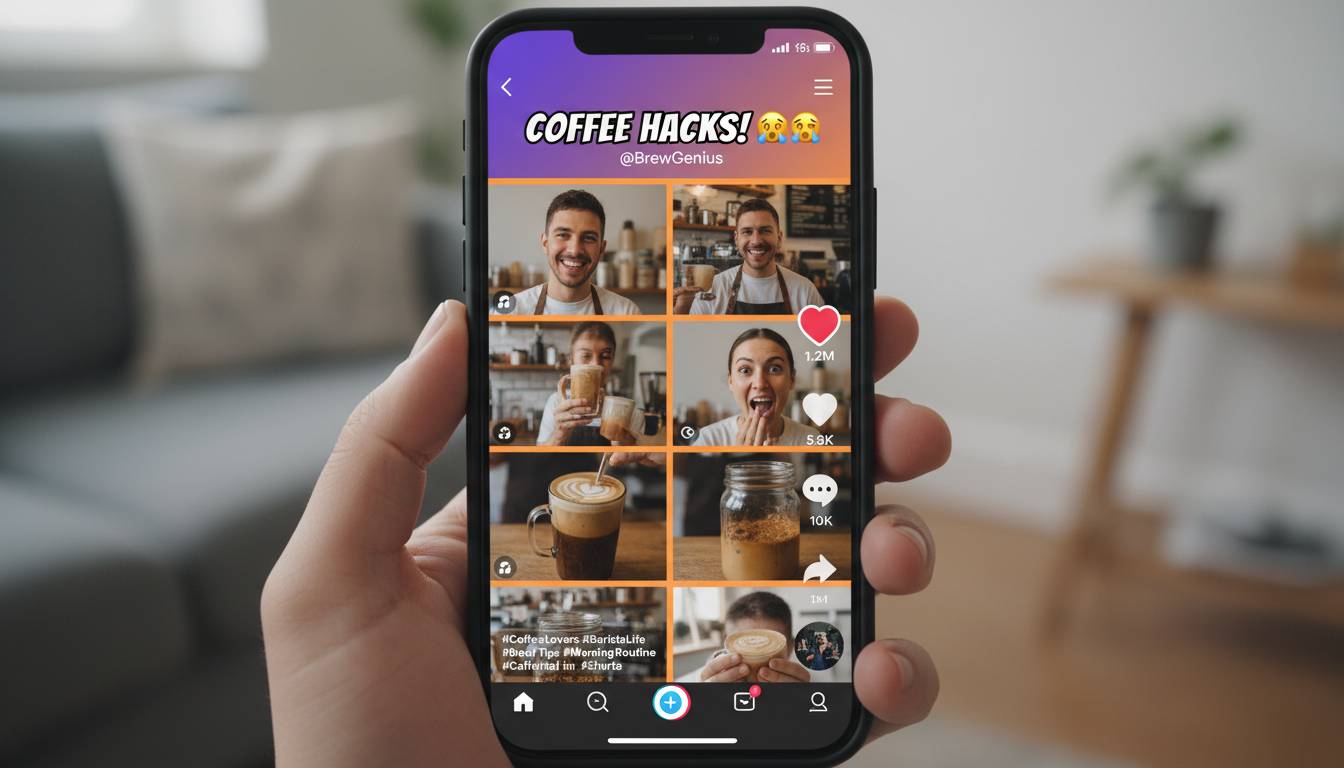
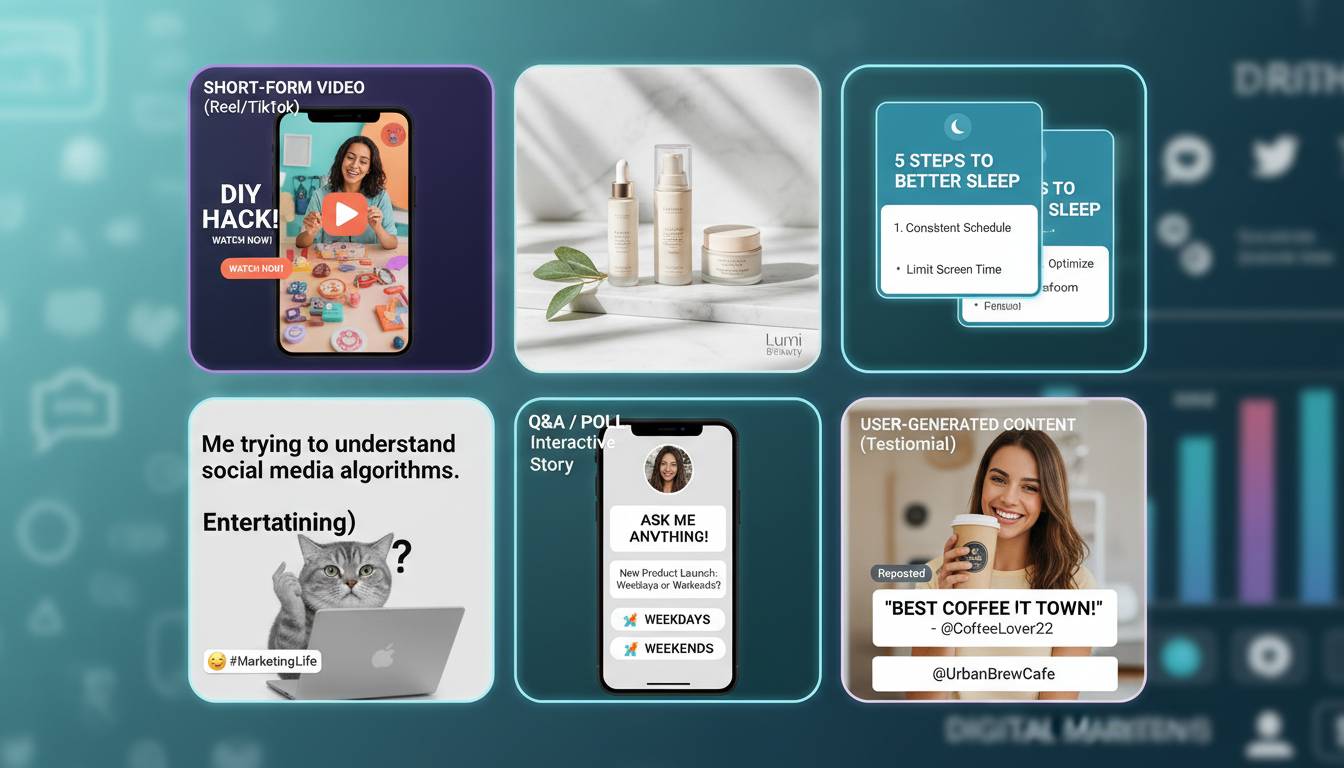
Short-form video isn’t just popular anymore—it’s basically the whole game. TikTok, Instagram Reels, and YouTube Shorts have completely changed how people scroll through content. The numbers don’t lie: short videos pull way more engagement than static images on just about every platform that matters.
Here’s the thing—people’s attention spans have shrunk to about 1.7 seconds. That’s barely enough time to register what you’re seeing before you’re past it. Brevity isn’t just nice to have anymore. It’s the price of entry. Brands that figured this out are seeing real growth in reach and awareness.
The format works because it’s easy to make and easy to watch. Anyone with a phone can create something, and anyone can watch it between meetings or while waiting for coffee. That accessibility creates this feedback loop where more people create, more people watch, and the whole thing keeps growing.
If you’re not putting video first in your social strategy at this point, you’re already behind. The flexibility is huge—you can show products, give behind-the-scenes looks, teach something, or just entertain people, all in under 60 seconds.
AI Is Changing How Content Gets Made
Artificial intelligence has become a real tool for content creation in 2024. Machine learning now helps with writing captions, editing videos, figuring out what’s trending, and even deciding when to post. This is one of the bigger shifts happening right now—it’s getting easier to make decent content, which means everyone’s standards have gone up.
There’s been some friction around AI-generated content though. People want to know what was made by a human versus a machine. Platforms have started requiring labels on AI-assisted posts, and honestly, that’s probably going to become standard. Trust matters, and transparency about tools seems to be part of building that.
The brands seeing the best results aren’t relying on AI alone. They’re using it to handle the repetitive stuff—scheduling, basic editing, caption drafts—and keeping the human element for the parts that actually connect with people. The emotional stuff still needs a person behind it.
Platform-by-Platform Breakdown
TikTok Is Still Growing Fast
TikTok keeps pulling in new users across more age groups than it started with. What was once just a place for Gen Z to dance has turned into a serious marketing channel. The algorithm deserves credit—it finds relevant content for people regardless of how many followers they have. That’s a big deal for anyone trying to build an audience from scratch.
The shopping features on TikTok are actually working. Shopify merchants using the platform have seen real revenue come through. The line between entertainment and buying stuff keeps getting blurrier, and other platforms are definitely paying attention.
Instagram Keeps Evolving
Instagram has been pushing hard on Reels while staying true to its lifestyle-platform roots. The new AI editing tools and better ways for creators to make money show they’re fighting to keep people on the platform instead of losing them to TikTok.
The algorithm situation has gotten better—people complained a lot about discoverability, and it seems like Instagram actually listened. It’s still a visual-first platform with solid ad tools, which makes it a must for brands that care about aesthetics and influencer work.
LinkedIn Got Interesting
LinkedIn stopped being boring in 2024. Short-form video and personal branding content are finding audiences there now, which surprised a lot of people who thought of it as just a job board.
The platform now rewards people who engage and comment, not just those posting links to articles. Professionals are building real followings by sharing useful insights, which has opened up opportunities that didn’t exist there before.
Influencer Marketing Is Growing Up
Influencer partnerships have gotten more sophisticated. Brands are moving past simple sponsorship deals into longer-term relationships that feel more real.
The follower count obsession is fading. Engagement quality often matters more than raw numbers, and brands are starting to get that. Micro-influencers sometimes deliver better results than the big names.
Rules around disclosure have gotten stricter—both platforms and regulators are requiring clearer identification of sponsored posts. Counterintuitively, this has actually built more trust when it’s done right.
Creators themselves have more options now. They’re not just dependent on brand deals. Subscription models, selling merchandise, and direct fan interactions give them multiple income sources, which means they’re less desperate for any single partnership.
Shopping Directly on Social Is Normal Now
Social commerce crossed a threshold this year. You can now buy things without ever leaving Instagram, TikTok, or Facebook. What was experimental is now a real sales channel.
People expect to discover and buy products without switching apps. That’s forced brands to treat content and sales as one thing rather than separate efforts.
The social proof stuff works—reviews, customer photos, live shopping events all drive conversions. Brands using these features are seeing better results than with traditional advertising.
Real Beats Perfect
People are tired of polished corporate content. Authenticity actually wins now—raw, unfiltered posts often outperform the slick stuff. People want to feel like they’re interacting with actual humans, not marketing departments.
Private communities have grown too. Discord servers, private Facebook groups, subscribers-only spaces—people want deeper connections beyond the public feed. It’s harder for brands to scale, but the engagement is stronger.
User-generated content has become genuinely valuable. When real customers make content about your brand, it carries more weight than anything you can pay for. Smart brands actively encourage this.
Temporary Content Found Its Purpose
Stories and disappearing content have evolved past just casual sharing. They’re now used for building urgency and making people feel like they’re getting something exclusive. The format reduces the pressure people feel with permanent posts.
Users still want options—close friends features, restricted audiences, disappearing content. People want to be real without it living forever.
Frequently Asked Questions
What are the biggest social media trends in 2024?
Short-form video dominance, AI content tools, integrated shopping features, and the authenticity push are the biggest ones. Platforms keep evolving to support creator monetization and make buying stuff seamless.
Which platform is growing fastest?
TikTok is still the fastest-growing major platform, adding users across demographics. But LinkedIn has been a surprise—it’s become actually interesting for professional networking and content.
How is AI changing social media marketing?
AI helps with writing, scheduling, customer service, and ad targeting. The efficiency gains are real, but the human element still matters for building real connections.
Is social media marketing still effective?
Yes, if you’re doing it right. The difference now is that video is essential, authentic engagement beats broadcast tactics, and shopping features need to be part of your strategy.
Why does authenticity matter so much now?
People have seen enough polished corporate content to spot it immediately. Brands that show real personality, acknowledge messups, and engage honestly build more loyal followings.
What should small businesses focus on?
Pick one or two platforms instead of trying to be everywhere. Be consistent. Actually talk to your followers. Encourage customers to share their experiences. You don’t need a big budget—you need real interaction.
Looking Forward
These trends reflect bigger shifts in how technology and culture intersect online. Video, AI, shopping integration, and the authenticity demand—all of it together makes this a turning point for the industry.
Brands that adapt without losing the human touch will do fine. The ones that don’t will fade away.
The only prediction you can confidently make is that things will keep changing. The creators and brands set up for success are the ones who stay flexible while holding onto the basics: actually connecting with people and providing value. That’s never going out of style.