Social Media Trends 2024: What’s Hot & What’s Not

Social media moves fast. If you blinked in 2023, you probably missed three platform pivots and a new algorithm update. This year hasn’t slowed down—here’s what’s actually shaping how we post, scroll, and buy online.
AI-Powered Content Creation
AI tools have become普通 (ordinary) in most marketing toolkits. About 65% of marketers say they use AI somewhere in their workflow—caption writing, image editing, scheduling. It’s not futuristic anymore; it’s just part of the job.
Platforms have gotten in on the action too. Instagram added AI background tools. TikTok offers script helpers. These features let small creators make content that would’ve needed a whole team five years ago.
But there’s a trade-off. When everyone uses the same AI prompts, content starts looking the same. We’re seeing a weird homogenization where posts across brands feel interchangeable. Some creators push back intentionally, advertising their fully manual process as a differentiator.
Short-Form Video Still Dominates
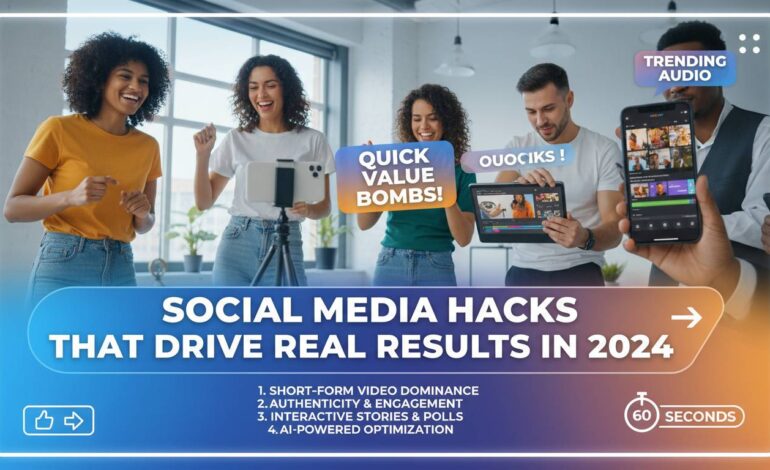
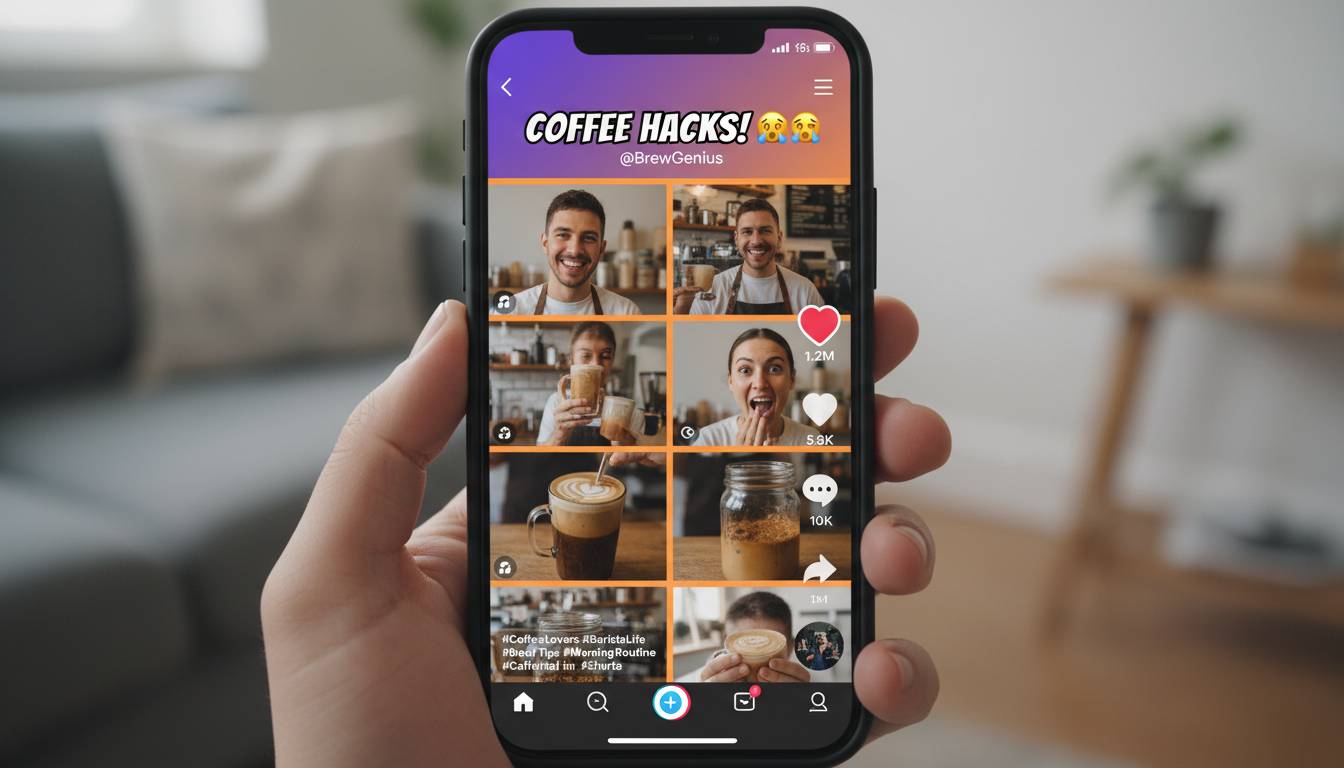
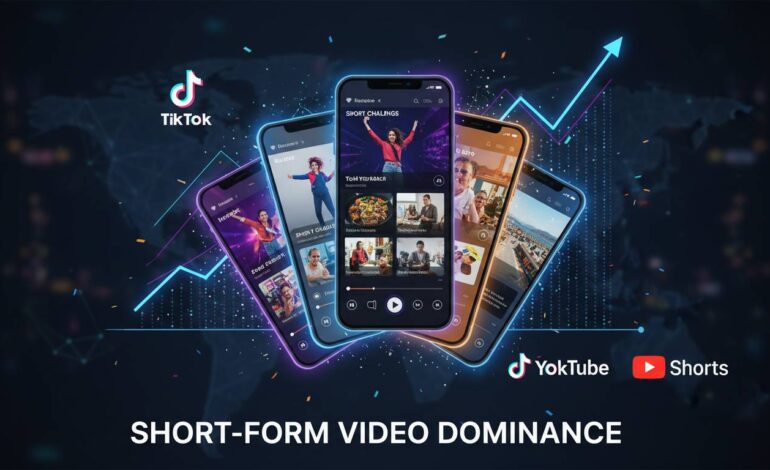
Short video isn’t just popular—it’s basically the whole internet now. TikTok, Instagram Reels, and YouTube Shorts eat up most of the time people spend scrolling. The numbers are absurd: this format pulls about 2.5 times more engagement than static images.
Platforms keep stretching time limits. Instagram pushed Reels to 90 seconds, which feels like a short film compared to the original 15 seconds. The logic is clear: people want slightly longer content that still moves fast.
The brands winning here figured out the rhythm. Raw, slightly chaotic videos beat polished brand content almost every time. Think phone-recorded updates over studio shoots.
Platform Hopping Is the New Normal
Remember when everyone picked one platform and focused there? That’s basically over. The “don’t put all your eggs in one basket” mentality went mainstream. Creators and brands now spread across TikTok, Instagram, YouTube, Threads, LinkedIn—wherever their audience hangs out.
Threads grabbed a lot of Twitter refugees looking for text-based conversation. LinkedIn got unexpectedly cool for professional content. Smart marketers stopped copy-pasting the same post everywhere and started tailoring to each platform’s specific vibe.
This fragmentation is exhausting, honestly. But it’s also forced everyone to think harder about where their actual people are versus where they assume they should be.
Influencer Deals Are Getting More Real
The big splashy sponsored posts with mega-influencers still happen, but the interesting shift is toward smaller creators. Micro-influencers (10K-100K followers) and even nano-influencers (1K-10K) often deliver better results. Their engagement rates can hit 7%+ compared to the 1-2% you’d see from someone with millions of followers.
Brands are learning that a smaller, more connected audience beats a massive indifferent one. Long-term ambassador deals are replacing one-off sponsored posts. Some companies now pay creators a monthly retainer just to exist in their content organically.
Communities Beat Follower Counts
The new growth strategy isn’t getting more followers—it’s building actual communities. Private Discord servers, Instagram groups, brand forums. Places where people talk to each other instead of just consuming.
Why the shift? Algorithms change constantly and always will. But a community of dedicated members? That’s harder to lose. Companies with strong communities report higher customer lifetime value and better product feedback. When your audience is a community, they’re more forgiving when you mess up.
Imperfect Content Wins
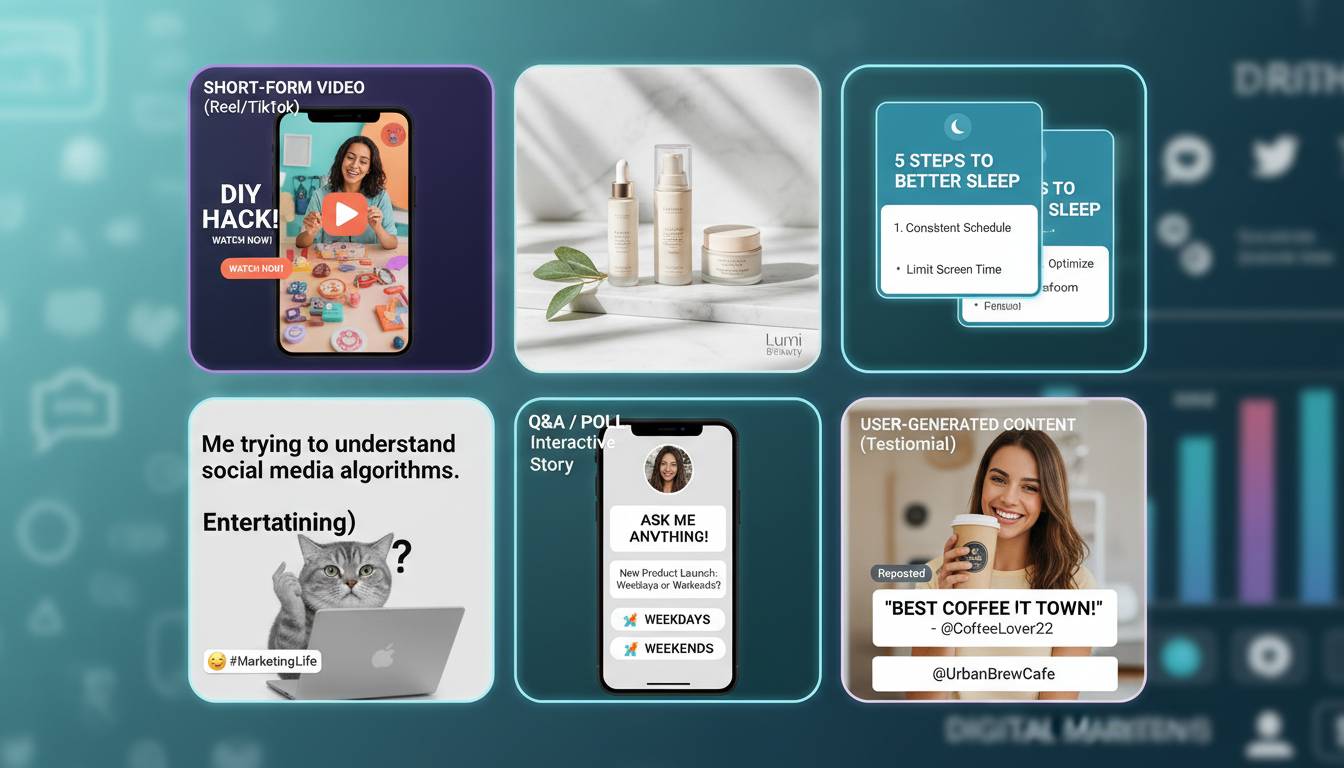
The ultra-polished aesthetic peaked and is receding. People want to see the mess behind the products. Behind-the-scenes footage, user-generated posts, raw updates. The “I just woke up like this” energy resonates more than the studio-lit brand shoot.
Platform algorithms actually reward this. Authentic engagement (comments, shares, saves) matters more than polished production value now. Some of the most successful brand accounts have deliberately messy aesthetics.
Shopping Keeps Getting Easier
Buying stuff without leaving the app became normal in 2024. Instagram shoppable posts, TikTok’s checkout feature, Facebook Marketplace—all of it works now. The friction between “that’s cool” and “I bought it” basically disappeared.
Live shopping is the weird one that actually stuck around. Brands broadcasting and selling simultaneously report conversion rates way above normal e-commerce. Some make 30% of sales through live events. It’s like QVC for the TikTok generation.
Privacy Matters Again
People actually care about data privacy now in a way they didn’t a few years ago. Instagram and TikTok added more controls. Users got smarter about what they share. Finstas (secondary accounts for close friends only) became common.
This forces platforms to find less creepy ways to track people. For marketers, it means building direct relationships—email lists, phone numbers, ownable channels—instead of depending entirely on platform data.
Stories Aren’t Dead
Remember when everyone said Stories would fade? They haven’t. The temporary format still pulls strong engagement. People seem to like the lower-stakes vibe—no permanent record, no perfection pressure.
Brands got creative with it too. Limited-time offers, early access, inside jokes with loyal followers. Stories became a reward for the people who actually pay attention.
Audio Content Found Its Audience
Podcasts keep growing. Spotify, Apple, YouTube all invested heavily. Social audio rooms (Twitter Spaces, etc.) settled into niches rather than exploding, but they have dedicated users—especially in professional and tech communities.
The mashups got interesting. Podcast clips cut into short videos. Audio-driven visual content. Creators finding ways to repurpose one thing into five formats.
Where This Leaves Us
The big picture for 2024: social media matured past the vanity metrics era. Follower counts matter less. Reach matters less. What matters is whether anyone actually cares enough to engage, buy, or stick around when the next platform launches.
The brands winning are the ones treating social as community infrastructure rather than broadcast channels. Adaptability helps. Platform-specific thinking instead of one-size-fits-all strategies. Actually talking to people instead of at them.
Quick Answers
What’s driving social media right now?
AI tools in workflows, short video dominance, spreading across platforms instead of picking one, building actual communities instead of just accumulating followers, and posting messier, more real content.
Which platform is growing fastest?
Threads exploded early as a Twitter alternative. YouTube Shorts is catching up fast in short-form video. TikTok still leads overall but faces real competition now.
How are marketers using AI?
Writing captions, generating images, editing video, scheduling posts, targeting ads. Most major platforms added AI features directly into their creator tools.
Is TikTok still worth using?
Absolutely—it has over a billion monthly users. But the landscape changed. More platforms offer similar features, and some audiences are fragmenting to other places.
What should brands do differently this year?
- Post less polished, more real content
- Build communities, not just follower counts
- Tailor posts to each platform instead of copying everywhere
- Use AI for efficiency, but keep human judgment
- Focus on engagement quality over follower quantity
Influencers still matter?
They matter differently now. Smaller creators with engaged audiences often outperform big names. Long-term partnerships beat one-off sponsored posts. Authenticity matters more than reach.