Social Media Trends 2024: What Marketers Need to Know

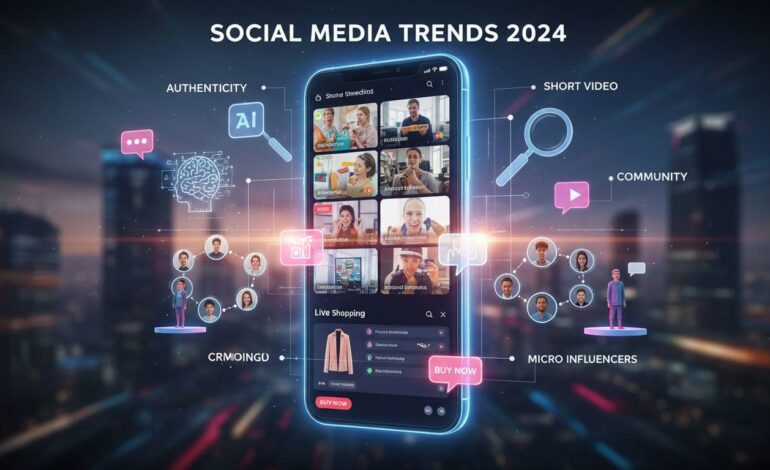
The social media landscape in 2024 keeps shifting under our feet. How brands reach people, how we all consume content—it’s changing fast, and keeping up has gone from “nice to have” to “actually necessary” if you want to stay competitive. This piece breaks down the biggest trends shaping digital marketing this year and what businesses can actually do with the information.
Short-Form Video Continues to Dominate
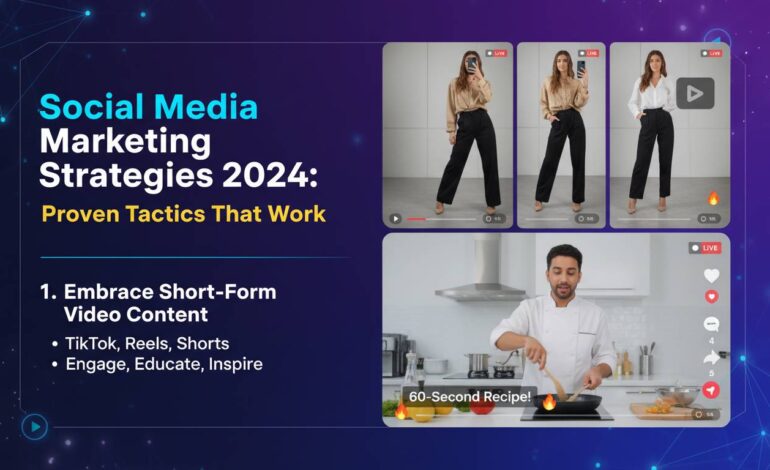
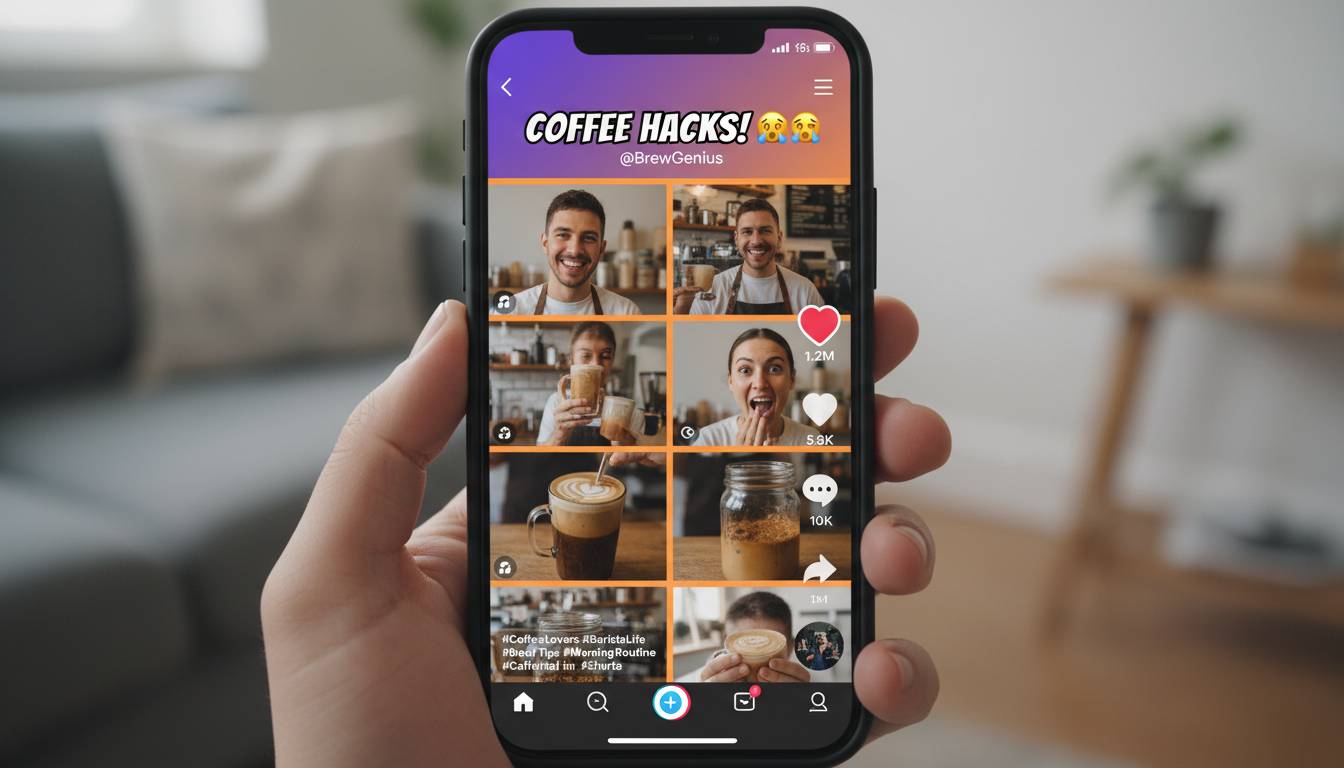
Short-form video is the king of content formats in 2024. TikTok leads the pack with over 1.5 billion monthly active users. Instagram Reels and YouTube Shorts have grown massively too—YouTube says Shorts pulls in more than 50 billion daily views.
The appeal is simple: people want quick, entertaining content that fits into their busy lives. Marketers have noticed, pouring budget into video production. Industry data shows short-form video consistently delivers the best return on investment. Platforms have responded by expanding creator payout programs, giving people real money for making good content.
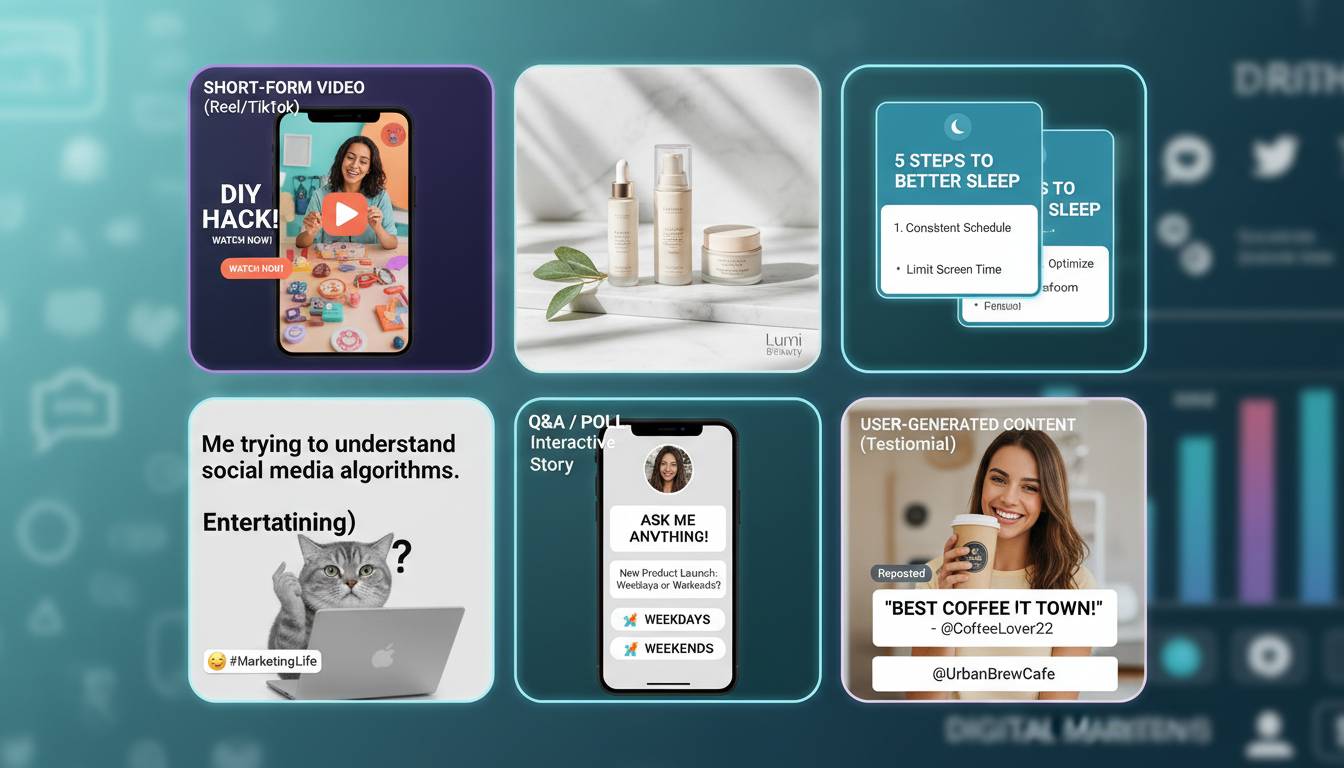
Here’s the thing though—audiences are tired of polished corporate content. Behind-the-scenes footage, raw unboxing videos, and stuff made by real users outperform slick ads. Smaller brands can actually compete here because what works is authenticity, not production budget.
AI Integration Transforms Content Creation
AI has woven itself into almost every part of social media operations. Meta, Google, and TikTok all offer AI tools built into their creator platforms—automated captions, content ideas, predictive analytics.
Generative AI has changed how content gets made. Marketers use it to write copy, create image variations, and sketch out video ideas. About 65% of marketing professionals now use some form of AI in their social media work, up significantly from a few years ago.
But it’s not all upside. There’s growing concern about authenticity when AI-generated content looks exactly like human-made posts. Some platforms now require labeling AI-assisted content, and regulators are paying closer attention to transparency in digital ads. The balance marketers need to strike: use AI for efficiency without losing the genuine human connection that audiences actually want.
Social Commerce Experiences Significant Growth
Social commerce has come a long way in 2024. Instagram Shopping, TikTok Shop, and Facebook Marketplace have all improved their checkout flows—users can buy things without leaving the app. Analysts predict social commerce will hit about 20% of total e-commerce sales by year end.
This changes the game for how people discover and buy products. Instead of clicking through to a separate website, users move from watching content to buying in the same place. Live shopping has taken off in fashion and beauty, where seeing something demonstrated in real time drives purchases.
For marketers, this means rethinking the old sales funnel. Content strategy is now where conversion starts, not landing page design. Brands that do well invest in product tags, shoppable videos, and seamless checkout. Of course, collecting more transaction data means dealing with privacy regulations too—something that requires ongoing attention.
Creator Economy Maturation Changes Partnerships
The creator economy has grown up. Established creators now command real fees and push for better partnership terms. The old sponsored post model is giving way to longer ambassadorships and even equity deals that tie creators and brands together.
Micro and nano creators have become especially valuable. These folks typically have between 1,000 and 100,000 followers and often have higher engagement and more loyal communities than the big names. Data suggests nano-influencers generate about 60% higher engagement than macro-influencers while costing far less.
Platforms have built more creator monetization tools—subscriptions, tips, exclusive content. This professionalization has made creator partnerships more sustainable as a marketing channel, but it also means brands face higher expectations for proving ROI.
Privacy Changes Reshape Advertising Strategies
Privacy changes keep reshaping social media advertising. Apple’s App Tracking Transparency already hurt targeting accuracy, and similar privacy moves are happening elsewhere.
Marketers have adapted by moving away from precise targeting toward broader audience groups and contextual advertising. Building first-party data—email lists, app signups, community—is now a strategic priority. This represents a real shift in how marketers think about building audiences.
Third-party cookie deprecation has accelerated this change. Platforms are rolling out new ad solutions that try to balance personalization with privacy. Conversions API and server-side tracking have become must-have tech for measuring campaign performance. Brands that handle this transition well will have an advantage going forward.
Platform Diversification Becomes Strategic Priority
Spreading risk across multiple platforms has become a core part of social media strategy. Regulatory uncertainty around TikTok has pushed many brands to reduce their reliance on any single platform.
LinkedIn has grown a lot as a B2B marketing tool—over 900 million members and more engagement across professional content. Changes to LinkedIn’s algorithm that favor personal content over company pages have created opportunities for individual thought leaders.
Emerging platforms are also getting marketer attention. Reddit’s ad business has grown substantially as brands see value in reaching users in community contexts. Nextdoor has developed as a local marketing channel for businesses targeting nearby customers.
Conclusion
The social media trends of 2024 point to a maturing ecosystem where authenticity, efficiency, and adaptability determine who succeeds. Short-form video, AI tools, social commerce, creator partnerships, privacy changes, and platform diversification all shape the landscape marketers need to navigate.
Brands that embrace these shifts while keeping real audience connections will be well positioned for growth. For marketing professionals, the main takeaway is this: flexibility and continuous learning aren’t optional anymore—they’re essential as the social media world keeps evolving.
Frequently Asked Questions
What are the biggest social media trends in 2024?
The biggest trends are short-form video dominance, AI showing up everywhere in content creation and targeting, social commerce getting bigger, the creator economy maturing, ongoing privacy changes affecting ads, and brands spreading across more platforms instead of depending on one.
Which social media platform should my business focus on in 2024?
It depends on your audience. TikTok and Instagram Reels work well for younger crowds. LinkedIn is the best bet for B2B. Facebook still delivers for local businesses and older demographics. Figure out where your people spend time, then focus there.
How is AI changing social media marketing?
AI is automating content creation, making audience targeting smarter, providing predictive analytics for campaign tweaks, and powering chatbots for customer service. The platforms themselves keep adding AI features directly into their creator and advertising tools, so these capabilities are becoming available to more marketers.
Is TikTok still growing in 2024?
Yes. TikTok has over 1.5 billion monthly active users globally and keeps growing. They’ve expanded shopping features and continue pulling in younger users. That said, regulatory questions in some markets create uncertainty that marketers have to factor into their plans.
How important is social commerce in 2024?
Pretty important. Projections put social commerce at around 20% of total e-commerce by end of year. Platforms have invested heavily in making the purchase process seamless—integrated checkout, shoppable content. For many brands, it’s become a legitimate primary sales channel.
What is the best content strategy for social media in 2024?
Focus on authentic short-form video that actually connects with your audience. Consistency matters, as does engaging with your community and testing new formats early. Beyond that, invest in creator partnerships, build your first-party data, and don’t put all your eggs in one platform basket.