Social Media Trends 2024: The Biggest Changes Coming

If you’ve felt like social media moved even faster this year, you’re not imagining things. 2024 has been a strange one—the algorithms feel more aggressive, video keeps getting shorter, and honestly, a lot of what we thought we knew about marketing is being thrown out the window. Let me walk through what’s actually happening.
AI Is Here Whether You Like It or Not
AI tools have gone from “interesting experiment” to “basically required” for anyone doing social media professionally. Meta added AI features to Instagram and Facebook—auto-captions, content suggestions, the whole thing. TikTok’s recommendation system got even more sophisticated at keeping you scrolling.
Here’s the number that stuck with me: 73% of marketers now use AI for social content creation, up from 27% in 2022. That’s a massive jump in just two years. The interesting part isn’t just efficiency—it’s that AI-assisted posts are actually getting better engagement in most cases. The catch? People are getting better at spotting bot-generated content, so there’s a real tension between scaling up and staying authentic.
Beyond content creation, AI chatbots are handling initial customer service inquiries for brands. Retail, banking, you name it. Twitter (X) and Instagram opened up their APIs more, so businesses can respond to a lot more messages without hiring proportionally more people.
Short-Form Video Took Over Everything
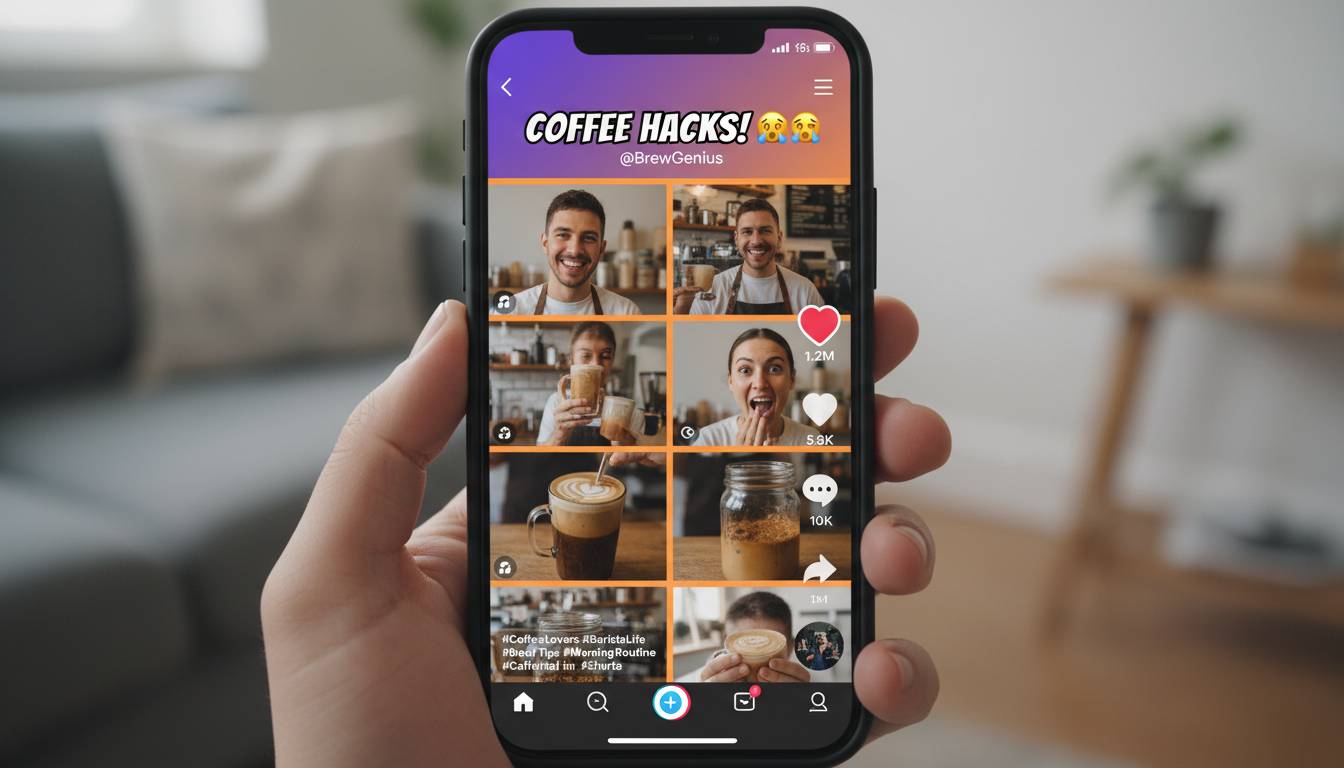
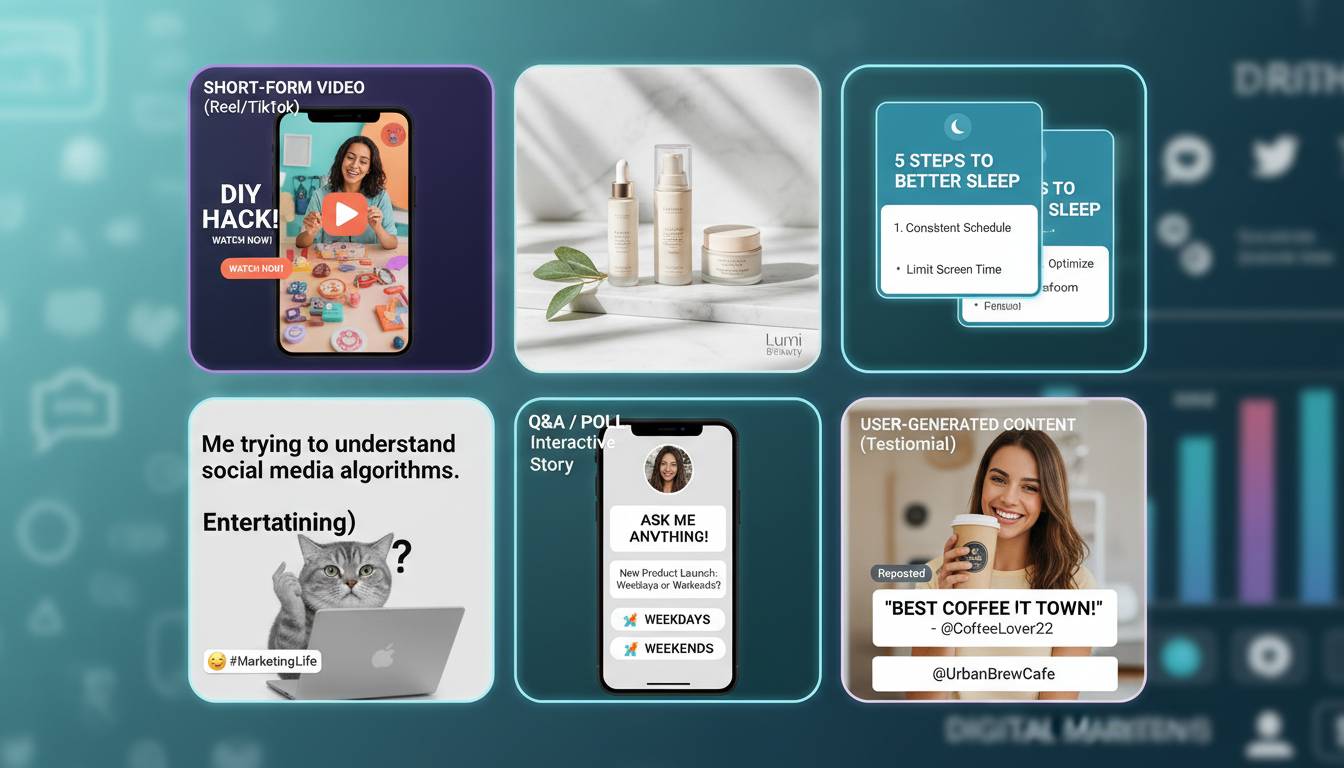
This is the big one. Short-form video—TikTok, Reels, Shorts—has completely eaten every platform. Instagram now says Reels make up over 40% of what people post there. YouTube Shorts is hitting 50 billion daily views. Facebook essentially rebuilt its mobile app around algorithmic video feeds.
For creators who built audiences with written posts or longer videos, this has been brutal. The “optimal” video length keeps shrinking—60 seconds was the benchmark in 2022, now it’s under 30 seconds for best engagement. Brands are producing way more content to stay visible. Some marketing teams went from weekly videos to daily.
And of course, advertisers are paying premium rates for short-form video. The conversions are better, but so are the production expectations. It’s gotten expensive.
Shopping Got Way Easier on Social Media
Instagram and TikTok now let you buy stuff without leaving the app. No more clicking through to a website—the whole transaction happens in the app. TikTok Shop grew insanely fast in beauty, fashion, and electronics.
The numbers are wild: social commerce in the US is projected to pass $100 billion in 2024, up 25% year-over-year. Facebook and Instagram together facilitate over $200 billion in transactions annually. That’s bigger than most dedicated e-commerce platforms.
For small businesses, this opened up direct-to-consumer selling in a way that wasn’t possible before. Shopify integrates with everything, creators get affiliate commissions automatically. But yeah, the marketplace got a lot more crowded too.
Privacy Changes Are Messing With Everything
Remember when everyone freaked out about Apple’s App Tracking Transparency? That was just the beginning. Third-party cookies are dying, and Meta took a revenue hit from the iOS changes. They’ve been pouring money into alternative measurement tools that don’t rely on tracking people across websites.
The big shift: brands need first-party data now. Email lists, loyalty programs, content that makes people voluntarily give you their info. Platforms are building out their own analytics instead of letting advertisers rely on outside tracking.
Here’s the honest truth—accurate conversion tracking is harder now. Attribution models that worked before don’t work the same way. Multi-touch models and incremental measurement are the new normal, but nobody’s figured out a perfect solution.
The Creator Economy Got More Professional
Being a “creator” is now a legitimate career path, which means it’s also gotten more competitive. The big platforms—TikTok, YouTube, Meta—all have creator funds paying people who hit certain audience thresholds. Brand partnership deals got more formalized with actual marketplaces connecting creators and advertisers.
The creator economy is projected to generate over $25 billion globally this year. But the money isn’t spread evenly—top influencers make most of it, while everyone else struggles. Diversifying income across platforms and revenue streams (Patreon, subscriptions, affiliates) became essential.
Most creators now spread themselves across multiple platforms rather than going all-in on one. Smart move, given how fast algorithms change.
What the Platforms Are Doing
X (Twitter) went through… a lot. Premium subscriptions trying to make up for ad revenue drops. Meanwhile, Threads and BlueSky each got millions of users looking for alternatives, though neither has really challenged the big players yet.
The surprise winner might be LinkedIn. The professional network hit over 1 billion members, and engagement is way up—particularly among younger professionals. They added video, newsletters, events. It’s not just for job hunting anymore.
One interesting shift: people are using more platforms but spending less time on each. Average person actively uses 4-6 platforms regularly, but time per platform dropped. Fragmentation is real.
What This Means For You
Look, the social media world isn’t slowing down. If anything, it’s getting more chaotic. The brands and creators doing well are the ones treating this as experimental and iterative rather than looking for a permanent strategy.
The basics still matter—know your audience, show up consistently, try new formats early. But there’s no shortcut to building real community. The algorithms change, the formats change, but people still want to connect with something genuine.
What platforms should my business focus on?
Depends on who you’re trying to reach. Consumer brands targeting younger crowds need Instagram and TikTok. B2B? LinkedIn is non-negotiable now. Most businesses benefit from being on a few platforms rather than going all-in on one.
Is short-form video worth it for small teams?
Yes. It’s the highest-engagement format across the board, and you don’t need expensive production. Phone-quality content often works better than polished stuff anyway. Start simple.
How do I deal with the privacy changes?
Build your email list. Create content worth signing up for. Get good at reading platform analytics instead of relying on third-party tracking. Influencer partnerships and contextual advertising help too.
Do influencers still matter?
They do, but it’s evolved. Micro-influencers (10k-100k followers) often get better engagement than celebrities. Authenticity matters more than follower count. Long-term partnerships beat one-off sponsored posts.