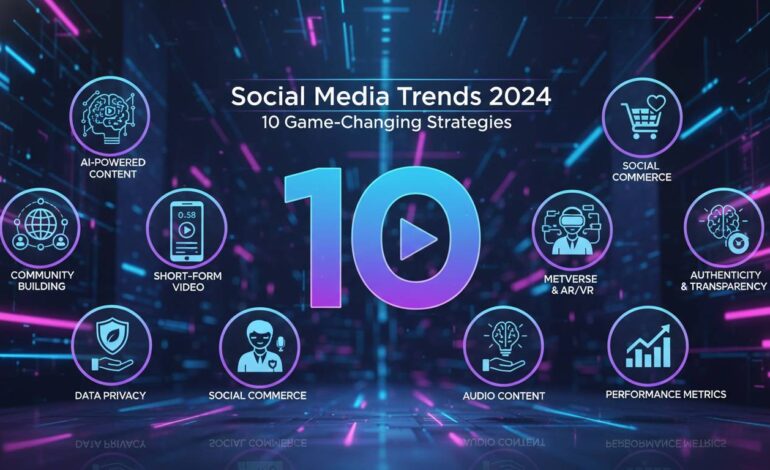
Social Media Trends 2024: 10 Game-Changing Strategies

The social media world shifted noticeably in 2024. If you’ve been paying attention to your own feed, you probably noticed—algorithms got sharper, video kept eating everything, and the old playbooks started feeling stale. Here’s what’s actually going on and what you can do about it.
AI Got Real
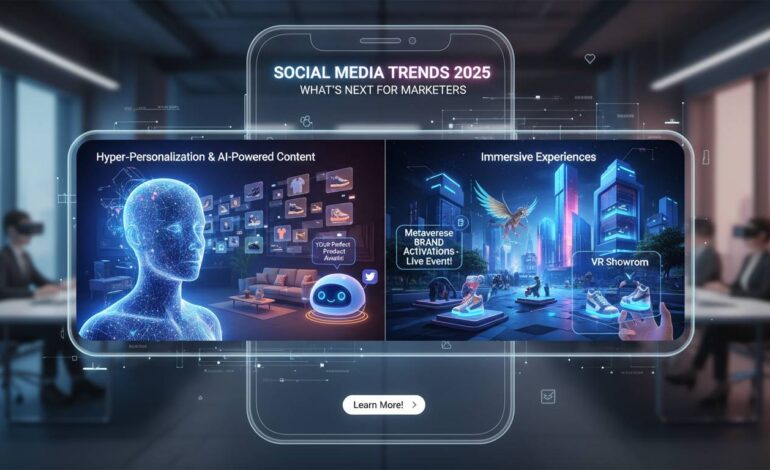
Let’s be honest: AI tools are everywhere now. Most marketers (about 60%, if you trust the surveys) are using them in some form. Captions write themselves, hashtags get suggested automatically, and scheduling happens while you sleep.
But here’s the thing audiences are picking up on: the stuff that feels like a robot wrote it doesn’t perform well. The brands doing well in 2024 figured out a simple rule—let AI handle the busywork (scheduling, resizing, drafting variations), but keep the actual voice human. Nobody wants to feel like they’re talking to a machine, and people can tell when a brand has fully automated its personality.
Short-Form Video Isn’t Going Anywhere
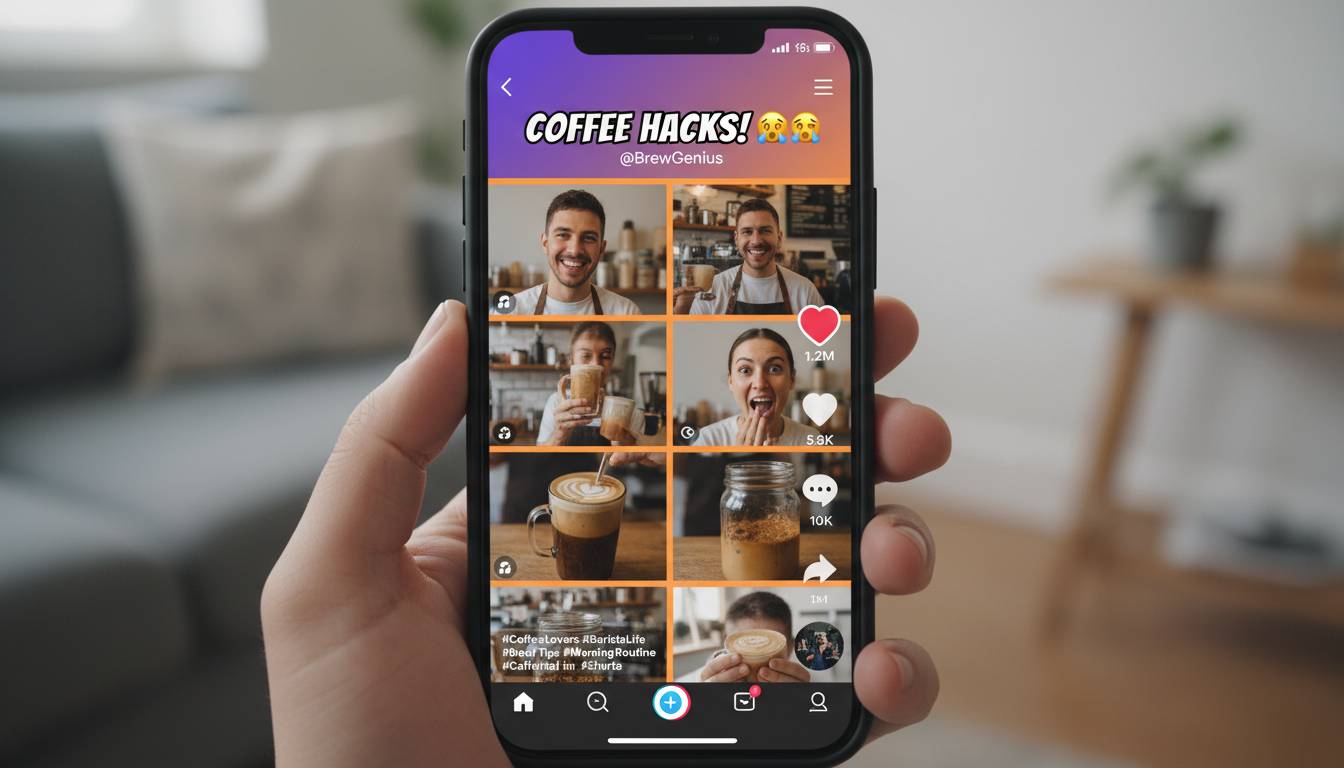
TikTok, Reels, Shorts—whatever you want to call it, short video is still the format that gets the most engagement. If you’re not making vertical video in some form, you’re basically invisible to anyone under 30.
The interesting shift this year: the algorithms got much better at figuring out what works. Hook people in the first two seconds or get skipped. Get comments and saves or get buried. It’s brutal, but it also means there’s no room for lazy content anymore. Brands that cracked the code on quick, punchy storytelling are seeing real results. The ones treating it like TV commercials adapted for mobile? Not so much.
Buying Without Leaving the App
Social shopping matured significantly in 2024. Instagram Checkout, TikTok Shop, Facebook Marketplace—they’re no longer experiments. People are actually buying through these features, and the numbers are getting serious.
The live shopping thing is worth watching too. Some brands are pulling off impressive numbers hosting real-time streams where viewers can ask questions and buy instantly. It feels a bit like QVC for the TikTok generation—slightly awkward sometimes, but the convenience factor is real. If your product works in a demo format, this could be worth testing.
Authenticity Stopped Being Optional
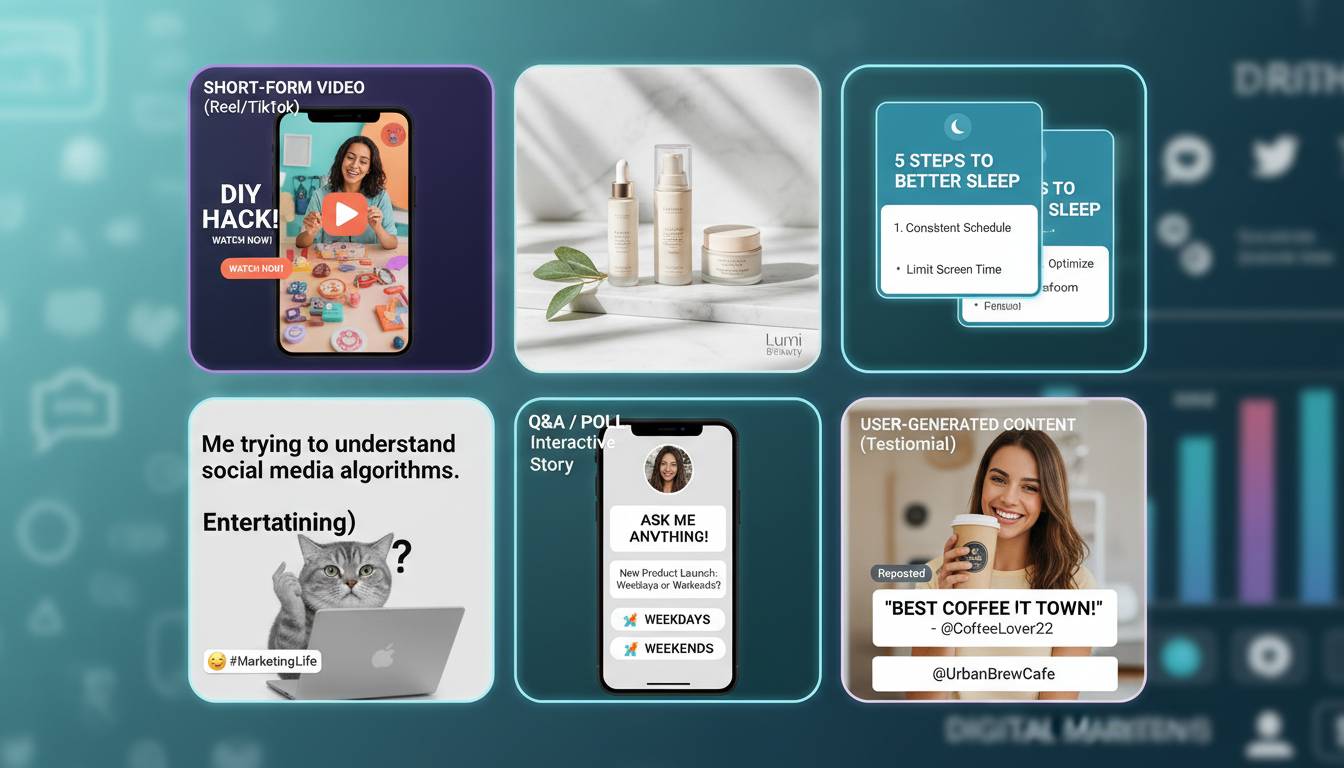
Here’s a trend that’s been building for a while but hit a tipping point: people are exhausted by polished corporate content. The perfectly edited feeds feel fake now. What works instead is the messy, real stuff—behind-the-scenes looks, honest takes on problems, employees who actually seem like humans.
User-generated content became even more valuable because of this. When a real customer posts about their experience, it carries weight that paid advertising can’t buy. Companies that leaned into this—sharing customer stories, acknowledging mistakes, showing the actual humans behind the brand—saw better engagement than those sticking to their corporate voice guidelines.
Micro-Influencers Made More Sense
The math finally caught up with the hype. Big-name influencers with millions of followers often deliver worse engagement than creators with 10K-100K followers. Why? Trust. Smaller creators have actual relationships with their audiences. They reply to comments. They feel reachable.
Brands caught on and started working with more creators at lower price points rather than dumping budgets into single celebrity deals. It’s also just more sustainable—you can work with ten micro-influencers for the cost of one macro deal and often reach more real people.
Stories Still Work (Just Differently)
Remember when Stories were supposed to be temporary and casual? They’ve evolved into something more strategic. Platforms added polls, quizzes, questions, and other interactive features that turn passive viewing into actual conversation.
The urgency factor still applies—something about “this disappears in 24 hours” does push people to engage now rather than later. But the smart use case shifted toward community building: getting feedback, answering questions, creating moments that make followers feel connected to a brand rather than just subscribed to it.
Privacy Changes Everything
You probably noticed: tracking got harder. Third-party cookies are dying, platforms restricted data access, and users got more protective of their information.
The marketers succeeding in this environment stopped trying to workaround privacy protections and started building direct relationships instead. Email lists, community memberships, first-party data collection—these became priorities. The brands that thrive going forward will be the ones that provide enough value that people actually want to hear from them, rather than chasing people across the web with ads.
Communities Beat Follower Counts
This might be the most important shift that doesn’t get as much attention: platforms (and smart brands) started prioritizing engaged communities over raw follower numbers. Features supporting groups, forums, and direct interaction got upgrades across the board.
Why care? Because a community of 5,000 people who actually engage with you beats 500,000 passive followers any day for driving sales, getting feedback, and building loyalty. The brands investing in community management—real humans having real conversations—saw better ROI than those just pumping out content.
What Works Where
Quick breakdown of where to focus your energy:
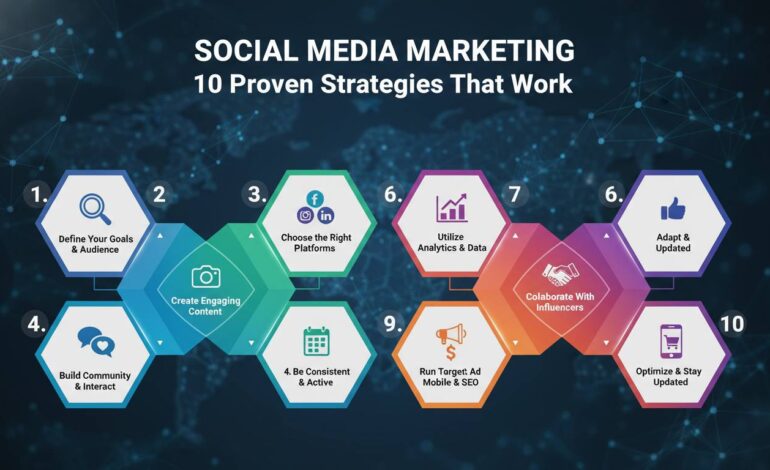
- TikTok: Gen Z, entertainment-first, authenticity wins
- Instagram: Visual storytelling, influencer partnerships, shopping features
- Facebook: Still strong for local businesses and older demographics
- LinkedIn: Actually useful for B2B now—thought leadership content performs
- X/Twitter: Real-time news, customer service, industry conversations
The days of posting the same thing everywhere are over. Each platform has its own expectations, and audiences notice when you don’t respect them.
Putting This Into Practice
You don’t need to do everything at once. A few practical steps:
- Audit what you have: What’s actually performing? What’s just taking up space?
- Invest in video: Yes, really. Even if it’s not polished.
- Find your micro-influencers: Look for creators who already talk about things related to your space.
- Build community infrastructure: Email lists, groups, whatever keeps people connected to you directly.
- Watch your data: But don’t let metrics override your actual judgment about what feels right.
The throughline in all of this: people are tired of feeling marketed to. They want real connection, useful content, and brands that act like actual human beings. The trends that matter aren’t tricks or tactics—they’re about showing up honestly and giving people reasons to care.
The brands winning in 2024 aren’t the ones with the biggest budgets or most sophisticated tools. They’re the ones that remembered social media was always supposed to be social.