Social Media Trend Predictions: Must-Know Trends for Success


The social media landscape shifts faster than most brands can adapt. What worked six months ago might feel dated today. Understanding where the currents are heading isn’t optional—it’s the difference between building genuine connection and shouting into the void.
This guide breaks down the most impactful social media trends shaping 2025 and beyond, with practical insights on how to leverage them. Whether you’re a brand marketer, content creator, or business owner, these predictions will help you stay ahead of algorithms and audience expectations.
The Rise of AI-Powered Content Creation
Artificial intelligence has moved from experimental novelty to practical necessity in social media marketing. Platforms themselves are integrating AI tools directly into their ecosystems.
Meta has rolled out AI-powered ad targeting across Facebook and Instagram, helping advertisers reach more precise audiences based on behavioral patterns. TikTok’s algorithm increasingly surfaces content optimized for individual viewer preferences, creating hyper-personalized feeds that feel almost telepathic in their accuracy.
The key insight isn’t about replacing human creativity—it’s about amplifying it. Brands using AI for content ideation, caption writing, and posting schedulers report saving an average of 5-10 hours per week on manual tasks, according to a 2024 HubSpot survey. The most successful creators use AI as a collaborative tool rather than a replacement for authentic voice.
For your strategy: experiment with AI-assisted tools for batching content creation, but always inject human perspective and brand personality into the final output. Audiences can tell the difference between authentic content and AI-generated filler.
Short-Form Video Continues Its Reign
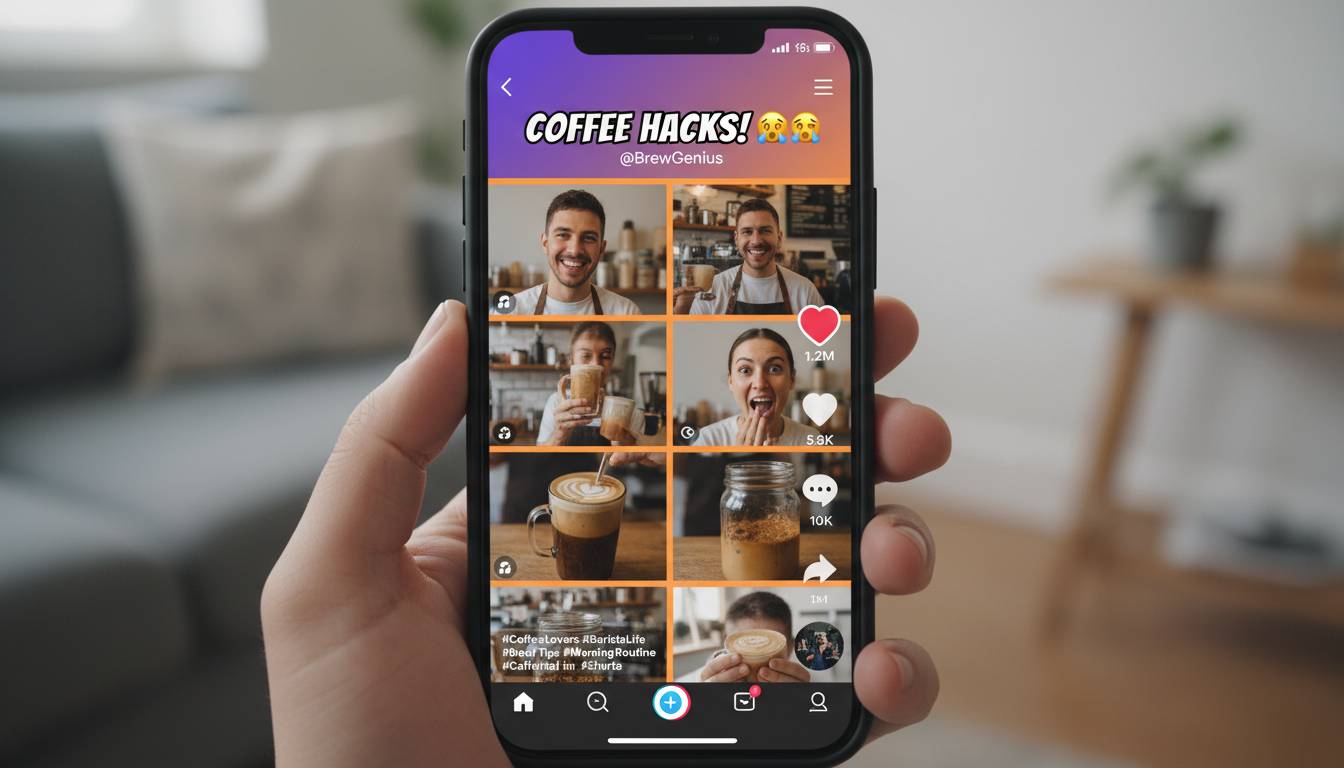
The short-form video revolution shows no signs of slowing down. TikTok’s average watch time per session now exceeds 90 minutes, and Instagram Reels and YouTube Shorts have captured significant portions of that audience.
What’s evolving is the content itself. Early short-form success came from simple hooks and trending sounds. Now, the most successful creators are producing higher-production-value content within the format—premium visuals, thoughtful editing, and narrative arcs that keep viewers engaged beyond the initial 15 seconds.
The algorithm rewards watch time and completion rates, not just clicks. This means your first three seconds matter more than ever. Strong visuals, a clear hook, and consistent value delivery within the first 10 seconds determine whether viewers hit “save” or scroll past.
Consider this data point from Sprout Social’s 2024 report: brands posting 3-5 short-form videos weekly saw 32% higher engagement than those posting primarily static images or long-form content. The format preference is clear—adapt or get left behind.
Authenticity Over Polish
Something interesting is happening in the algorithm rankings. Highly produced, studio-quality content sometimes underperforms compared to raw, lo-fi posts that feel genuinely human.
This isn’t an excuse for bad production—it’s a recalibration of audience expectations. Users increasingly value connection over perfection. Behind-the-scenes content, unfiltered moments, and creator personality often outperform polished brand content.
The creator economy’s maturation has fueled this shift. Audiences follow people, not just products. They want to feel like they know the human behind the profile.
Micro-influencers (10,000-100,000 followers) continue to show higher engagement rates than macro-influencers or brand accounts. According to Influence Central’s 2024 benchmarks, micro-influencers average 7.2% engagement compared to 1.8% for accounts over 100,000 followers.
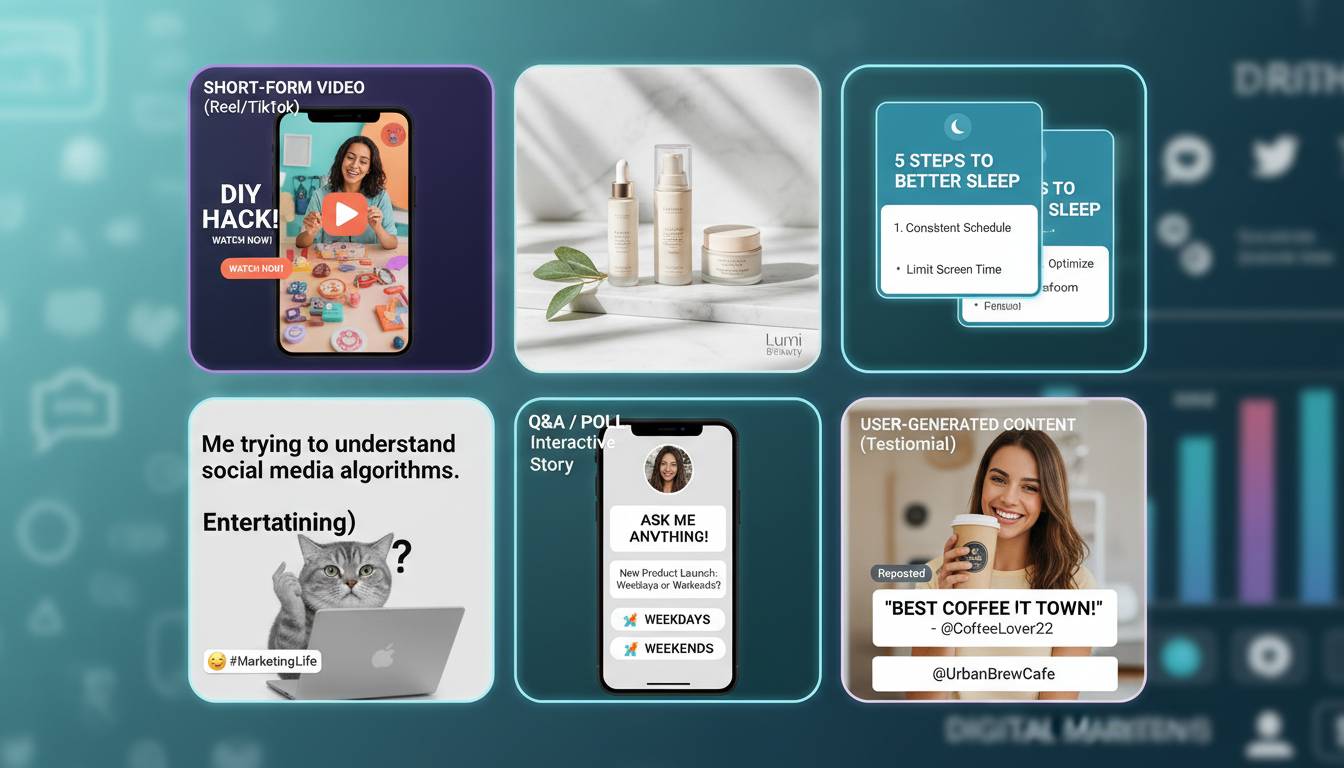
For brands: consider partnering with authentic creators whose values align with yours rather than chasing follower counts. User-generated content campaigns that showcase real customer experiences often outperform expensive brand shoots.
Social Commerce Expands
The checkout experience on social platforms has matured significantly. Instagram Shopping, TikTok Shop, and Facebook Marketplace now offer seamless purchasing without leaving the app.
Social commerce is projected to reach $80 billion in US sales by 2025, according to eMarketer projections. This represents a massive shift in how consumers discover and purchase products.
What’s driving this growth is the reduction in friction. The old customer journey—see product on social, click to website, navigate checkout, complete purchase—has shortened dramatically. Now, discovery and purchase can happen in a single session.
Successful brands are treating social platforms as direct sales channels, not just awareness builders. They optimize product tagging, create shoppable content, and leverage user reviews within the platform itself.
Privacy and First-Party Data
The gradual phaseout of third-party cookies and increased platform restrictions on data tracking have fundamentally changed targeting capabilities.
Facebook and Instagram have reduced the precision of custom audience targeting, pushing advertisers toward broader interest-based targeting and first-party data strategies. This shift favors brands that have built their own email lists, SMS subscriber bases, and community ecosystems.
The brands winning in this environment are those investing in owned channels. They encourage followers to opt into email lists, use lead generation campaigns, and build community spaces (like Discord servers or private groups) where they own the relationship.
Platform algorithms are also prioritizing content that generates genuine interactions over passive consumption. Comments, shares, and saves signal value to the algorithm more than likes or views. Building community around your brand—not just accumulating followers—becomes essential.
Platform Fragmentation and Multi-Platform Strategy
The era of betting everything on a single platform is over. Smart brands and creators maintain presence across multiple platforms, adapting content for each while maintaining core brand identity.
This doesn’t mean posting identical content everywhere. It means understanding platform-specific norms and audience expectations. LinkedIn content differs from TikTok content, which differs from Twitter/X content—even from the same brand.
The average brand now maintains active presence on 4-6 social platforms, according to Hootsuite’s 2024 Social Media Trends Report. The key is strategic selection based on where your audience actually spends time.
For most businesses, that means YouTube (for search and long-form), Instagram (for visual brand building), LinkedIn (for B2B connection), TikTok (for reaching younger audiences), and perhaps one or two niche platforms relevant to your industry.
The Creator Economy Maturation
Creator partnerships are becoming more professionalized. The wild west days of informal sponsorships are giving way to standardized contracts, performance metrics, and long-term brand ambassador relationships.
Brands are moving away from one-off sponsored posts toward ongoing creator relationships. These partnerships feel more authentic to audiences and deliver better results for brands through consistent exposure and genuine product endorsement.
The creator economy is projected to reach $480 billion globally by 2025, according to Influencer Marketing Hub. This growth brings increased expectations for professionalism, transparency, and measurable ROI.
For creators: invest in your own brand equity beyond any single platform. Build email lists, create products, and develop multiple revenue streams. Platform algorithms change—your audience relationships should be portable.
Conclusion
The social media landscape rewards those who stay informed and adapt quickly. The trends shaping 2025—AI integration, authentic content, social commerce, privacy-first strategies, platform diversification, and creator economy maturation—represent evolution, not revolution. They’re continuations of patterns already in motion, accelerated by technology and audience behavior changes.
Your practical next steps: Audit your current presence against these trends. Where are you early, and where are you behind? Pick two or three trends to experiment with this quarter. Build your owned audience infrastructure while maintaining platform presence. Focus on genuine community over vanity metrics.
The brands and creators who succeed won’t be those who predict the future perfectly—they’ll be those who stay nimble, test relentlessly, and prioritize authentic connection over gaming algorithms.
Frequently Asked Questions
Q: Which social media platform should my business focus on in 2025?
The best platform depends entirely on where your audience spends time. Research your target demographic’s platform preferences. B2B businesses often find LinkedIn most effective, while consumer brands may prioritize Instagram or TikTok. Most businesses benefit from a presence on 3-4 platforms rather than attempting to dominate just one.
Q: Is it too late to start on TikTok?
No platform is truly “saturated” for quality content. TikTok’s algorithm still surfaces new creators regularly based on content quality rather than follower count. Success requires understanding the platform’s specific format, trending audio usage, and the importance of early engagement. Start by consuming content native to the platform to understand its culture.
Q: How important are follower counts really?
Much less important than engagement rates and audience quality. A smaller following with high engagement and genuine community often outperforms a large following of passive followers. Focus on building relationships with people genuinely interested in your offering, not accumulating empty numbers.
Q: Should I be using AI tools for social media content?
Yes, but strategically. AI excels at efficiency tasks like generating content ideas, drafting caption variations, and scheduling posts. However, always add human review and brand voice refinement. Audiences can detect content lacking genuine personality—use AI to enhance creativity, not replace it.
Q: How often should I post on social media?
Quality matters more than quantity, but consistency is key. Most platforms benefit from posting 3-5 times weekly for brands. Short-form video may warrant daily posting, while longer LinkedIn posts might succeed with 2-3 weekly entries. Prioritize consistent quality over burning out with excessive posting.
Q: What’s the biggest social media mistake small businesses make?
Trying to be everywhere at once without resource to sustain it. Many small businesses spread themselves thin across too many platforms, posting inconsistently with low-quality content. Better to excel on one or two platforms than to have weak presence everywhere. Choose strategically based on where your customers actually are.