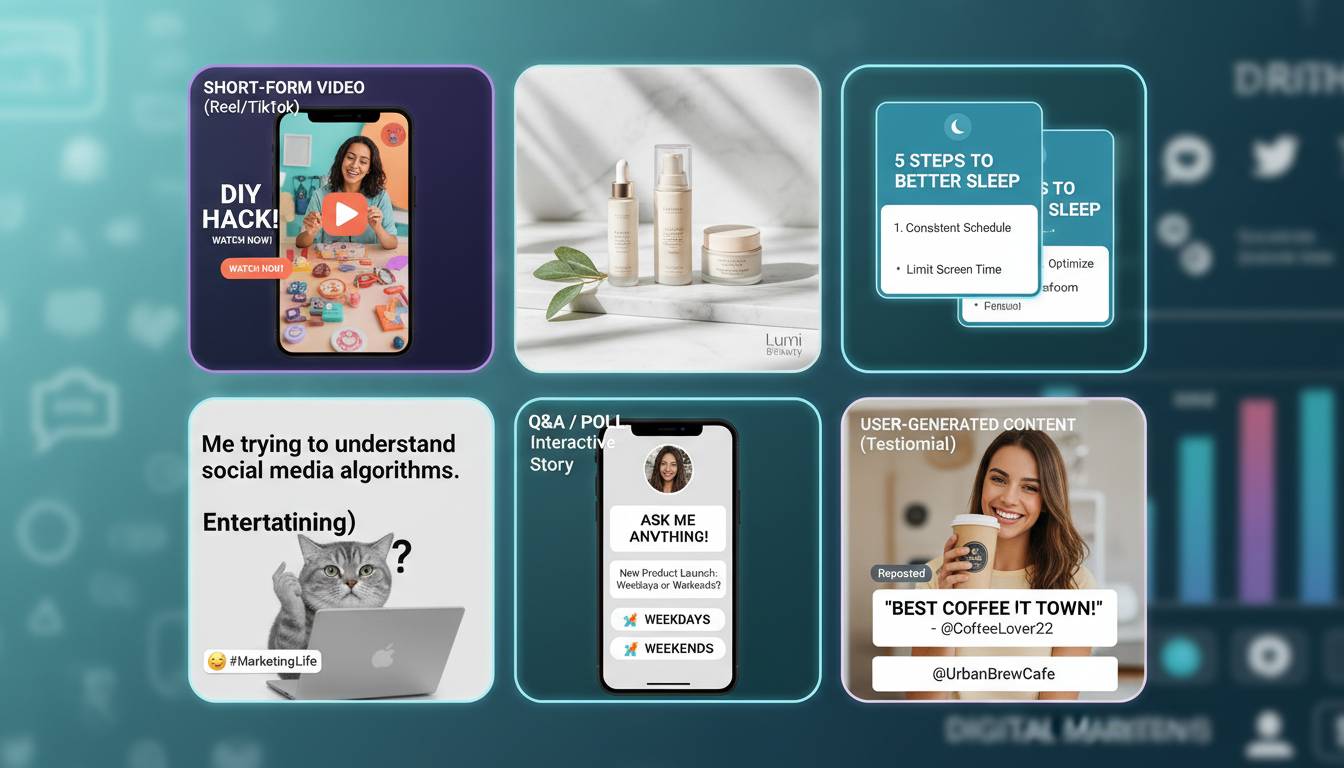
Social Media Marketing Trends 2024: Must-Know Insights

The social media landscape in 2024 moves fast. Brands that want to stay relevant need to pay attention to what’s actually working—and what’s already tired. Here’s what marketers need to know this year.
AI-Powered Marketing Automation
AI has become part of daily social media operations for most marketing teams. Brands use it for content creation, audience targeting, and figuring out which posts perform best. Some companies report saving around 30% on manual tasks through automation, freeing up time for actual strategy work instead of copying and pasting captions.
Machine learning tools built into platform ad systems now handle a lot of the targeting heavy lifting. These systems spot patterns in user data that humans would miss and adjust ad delivery as campaigns run. Most marketers see AI as a tool that makes their job easier rather than one that’s coming for their jobs.
Short-Form Video Dominance
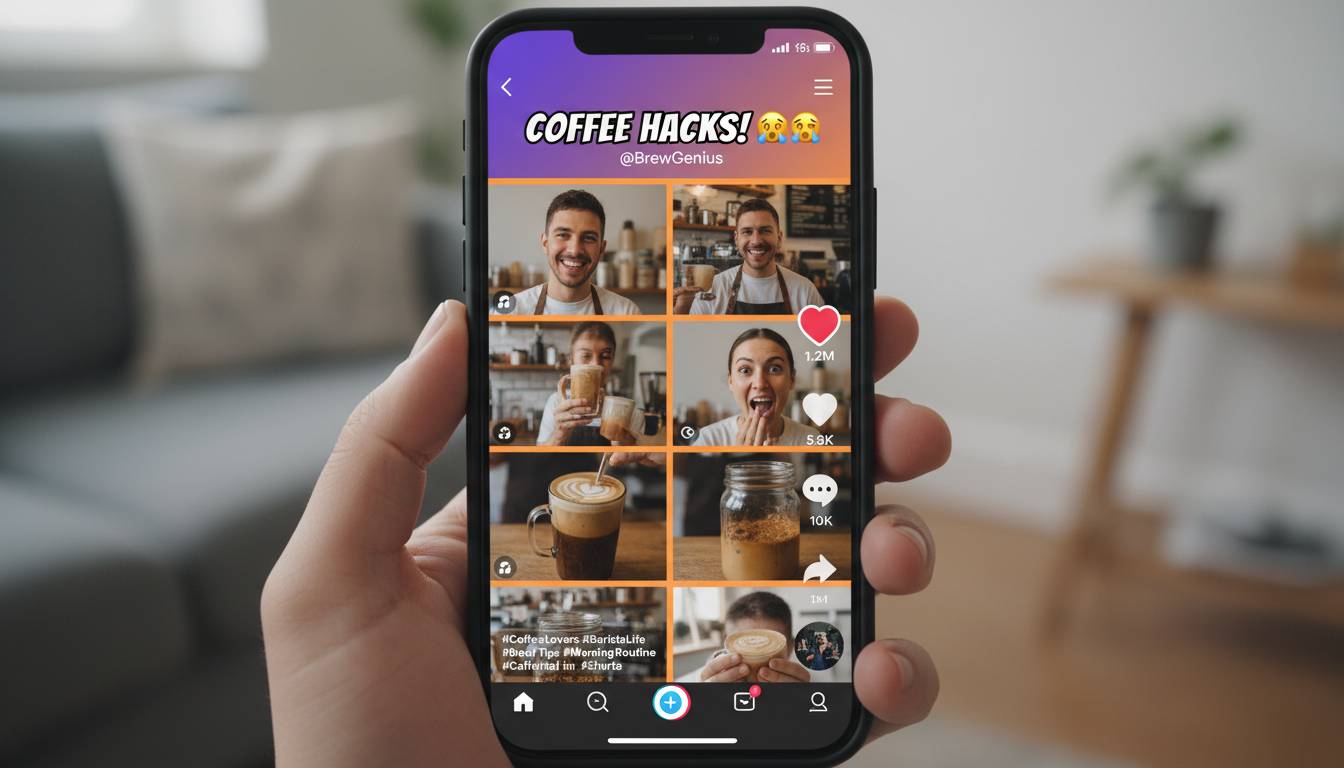
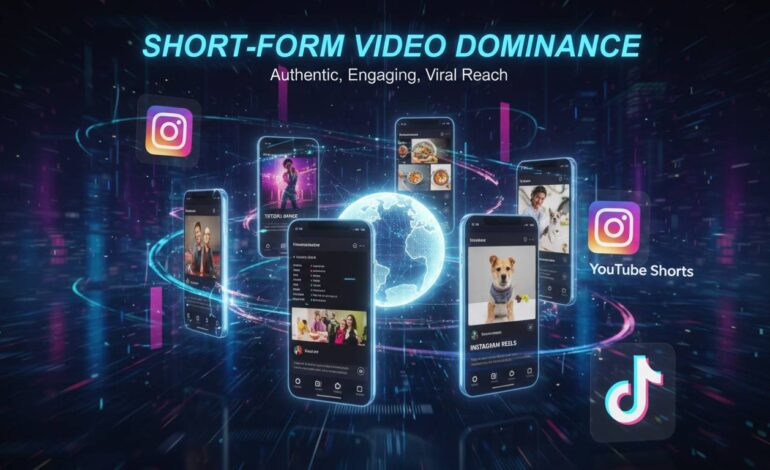
Short-form video keeps dominating. TikTok, Instagram Reels, and YouTube Shorts pull in huge viewership, and brands that add video to their mix often see engagement jump compared to static image posts. The algorithms favor creators who post consistently and seem genuine, so brands are building out video teams or working with creators who actually know how to make stuff people want to watch.
This shift matters most for reaching younger audiences. Gen Z and younger millennials increasingly skip text posts entirely.
Social Commerce Evolution
Buying directly through social apps got easier in 2024. Instagram Shopping, Facebook Marketplace, and TikTok Shop let users purchase without leaving the app, which cuts down on the steps between “saw it” and “bought it.”
Live shopping has also picked up steam. Brands stream product demos and special offers, and viewers can buy in real time. Some brands report better conversion rates this way than through regular ecommerce channels.
Authenticity and Community Building
People are tired of overly polished brand content. They want to see real stuff—customer photos, behind-the-scenes looks, the occasional mess-up that feels honest. Brands that nail this often earn more loyal customers who actually recommend them to friends.
Community management turned into a real job function, not just something interns handle. Successful brands reply to comments, ask questions, and actually listen when people give feedback. The best communities become brand advocates without being asked.
Ephemeral Content Strategies
Stories and temporary posts still work well because they create urgency. People know the content disappears, so there’s a reason to pay attention now rather than later.
Brands use this format for flash sales, limited-time offers, or casual content that doesn’t fit their main feed aesthetic. The throwaway nature actually helps—it’s okay to experiment and see what lands.
Influencer Marketing Shifts
The big shift in influencer work is moving away from one-off sponsored posts toward longer relationships. Brands now prefer working with micro-influencers who have smaller but more engaged audiences, rather than paying huge fees for celebrities who may or may not connect with the actual buyer.
Disclosure became non-negotiable—all sponsored content needs clear labels. Measurement also got more sophisticated. Brands care less about raw reach numbers and more about whether influencer work actually leads to sales and positive brand sentiment.
Platform-Specific Strategy Development
Different platforms need different approaches. LinkedIn works for B2B. Instagram and TikTok work for consumer brands targeting younger crowds. Copy-pasting the same content everywhere rarely works anymore.
Organic reach keeps dropping on major platforms, so paid promotion became necessary for most brands. Knowing which platforms deserve budget and which to leave organic-only requires looking at actual data, not just assumptions.
Data Privacy and First-Party Data Collection
Third-party cookies are dying, and platform tracking changes made audience targeting harder. Brands started building their own email lists, preference centers, and interactive content to gather customer data directly. This gives more control and keeps them compliant with privacy laws.
Contextual targeting—showing ads based on what people are reading rather than tracking them across sites—made a comeback. It’s less precise but more sustainable long-term.
Conclusion
2024’s social media trends come down to a few things: using AI without losing the human touch, making video a priority, and actually talking to your audience instead of broadcasting at them. Brands that figure out how to be helpful and genuine while still measuring what works will do fine. The rest will keep wondering why their engagement numbers look bleak.
Frequently Asked Questions
What are the most important social media marketing trends for 2024?
AI automation, short-form video, social commerce, authenticity, and strategic influencer partnerships. These trends connect to how people actually use platforms now versus a few years ago.
Which social media platform should businesses focus on in 2024?
It depends on who you’re trying to reach. Consumer brands targeting younger people do well on Instagram and TikTok. B2B companies get results on LinkedIn. Focus resources where your audience actually spends time rather than trying to be everywhere.
How is artificial intelligence changing social media marketing?
AI helps with writing content, predicting what performs well, and targeting ads more precisely. Most marketing teams use it to speed up repetitive work and make better guesses about what to try next.
What budget should businesses allocate for social media marketing in 2024?
Typical range is 15-25% of total marketing budget, with B2B companies usually on the lower end and consumer brands on the higher end. More brands shifted budget toward paid promotion as organic reach declined.