Social Media Marketing: The Ultimate Strategy Guide for 2025

Social media has changed how businesses reach customers. If you’re not on these platforms, you’re invisible to most potential buyers. This guide covers everything you need to know about social media marketing in 2025, from the basics to tactics that actually drive results.
What Is Social Media Marketing?
Social media marketing means using platforms like Facebook, Instagram, TikTok, and LinkedIn to promote your brand, connect with customers, and grow your business. It includes creating content, running ads, talking to followers, and tracking what works.
Unlike old-school advertising, social media lets you have actual conversations with people. You can respond to questions, handle complaints, and build relationships that turn into loyal customers. It’s also a powerful ad platform with targeting options that traditional media can’t match.
The job requires understanding how each platform works, what your audience wants, and what’s trending. Good social media marketing leads to real business results: more people knowing your brand, more website visits, more leads, and more sales.
Why Social Media Marketing Matters in 2025
The numbers are hard to ignore. About 4.9 billion people use social media worldwide. Most people have accounts on three or four different platforms. That’s a massive audience hanging out in places where you could be reaching them.
Brands that use social media effectively see better customer retention and lower acquisition costs than those relying only on traditional ads. You can target exactly who you want—age, interests, behavior, you name it—rather than blasting everyone with your message.
Younger generations especially discover products through social media. They see something on TikTok or Instagram, research it there, and buy without ever going to a search engine. If your brand isn’t on social media, these customers won’t find you.
Types of Social Media Marketing
Here’s what social media marketing actually involves:
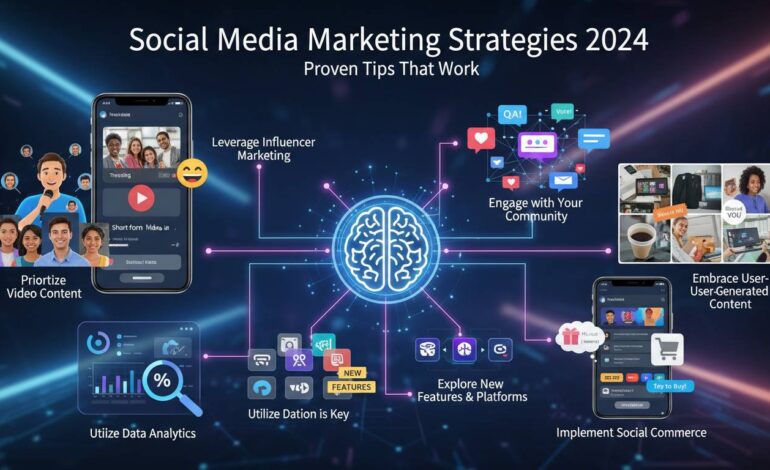
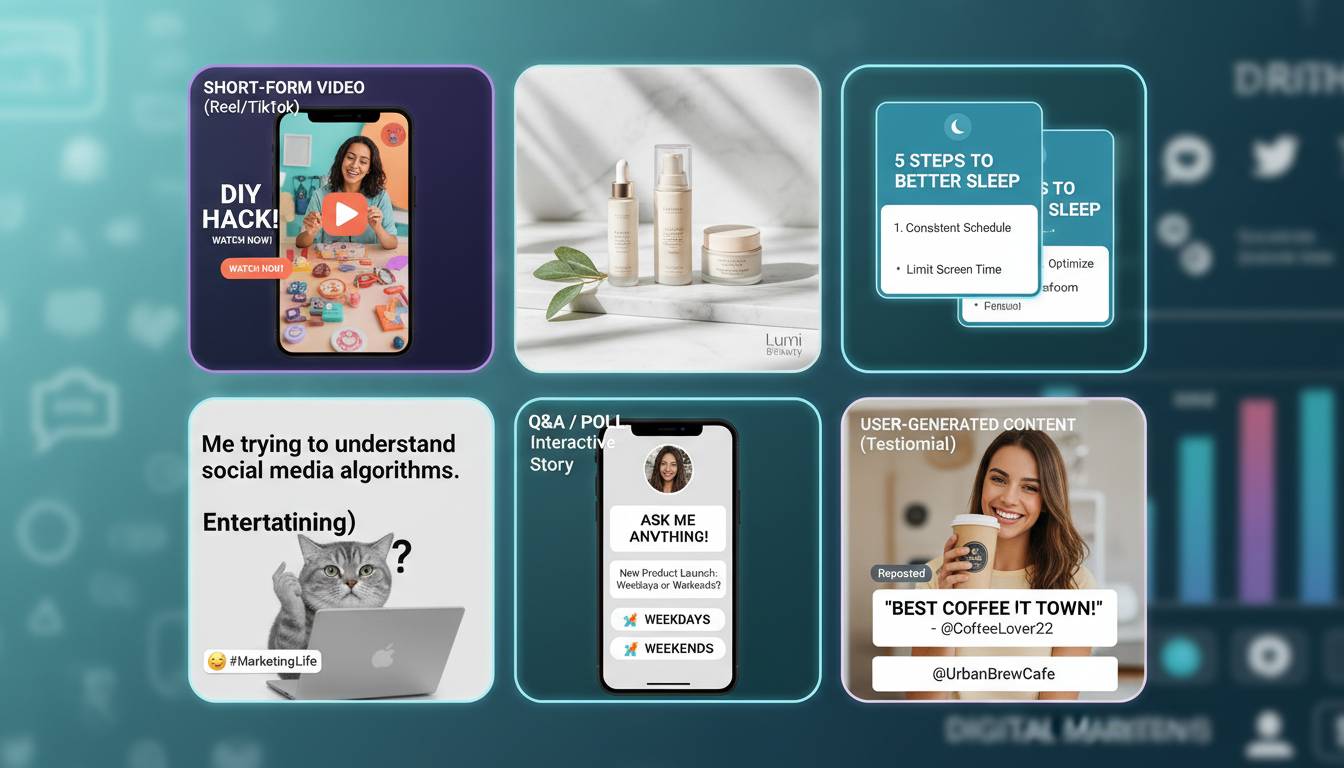
Content marketing is creating and sharing posts, videos, images, and articles that people find valuable. This builds trust over time and gives people a reason to follow and share your brand.
Influencer marketing means partnering with people who have loyal followings in your niche. A genuine recommendation from someone people trust outperforms ads. Pick influencers whose values match yours, or it feels fake.
Paid social advertising boosts your reach through platform ads. You can target precise audiences and track results in real time. Retargeting ads, which show up for people who’ve already visited your website, convert much better than cold audiences.
Community management is just talking to people—replying to comments, answering DMs, joining conversations. This builds loyalty and gives you insights into what customers actually think.
How to Build an Effective Social Media Strategy
Don’t just post whenever you feel like it. Strategy requires planning.
Start with clear goals. What do you want? More brand awareness? Website traffic? Leads? Sales? Make them specific and set deadlines.
Know your audience. Not just demographics—understand what problems they have, what content they consume, and which platforms they use. Build buyer personas if it helps.
Pick your platforms strategically. A B2B company probably belongs on LinkedIn, not TikTok. A fashion brand needs Instagram. Don’t spread yourself thin trying to be everywhere.
Use a content calendar. Plan what you’re posting and when. Balance promotional content with posts that provide value—entertainment, education, or community building. Most of your content should help people, not sell to them.
Best Social Media Platforms for Marketing
Facebook has nearly three billion users. Its ad tools are sophisticated, groups let you build communities, and marketplace lets you sell directly. Good for broad reach.
Instagram is the visual platform. Works great for fashion, food, travel, lifestyle—anything that looks good in photos. Shopping features let people buy without leaving the app. Reels can get your content seen by more people.
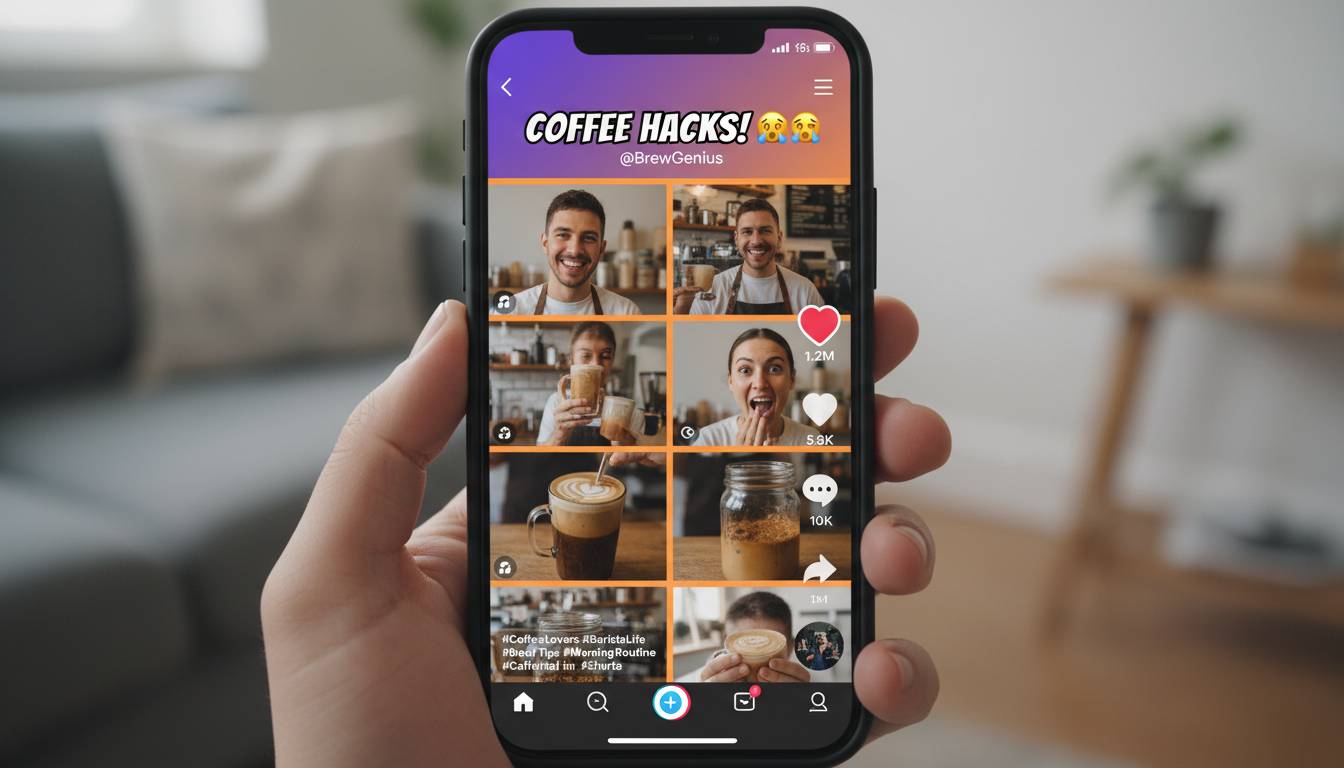
TikTok is where younger audiences spend their time. The algorithm shows your content to strangers if it’s good, so you don’t need a huge following to get views. The vibe is casual and authentic—polished content often flops.
LinkedIn is for B2B. It’s where professionals hang out, read industry news, and look for solutions. Great for lead generation, recruitment, and building thought leadership.
Key Metrics to Track
Don’t obsess over follower counts. Focus on metrics that actually matter:
Engagement rate shows how many people interact with your content relative to how many see it. High engagement means people care about what you’re posting.
Reach and impressions tell you how many people see your content. Track which posts get the most visibility.
Conversions measure what you actually want—website visits, form submissions, purchases. Use tracking codes so you know which posts and ads are driving results.
Return on investment compares what you spend to what you get back. Yes, it’s hard to measure perfectly, but you can estimate it. This matters most when justifying your budget to leadership.
Common Mistakes to Avoid
Inconsistent posting confuses your audience and hurts your algorithm ranking. Build a sustainable content pipeline so you’re not scrambling.
Too much promotion drives people away. Aim for about 70% value-driven content, 20% loosely related to sales, and 10% direct promotion.
Ignoring negative comments makes you look unresponsive. Reply professionally, take issues offline when needed, and be honest about problems.
Not checking your data means repeating failures. Look at what’s working and do more of that.
Future Trends in Social Media Marketing
AI is changing everything—from helping create content to predicting what audiences want. Brands using these tools save time and get better results.
Short-form video isn’t going away. If you can’t make videos, learn or hire someone. Live streaming is also growing—people like real, unscripted moments.
Privacy changes are limiting how you can track and target people. Build your email list and own your audience data rather than relying entirely on platforms.
Conclusion
Social media marketing isn’t optional anymore. It’s essential. Success comes from clear goals, understanding your audience, creating content that actually helps people, and measuring what matters.
The platforms will keep changing. Algorithms shift, new apps emerge, old ones fade. But the basics stay the same: provide value, be genuine, and pay attention to what works.
Frequently Asked Questions
What is social media marketing?
Using platforms like Facebook, Instagram, TikTok, and LinkedIn to build brand awareness, connect with customers, and drive sales through content, ads, and engagement.
How much does social media marketing cost?
Varies widely. Small businesses might spend $200-500 monthly on organic management. Paid ads can range from $1,000 to tens of thousands monthly depending on goals and competition.
What are the main types?
Content marketing (valuable posts), influencer marketing (creator partnerships), paid advertising (targeted reach), and community management (direct engagement).
How long until I see results?
Paid ads work quickly once optimized. Organic efforts usually take 3-6 months for meaningful traction. Building a loyal community takes a year or more.
Which platform should my business use?
Depends on your audience. Consumer brands often do well on Instagram and TikTok. B2B companies usually get more from LinkedIn. Figure out where your customers actually spend time.
How do I measure success?
Start with your goals, then track corresponding metrics—engagement, reach, conversions, and ROI. Platform analytics help, but set up proper tracking to know what’s actually working.