Social Media Marketing Strategies That Actually Work


The social media landscape has shifted dramatically, leaving marketers scrambling to keep up with changing algorithms, new platforms, and evolving consumer habits. In 2024, businesses that once relied on traditional engagement tactics are watching their strategies fall flat as platforms prioritize content from friends and family over branded posts. Understanding which approaches actually move the needle has become essential for brands wanting to stay visible and drive real results.
Understanding the Current Social Media Ecosystem
The social media marketing environment in 2024 looks nothing like it did just two years ago. Major platforms have recalibrated their algorithms to prioritize user experience and authentic engagement, fundamentally changing how brands need to approach their social presence. Meta’s platforms, including Facebook and Instagram, have cut organic reach for business accounts significantly—some brands report drops of over 50 percent compared to previous years.
TikTok has become the dominant force in social media, surpassing 1.5 billion monthly active users globally. Its algorithm-driven content discovery model has forced every major platform to rethink how they surface content. LinkedIn has seen renewed interest from B2B marketers, with engagement climbing as professionals increasingly use the platform for networking and content consumption.
The bottom line: the “build it and they will come” era is over. Brands now need to earn visibility through consistent value, authentic community engagement, and strategic paid amplification. The best results come from combining organic excellence with smart paid tactics—building sustainable growth rather than chasing viral moments.
Platform-Specific Content Strategies
Tailoring content to each platform’s unique characteristics and user expectations separates effective marketers from those simply broadcasting the same message everywhere. What works on LinkedIn rarely translates to Instagram, and TikTok content would feel out of place on Facebook.
Instagram has become a visual-first platform where Reels dominate algorithmic distribution. Brands seeing the best results create authentic, behind-the-scenes content that feels less polished and more genuine. The algorithm strongly favors content that gets saves, shares, and meaningful comments—not just likes. Carousel posts continue to perform well, especially when they provide educational value or tell a compelling visual story.
On LinkedIn, text-based posts have made a surprising comeback. Long-form written content often outperforms image-heavy posts. Professional insights, industry commentary, and thought leadership resonate strongly with the business-focused audience. Native video under five minutes sees much higher engagement than external links or text-only posts.
TikTok demands a completely different approach—centered on entertainment, trend participation, and authenticity. Brands creating overly polished content typically struggle. Those embracing the platform’s casual, creative spirit find real growth. TikTok users want discovery and entertainment, not brand messaging.
Building Communities Through Authentic Engagement
Moving from broadcasting to genuine community building is one of the most effective strategies available. Brands treating social media as a two-way conversation consistently outperform those using traditional marketing megaphones.
Community building means creating spaces where customers and potential customers connect with each other, share experiences, and develop real relationships with the brand. This could include branded hashtags, Facebook Groups, Discord servers, or Instagram Communities. The goal is facilitating connections among like-minded individuals who share interests aligned with the brand.
Successful community strategies need consistent moderation and genuine participation from brand representatives. Creating a group and abandoning it hurts—inactive communities damage brand perception. The best communities offer exclusive value: early access to products, special discounts, behind-the-scenes content, or direct access to company leadership.
Effective engagement tactics include responding promptly to comments, asking questions that spark conversation, featuring user-generated content, and creating polls and interactive posts. Brands allocating specific resources to community management—rather than treating it as an afterthought—see much better results in customer loyalty and brand advocacy.
Leveraging Short-Form Video for Maximum Reach
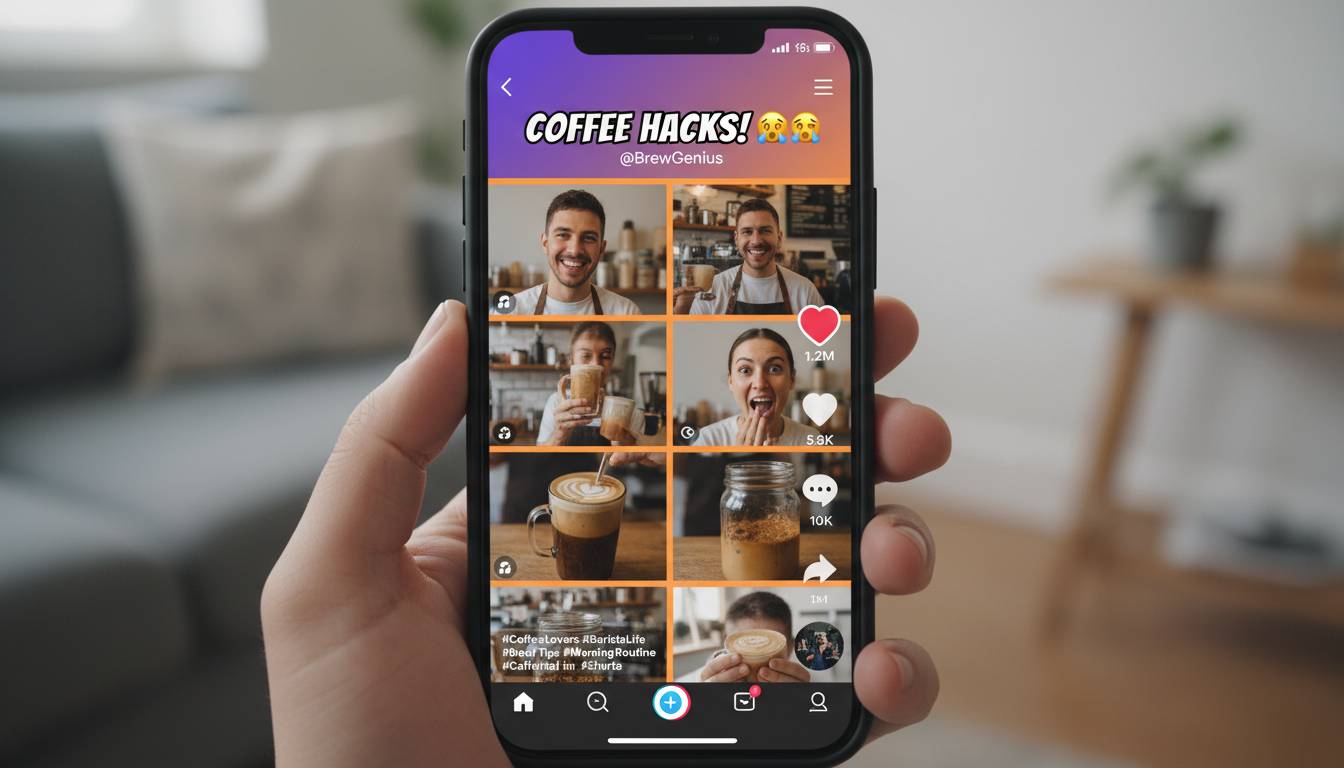
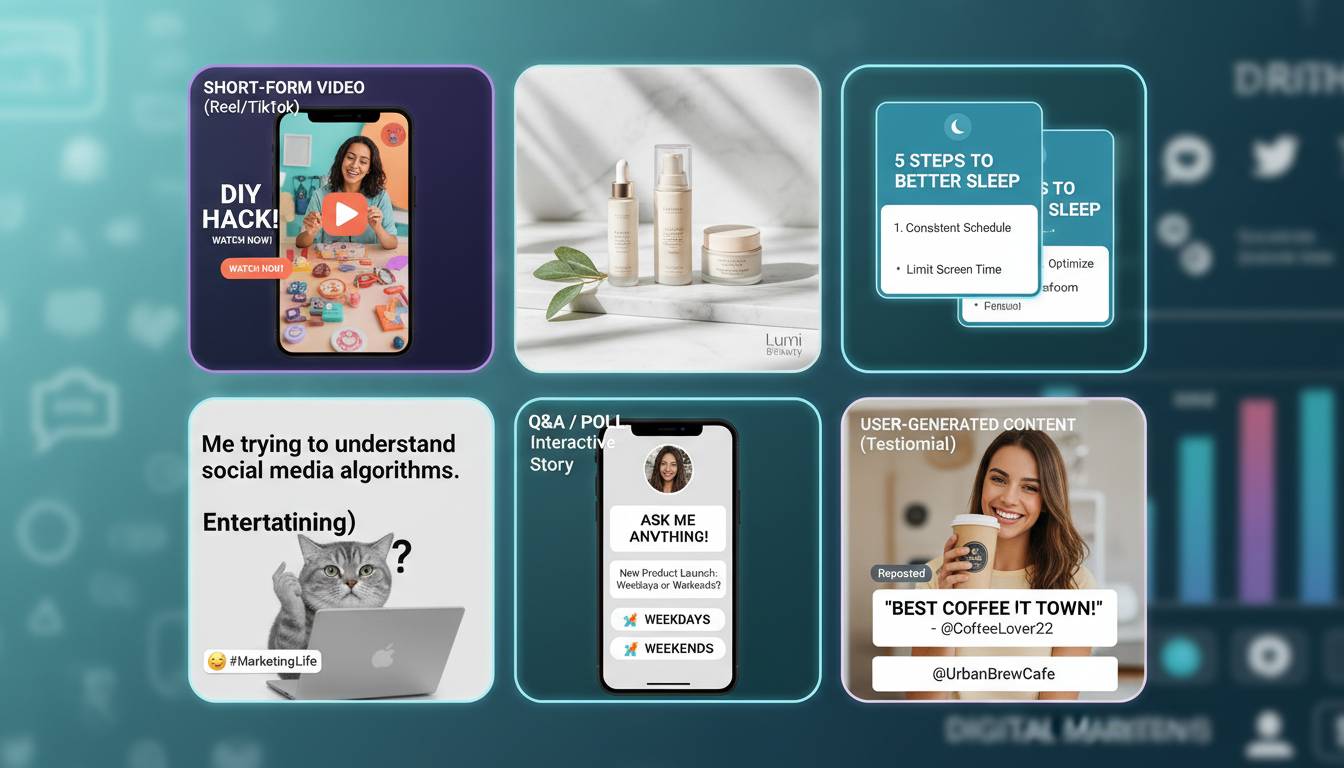
Short-form video has become the most impactful content format across every major social platform. Whether through TikTok, Instagram Reels, YouTube Shorts, or Snap Spotlight, video under 60 seconds consistently generates higher engagement than static images or long-form posts.
The effectiveness comes from video’s ability to capture attention quickly and convey substantial information in an accessible format. Users increasingly prefer watching brief videos over reading text—for educational content, product demos, and entertainment. Platforms actively prioritize video content, creating additional distribution advantages for brands mastering this format.
Successful short-form video strategies focus on delivering immediate value in the first few seconds. Hooks that create curiosity, promise useful information, or evoke emotion determine whether viewers keep watching. The best performing content often addresses common questions, debunks myths, provides quick tips, or offers behind-the-scenes glimpses.
Production quality matters less than authenticity and consistency on most platforms. Brands posting daily short-form video typically outpace those investing heavily in production but posting infrequently. The algorithm rewards consistency and engagement—simpler content more often beats polished content sporadically.
Data-Driven Content Planning and Analytics
Effective social media marketing requires moving beyond intuition to data-driven decision making. The most successful brands use analytics to understand what content resonates with their audiences, when to post for maximum visibility, and how to allocate resources across platforms and content types.
Key metrics include engagement rate, reach, impressions, follower growth, click-through rates, and conversion data. Each platform provides native analytics, though many brands use third-party tools for cross-platform analysis. Understanding relationships between different metrics helps marketers focus on numbers most directly tied to business outcomes.
Content analysis should examine patterns in posting times, formats, topics, and creative approaches. Identifying which content types generate highest engagement lets teams double down on successful strategies while phasing out underperforming approaches. A/B testing different headlines, images, and calls-to-action provides additional optimization insights.
Audience demographics and behavior data reveal when specific segments are most active and what content appeals to different groups. This enables precise targeting and personalization—getting content to the right people at the right time. The best-performing brands treat social media marketing as continuous optimization, not a set-it-and-forget-it activity.
Influencer Partnership Frameworks
Influencer marketing has evolved, with brands moving away from one-off sponsored posts toward longer-term partnership frameworks. Authentic collaborations between brands and influencers who genuinely use and believe in products generate much better results than transactional promotional arrangements.
Micro-influencers, typically with 10,000 to 100,000 followers, often deliver better ROI than mega-influencers with millions. Their audiences tend to be more engaged and trusting, and their rates are more affordable. The key is finding influencers whose audiences align with target customers and whose content style matches brand values.
Successful influencer partnerships go beyond simple product placement to include genuine content creation, co-branded initiatives, and ambassador programs. Ambassador programs providing ongoing benefits, exclusive access, and community belonging create more authentic advocacy than single-post campaigns. Long-term relationships let influencers naturally incorporate products into their content over time.
Measuring influencer success requires tracking both direct response metrics and brand awareness indicators. Coupon codes, affiliate links, and UTM-tagged URLs provide direct response data, while social listening and sentiment analysis reveal brand perception impacts. Sophisticated programs combine multiple measurement approaches for comprehensive understanding of influencer ROI.
Frequently Asked Questions
What are the most effective social media marketing strategies for small businesses?
Small businesses should prioritize platform-specific content, consistent posting schedules, and authentic community engagement. Focusing on one or two platforms rather than trying to maintain presence everywhere typically yields better results with limited resources. Building genuine customer relationships and leveraging user-generated content provides cost-effective growth.
How often should a business post on social media?
Posting frequency varies by platform and audience, but consistency matters more than volume. Most brands benefit from 3-5 weekly posts on Instagram, daily on LinkedIn, and multiple daily on TikTok. Maintaining quality while meeting audience expectations for frequency is key. Testing different schedules and analyzing engagement data helps identify optimal posting cadences.
Which social media platform is best for B2B marketing?
LinkedIn remains the dominant platform for B2B marketing, offering the highest-quality professional audience and strong content distribution for thought leadership. Twitter/X and YouTube also provide value depending on specific industries and target audiences. The best approach typically focuses resources on LinkedIn while maintaining presence on 1-2 supplementary platforms.
How long does it take to see results from social media marketing?
Most businesses see initial traction within 3-6 months of consistent, strategic efforts. Significant results typically require 12-18 months of sustained work. Building authentic audiences and community takes time, but the compounding effects of consistent value delivery create long-term assets continuing to generate returns.
What metrics should businesses prioritize tracking?
Engagement rate serves as the most important metric for assessing content effectiveness, indicating how actively audiences interact with content. Reach and impressions matter for brand awareness objectives, while click-through rates and conversions prove critical for direct response goals. Tracking metrics most closely aligned with specific business objectives provides the most actionable insights.
How important is paid social advertising versus organic content?
Both organic and paid strategies play complementary roles. Organic content builds community and provides value encouraging follows, while paid advertising amplifies reach and targets specific audiences. The most effective approach integrates both—using organic excellence to maximize paid ad performance and paid amplification to scale organic successes.
Conclusion
Social media marketing strategies that work in 2024 require brands to abandon outdated tactics and embrace authentic, data-driven approaches prioritizing genuine audience value. Success demands platform-specific content, consistent community building, mastery of short-form video, analytical optimization, and strategic influencer partnerships. The brands seeing the best results treat social media as a long-term relationship-building channel rather than a quick sales driver.
Social media marketing will keep evolving as platforms introduce new features, algorithms shift, and consumer behaviors change. The fundamental principles—providing value, building genuine connections, maintaining consistent presence—will remain constant even as tactics evolve. Brands investing in sustainable social media foundations today will be best positioned to adapt as the landscape transforms. The opportunity for businesses committed to strategic, authentic social media marketing has never been greater.