Social Media Marketing Strategies 2024: What Works Now

The social media marketing landscape changed significantly in 2024. Platform algorithms keep evolving, new content formats keep appearing, and how people use these platforms shifts constantly. Marketers who want real engagement and conversions need to pay attention to what’s actually working right now.
This guide covers the social media marketing strategies that are producing results for businesses across industries this year.
Short-Form Video Content Strategy
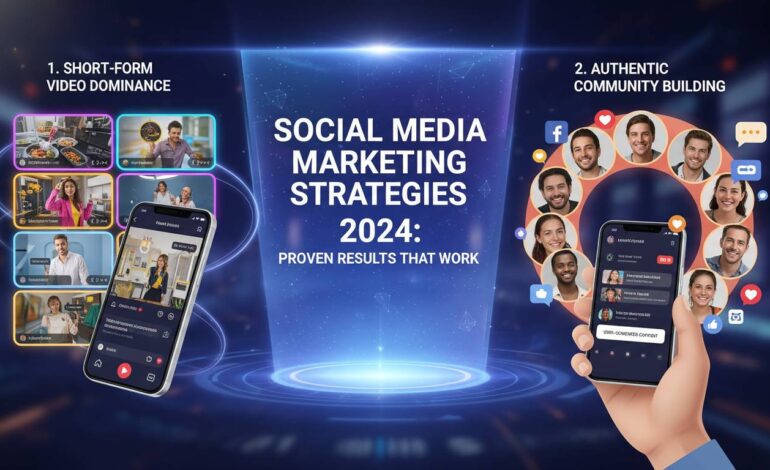
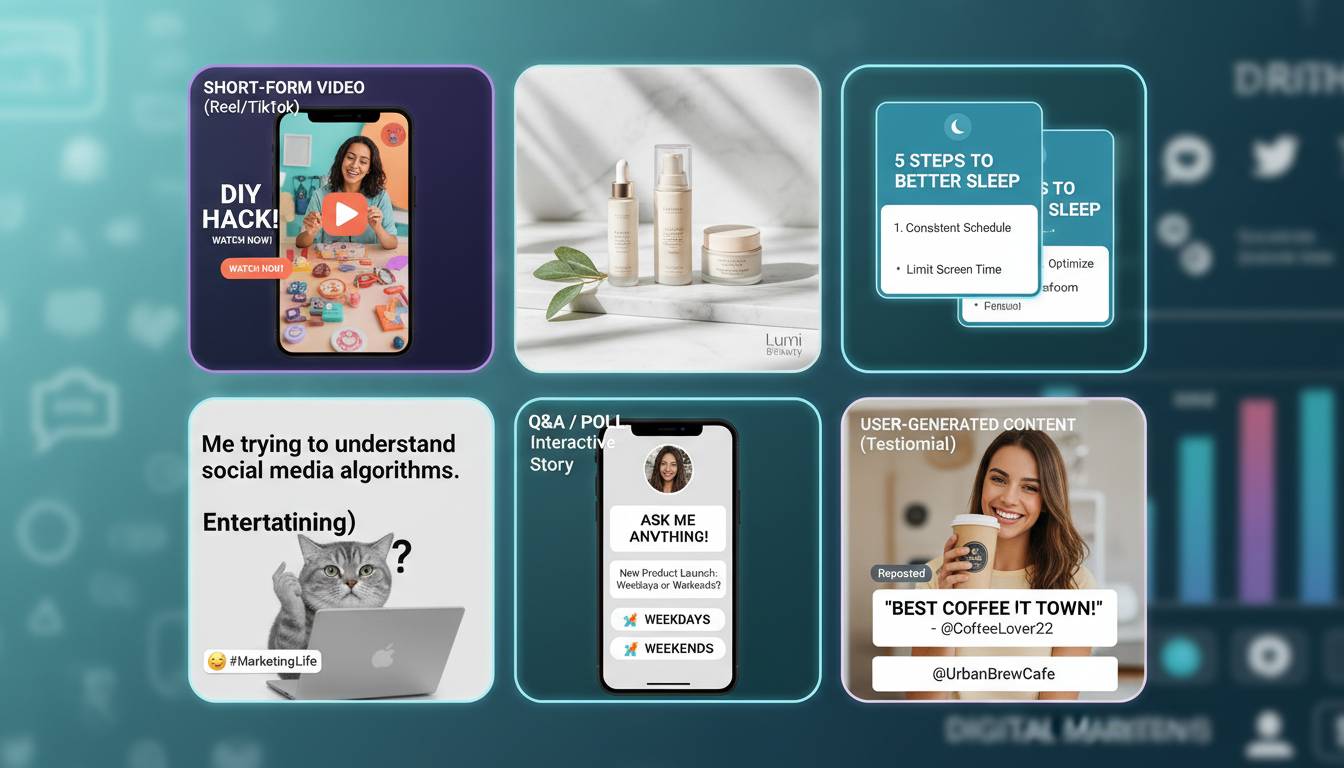
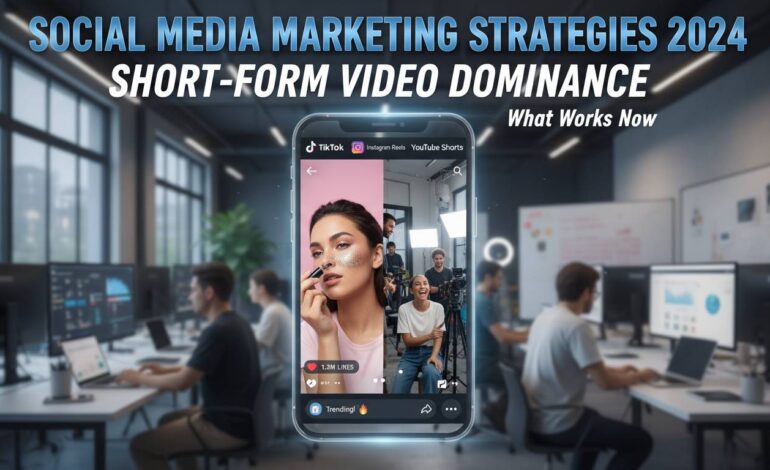
Short-form video dominates across social platforms. TikTok, Instagram Reels, and YouTube Shorts have changed how brands approach social media marketing—viewers now prefer quick, entertaining content over static posts.
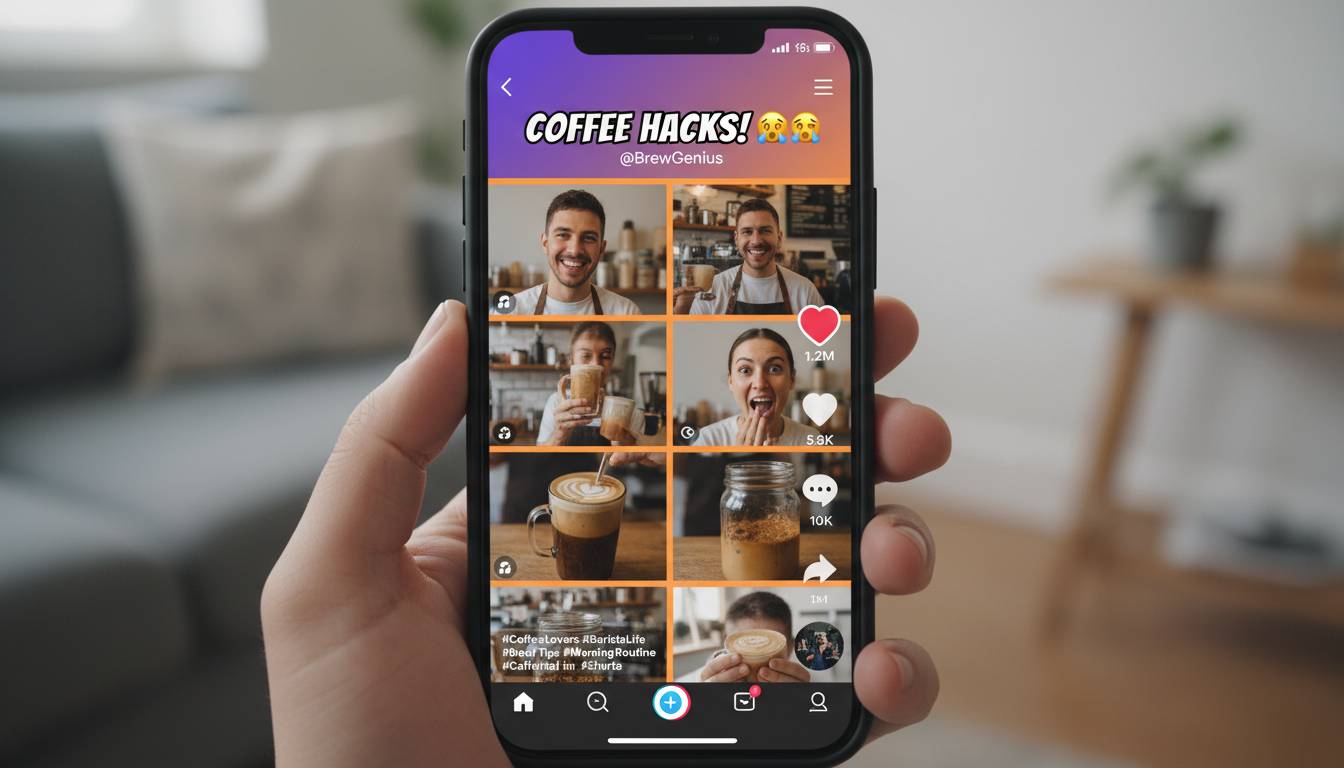
Short-form video generates significantly higher engagement than other formats. Some brands report up to three times more likes and shares on video content compared to images or text posts. The key is grabbing attention in the first few seconds with content that feels authentic and relatable. Many brands have moved away from polished, production-heavy videos toward raw, genuine moments that connect with audiences.
Successful short-form video strategies in 2024 center on trending sounds, participation challenges, behind-the-scenes content, and educational material presented in entertaining ways. Brands that post short-form video consistently typically see better organic reach across their profiles.
Platform-Specific Content Optimization
Each social platform has different algorithms and audience expectations. A one-size-fits-all approach doesn’t work anymore—brands need to adjust their strategy for each platform.
Instagram still values visual aesthetics but now prioritizes Reels for reach. The algorithm favors content that generates meaningful interactions, especially saves and shares. This pushes marketers to create genuinely useful content instead of purely promotional posts.
LinkedIn has become a serious B2B marketing channel. Professional content, industry insights, and thought leadership articles perform well with business audiences.
Facebook still works for older demographics and local business targeting. The algorithm favors group content and authentic interactions over brand pages.
TikTok’s algorithm rewards consistency and content that keeps users on the platform. Entertainment value and watch time matter most for visibility.
Marketing teams need platform-specific content calendars that account for optimal posting times, format preferences, and audience demographics for each channel.
Influencer Marketing Evolution
Influencer marketing has matured. Brands have moved away from mega-celebrity partnerships toward smaller, more authentic collaborations. The focus shifted from follower count to engagement rates and audience alignment—smaller influencers often deliver better conversion rates at lower costs.
In 2024, successful influencer partnerships are built on long-term relationships rather than one-off sponsored posts. Brands look for influencers whose values match their own, creating genuine brand ambassadors who actually use and believe in the products they promote. This approach builds credibility with audiences who’ve grown skeptical of obvious advertising.
Employee advocacy programs have grown alongside traditional influencer marketing. Brands empower their staff to share company content and personal experiences. This extends reach organically while presenting authentic perspectives that resonate better than corporate messaging.
Community Building and Engagement
Building real communities around brands has become a priority for marketers seeking sustainable engagement. Instead of just broadcasting messages, successful brands create spaces for meaningful conversations and connections.
Community management has evolved beyond responding to comments and messages. Brands now host regular Q&A sessions, create exclusive groups for loyal customers, and facilitate user discussions around shared interests. This approach generates useful user data while building loyalty that translates into long-term customer relationships.
The focus on engagement metrics beyond simple likes has pushed marketers toward meaningful interactions that show genuine connection. Conversations in comments, shares that spark discussion, and user-generated content submissions all help with algorithm visibility while building authentic brand communities.
User-Generated Content Campaigns
User-generated content has become central to effective social media strategy. It offers authentic social proof that traditional advertising can’t match. Brands actively encourage customers to share their experiences, reviews, and creative interpretations of products—turning satisfied customers into volunteer marketers.
Successful UGC campaigns create clear incentives and easy ways to submit content. Contests, hashtag challenges, and feature opportunities motivate users to create and share brand-related content. Participation needs to be simple and rewarding, with recognition or prizes encouraging audience members to contribute their own content.
Moderation and curation remain critical. Brands must ensure shared content aligns with brand values and maintains quality standards. Many companies have developed approval processes that let them leverage user content while maintaining brand integrity.
Paid Social Advertising Strategies
Organic reach is valuable, but paid social advertising has become increasingly important for reaching target audiences at scale. Platform advertising capabilities have expanded significantly, offering targeting options that let brands reach specific demographics, interests, and behaviors.
Retargeting campaigns work particularly well, reaching users who’ve already interacted with brand content or visited websites. These campaigns typically achieve higher conversion rates by targeting warm audiences already familiar with the brand. Artificial intelligence in ad optimization has improved performance—platforms automatically adjust bids, placements, and creative elements based on real-time data.
Budget allocation across platforms requires careful analysis of audience demographics and campaign goals. Successful advertisers test multiple versions of ad creative and copy before scaling what works, using A/B testing to continuously optimize performance. Ephemeral content in Stories and Reels has created new advertising opportunities that many brands are exploring.
Data-Driven Analytics and Measurement
Marketing teams rely heavily on analytics tools to guide their social media decisions. Beyond basic engagement metrics, brands track conversion pathways, customer acquisition costs, and return on ad spend to show tangible business impact from social media.
Attribution modeling has become more complex as consumers interact with brands across multiple touchpoints before converting. Marketers need to understand how social media contributes to the customer journey—whether through direct response or upper-funnel brand awareness that eventually leads to conversion. This requires proper tracking pixels, UTM parameters, and cross-platform attribution tools.
The focus on measurable results has increased the importance of social media analytics professionals who can interpret data and translate insights into actionable strategy adjustments. Regular reporting and performance analysis help brands identify successful tactics and areas needing optimization.
Social Commerce Integration
Social commerce continues expanding as platforms refine shopping features and reduce friction between discovering content and making a purchase. Instagram Shopping, Facebook Marketplace, and TikTok’s integrated storefront options have turned social platforms into real sales channels for businesses of all sizes.
Successful social commerce strategies combine engaging content with seamless purchasing experiences. Brands with complete product catalogs, accurate inventory information, and straightforward checkout processes see higher conversion rates than those treating social platforms purely as awareness channels.
Live shopping events have become effective conversion tools, combining entertainment with instant purchasing opportunities. These real-time broadcasts let brands demonstrate products, answer questions, and offer exclusive deals to viewers, creating urgency and trust that drives immediate purchases. The interactive nature of live shopping replicates in-store experiences while leveraging the reach and convenience of digital platforms.
AI-Powered Marketing Tools
Artificial intelligence has become integral to social media marketing operations, from content creation assistance to automated posting schedules and advanced analytics. Marketing teams use AI tools to streamline workflows, improve content quality, and gain competitive insights.
AI-powered content optimization tools analyze past performance data to recommend optimal posting times, content formats, and hashtag strategies. These tools process vast amounts of data quickly, identifying patterns and opportunities that humans might miss. Chatbots and automated customer service solutions have become standard for brands managing large social media audiences.
The ethical use of AI remains a consideration, with transparency guidelines emerging around AI-generated content disclosure. Successful brands balance leveraging AI capabilities with maintaining authentic human connections that audiences value.
Frequently Asked Questions
What are the most effective social media marketing strategies for small businesses in 2024?
Small businesses should prioritize short-form video content, which offers high engagement potential without requiring big production budgets. Building community through responsive engagement and leveraging user-generated content can effectively compete against larger competitors with bigger ad budgets. Platform focus matters—small businesses should concentrate on one or two platforms where their target audiences are most active rather than spreading resources thin across every network.
How much should a business budget for social media marketing in 2024?
Social media marketing budgets vary widely based on business size, industry, and goals. Small businesses might allocate $500-$2,500 monthly, while larger enterprises invest significantly more. A common suggestion is dedicating 10-25% of overall marketing budget to social media, though this varies by industry and business model. Paid advertising costs depend heavily on platform, targeting specificity, and competition for your audience.
Which social media platform should my business prioritize?
The best platform depends on your target audience and business type. B2B companies typically find LinkedIn most effective, while consumer brands often see better results on Instagram, TikTok, or Facebook. Analyze where your competitors succeed and where your target customers actively engage. Rather than trying to dominate every platform, concentrate resources on channels that align with your audience and business objectives.
How do I measure return on investment from social media marketing?
ROI measurement requires clear objectives and tracking conversions that align with business goals. Implement proper tracking including UTM parameters, pixels, and conversion tracking across platforms. Key metrics include engagement rates, website traffic from social channels, lead generation, and ultimately sales attributed to social media efforts. Compare social media costs against customer acquisition from these channels to determine true return on investment.
Conclusion
The social media marketing strategies that work in 2024 share common threads: authenticity, platform-specific optimization, community building, and data-informed decision making. Brands embracing short-form video, cultivating genuine influencer relationships, and using AI-powered tools position themselves for success in a competitive landscape.
Success requires ongoing adaptation as platforms evolve and consumer preferences change. Marketing professionals must stay agile, testing new approaches while doubling down on tactics that show clear results. The brands that will thrive treat social media not as a broadcast channel but as a genuine platform for building relationships, creating value, and engaging meaningfully with their audiences.