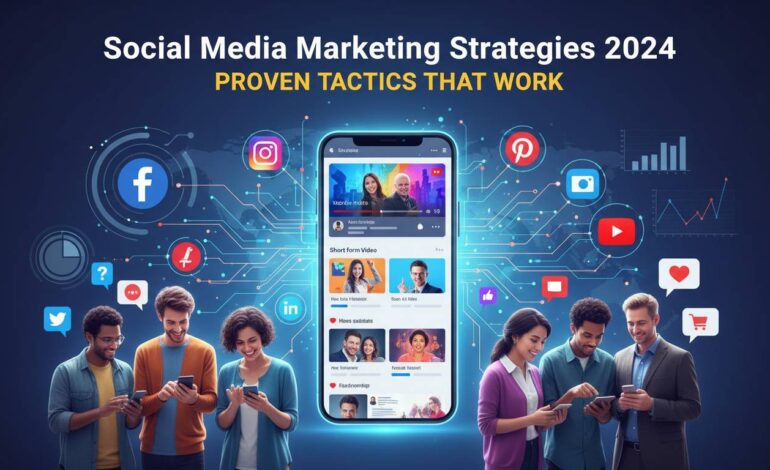
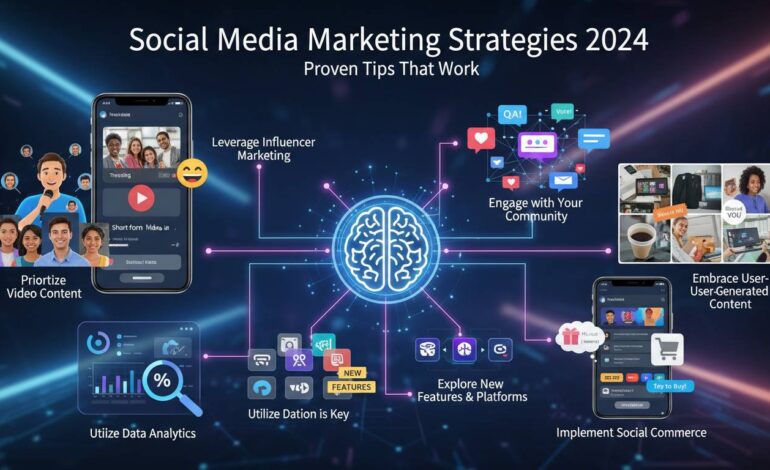
Social Media Marketing Strategies 2024: Proven Tips That Work

The social media landscape shifted dramatically in 2024. Algorithms changed, user habits evolved, and brands that refused to adapt got left behind. This guide covers what’s actually driving results this year—no fluff, just strategies you can implement.
What’s Changed in 2024
Social platforms have made their priorities clear: they want content that sparks real conversations, not passive scrolling. Meta’s algorithms now weigh saves and shares heavily, TikTok still rewards anything that grabs attention in the first few seconds, and X (formerly Twitter) pushes reply threads and timing-sensitive posts.
Here’s what matters: users spend about 2.5 hours daily on social media, but they’re tuned out to anything that feels like advertising. The brands winning right now? They’re posting video, talking to their followers like actual people, and using data to make decisions instead of guessing.
Most marketers are being asked to do more with less—produce more content, faster, with smaller teams. That efficiency gap is why some brands are pulling ahead and others are drowning.
Short-Form Video Is Non-Negotiable
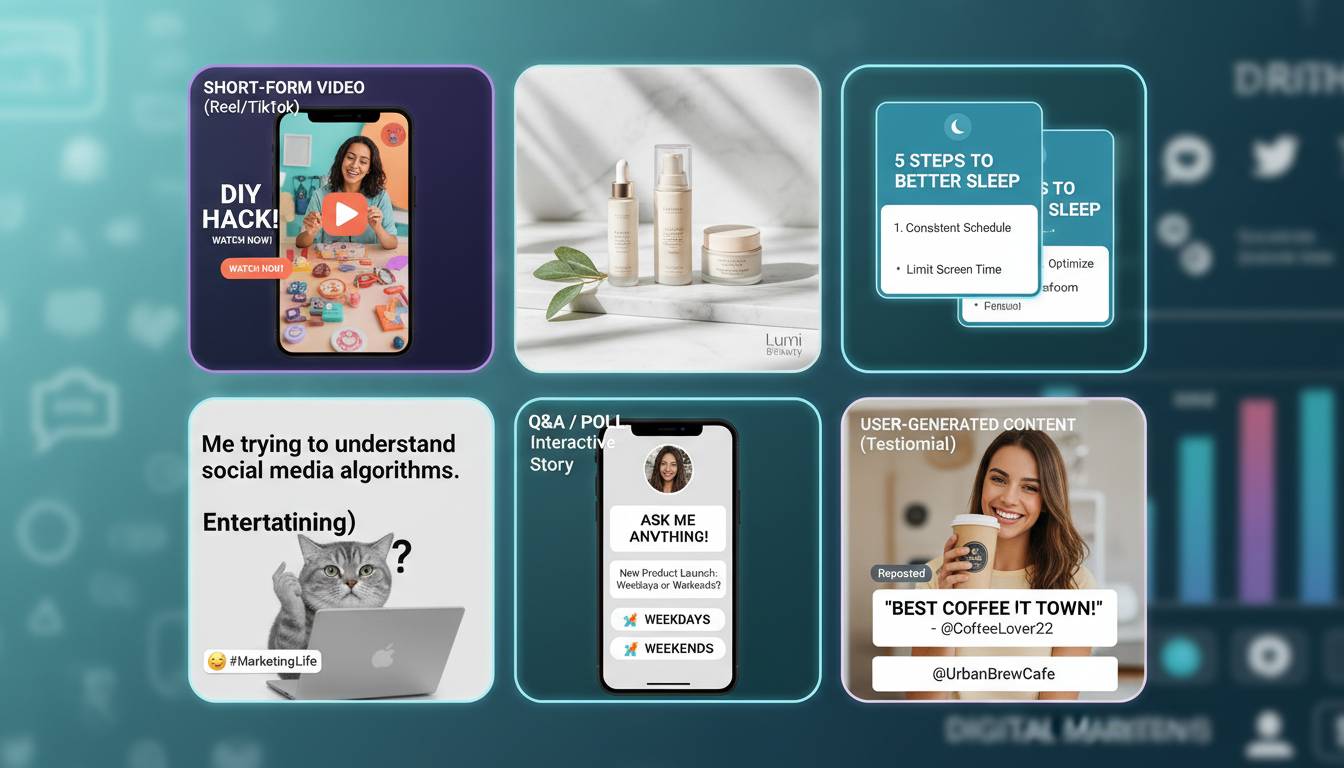
Let’s be direct: if short-form video isn’t central to your strategy, you’re behind. TikTok, Instagram Reels, and YouTube Shorts are dominating user attention. The engagement numbers aren’t close—video blows static posts out of the water.
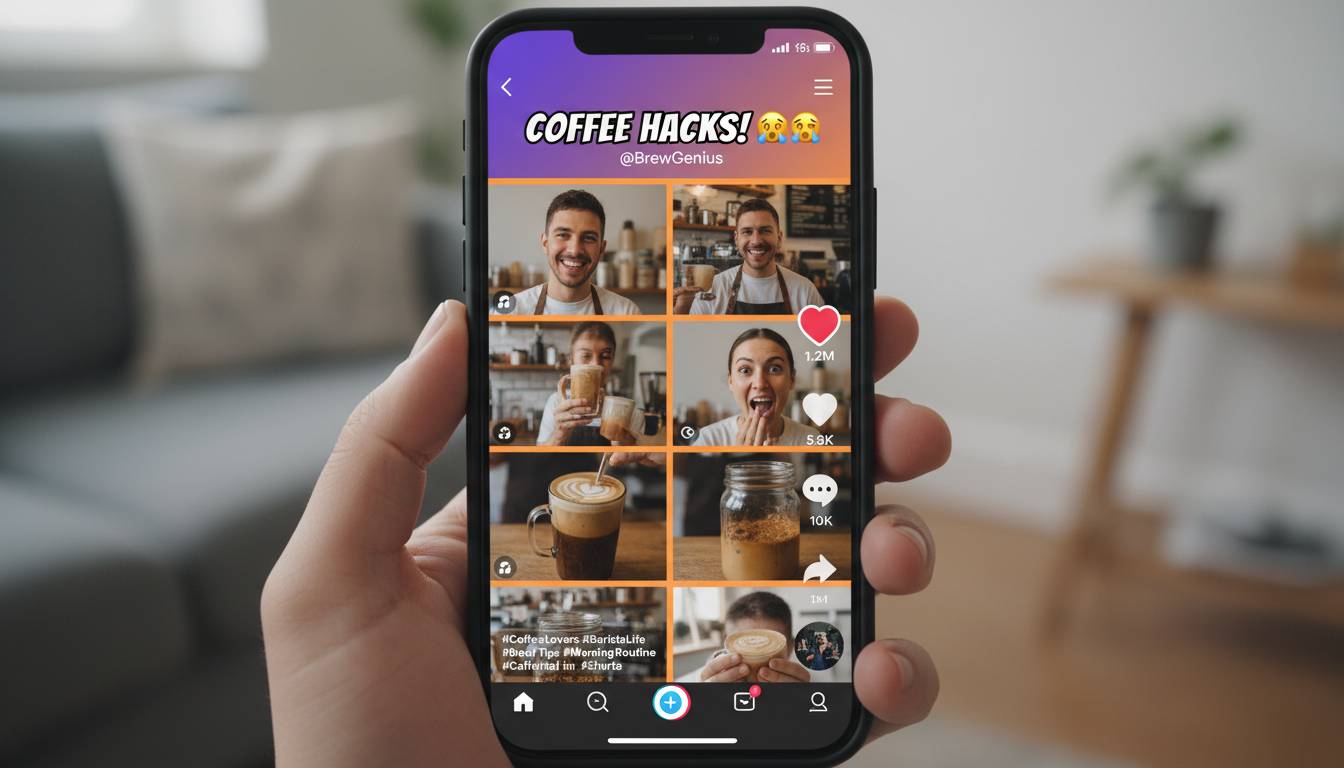
But here’s what people get wrong: you don’t need Hollywood production. Viewers actually prefer content that feels real. Quick tips, behind-the-scenes looks, raw footage from events—those formats consistently outperform polished ads. The key is showing up consistently (3-5 times weekly works for most brands) and tailoring each post to the specific platform rather than cross-posting the same thing everywhere.
One marketing strategist at a digital agency put it plainly: “Brands treating short-form video as optional are losing ground to competitors who’ve made it their primary focus.”
AI Tools Are Actually Useful Now
AI has become practical for social media work in 2024—not as a replacement for human creativity, but as a serious efficiency layer.
Content optimization tools now analyze posting patterns, hashtag performance, and format preferences to recommend what will actually work for your specific audience. Instead of guessing, you get data-backed suggestions.
Analytics have gotten smarter too. Predictive tools can flag trending topics before they peak, identify creators worth partnering with, and estimate how content will perform before you publish. This means less waste on content that flops.
For customer service, AI chatbots integrated with social platforms handle common questions automatically and pass complex issues to humans. Response times drop, and your team focuses on conversations that actually need a personal touch.
Influencer Marketing Got Smarter
The big shift in 2024: brands moved away from expensive mega-influencer deals toward smaller creators who actually connect with their audiences. The math makes sense—micro-influencers typically deliver better engagement rates at a fraction of the cost.
But the real change is authenticity. Audiences can spot inauthentic sponsored content instantly. The brands seeing results now are building long-term relationships with creators who genuinely use and believe in their products. Think ambassador programs lasting months or years, not one-off sponsored posts.
Platforms also tightened disclosure requirements, so compliance matters. But the most successful approach gives creators real creative freedom—let them present products in their own voice, within content that fits their style.
One trend worth noting: employee-generated content often outperforms official brand posts. And customer testimonials? They carry more credibility than anything money can buy.
Platform-Specific Approaches That Work
Generic posting doesn’t work anymore. Here’s what actually performs on each platform:
TikTok rewards creativity, trend participation, and personality. Educational content that doesn’t feel like a lecture, local references, and quick adaptation to trending audio all drive reach. This is your platform if you’re targeting Gen Z.
Instagram now works as a hybrid: Reels for discovery, Stories for direct connection, feed posts for building your brand identity. The algorithm prioritizes content that gets saved and shared, so aim for genuinely useful posts rather than promotional material.
LinkedIn emerged as the B2B powerhouse. Thought leadership, company culture posts, and industry insights perform exceptionally well. Long-form content builds authority here—the algorithm rewards genuine expertise.
YouTube is still the second-largest search engine. Long-form video (tutorials, brand stories, interviews) works as the foundation for marketing funnels—people actually search for solutions and find brands there.
Building Real Communities
The shift from broadcasting to community building is the most important change in 2024. Brands treating social media as a two-way conversation consistently see higher loyalty and customer lifetime value.
User-generated content campaigns invite customers into your brand story while creating authentic material you can reuse. Contests, challenges, and branded hashtags drive participation and give you a library of content.
How you respond to comments and messages matters enormously. Quick, personalized responses build goodwill; ignoring engagement signals that you don’t care. Social customer service directly impacts purchasing decisions—most consumers say social interactions influence what they buy.
Private communities (Discord servers, private Facebook groups) enable deeper relationships. Exclusive content, early access, and direct feedback loops build loyalty that public posts never could.
Measuring What Actually Matters
Vanity metrics (likes, follower counts) don’t pay the bills. Attribution modeling has gotten more sophisticated because customer journeys now span multiple platforms and devices—you need to understand where social media actually fits in the path to purchase.
Your KPIs should match your actual business goals:
- Brand awareness? Track reach and impressions
- Conversions? Measure click-through rates, cost per acquisition, and revenue attribution
- Engagement? Look at saves, shares, and comments as leading indicators
Platform analytics are improving, but third-party attribution tools help you see the full customer journey. Multi-touch attribution models credit social media appropriately regardless of where the conversion happened.
Report regularly, but make sure you’re interpreting data, not just presenting numbers. Insights without action are wasted.
Common Questions
Which platform should my business focus on?
It depends on your audience and goals. B2B? LinkedIn dominates. Consumer brands? Usually Instagram, TikTok, or both. Figure out where your customers actually spend time, master one platform, then expand.
How often should I post?
Consistency beats frequency. Most brands do well with 3-5 weekly posts on their main platform, plus Stories. One great post outperforms five mediocre ones—focus on quality.
Does influencer marketing still work?
Yes, but execution matters. Prioritize long-term partnerships with creators whose values match yours. Genuine enthusiasm beats follower count every time. Micro-influencers typically deliver better ROI than celebrity deals.
How do I measure social media ROI?
Start with clear objectives—awareness, engagement, leads, or conversions. Use platform analytics plus attribution tools to track the full customer journey. Compare social performance against actual business outcomes.
Should my business use AI tools?
They can genuinely help with content optimization, posting schedules, analytics, and customer service. Just make sure a human reviews anything AI generates before it goes live.
How important is video?
Essential for most brands. Short-form video on TikTok, Reels, and Shorts drives massive organic reach. Even platforms historically focused on images now prioritize video. If you can’t produce a lot of video, focus on authenticity over production quality—it resonates more anyway.
The Bottom Line
Social media in 2024 rewards authenticity, video-first strategies, and smart use of technology. Success comes from understanding each platform’s specific dynamics, building real connections with your audience, and measuring outcomes that actually matter to your business.
The strategies here give you a framework, but your audience, resources, and goals are unique—adapt accordingly. Platforms will keep changing. The brands that succeed will be the ones that stay flexible and focus on genuine connection rather than gaming algorithms.