Social Media Marketing: Proven Strategies That Drive Results

Social media marketing has become essential for businesses of all sizes, changing how brands connect with audiences and drive growth. With billions of active users across multiple platforms, businesses that use social media effectively can build brand awareness, engage customers, and generate measurable ROI. This guide covers proven strategies, platform-specific approaches, and best practices that help modern businesses succeed in social media marketing.
Understanding Social Media Marketing
Social media marketing involves using social media platforms to promote products, services, or brands, connect with target audiences, and achieve business objectives. Unlike traditional marketing channels, social media enables two-way communication between businesses and consumers, building genuine relationships and community. The discipline includes content creation, community management, paid advertising, influencer partnerships, and analytics tracking.
Successful strategies require careful planning, consistent execution, and continuous optimization based on performance data. Businesses must understand their audience demographics, preferred platforms, content preferences, and engagement patterns to create meaningful connections that translate into business results.
Why Social Media Marketing Matters for Modern Businesses
The impact of social media marketing on business success is significant. Consumer behavior has shifted toward digital platforms, with millions of users spending time on social networks daily. This creates opportunities for businesses to reach their target audiences where they already spend time online.
Brand awareness is one of the primary benefits of social media marketing. Consistent presence on relevant platforms helps businesses stay top-of-mind among potential customers. Unlike paid advertising that stops when budgets run out, organic social media content continues to reach audiences and build brand recognition over time.
Customer engagement has become more accessible through social media marketing. Businesses can interact directly with their audience, respond to questions, address concerns, and gather valuable feedback. This real-time communication builds trust and loyalty while providing insights that can inform product development and service improvements.
Lead generation and sales conversion represent the practical benefits of social media marketing. Platforms offer targeting capabilities that allow businesses to reach users based on demographics, interests, behaviors, and purchase intent. Combined with compelling content and clear calls-to-action, social media can drive significant traffic and conversions.
Creating an Effective Social Media Marketing Strategy
Building a successful social media presence requires more than random posting. Businesses need comprehensive strategies that align with overall marketing objectives and target audience needs. The foundation of any effective strategy begins with clearly defined goals.
Goal-setting should be specific, measurable, achievable, relevant, and time-bound. Rather than vague objectives like “increase followers,” businesses should establish concrete targets such as “generate 500 qualified leads through social media within three months.” These specific goals provide direction and enable accurate performance measurement.
Understanding target audiences forms the cornerstone of effective social media marketing. Businesses must identify their ideal customers, including demographic characteristics, interests, pain points, and preferred content formats. This audience research informs platform selection, content creation, and messaging strategies.
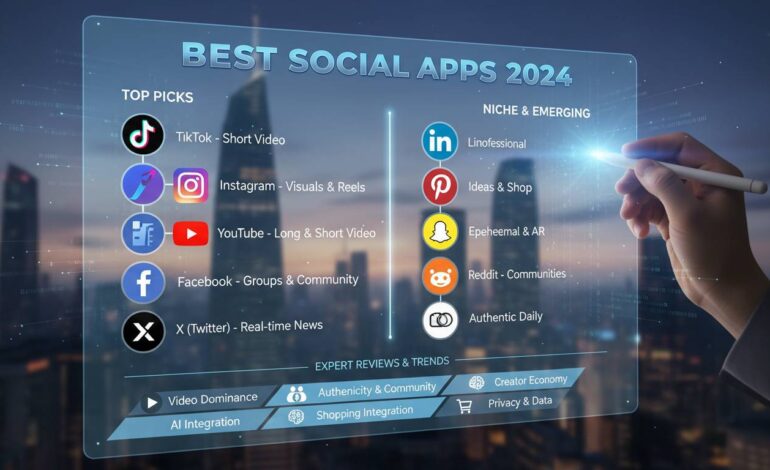
Platform selection requires careful consideration based on audience preferences and business objectives. Each social media platform attracts different user demographics and supports different content types. Facebook remains valuable for reaching broad audiences and older demographics, while Instagram and TikTok work well with younger audiences through visual content. LinkedIn serves B2B businesses and professional networking, while Pinterest drives discovery for lifestyle and e-commerce brands.
Best Platforms for Social Media Marketing
Facebook dominates the social media landscape with billions of monthly active users worldwide. The platform offers advertising capabilities, diverse content formats including videos, images, and Stories, and group features for community building. For businesses targeting broad consumer audiences, Facebook remains essential despite increasing competition for user attention.
Instagram has become a leading platform for visual storytelling and brand building. The platform’s emphasis on high-quality images and videos makes it ideal for lifestyle brands, e-commerce businesses, and companies with visually compelling products or services. Features like Shop tags, Reels, and Stories provide multiple avenues for engagement and conversion.
LinkedIn has emerged as the dominant platform for B2B social media marketing. The professional networking site enables businesses to establish thought leadership, recruit talent, and connect with decision-makers across industries. Long-form content performs well on LinkedIn, making it suitable for businesses seeking to share industry insights and professional expertise.
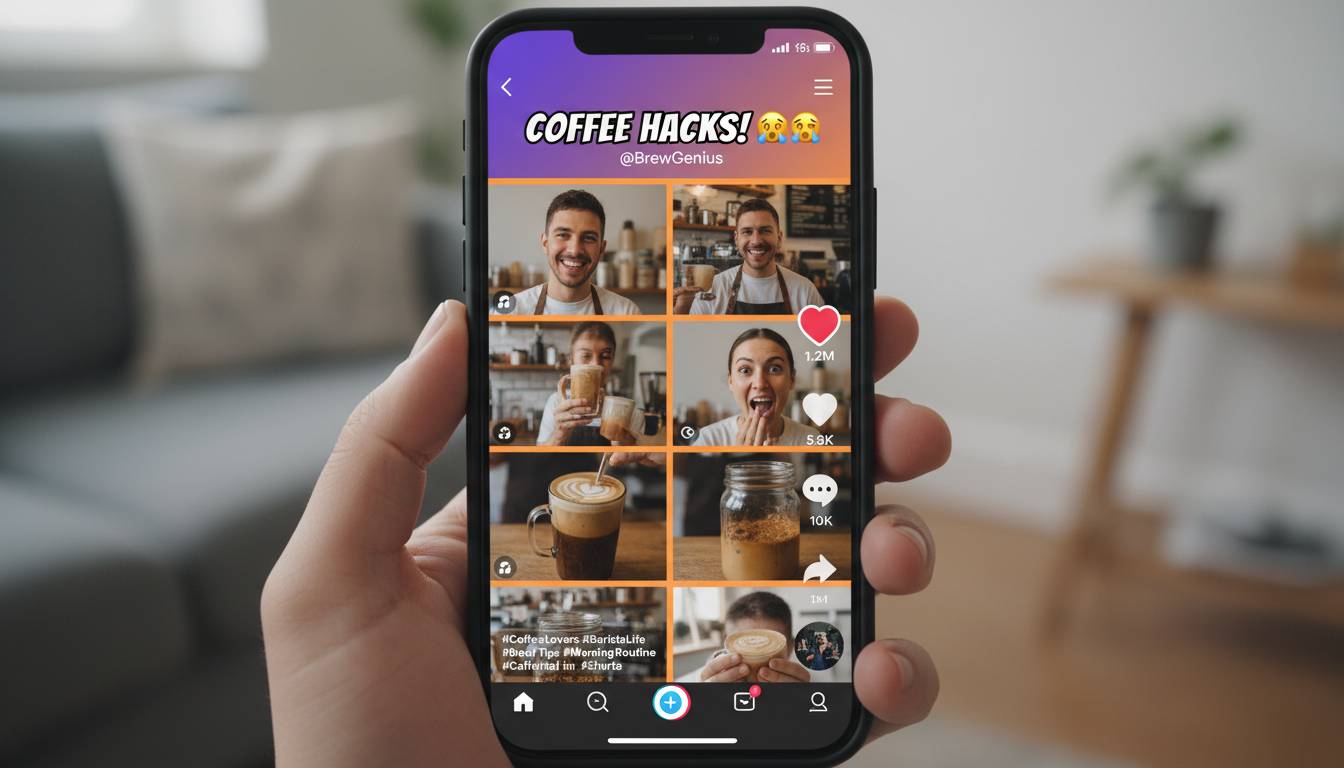
TikTok has changed social media with its short-form video format and algorithm-driven content discovery. The platform’s rapid growth and engaged user base present significant opportunities for brands willing to create authentic, entertaining content. While initially popular with younger demographics, TikTok’s audience has expanded, creating opportunities for businesses across age groups.
Social Media Marketing Best Practices
Consistency in posting frequency and quality builds audience expectations and maintains engagement. Businesses should establish realistic publishing schedules that they can sustain over time rather than sporadic posting followed by long gaps. Regular content delivery keeps brands visible and signals reliability to potential customers.
Content variety keeps audiences engaged and addresses different consumption preferences. Successful social media strategies incorporate multiple content types, including educational posts, entertaining content, behind-the-scenes glimpses, user-generated content, and promotional materials.
Engagement with followers significantly impacts social media success. Responding promptly to comments, messages, and mentions shows that businesses value their community and care about customer relationships. This two-way communication builds loyalty and encourages continued engagement.
Hashtag strategy requires thoughtful implementation to maximize content discoverability. Businesses should research relevant hashtags used by their target audiences and industry peers. A mix of broad, popular hashtags and niche, specific hashtags typically performs best.
Measuring Social Media Marketing Success
Analytics and metrics provide the foundation for data-driven social media optimization. Key performance indicators should align with established business goals and provide actionable insights for strategy refinement. Rather than chasing vanity metrics like follower counts, businesses should focus on engagement rates, click-through rates, conversions, and return on investment.
Engagement rate serves as a primary indicator of content resonance. This metric measures the level of interaction content generates relative to reach or follower count. Higher engagement rates indicate that content successfully captures audience attention and prompts action.
Conversion tracking measures the business impact of social media efforts. Whether the goal is website traffic, lead generation, product purchases, or app installations, businesses must implement proper tracking to connect social media activities to desired outcomes.
Return on investment calculation determines the financial impact of social media marketing expenditures. This analysis compares revenue generated from social media activities against costs incurred, including content creation, advertising spend, and management time.
Essential Social Media Marketing Tools
Content scheduling platforms streamline the complex task of maintaining consistent presence across multiple networks. Tools like Hootsuite, Buffer, and Sprout Social enable businesses to plan content calendars, queue posts in advance, and manage all accounts from centralized dashboards. These tools save significant time while ensuring consistent posting schedules.
Analytics tools provide the data necessary for informed decision-making. Native platform analytics offer valuable insights into content performance and audience behavior, while comprehensive social media analytics platforms aggregate data across multiple networks.
Content creation tools help businesses produce professional-quality visual content. Design platforms like Canva enable users without graphic design expertise to create posts, stories, and advertisements. Video editing tools, image resizers, and content curation resources further support efficient content production.
Frequently Asked Questions
What is social media marketing?
Social media marketing is the practice of using social media platforms to promote a business, build brand awareness, connect with customers, and drive sales. It involves creating and sharing content, engaging with followers, running paid advertisements, and analyzing results to achieve specific business objectives.
How long does it take to see results from social media marketing?
Results vary based on factors including industry, competition, content quality, and consistency. Some businesses see initial engagement within weeks, while significant ROI typically requires three to six months of sustained effort. Building a strong organic presence is a long-term investment.
Which social media platform should my business use?
Platform selection depends on your target audience and business type. Facebook works well for broad consumer audiences, Instagram suits visual brands, LinkedIn serves B2B companies, and TikTok targets younger demographics. Research where your ideal customers spend their time and focus efforts accordingly.
How often should I post on social media?
Optimal posting frequency varies by platform and audience. Generally, posting 3-5 times per week on Facebook and Instagram, daily on Twitter, and 1-3 times daily on TikTok provides good visibility without overwhelming followers.
How do I measure social media marketing success?
Track metrics aligned with your specific goals, including engagement rate, click-through rate, follower growth, website traffic from social media, leads generated, and conversions. Use platform analytics and UTM tracking to measure performance.
Do I need to advertise on social media, or is organic content enough?
While organic content builds long-term brand presence and relationships, paid advertising accelerates reach and results. Most businesses benefit from combining organic and paid strategies.
Conclusion
Social media marketing remains one of the most powerful tools available to modern businesses seeking to connect with audiences and drive growth. The strategies and best practices in this guide provide a foundation for building successful social media presence, but success requires ongoing commitment, experimentation, and adaptation to evolving platform changes and consumer behaviors.
Businesses that invest thoughtfully in social media marketing position themselves for sustainable growth through increased brand awareness, deeper customer relationships, and measurable business results. The key lies in understanding your audience, creating valuable content, engaging authentically, and continuously optimizing based on performance data.