Social Media Marketing Guide: Proven Strategies That Drive Growth

Billions of people use social media every day—over 4.9 billion users worldwide, spending an average of more than two hours daily on various platforms. For businesses, this represents a massive opportunity to reach customers where they already spend their time. This guide covers the fundamentals of social media marketing, strategies that actually work, and practical tips businesses can use to see real results.
What Is Social Media Marketing?
Social media marketing means using platforms like Facebook, Instagram, Twitter, LinkedIn, TikTok, and Pinterest to promote products or services, talk directly with customers, and achieve specific business goals. Unlike old-school advertising, social media lets brands have actual conversations with people—not just shouting at them. Brands create content, run ads, check their results, and join discussions happening on these platforms.
The practice has changed a lot since the early days of simple brand pages. Modern social media marketing now includes advanced targeting options, detailed analytics, partnerships with influencers, and community management. About 73% of marketers say social media marketing works for their business, and 54% of consumers look at social media before buying something. These numbers show how important social media has become in marketing and how people make decisions.
Key Benefits of Social Media Marketing
A solid social media strategy helps businesses grow in several ways.
Increased Brand Awareness: Social platforms let brands reach a lot of people without spending what traditional advertising costs. Even without paying for ads, brands can appear in front of users who haven’t found them yet. When content connects with people, they share it, and the reach grows beyond just the followers.
Direct Customer Engagement: Social media isn’t one-way like TV or print ads. Brands can respond to questions, fix problems, and celebrate positive experiences publicly. This builds trust and loyalty that turns into long-term relationships.
Cost-Effective Advertising: Paid social ads let businesses target specific age groups, interests, and behaviors. Small businesses can set their own budgets and pay per click or per impression. Most businesses pay around $0.94 per Facebook click, which works for various budget sizes.
Valuable Market Insights: Social platforms produce tons of data about what audiences like, how content performs, and what competitors are doing. Looking at this information helps businesses spot trends, find new opportunities, and adjust their strategy based on what people actually do, not just guesses.
Major Social Media Platforms for Marketing
Each platform has different users and supports different types of content. Choosing the right platform matters—it affects who sees your content and how well it performs.
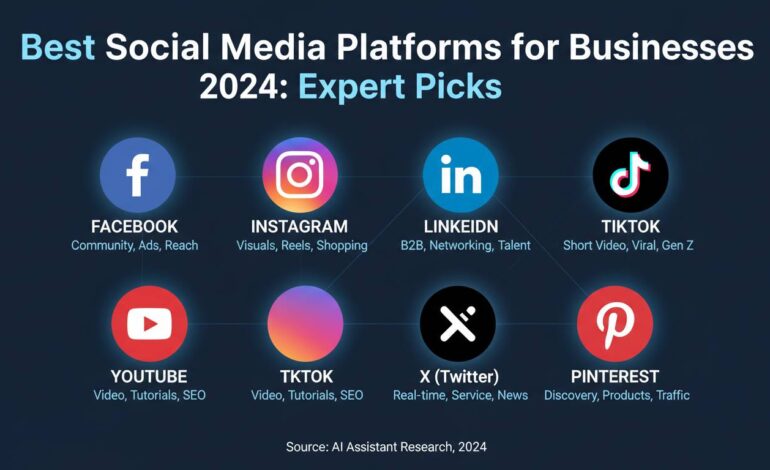
Facebook has about 3 billion monthly users, making it the biggest platform. Its ad tools are strong, and the audience is broad. Facebook works well for building communities, promoting events, and running targeted ads for both consumer and business brands.
Instagram has over 2 billion monthly users and focuses on photos, videos, and Stories. It works especially well for fashion, food, travel, and lifestyle brands, though any business can use visuals effectively.
LinkedIn is the main platform for business-to-business marketing and professional networking. With over 900 million members, it’s good for thought leadership, finding leads, and hiring. Content that helps professionals with industry knowledge and career development does well there.
TikTok has become huge, especially with younger people. Its algorithm shows content to people who haven’t followed you yet, so brands can get reach without a big existing audience if they make entertaining short videos. Older users have started joining too, making it useful for more brands.
Twitter/X is where people talk about news, events, and customer service in real time. Brands share updates, join industry conversations, and handle customer problems publicly. Being active and responding quickly matters on this fast-paced platform.
Pinterest is a visual discovery platform where users look for ideas and solutions. With over 450 million monthly users, it’s strong for e-commerce, home decor, fashion, and food—anywhere visuals inspire purchases.
Creating an Effective Social Media Marketing Strategy
A clear strategy keeps efforts focused. Without specific goals and a plan, businesses waste time and money on things that don’t help the business.
Define Clear Objectives: Start with specific goals you can measure. Common ones include more brand awareness, website traffic, leads, sales, engagement, or community building. Each goal needs numbers so you can track progress and show results.
Identify Target Audiences: Knowing who you want to reach guides everything else. Build audience profiles with age, interests, problems, and what kind of content they prefer. This determines which platforms to use, what to post, and how to target ads.
Conduct Competitive Analysis: Look at what competitors do on social media. How often do they post? What kind of content? How much engagement do they get? This shows what’s normal in your industry and where you can do something different.
Develop Content Strategy: Plan what you’ll post and when. A content calendar helps with consistency. Good strategies mix promotional posts with content that entertains, educates, or inspires. Many brands follow an 80/20 split: 80% value-driven content, 20% promotional.
Establish Brand Voice and Guidelines: Being consistent helps people recognize and trust your brand. Decide on your voice—professional, casual, funny, inspirational—and make sure everyone posts the same way. Use the same colors, fonts, and image styles across platforms.
Proven Social Media Marketing Tactics
These approaches have shown results for businesses in different industries and sizes.
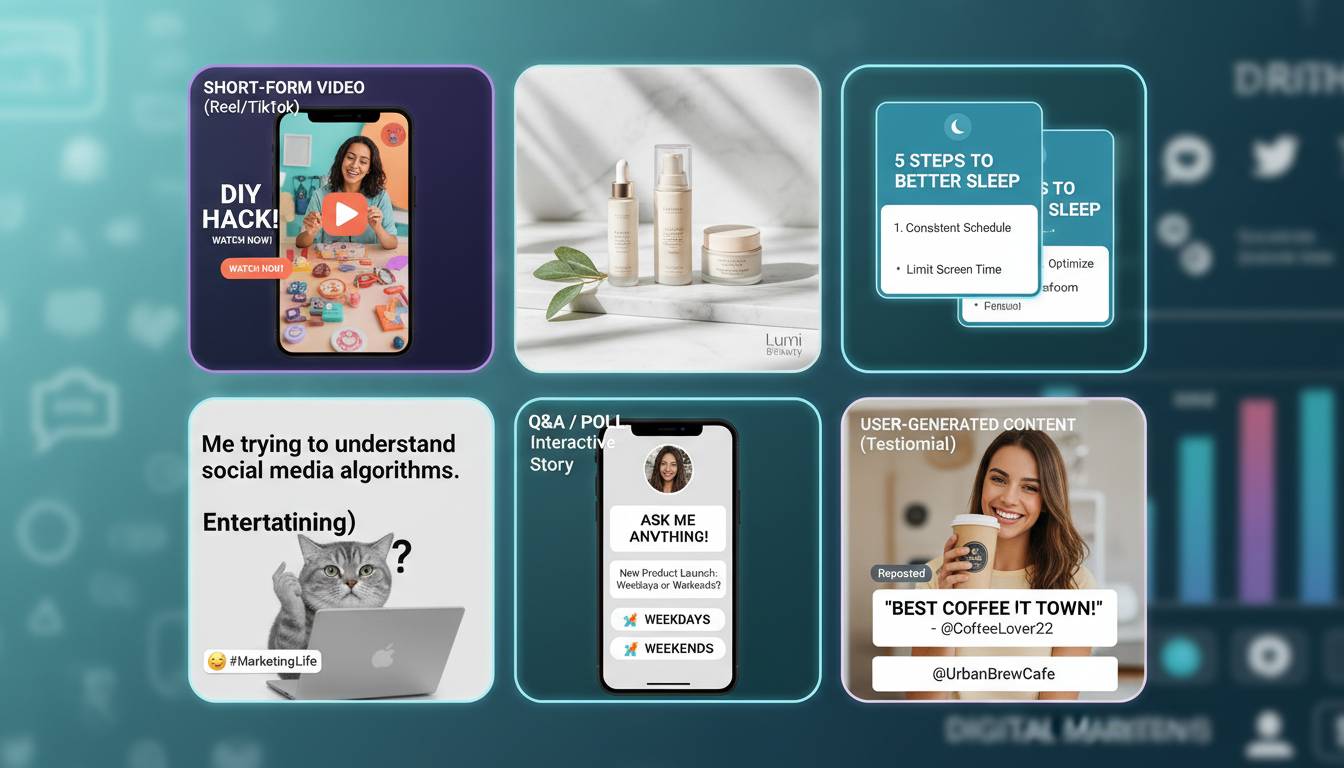
Leverage User-Generated Content: Ask customers to share their experiences with your products. This provides real social proof and saves time on creating content. People trust other customers more than brands, so this content usually gets better engagement.
Implement Hashtag Strategy: Hashtags help people find your content. Use platform tools and industry research to find relevant hashtags. Mix popular ones with more specific ones. Don’t use too many—three to five usually works best on most platforms.
Utilize Stories and Ephemeral Content: Instagram, Facebook, and LinkedIn have Stories features for temporary content. This format works well for more authentic, in-the-moment posts. Since it disappears, people check regularly for new content.
Partner with Influencers: Influencer marketing taps into the trust influencers have built with their followers. Authenticity matters—people can tell when a partnership feels fake. Micro-influencers with 10,000 to 100,000 followers often get better engagement and connect more with specific audiences than huge influencers.
Engage in Community Building: Creating a community around your brand builds loyalty and turns customers into advocates. These communities give valuable feedback, generate word-of-mouth, and let customers connect with each other over shared interests.
Essential Tools for Social Media Marketing
The right tools make work easier, keep you consistent, and provide insights for improvement.
Scheduling and Publishing Tools: Buffer, Hootsuite, Later, and Sprout Social let you create content in batches and post automatically across accounts. This saves time and keeps posting schedules steady.
Analytics and Reporting Tools: Knowing how you’re doing requires good data. Each platform has built-in analytics. Tools like Sprout Social, Brandwatch, and Google Analytics offer more detailed reporting across platforms.
Content Creation Tools: Making good-looking content is easier with tools like Canva, Adobe Creative Suite, and AI-powered generators. These help maintain quality without needing professional design skills.
Social Listening Tools: Watching what people say about your brand, your industry, and competitors gives useful information. Tools like Mention, Brandwatch, and Hootsuite Insights track conversations and sentiment.
Measuring Social Media Marketing ROI
Showing results keeps budget coming and helps improve strategy.
Track Vanity Metrics Appropriately: Likes, followers, and shares show engagement but don’t directly prove business results. These metrics matter but shouldn’t be the only things you track.
Monitor Conversion Metrics: Most businesses want specific actions from social media. Track website visits from social, form submissions, sales, and other conversions. Adding UTM tags to links lets you see exactly where traffic and sales come from.
Calculate Engagement Rate: Engagement rate measures how much interaction content gets compared to how many people saw it. Higher rates usually mean content connects with audiences. Average rates range from 0.5% to 3% depending on platform and content type.
Report on Goal Completion: Check regularly if you’re hitting your goals. If awareness is the goal, track reach and impressions. If leads matter, count inquiries from social. Regular reporting shows value and points out what to improve.
Tips for Social Media Marketing Success
Prioritize Quality Over Quantity: Bad content posted often hurts your brand more than good content posted less often. Focus on valuable, well-made content that people actually want to see.
Respond Promptly to Engagement: Social media users expect fast responses. Reply to comments, messages, and mentions quickly to show you value them. Set up coverage so someone checks during business hours.
Stay Current with Platform Changes: Platforms constantly add features, change algorithms, and user habits shift. Keep up with what’s new to take advantage of opportunities and adjust when things change.
Test and Iterate: What works for one brand might fail for another. Try different content, posting times, and ad approaches. Use actual data to improve rather than guessing.
Maintain Authenticity: People value realness and can tell when content feels scripted or fake. Communicate genuinely, show your brand values, and remember there are actual humans behind the account.
Frequently Asked Questions
What is the best social media platform for small businesses?
It depends on who you’re trying to reach and what you sell. Facebook and Instagram usually give the broadest reach for most small businesses. LinkedIn works better for B2B companies, and Pinterest is strong for e-commerce. Find out where your audience spends time and start with one or two platforms.
How much should small businesses spend on social media marketing?
It varies based on business size, goals, and competition. Many small businesses start with free organic posting and add paid ads once they see what works. $200 to $500 monthly for paid social gives good testing opportunities without risking too much money.
How often should businesses post on social media?
Optimal frequency differs by platform. Three to five times per week on Facebook and Instagram keeps you visible without overwhelming people. Twitter/X can handle more—five to ten or more times daily. LinkedIn does well with two to five posts weekly. Being consistent matters more than posting a lot.
How long does it take to see results from social media marketing?
Organic growth usually needs three to six months of steady effort before you see real results. Paid ads work faster, often within weeks. Building a large following and getting meaningful returns generally takes a year or more.
What type of content performs best on social media?
Video content does well across platforms, especially short videos like Reels and TikToks. But the best content varies by platform and audience. A mix of entertaining, educational, and promotional content usually works best.
How do you measure social media marketing success?
It depends on your goals. Track engagement (likes, comments, shares), reach and impressions, website traffic from social, leads generated, and conversion tracking. Set baseline numbers before starting campaigns so you can measure actual improvement.
Conclusion
Social media marketing gives businesses real chances to connect with audiences, build brand awareness, and grow in measurable ways. The landscape keeps changing—new platforms appear, algorithms shift, and user preferences evolve. Success takes more than just having accounts. It requires thinking strategically, executing consistently, and always improving based on results.
By understanding the basics in this guide, businesses can build social media approaches that fit their specific goals and audiences. The best results come from providing real value to followers, staying genuine in engagement, and learning from performance data. Getting meaningful results takes time and effort, but the potential payoff makes social media marketing essential for modern business.