Social Media Marketing: Complete Strategy Guide for Maximum Growth

Billions of people scroll through social media every single day. That’s not an exaggeration or a “statistic” that sounds impressive—it’s just reality. And if your business isn’t meeting people where they already are, you’re leaving money on the table.
This guide covers what actually works in social media marketing right now—not theory, but practical strategy you can implement today.
Understanding Social Media Marketing Fundamentals
Social media marketing means creating content for platforms like Facebook, Instagram, LinkedIn, and TikTok to build brand awareness, engage with customers, and drive sales. The key difference between social media and traditional advertising is the two-way conversation. You’re not just broadcasting at people; you’re building relationships through consistent, valuable interactions.
This includes posting updates, sharing videos, running ads, partnering with influencers, managing comments, and using data to improve results. Businesses use these platforms to reach new customers, yes, but also to listen to existing audiences, gather market intelligence, and position themselves as experts in their fields.
Here’s what many guides skip: people use social media for entertainment, information, connection, and validation. Marketing that taps into these motivations performs far better than sales pitches. The algorithms also favor content that keeps people engaged, so you have to create genuine value—not just promotional posts—to get reach.
Major Platforms and Their Business Applications
Each platform serves different purposes and attracts different audiences.
Facebook has nearly three billion monthly users, making it essential for broad reach. It’s strong for community building, event promotion, and targeted advertising based on user interests. Facebook Groups are worth exploring if you want to build a niche community around your product or industry.
Instagram is built for visual storytelling with over two billion monthly users. The shopping features integrate with content, letting businesses convert engagement into sales directly. Reels offer viral potential through short-form video, while Stories work well for behind-the-scenes content that feels authentic. If your brand is visual, Instagram should be your priority.
LinkedIn is the professional network—critical for B2B companies, recruitment, and building thought leadership. The algorithm rewards professional insights and industry analysis, not promotional posts. Use it to share company updates, establish executive visibility, and connect with potential clients and partners.
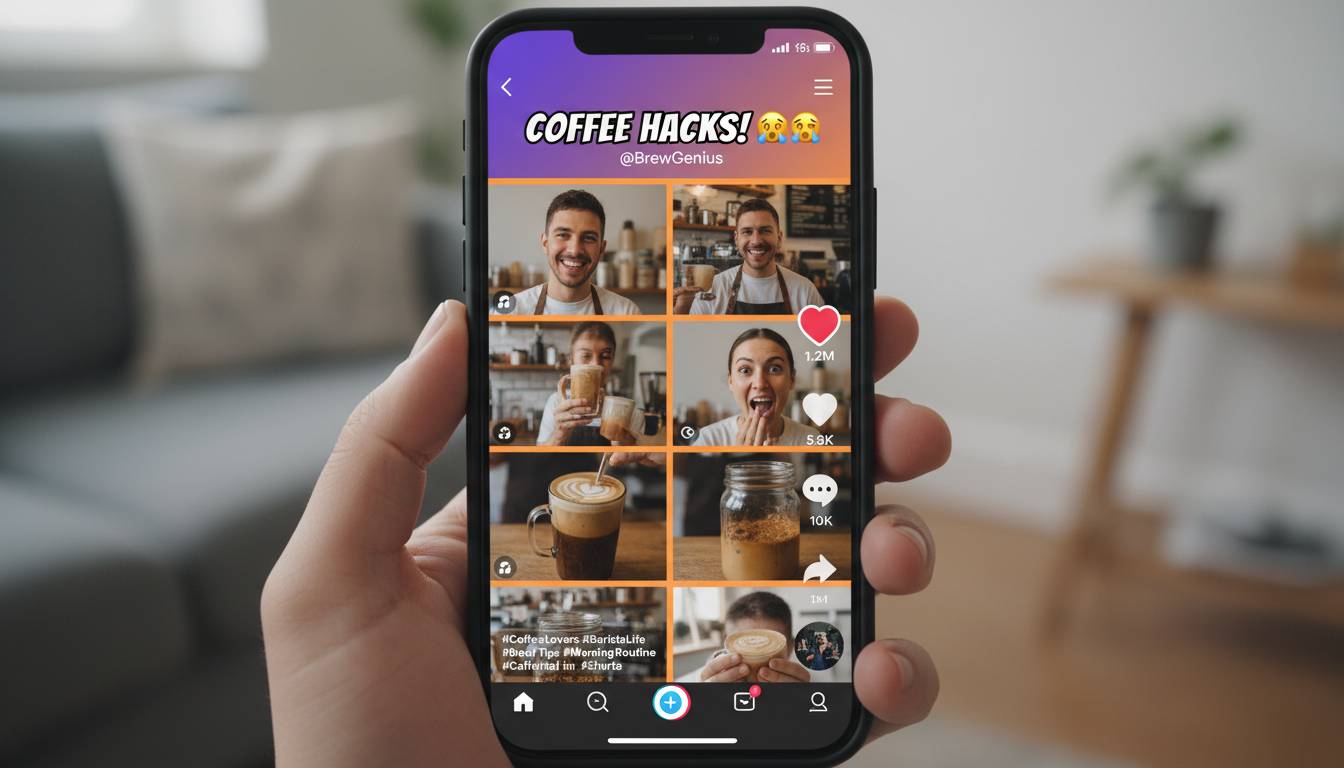
TikTok changed short-form video. It skews younger but is expanding to older demographics. The algorithm prioritizes content performance over follower count, so new accounts can get significant reach if their content resonates. Success here requires authenticity and trend participation—polished corporate messaging rarely works.
Building an Effective Social Media Strategy
Start with clear objectives that tie to your actual business goals. Common ones include brand awareness, website traffic, leads, sales, engagement, and community building. Each requires different metrics and content approaches. Define specific, measurable goals before launching anything.
Audience research comes first. Build detailed buyer personas with demographics, interests, platform preferences, and content habits. Understanding where your audience spends time and what they want to see lets you allocate resources efficiently. Check your engagement metrics regularly to see which audience segments respond to what content.
Look at what competitors are doing. This reveals tactics worth copying and gaps you can exploit. Check their content performance, engagement levels, and posting frequency. Use platform analytics, social listening tools, or simply spend time browsing their pages. Find your unique angle.
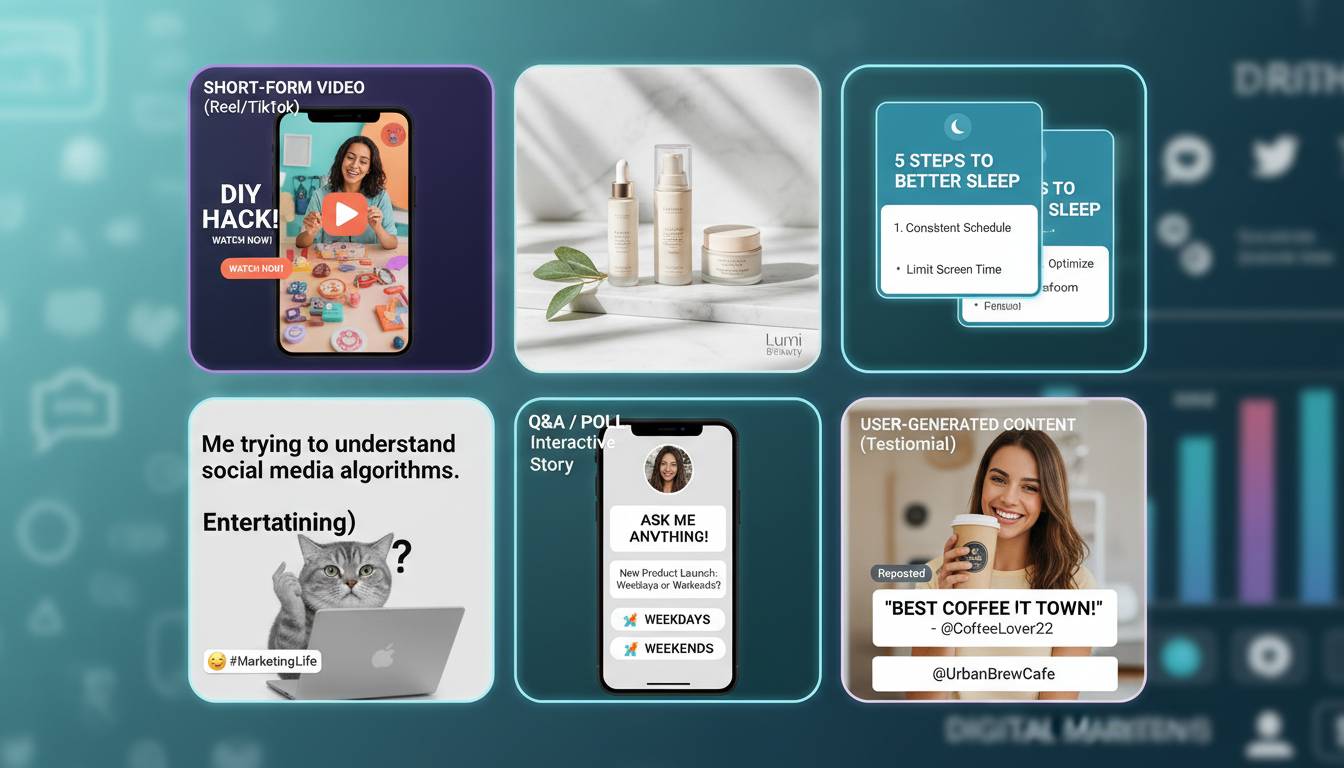
Plan content with a calendar. Consistent posting matters, but so does content variety. Mix educational posts, entertainment, user-generated content, promotions, and community engagement. Posting frequency varies by platform—experiment and watch what works. Planning ahead ensures quality control and alignment with product launches, seasons, and campaigns.
Content Creation That Drives Engagement
Content is everything in social media. Visual content—images, videos, infographics, carousel posts—consistently outperforms text-only posts across every platform. Invest in quality visuals, but don’t over-polish. Authentic, slightly rough-around-the-edges content often connects better than something that looks like a corporate production.
Video dominates. TikTok and Instagram Reels get significant algorithmic preference. Create behind-the-scenes footage, product demos, customer testimonials, educational content, and entertainment that fits your brand. Live streaming works for real-time engagement, Q&As, and launches that create urgency.
Copywriting needs to match each platform’s culture. Twitter wants short, punchy points. LinkedIn rewards thoughtful, professional insights. Instagram captions can be longer with clear calls to action and relevant hashtags. Whatever platform you’re using, address audience pain points, offer clear benefits, and tell people exactly what to do next.
Hashtags help content get discovered. Research relevant tags with moderate competition—not the most popular ones where you’ll get buried, but specific enough to reach interested audiences. Many brands create their own hashtags for campaigns and user-generated content. The best hashtag initiatives build communities around shared experiences.
Measuring Success and Optimizing Performance
Analytics tools on each platform show reach, impressions, engagement rates, follower demographics, and content performance. Review these regularly to spot patterns—what works, when your audience is active, and what falls flat. This informs both small tweaks and bigger strategic shifts.
Pick KPIs that match your actual objectives. Engagement rate, follower growth, website clicks, conversions, customer acquisition cost, and return on ad spend all matter, but prioritize based on your goals. Establish baselines before launching campaigns so you can measure real improvement.
A/B testing helps you optimize systematically. Try different posting times, content formats, headlines, images, and calls to action. Many platforms have built-in testing tools for ads. For organic content, you’ll need to experiment manually. Small improvements compound over time.
ROI connects social media to real business outcomes. Use UTM parameters to track traffic from specific posts. Attribution modeling shows which touchpoints lead to conversions—challenging across multiple platforms, but essential for proving value. Connect social metrics to revenue for the clearest picture of return on investment.
Emerging Trends Reshaping Social Media Marketing
The landscape keeps shifting.
AI is changing content creation, scheduling, and personalization. Tools now help with caption writing, image generation, audience targeting, and performance prediction. Human oversight remains essential for brand consistency and authenticity, but ignoring these tools means falling behind.
Privacy changes are limiting data collection. Following regulatory changes and shifting user preferences, platforms have restricted third-party tracking. First-party data—email lists, app downloads, direct customer relationships—has become more valuable.
Social commerce is growing. Instagram Shopping, Facebook Shops, and TikTok storefronts let people buy without leaving the app. Live shopping events combine entertainment with purchasing.
Creators and influencers are now major players. Brand partnerships with relevant creators reach engaged audiences authentically. Micro-influencers with smaller, dedicated followings often outperform mega-influencers with broad but less connected audiences. Long-term creator relationships build genuine brand advocacy.
Frequently Asked Questions
What’s the best platform for small businesses?
It depends on your audience. Instagram and Facebook work for most due to broad reach and advertising tools. B2B does better on LinkedIn. Visual brands often thrive on Instagram and TikTok. Research where your specific audience spends time.
How often should I post?
Varies by platform. Daily on Instagram and Facebook works for most. LinkedIn three to five times weekly is enough. Quality matters more than quantity—three great posts beats seven mediocre ones.
How do I measure ROI?
Use UTM tracking and conversion pixels to connect social activity to outcomes. Calculate ROI by dividing revenue attributed to social media by your total social media costs. Focus on conversion-oriented goals for the clearest picture.
What’s a reasonable budget?
Small businesses often start with organic efforts before paid. Industry benchmarks suggest 10-20% of marketing budgets, though it varies by sector. Start small with paid campaigns, measure results, and scale what works.
How long until I see results?
Organic growth usually needs three to six months of consistent effort. Building an engaged community takes time. Paid ads can show results in two to four weeks. Commit to the long term and optimize continuously.
Should I be on every platform?
No. Spreading thin rarely works. Focus on two or three platforms where you can actually excel. Pick based on your audience, content capabilities, and where you can realistically compete for attention.