Social Media Marketing: Complete Guide to Growth in 2025

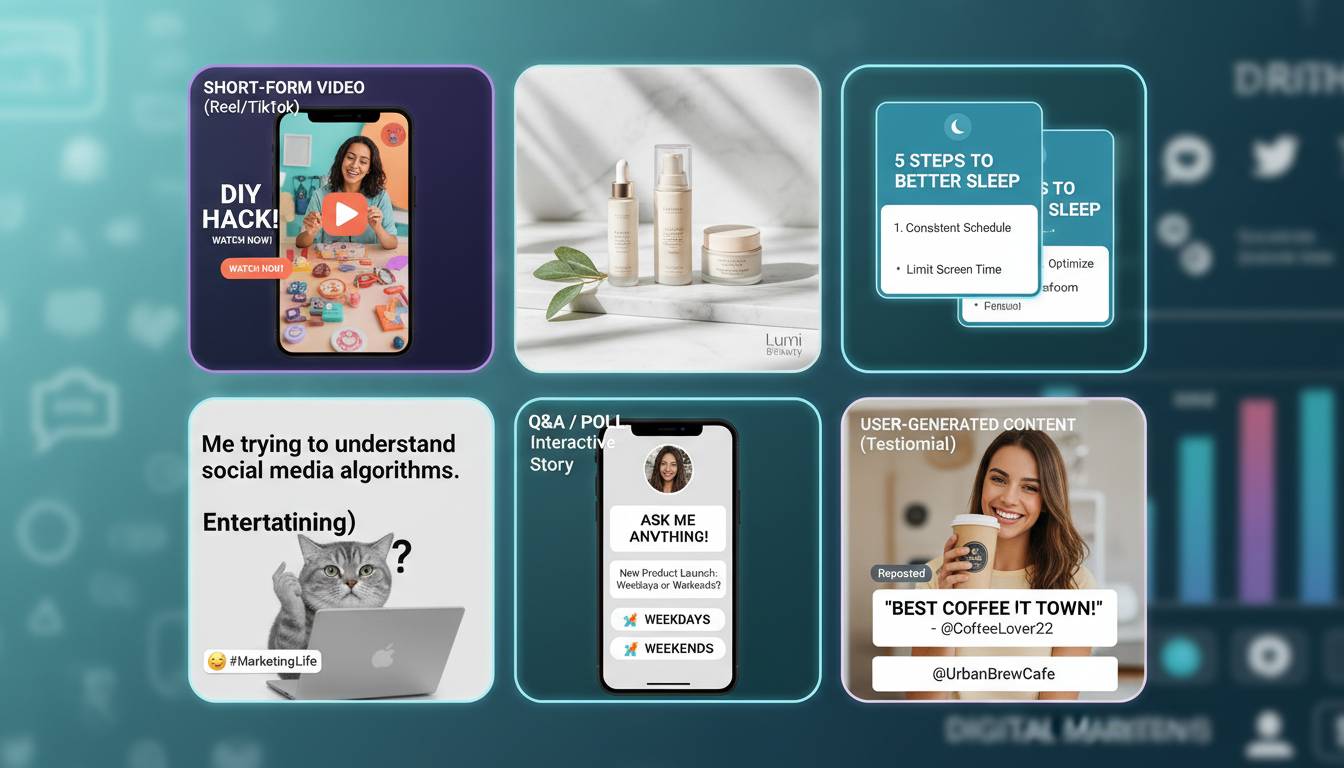
Social media has changed how businesses connect with their audiences. If you’re not using these platforms as part of your marketing strategy, you’re missing out. With billions of people using social media every day, companies can reach potential customers directly, build brand awareness, and drive sales. This guide covers what you need to know about social media marketing in 2025, from the basics to strategies that actually work.
What Is Social Media Marketing?
Social media marketing means using platforms like Facebook, Instagram, LinkedIn, X (formerly Twitter), TikTok, and Pinterest to reach your audience, grow your brand, and increase sales. You create and share content—text, images, videos, ads—that encourages people to engage with your business.
Over the past decade, social media marketing has grown from simple brand pages with occasional updates into a complex marketing tool. Now businesses can run targeted ads, partner with influencers, livestream, and track results with detailed analytics. It works alongside SEO, content marketing, email campaigns, and paid ads to create consistent customer experiences.
Successful social media marketing requires knowing your audience, picking the right platforms, creating content worth sharing, and actually talking to your followers. It’s not just about posting promotional messages—it’s about building real relationships that turn people into loyal customers.
Why Social Media Marketing Matters in 2025
People spend about two and a half hours on social media every day. That’s a lot of time, and your potential customers are spending it there. Social media gives you direct access to people who might actually want what you’re selling—a major shift from the old days when you could only reach big audiences through expensive TV or print ads.
Modern buyers do their research on social platforms before buying anything. They follow brands they like, check reviews, ask influencers for recommendations, and compare options across multiple channels. Having an active, engaging presence on social media lets you influence these decisions at the right moment, building trust that leads to sales.
Another advantage: you can actually measure the results. Analytics tools show you reach, engagement, clicks, and conversions. This means you can see what’s working and change course quickly. Even small businesses with tight budgets can compete by focusing on strategies that actually deliver results.
Key Benefits of Social Media Marketing
Social media marketing does more than just make your brand visible. Here’s what it offers:
It’s affordable. You don’t need a huge budget to get started. Organic social media marketing mostly requires time and creativity. Paid ads can speed things up, but you can build an audience without spending much money.
It builds brand awareness. Posting regularly keeps your business in front of people. When your content is shareable, it reaches even more people through their friends and followers. This kind of viral potential is rare in traditional marketing.
It improves customer service. Social media lets you respond quickly to questions and address problems publicly. This shows you’re paying attention and care about customers. Many people now expect brands to be reachable on social channels—and if you’re not, that hurts your reputation.
It drives leads and traffic. Social platforms offer plenty of ways to direct people to your website, get them to sign up, or start a conversation. Compelling offers paired with good landing pages turn social media engagement into real business growth.
How to Build a Social Media Marketing Strategy
Building a strategy takes planning. Here’s how to do it:
Define your goals. What do you want to achieve? More brand awareness? More leads? More website traffic? More sales? Better customer engagement? Your goals should connect to your broader business objectives. Be specific so you can actually measure progress.
Know your audience. Research who your ideal customers are—demographics, interests, online behavior. Figure out which platforms they use, what content they like, and when they’re most active. Detailed buyer personas help your whole team understand who you’re trying to reach.
Analyze your competitors. See what other businesses in your space are doing on social media. Which platforms do they focus on? What content gets them the most engagement? How often do they post? This shows you what’s working in your industry and where you can do something different.
Plan your content. Decide what you’ll post and when. A mix of educational, entertaining, and promotional content usually works best. A content calendar helps you stay consistent and coordinate posts across platforms.
Best Platforms for Social Media Marketing
Picking the right platforms matters. Each one attracts different people and works differently.
Facebook has almost three billion monthly users, making it essential for most businesses. Its ad platform is powerful, and features like Facebook Groups help you build communities.
Instagram is visual-first, great for brands with strong images. Stories, Reels, and Shopping features make it especially good for e-commerce and lifestyle businesses. The audience tends to be younger—millennials and Gen Z.
LinkedIn is the go-to for B2B. It reaches professionals and decision-makers, perfect for thought leadership, B2B lead generation, and recruiting. Companies can share industry insights, publish articles, and use LinkedIn’s advertising tools to target business audiences.
TikTok changed short-form video. Its algorithm surfaces content to new audiences, so brands can get big reach with the right approach. The tone is different—more casual and entertaining than traditional social marketing.
Pinterest works as a visual discovery platform. It’s valuable for e-commerce, home décor, fashion, and food. Users actively look for products and inspiration to buy.
Measuring Success in Social Media Marketing
Tracking results tells you what’s working. Pick metrics that match your goals—reach, engagement, clicks, conversions, follower growth, or return on investment. Don’t get lost in data without pulling out useful insights.
Engagement rate shows how many people interact with your content. High engagement means your content connects with people, and algorithms will show it to more of them. Calculate it by dividing total interactions by total impressions, then multiply by 100.
Reach and impressions tell you how many people see your content. Reach is unique viewers; impressions are total times your content appeared. Both matter—reach shows breadth, impressions show frequency.
Conversions track actions people take after clicking from social media—purchases, sign-ups, downloads. This ties your social media efforts to actual business results and shows whether your investment is paying off.
Essential Tools for Social Media Marketers
Managing multiple platforms gets easier with the right tools.
Social media management platforms like Hootsuite, Buffer, Sprout Social, and Later let you schedule posts across platforms from one place. They also include analytics and team collaboration features.
Content creation tools have gotten better. Canva helps non-designers make professional graphics. Video editing tools like CapCut and Adobe Premiere Rush let you create content optimized for each platform. AI tools now help with coming up with ideas, writing captions, suggesting hashtags, and even generating images.
Analytics tools from the platforms themselves are useful, but pulling data from multiple sources gives you a fuller picture. Sprout Social and HubSpot compile data from different networks so you can spot trends.
Listening tools like Mention and Brandwatch track brand mentions, industry keywords, and competitor activity. They help you respond to relevant conversations and find opportunities.
Emerging Trends in Social Media Marketing
Several trends are shaping social media marketing in 2025:
AI is everywhere. Platforms are adding AI features for creating content, targeting ads, customer service, and analytics. Marketers use AI to personalize content at scale, predict the best times to post, and test different creative variations.
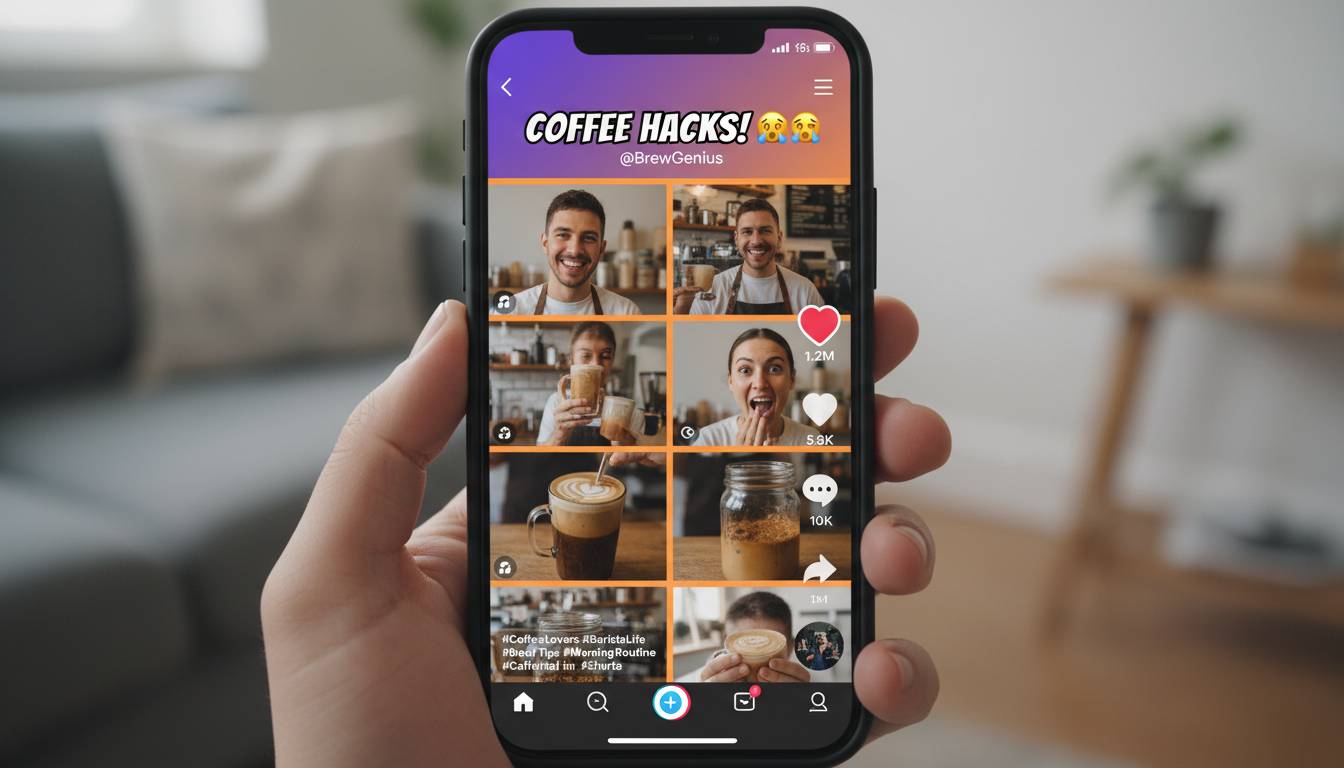
Short-form video still dominates. Reels, Shorts, and similar formats get priority in algorithms. Brands are investing more in video production and creating strategies around short-form content.
Influencer marketing has matured. Brands are moving away from one-off sponsored posts and building longer-term partnerships with influencers. Micro-influencers—those with smaller but more engaged audiences—have become popular because they feel more authentic.
Community building matters more. Brands are focusing on fostering real connections among followers. Private groups, membership communities, and interactive content that invites participation are proving more valuable than broadcast posts.
Conclusion
Social media marketing is one of the most effective tools for business growth in 2025. It builds brand awareness, creates customer relationships, drives traffic, and delivers measurable results. But it takes more than creating accounts and posting randomly. You need a real strategy, consistent execution, ongoing optimization, and genuine engagement with your audience.
The platforms and tactics will keep changing, but the core principles stay the same: know your audience, create content that matters, talk to people like humans, measure your results, and adjust based on what the data tells you. Businesses that approach social media marketing with strategy and commitment will find real opportunities to connect with customers and grow.
Frequently Asked Questions
What’s the difference between social media marketing and social media advertising?
Social media marketing covers everything—organic posts, content creation, community engagement, and building your brand. Social media advertising specifically means paying for ads on these platforms. Both are part of a complete social media strategy.
How long until I see results?
Organic growth usually takes three to six months of consistent effort before you see meaningful results. Building an engaged following and earning algorithmic favor takes time. Paid ads work faster, so many businesses use both approaches.
How much should small businesses spend?
It depends on your goals and the platforms you use. Many small businesses start with organic marketing—just time and effort—and add paid ads later, starting around $200-500 per month. Start small, measure results, and put more money into what works.
Which platform should my business focus on?
It depends on your audience and what you sell. B2B companies usually get the most from LinkedIn. E-commerce and lifestyle brands often do well on Instagram and TikTok. Figure out where your target customers actually spend time rather than trying to be everywhere.
How often should I post?
Frequency depends on the platform and what you can maintain. A good starting point: one to two posts daily on Facebook and Instagram, several tweets daily on X, one to three TikTok videos daily, and regular pinning on Pinterest. Consistency matters more than posting as much as possible—burnout leads to abandoned accounts.