Social Media Apps That Will Dominate 2025 | Expert Guide

Social media apps have evolved far beyond just connecting friends—they’re now ecosystems where we discover products, build businesses, and craft our identities. With billions of people using these platforms daily, knowing which ones actually matter can save you a lot of wasted time.
Here’s a practical look at the platforms dominating 2025 and which ones might work for you.
The Giants Still Reign
Facebook stays at the top with roughly 3 billion monthly users. It’s weathered plenty of criticism over privacy and misinformation, but the platform keeps evolving—Marketplace, groups, and Facebook Watch keep people engaged. For businesses, its ad tools remain essential for reaching broad audiences.
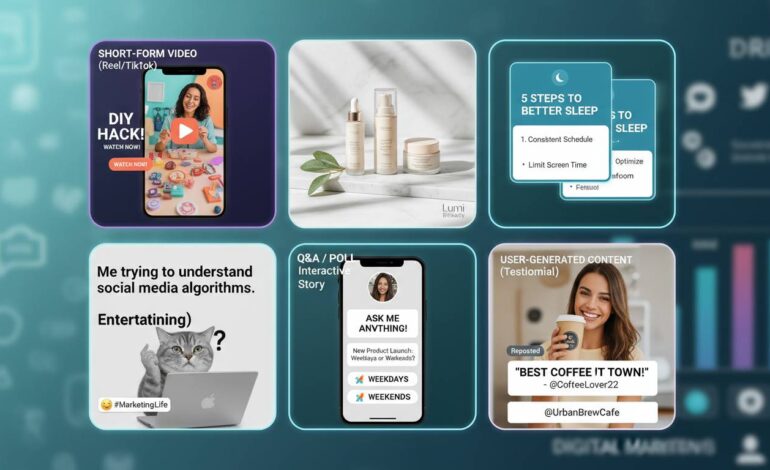
Instagram, under Meta’s umbrella, has become the visual content king with over 2 billion users. Reels, Stories, and Shops have turned it into part discovery engine, part shopping mall. The algorithm is ruthlessly good at figuring out what you’ll watch, which is exactly why brands and creators treat it as essential.
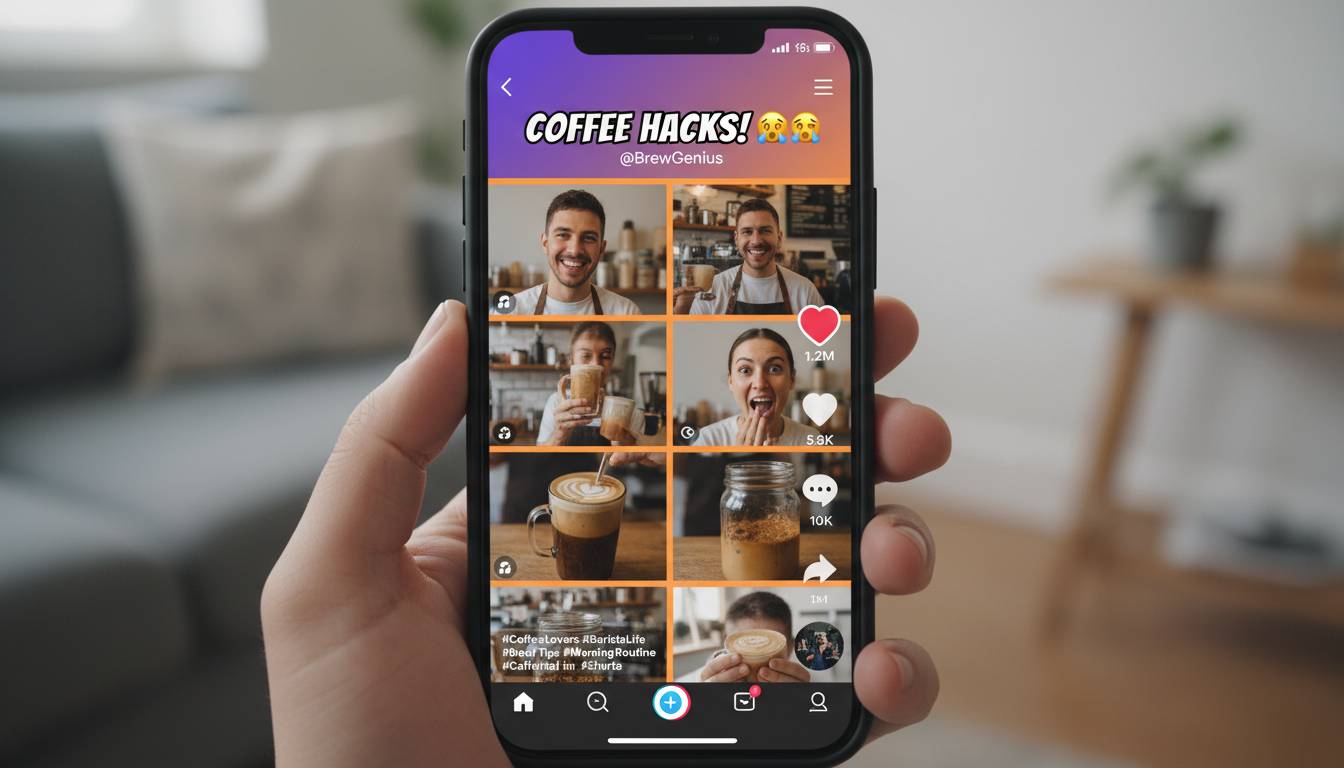
TikTok changed short-form video forever. The “For You” page is remarkably addictive because it learns what you actually want to see—not what you consciously search for. More younger users now treat TikTok as a search engine, looking for product recommendations and how-to guides instead of Google.
X (formerly Twitter) remains the place for real-time conversation, breaking news, and public arguments. Despite ownership chaos and policy debates, journalists, politicians, and anyone who wants to be heard haven’t found a real replacement. Spaces and Circles added some new functionality, though the vibe has shifted.
LinkedIn quietly became the professional networking giant with over 900 million members. It’s no longer just for job hunting—it’s where thought leadership happens, where B2B brands connect, and where people actually read long-form content.
Newer Platforms Gaining Ground
Threads came from Meta in 2023 as a text-focused alternative to X. Tying it to Instagram accounts made onboarding painless, and it’s become the landing spot for creators and journalists who felt uneasy about X’s direction. It’s still finding its identity, but the user base is solid.
BeReal found its crowd with a simple pitch: take a photo now, or don’t post. The narrow daily window creates genuine spontaneity, which feels revolutionary when everything else is overly curated. Growth has slowed, but the people who use it swear by it.
Pinterest gets overlooked but deserves attention. It’s not a social network in the traditional sense—it’s a visual search engine. People use it to plan weddings, find recipes, discover home decor, and shop. Nearly 480 million monthly users actively seek things to buy, making it a goldmine for certain businesses.
Snapchat keeps thriving with American teenagers despite its confusing reputation. AR filters, Bitmojis, and disappearing messages create an informal space that feels more like chatting with friends than performing for an audience.
Reddit grew from nerdy discussion boards into a massive platform with communities for literally everything. The upvote system surfaces genuinely useful content, which is why brands now pay attention to what people say in relevant subreddits.
Picking What Works for You
Don’t try to be everywhere. Start by being honest about what you actually want:
- Building a personal brand? LinkedIn for professional, Instagram/TikTok for personality-driven.
- Finding customers? Match your audience’s habits—Gen Z on TikTok, professionals on LinkedIn, visual shoppers on Pinterest and Instagram.
- Creating content? YouTube pays creators well, Patreon works for direct fan support, Substack turned newsletters into a real business.
- Protecting your data? Signal and Telegram offer better privacy than the big platforms. Mastodon and the fediverse attract people tired of corporate control.
Consider what format you actually want to create. Video-heavy platforms reward constant posting. Written platforms like X and LinkedIn reward consistency but not necessarily volume. Pick one or two and actually build something before expanding.
What’s Coming
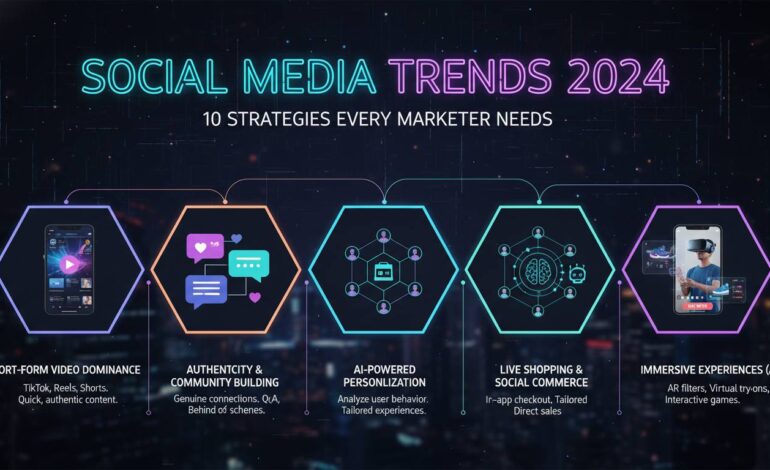
AI is getting more embedded everywhere—better recommendations, automated moderation, and tools that help you create faster. E-commerce is also blurring into social apps; shopping directly within platforms is becoming standard.
Augmented reality features will probably get more sophisticated as headsets become affordable. Decentralized platforms remain a niche concern for now, though privacy advocates keep pushing for alternatives.
The big platforms aren’t going anywhere, but the landscape has enough variety now that you can actually find spaces that fit what you want to do rather than contorting yourself to fit what platforms want.