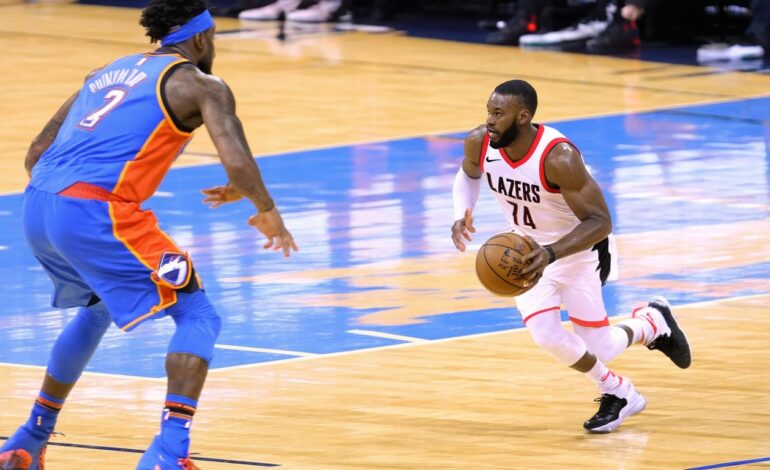
When two franchises like the Oklahoma City Thunder and the Portland Trail Blazers face off, the matchup goes far beyond the win-loss column. The individual player statistics from these games can reveal emerging trends, star performances, and tactical nuances that shape not only team outcomes but also the wider NBA narrative. Examining these numbers offers a granular look into how talent development, coaching adjustments, and on-court chemistry intersect during pivotal matchups.
Through analyzing player stats from a recent OKC Thunder vs Portland Trail Blazers game, compelling storylines and actionable insights come to the surface—beneficial not only for fans and fantasy basketball players, but also for analysts tracking the evolution of both young cores and seasoned veterans.
Star Performers Set the Tone
Leading Scorers and Impactful Plays
In matchups between these Western Conference rivals, the spotlight often falls on elite shot creators and versatile scorers. For the Thunder, rising stars such as Shai Gilgeous-Alexander frequently shoulder the offensive burden, often registering impressive point totals and efficient shooting nights. For the Blazers, scoring responsibility tends to diversify, especially with the franchise pivoting to a youth movement after notable roster changes in recent years.
A recent example saw Gilgeous-Alexander notching a high-scoring night, illustrating his ability to attack the rim and nail mid-range jumpers. Meanwhile, Jerami Grant took on the scoring load for Portland, using a mix of transition attacks and perimeter shooting to keep the Blazers competitive even against aggressive OKC defenses.
Efficiency Metrics: Beyond Points Per Game
Scoring alone rarely tells the full story. Looking at advanced stats, such as true shooting percentage (TS%), turnover rate, and offensive rating, offers a clearer view of how efficient star players were in the matchup. For instance, a Thunder victory may correlate with above-average shooting splits and limited turnovers from core contributors, while a Blazers’ competitive showing often hinges on minimizing empty possessions and converting on second-chance opportunities.
According to one NBA scout:
“Efficiency is now as crucial as output—teams live and die by how well their leaders maximize possessions, not just rack up raw numbers.”
These underlying metrics increasingly inform not just box scores but also strategic coaching decisions in real time.
Supporting Cast Contributions: The X-Factors
Bench Impact and Two-Way Role Players
NBA games are rarely won by superstars alone. In this matchup, the Thunder bench—known for its youthful athleticism—often sparks key runs. For instance, explosive guard play off the bench, highlighted by players like Josh Giddey or Isaiah Joe, may result in quick scoring bursts, timely offensive rebounds, or hustle defense leading to transition points.
Meanwhile, the Blazers have leaned heavily on developing players such as Shaedon Sharpe and Jabari Walker, whose defensive versatility and opportunistic shooting add depth. Finding two-way players who contribute efficiently across multiple stat categories—rebounds, assists, steals—often shifts momentum.
Rebounding, Assists, and Defensive Stats
Games between these two teams routinely expose battles on the glass and creative playmaking. OKC’s energy on the boards can lead to extra possessions, especially when facing Portland’s intermittent struggles with interior defense. Conversely, the Blazers counter with careful ball movement, threading passes to stretch the defense or create open looks for shooters.
Beyond traditional stats, hustle plays like deflections, charges drawn, and contests per game are tracked closely by both coaching staffs. These often-unheralded contributions are reflected in the advanced “box outs” and “contested shot” stats that NBA teams now integrate into player evaluations.
Tactical Trends and Coaching Adjustments
In-Game Strategies Reflected in Player Stats
The matchups between the Thunder and Trail Blazers are rarely static. Both teams frequently deploy zone schemes, switch-heavy defenses, and creative inbounds plays—tactical adjustments that directly influence the resulting stat lines.
For example, when Coach Mark Daigneault opts to trap the pick-and-roll, Thunder opponents often see their assist-to-turnover ratios dip, while OKC records a spike in steals and fast break points. On Portland’s side, interim or evolving coaching approaches prioritize ball movement and wing shooting, visible in fluctuating assist numbers and three-point attempts.
Real-World Impacts: From Player Development to Playoff Implications
Beyond the immediate box score, individual player statistics in these games have ripple effects—affecting player development paths, front-office decisions, and even playoff positioning. Consistent statistical growth from a young guard can accelerate a franchise’s timeline, while a promising forward’s efficiency may tip trade discussions or rotation tweaks.
It’s notable how the Thunder’s focus on internal development is reflected in widespread assist and rebound distribution, contrasting Portland’s search for reliable go-to options as they shape a new era.
Comparing Key Stat Lines: Case Studies
Example 1: Shai Gilgeous-Alexander vs. Jerami Grant
- Points: Both regularly eclipse the 20-point mark, but Gilgeous-Alexander often does so with better free throw frequency and shooting efficiency.
- Rebounds/Assists: Gilgeous-Alexander’s all-around play adds consistent rebounds and assists, whereas Grant primarily provides secondary scoring.
- Defensive Stats: Steals and blocks are an area where OKC’s guards tend to shine, contributing to the team’s fast-paced transition game.
Example 2: Bench Depth – Isaiah Joe vs. Shaedon Sharpe
- Shooting: Joe is a high-percentage threat from deep, creating valuable floor spacing. Sharpe counters with athletic plays at the basket and microwave scoring off the bench.
- Intangibles: Both have delivered momentum-swinging plays, whether a series of three-pointers or a highlight-reel dunk, energizing their respective squads and shifting the tempo.
Conclusion: Insights from the Stat Sheet
The granular breakdown of player stats in OKC Thunder vs Portland Trail Blazers matchups reveals more than simple numbers—it unearths the evolving identities of two dynamic franchises. From breakout star performances to unsung hustle plays, the player-by-player analysis informs fans, coaches, and analysts alike. As both organizations balance development and competitiveness, their head-to-head showdowns offer a lens into evolving NBA strategies and the athletes driving them forward.
FAQs
What player statistics are most important in OKC Thunder vs Portland Trail Blazers games?
Key stats include points, assists, rebounds, shooting efficiency, steals, and turnovers. These categories highlight both individual skill and team strategies.
Who are typically the top performers in these matchups?
Shai Gilgeous-Alexander for OKC and Jerami Grant for Portland often stand out, but breakout performances can come from emerging talents on either roster, especially as both teams foster young cores.
How do advanced stats impact game strategy?
Statistics like true shooting percentage and assist-to-turnover ratio inform coaching decisions, impacting rotations and tactical approaches throughout the game.
Why do bench players matter in these contests?
Bench contributions can shift momentum, fill statistical gaps left by starters, and influence the game’s outcome, especially in closely contested matchups.
How do coaching adjustments reflect in player stats?
Strategic shifts, such as defensive schemes or offensive play-calling, can lead to spikes in certain statistics (like steals or three-point attempts) and are a key factor for analysts evaluating game flow.