miami heat vs pacers timeline

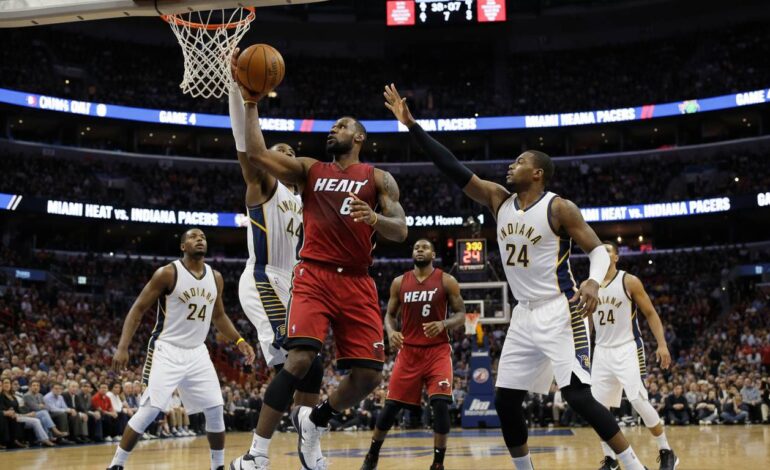
The rivalry between the Miami Heat and Indiana Pacers represents one of the most compelling narratives in Eastern Conference basketball history. These two franchises have clashed repeatedly in the playoffs, delivering memorable series, dramatic finishes, and heated moments that have defined both organizations. From early battles in the 1990s to recent postseason encounters, the Heat-Pacers timeline reflects the evolution of NBA competition in the East. This comprehensive timeline explores every significant chapter of this rivalry, examining the players, moments, and circumstances that made these matchups must-watch basketball.
The Foundation: Early Encounters in the 1990s
The Miami Heat joined the NBA in 1988, while the Indiana Pacers had been established since 1967 as part of the ABA before joining the NBA in 1976. For much of the 1990s, both teams struggled to find consistent success. The Heat failed to make the playoffs in their first several seasons, while the Pacers built a reputation as a competitive but second-tier Eastern Conference team.
Their first meaningful playoff meeting came in the 1999 playoffs during the lockout-shortened season. Miami, led by Alonzo Mourning and Tim Hardaway, faced Indiana in the first round. The Heat won the series in four games, sweeping the Pacers and advancing to the second round where they lost to the New York Knicks. This first encounter established the competitive tone that would define future meetings.
The early 2000s saw both franchises undergo significant transformations. Miami acquired Dwyane Wade in the 2003 NBA Draft, selecting him fifth overall. Indiana, meanwhile, built around Jermaine O’Neal and Ron Artest (later known as Metta World Peace), creating a team known for its physicality and defensive intensity. Their playoff paths rarely crossed during this period, as both teams competed in different brackets within the Eastern Conference.
The Rise of Both Franchises: 2004-2011
The 2004-2005 season marked a turning point in the rivalry. Indiana, coming off an Eastern Conference Finals appearance in 2004, faced Miami in what would become one of the most memorable playoff series in recent memory. The Pacers won the first two games at home, but the Heat responded with three consecutive victories to take a 3-2 series lead. Game 6 proved decisive, with the Pacers forcing a seventh game by winning in Miami. In the decisive game, the Heat held on for a narrow victory, advancing to the Eastern Conference Finals where they lost to the Detroit Pistons.
This series showcased the intensity both teams brought to their matchups. The physical nature of the games, combined with the star power of Wade on one side and the Pacers’ formidable frontcourt on the other, created a blueprint for future battles. Players like Shaquille O’Neal, who joined Miami in 2005, and Indiana’s Danny Granger became central figures in the growing rivalry.
Throughout the late 2000s, both teams remained competitive but often missed opportunities to meet in the playoffs. Miami reached the Finals in 2006, defeating the Dallas Mavericks for their first championship. Indiana remained a playoff team but struggled to advance past the first or second round. The landscape shifted dramatically in 2010 when both franchises made dramatic roster changes that would reshape the rivalry entirely.
The Big Three Era: Miami’s Dominance (2010-2014)
The 2010 offseason transformed both franchises. Miami formed a “super team” by acquiring LeBron James and Chris Bosh to join Dwyane Wade, creating what became known as the “Big Three.” Indiana, meanwhile, built around a young Paul George, who emerged as one of the league’s premier two-way players. The Pacers also added pieces like David West, Roy Hibbert, and George Hill, creating a roster designed to compete with Miami’s star power.
Their first major postseason confrontation came in the 2012 Eastern Conference Semifinals. Miami entered as the defending champions and the number one seed, while Indiana had earned the third seed. The series lived up to the hype, with both teams trading victories through the first six games. Game 6 in Indianapolis proved spectacular, with LeBron James delivering a legendary performance in the final minutes to secure victory and send Miami to the Conference Finals.
The Pacers pushed the Heat to seven games despite being considered significant underdogs. The series featured intense physical play, with multiple technical fouls and ejections. Miami ultimately prevailed, winning the series and eventually capturing their second championship that year. This series established the rivalry as one of the premier matchups in Eastern Conference basketball.
The following season brought an even more dramatic encounter. The 2013 Eastern Conference Finals featured Miami and Indiana meeting again with everything on the line. The Pacers pushed the Heat to seven games once more, with the series featuring several controversial moments and close games. Miami’s experience proved decisive, as they won Game 7 on their home court to advance to the Finals, where they defeated the San Antonio Spurs in seven games for their third championship.
The 2014 meeting in the Conference Finals followed a similar pattern. Miami, now seeking a three-peat, faced an Indiana team that had added assets like Luis Scola and Evan Turner. The Heat won the series in six games, but the competition remained fierce throughout. This marked the final chapter of the Big Three era’s dominance over the Pacers, as roster changes would soon alter the competitive landscape.
The Post-Big Three Transition Period (2015-2019)
Following LeBron James’ departure to Cleveland in 2014, both teams entered rebuilding phases. Miami lost much of its star power but remained competitive through the leadership of Dwyane Wade and the emergence of young players. Indiana, after Paul’s George’s trade to Oklahoma City in 2017, began a different kind of rebuild centered around emerging talents like Victor Oladipo and Domantas Sabonis.
The rivalry during this period lacked the star power of previous years but remained competitive. The teams met in the first round of the 2016 playoffs, with Miami winning in seven games. The series featured strong performances from players like Goran Dragic and Hassan Whiteside for Miami, while Indiana received standout efforts from Paul George. The competitive nature of the series demonstrated that even without the conference’s top teams, these matchups remained meaningful.
The trade of Paul George to Oklahoma City in 2017 represented a significant shift for Indiana. The team received Victor Oladipo and Domantas Sabonis in return, beginning a new era. Miami, meanwhile, continued to compete but without the championship expectations that had defined the previous era. The rivalry entered a period of reduced national attention, though the competitive spirit between the franchises remained.
The Modern Era: Competing for Conference Supremacy (2020-Present)
The rivalry entered a new chapter in 2020 when both teams met in the playoffs during the NBA’s bubble season in Orlando. Miami, led by Jimmy Butler who had joined in 2019, faced Indiana in the first round. The Heat swept the Pacers in four games, with Butler delivering exceptional performances throughout the series. This marked Miami’s return to serious postseason contention and signaled Indiana’s need for further roster improvements.
The 2021 season brought another first-round matchup between these division rivals. Miami again proved victorious, winning the series in five games. The games featured physical play and competitive moments, though the series result reflected Miami’s superior experience and star power. Butler’s emergence as a franchise player, combined with the development of young talents like Bam Adebayo, positioned Miami as a consistent playoff team.
The 2023-2024 season saw both teams in competitive positions within the Eastern Conference. Miami, with Butler leading a veteran roster, entered the playoffs as the eighth seed after a play-in tournament victory. Indiana, featuring a roster built around Tyrese Haliburton and Pascal Siakam following significant midseason acquisitions, represented one of the conference’s ascending teams.
The rivalry continues to evolve as both franchises pursue championship contention through different approaches. Miami maintains its culture of hard-nosed defense and veteran leadership, while Indiana has invested in building around younger players with significant trade assets and draft capital. Their meetings remain competitive and meaningful within the context of Eastern Conference basketball.
Key Players Who Defined the Rivalry
The Heat-Pacers rivalry has been defined by numerous superstar performances across multiple eras. For Miami, Dwyane Wade stands as perhaps the most significant figure in the rivalry’s history. His performances in the 2005 and 2012 series against Indiana cemented his status as one of the league’s elite players during that period. LeBron James, during his four seasons with Miami, dominated the rivalry with exceptional performances in multiple playoff meetings.
Chris Bosh provided crucial interior presence during the championship years, while Jimmy Butler has continued the tradition of elite two-way play in more recent matchups. The development of Bam Adebayo gives Miami a young cornerstone for future battles with Indiana.
For Indiana, Paul George represented the franchise’s best chance at defeating the Heat during the Big Three era. His competitive battles with LeBron James became must-watch television. Reggie Miller, though his prime came before the rivalry reached its peak intensity, established the Pacers as a competitive force in the Eastern Conference during his career.
Jermaine O’Neal, Ron Artest, and David West provided the physical presence that defined Pacers basketball during the 2000s. More recently, players like Tyrese Haliburton and Pascal Siakam have become the new faces of Indiana’s competitive efforts against Miami.
The Cultural Impact and Fan Interest
The Heat-Pacers rivalry has generated significant interest among NBA fans throughout its history. The physical style of play, combined with the star power on both sides during peak years, created compelling television and memorable moments. Games between these teams consistently drew strong ratings, particularly during playoff series in the 2010s.
The rivalry reflects broader themes in NBA basketball, including the competitive balance (or imbalance) within the Eastern Conference, the development of super teams versus building through the draft, and the importance of divisional matchups in the postseason. Fans of both franchises developed intense rivalries that extended beyond individual games to encompass entire seasons and playoff pushes.
“The Heat-Pacers rivalry represents what makes playoff basketball special. Both teams brought out the best in each other, with every game feeling like a battle for conference supremacy.”
The geographic proximity of the two cities adds another dimension to the rivalry. Miami and Indianapolis represent different American cultures, and fans from both regions bring distinct energy to games. Road games for either team often feature significant crowd support from traveling fans, creating playoff-like atmospheres during regular-season matchups.
Conclusion
The Miami Heat versus Indiana Pacers timeline represents one of the Eastern Conference’s most enduring and competitive rivalries. From early playoff meetings in the 1990s through the epic Conference Finals battles of the early 2010s to modern-day competition, these franchises have consistently delivered compelling basketball. The rivalry has evolved through multiple eras, adapting to roster changes and league-wide shifts while maintaining its competitive intensity.
Both franchises continue to pursue championship aspirations, with Miami leveraging its established culture and veteran leadership while Indiana builds around emerging talent and strategic acquisitions. Their future meetings will write new chapters in this rivalry, adding to the history that has already been established. For NBA fans, particularly those following Eastern Conference basketball, Heat-Pacers matchups remain essential viewing, carrying forward a tradition of competitive excellence that spans multiple decades.
The rivalry’s legacy extends beyond individual games or series. It represents the competitive spirit that defines playoff basketball, the dramatic moments that create lasting memories, and the ongoing narrative of two franchises perpetually pursuing championship goals. As both teams continue their respective journeys, theHeat-Pacers rivalry will undoubtedly produce additional memorable chapters in the years ahead.
FAQs
When was the first playoff series between the Miami Heat and Indiana Pacers?
The first playoff series between these teams occurred in 1999 during the lockout-shortened season. Miami swept Indiana in four games in the first round, marking the beginning of their postseason rivalry.
How many times have the Miami Heat and Indiana Pacers met in the Eastern Conference Finals?
The teams have met in the Eastern Conference Finals three times: 2012, 2013, and 2014. Miami won all three series on their way to championship appearances.
Who has won more playoff games in the Heat-Pacers rivalry?
Miami holds the advantage in playoff matchups, having won the majority of their postseason series against Indiana, particularly during the Big Three era.
What is the most memorable game in Heat-Pacers history?
Many consider Game 6 of the 2012 Eastern Conference Semifinals as one of the most memorable, featuring LeBron James’ clutch performance in the final minutes to secure victory and force a Game 7.
Are the Miami Heat and Indiana Pacers divisional rivals?
Yes, both teams compete in the Southeast Division of the Eastern Conference, ensuring they play each other at least four times per regular season.