MasterChef India Season 7: Contestants, Judges, Winner & Highlights

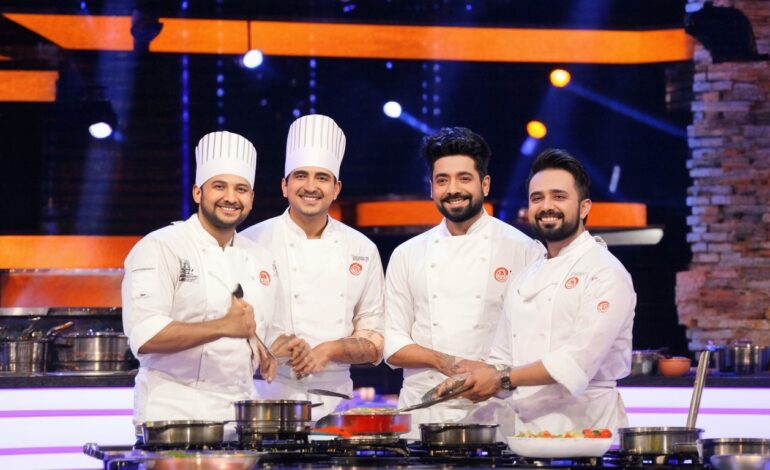
MasterChef India Season 7 cemented its place as a cultural phenomenon, bringing together culinary talent from across the country and drawing viewers into the high-stakes world of competitive cooking. As food television continues its surge in India, the seventh season not only entertained but also sparked conversations about innovation, cultural representation, and the rise of homegrown culinary stars. Season 7 pushed boundaries with creative challenges, a diverse line-up of contestants, and a judging panel that balanced expertise with approachability.
Contestants: Diversity, Skill, and Culinary Dreams
One of the strongest pillars of MasterChef India Season 7 was its talented and dynamic group of contestants. This season drew in individuals from disparate regions—from the bustling metros to small towns—each bringing their unique culinary traditions and ambitions.
Profiles in Passion
- Santa Sarmah from Assam became a crowd favorite with her traditional recipes using regional ingredients.
- Nayanjyoti Saikia, an amateur baker from a small town in Assam, charmed judges and audiences through his inventive desserts and calm under pressure.
- Priyanka Kundu Biswas, a home baker from Kolkata, introduced global flavors with her precision pastries.
These narratives highlight a crucial trend: the show is increasingly a platform for self-taught chefs and home cooks rather than professionals, reflecting greater accessibility in India’s food industry.
A Microcosm of Modern India
The season consciously celebrated India’s pluralism—both in food styles and contestant backgrounds. Competitors often weaved childhood memories and family influences into their dishes, leading to emotionally resonant moments that connected with viewers. Challenges focused on regional cuisines and traditional techniques, demonstrating the country’s culinary richness.
“The contestants this year have been storytellers with food, bringing nostalgia and tradition to our screens,” remarked a prominent food writer in a televised post-finale panel.
Judges: Culinary Authority Meets Relatable Guidance
The credibility and warmth of the judging panel have always been central to MasterChef India’s success. In Season 7, the cocktail of culinary prowess and mentorship continued to set the tone for the competition.
The Judge Trio
- Chef Vikas Khanna: Renowned for his Michelin-starred restaurants and philanthropic work, Khanna offered global perspective mixed with Indian heart.
- Chef Ranveer Brar: A television favorite, Brar brought deep knowledge of Indian street and classical foods, often encouraging contestants to trust their culinary roots.
- Chef Garima Arora: As the first Indian woman to win a Michelin star, Arora added international sophistication and a bold, contemporary approach to Indian food.
The trio’s chemistry and constructive feedback created an environment where learning and experimentation thrived. They often went beyond criticism, sharing personal anecdotes and culinary philosophies with the participants.
Human Element in Judging
Unlike some international iterations known for their dramatic tone, MasterChef India Season 7 prioritized empathy and positive reinforcement. The judges’ kindness and genuine investment in contestants’ growth resonated, particularly with younger viewers and first-time home cooks.
Winner and Finale Highlights
After weeks of grueling challenges, unforgettable “pressure tests,” and heartening comebacks, the finale drew massive engagement both on television and digital platforms.
Nayanjyoti Saikia: The Underdog Champion
Nayanjyoti Saikia emerged as the Season 7 winner, capturing hearts with his transformation from a humble home baker to a celebrated culinary star. His growth arc embodied the ethos of MasterChef—a journey fueled by learning, resilience, and the pursuit of passion.
The Decisive Showdown
The finale featured three finalists tackling a multi-course challenge that tested every skill—from innovation and plating to technical mastery. Saikia’s dessert, inspired by Assamese flavors and international patisserie standards, stood out for its balance and finesse.
“Nayanjyoti’s journey is proof that regional flavors and simple beginnings can create India’s next culinary icons. His win is a win for every home cook dreaming big,” observed a judge during the finale.
Cultural Impact of the Finale
Viewership data indicated a surge in social media conversations during and after the finale, especially discussions about regional Indian cuisines. Brands across the food and beverage sector, from spice companies to online grocery startups, leveraged the finale’s momentum in their campaigns.
Season 7 Highlights: Trends, Challenges, and Innovations
Season 7 was notable for its innovative challenges, strong narrative arcs, and evolving culinary trends. The production team designed tasks that did more than test cooking skills—they demanded storytelling, creativity, and precise technique.
Innovative Challenges
- Regional Cuisine Spotlights: Contestants recreated dishes inspired by lesser-known Indian states, broadening viewers’ palates and appreciation.
- Plant-Based and Wellness Cooking: Reflecting global trends in health and sustainability, several rounds centered on plant-forward menus.
- Fusion Experiments: Participants often blended global methods with indigenous ingredients, setting benchmarks for modern Indian cuisine.
Real-World Influences
The show mirrored broader culinary conversations in India. For instance, the focus on sustainability and local sourcing echoed the growing farm-to-table movement. The presence of digital chef influencers and social media tasks signified the blurring lines between televised and online food content.
Industry Impact
MasterChef’s commercial influence was evident beyond television. Several former contestants have since launched successful cloud kitchens, cookbooks, and pop-up events. Viewer engagement translated into viral recipe trends and inspired a surge in enrollments at culinary institutes.
Conclusion: Lessons and Legacy
MasterChef India Season 7 raised the bar for Indian food television, setting new standards in storytelling, representation, and culinary excellence. As regional diversity and homegrown innovation become central to India’s food narrative, the show has proven itself more than just entertainment—it’s a launchpad for the country’s next generation of culinary leaders.
For brands, aspiring chefs, and everyday food lovers, the season’s key takeaway is clear: authenticity and passion can change the trajectory of food in India. Observers can expect the ripple effects of Season 7 to shape food media, consumer preferences, and even restaurant trends for seasons to come.
FAQs
Who won MasterChef India Season 7?
Nayanjyoti Saikia won Season 7, impressing both judges and audiences with his inventive desserts and strong representation of regional Assamese flavors.
Who were the judges in Season 7 of MasterChef India?
The judging panel featured Chef Vikas Khanna, Chef Ranveer Brar, and Chef Garima Arora—each known for their culinary expertise and approachable mentorship style.
What were some standout moments or challenges in the season?
Key highlights included rounds focused on regional Indian cuisines, plant-based dishes, and fusion cooking, as well as emotionally resonant stories from the contestants.
How did MasterChef India Season 7 impact Indian food culture?
The season spotlighted regional diversity and inspired home cooks nationwide, influencing food trends and increasing enrollments in culinary education.
Did any contestants from Season 7 achieve fame after the show?
Several contestants leveraged their exposure to launch food ventures, conduct pop-up events, and build strong digital presences in the culinary space.
Where can viewers watch MasterChef India Season 7?
Episodes aired on Sony LIV and are available for on-demand streaming through the platform and select online video services.