Influencer Marketing on Instagram: Complete Strategy Guide

Instagram has evolved from a simple photo-sharing app into a $20 billion+ advertising platform where influencer marketing drives measurable business outcomes. Brands that implement structured Instagram influencer strategies see an average return of $6.50 for every dollar spent—a metric that explains why 93% of marketers now utilize influencer partnerships as a core channel.
This guide provides a practitioner-focused framework for building, executing, and measuring Instagram influencer campaigns that generate real revenue. Whether you’re launching your first campaign or optimizing an existing program, the following sections break down each component of successful influencer marketing with actionable data and strategic guidance.
Understanding Instagram Influencer Marketing
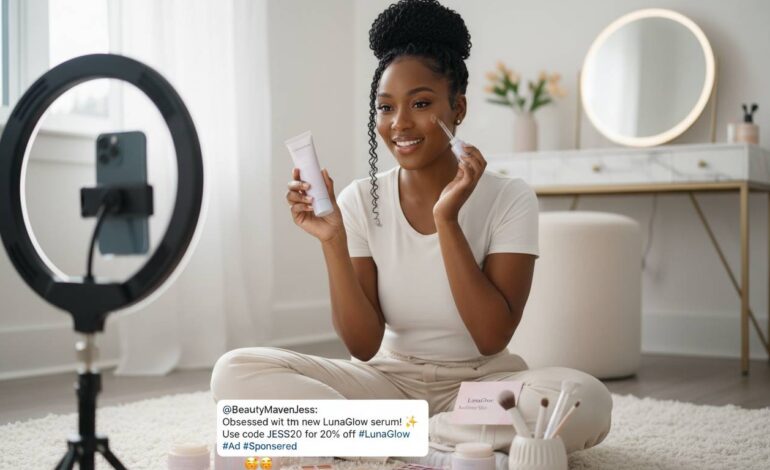
Influencer marketing on Instagram involves partnering with users who have built trust and engagement within specific niche communities. These partnerships typically include sponsored content—posts, Stories, Reels, or Lives—that promotes your brand, product, or service to the influencer’s audience.
The mechanism works because social proof translates directly into purchasing behavior. When a trusted creator recommends a product, their audience interprets the endorsement as an authentic personal recommendation rather than advertising. This trust transfer explains why Instagram influencer content generates engagement rates 2-3 times higher than brand-generated content.
Key Components
Effective Instagram influencer campaigns require coordination across several elements:
- Creator identification: Finding influencers whose audience demographics match your target customer
- Partnership structure: Determining compensation (flat fee, product gifting, affiliate commission, or hybrid)
- Content guidelines: Providing creative direction without over-constraining authentic voice
- Disclosure compliance: Ensuring proper #ad or #sponsored tagging per FTC guidelines
- Performance tracking: Implementing unique discount codes, affiliate links, or UTM parameters
The most successful campaigns treat influencers as creative partners rather than ad channels. Micro-influencers (10,000-100,000 followers) often deliver higher engagement rates than macro-influencers, while nano-influencers (1,000-10,000 followers) frequently achieve the strongest conversion rates due to perceived authenticity.
The Business Case: ROI and Market Impact
The financial argument for Instagram influencer marketing rests on concrete performance data. Understanding these metrics helps justify budget allocation and sets realistic expectations for campaign outcomes.
Performance Benchmarks
| Metric | Industry Average | Top Performers |
|---|---|---|
| Engagement Rate (Nano) | 4.0-7.0% | 8.0-12.0% |
| Engagement Rate (Micro) | 2.0-4.0% | 4.0-6.0% |
| Engagement Rate (Macro) | 1.0-2.0% | 2.5-4.0% |
| Cost per Engagement | $0.10-0.30 | $0.05-0.15 |
| Conversion Rate (Attributed) | 1.5-3.0% | 4.0-8.0% |
| Average Order Value Lift | 10-25% | 30-50% |
Sources: HubSpot 2024, Later 2024, Influence.co 2024
The data reveals why budget allocation increasingly favors nano and micro-influencers. While macro-influencers offer reach, the engagement-to-conversion funnel performs significantly better with smaller creators who maintain closer audience relationships.
Case Study: D2C Fashion Brand
A direct-to-consumer women’s fashion brand allocated $50,000 monthly to influencer partnerships across three tiers:
- 5 Macro-influencers (500K+ followers): $30,000 | 2.1M reach | 1.2% engagement
- 20 Micro-influencers (50K-500K followers): $15,000 | 4.2M reach | 3.8% engagement
- 50 Nano-influencers (<50K followers): $5,000 | 1.1M reach | 6.2% engagement
Total attributed revenue reached $312,000—a 6.24x return. Notably, nano-influencers generated 41% of attributed sales despite representing only 11% of budget, demonstrating the efficiency advantage of smaller creator partnerships.
Building Your Instagram Influencer Strategy
A structured approach to influencer marketing produces consistent results. The following framework walks through campaign development from initial planning through execution and optimization.
Phase 1: Foundation (Weeks 1-2)
Define objectives and KPIs. Clear goals prevent misaligned expectations. Common objectives include brand awareness (impressions, reach, follower growth), engagement (likes, comments, saves, shares), and conversion (discount code redemptions, affiliate sales, traffic to landing pages).
Identify target audience. Document demographic characteristics (age, gender, location), psychographic elements (interests, values, lifestyle), and purchase behavior (price sensitivity, buying triggers, preferred platforms). This profile guides influencer matching.
Establish budget and compensation models. Instagram influencer pricing varies significantly based on follower count, engagement rate, content format, and usage rights. Industry benchmarks suggest:
- Nano-influencers: $50-250 per post
- Micro-influencers: $250-1,000 per post
- Macro-influencers: $1,000-10,000+ per post
- Celebrity influencers: $10,000-100,000+ per post
Phase 2: Creator Identification (Weeks 2-4)
Finding the right influencers requires balancing reach with relevance. Tools like Influence.co, AspireIQ, and Heepsy enable searchable databases, but manual discovery often yields better results.
Search strategies:
- Hashtag research: Identify hashtags your target audience uses, then find top creators posting within those tags
- Competitor analysis: Monitor which influencers partner with competing brands
- Audience overlap: Identify creators whose followers overlap with your existing customer base
- Content quality: Evaluate production value, brand alignment, and authenticity of existing content
Evaluation criteria:
- Audience demographics (location, age, gender distribution in Analytics)
- Engagement authenticity (unusual engagement spikes may indicate purchased followers)
- Content style alignment (does their aesthetic match your brand?)
- Previous brand partnerships (are they brand-loyal or constantly switching sponsors?)
- Response quality (do comments reflect genuine followers?)
Phase 3: Outreach and Partnership (Weeks 3-5)
Professional outreach typically produces better results than mass direct messages. Personalization demonstrates genuine interest and increases acceptance rates.
Outreach best practices:
- Reference specific content you’ve enjoyed from their profile
- Explain why your brand suits their particular audience
- Be transparent about compensation expectations early
- Offer creative freedom within brand guidelines
- Provide product for evaluation before requesting commitment
Contract essentials:
- Deliverable specifications (post count, format, timing)
- Usage rights (brand can repost, paid amplification)
- Approval process (rounds of revisions, timeline)
- Disclosure requirements (FTC-compliant tagging)
- Performance guarantees (if applicable)
Phase 4: Campaign Execution (Weeks 4-8)
Content guidelines should provide direction without constraining authenticity. Include:
- Key messages and talking points (2-3 maximum)
- Product benefits to emphasize
- Desired call-to-action (discount code, link in bio, swipe-up)
- Visual preferences (lifestyle vs. product-focused, color treatment)
- Prohibited content (competitor mentions, false claims)
Allowing creative freedom produces better results. Influencers understand their audience preferences and can craft messaging that resonates. Over-specified campaigns often read as advertisements and underperform.
Types of Instagram Influencers: Finding Your Fit
Different influencer tiers serve different strategic purposes. Understanding when to use each type prevents misallocated budget.
Tier Comparison
| Tier | Followers | Avg. Engagement | Best Use Case | Cost Efficiency |
|---|---|---|---|---|
| Nano | 1K-10K | 4-7% | Authentic reviews, UGC, local reach | Highest |
| Micro | 10K-100K | 2-4% | Niche targeting, thought leadership | High |
| Macro | 100K-500K | 1-2% | Brand awareness, event coverage | Moderate |
| Mega | 500K-1M+ | 0.8-1.5% | Mass awareness, product launches | Lowest |
| Celebrity | 1M+ | 0.5-1% | Maximum reach, prestige | Lowest |
Strategic Application
Brand awareness campaigns benefit from macro and mega-influencers who can generate significant impression volume quickly. However, expect lower engagement and conversion rates.
Conversion-focused campaigns perform best with nano and micro-influencers whose recommendations carry greater weight due to perceived authenticity and closer audience relationships.
Hybrid approaches often combine tiers—a few macro influencers for reach combined with 20-30 micro-influencers for engagement and conversion creates comprehensive coverage.
Measuring Influencer Campaign Performance
Accurate measurement justifies continued investment and enables optimization. Instagram’s built-in analytics provide baseline metrics, but attribution requires additional setup.
Key Metrics to Track
Engagement metrics indicate content resonance:
- Likes, comments, saves, and shares
- Engagement rate (total interactions ÷ followers × 100)
- Story replies and poll responses
- Reel views and completion rate
Reach and impression metrics assess visibility:
- Impressions (total views)
- Reach (unique viewers)
- Follower growth during campaign period
Conversion metrics measure business outcomes:
- Discount code redemptions (track unique codes per influencer)
- Affiliate link clicks and conversions
- UTM-tagged traffic to website
- Direct message inquiries
- Search volume increases for brand terms
Attribution Approaches
Unique discount codes provide straightforward attribution. Assign each influencer a distinct code and track redemption data. This method captures in-store and online purchases but may undercount customers who convert later without using the code.
UTM parameters enable Google Analytics tracking. Use consistent naming conventions (influencer_name_campaign_date) across all creator links for clean data separation.
Influencer-specific landing pages offer granular tracking but create friction for users expecting to browse main site. Consider for high-budget campaigns requiring precise attribution.
Multi-touch attribution acknowledges that influencer content often initiates research journeys rather than producing immediate conversions. Customers may see content, later search organically, and convert through paid channels. Attribution models should reflect this reality.
Common Mistakes and How to Avoid Them
Brand enthusiasm for influencer marketing often outpaces strategic sophistication. Recognizing frequent errors prevents costly missteps.
Mistake 1: Prioritizing Follower Count Over Engagement
A百万 follower count means nothing if engagement hovers below 1%. Authentic audiences interact with content; purchased followers inflate vanity metrics without generating business outcomes. Always evaluate engagement rates before follower count, and verify engagement authenticity through comment quality analysis.
Mistake 2: Over-Controlling Content
Micro-managing influencer content destroys authenticity. When creators sound like brand advertising machines, audiences recognize the sales pitch and disengage. Provide clear guidelines but allow creative interpretation. The best results emerge when influencers present products naturally within their established content style.
Mistake 3: Ignoring FTC Compliance
The Federal Trade Commission requires clear disclosure of material connections between brands and influencers. Failure to comply risks both regulatory penalties and audience trust erosion. Require #ad or #sponsored placement in the first three lines of captions (not hidden in comments or hashtags only).
Mistake 4: Neglecting Long-Term Relationships
One-off sponsored posts deliver limited value. Influencers who genuinely use and believe in products create more authentic content. Consider ambassador programs that build ongoing relationships—these creators develop nuanced product understanding and produce increasingly effective content over time.
Mistake 5: Skipping Contractual Clarity
Oral agreements lead to disputes. Formal contracts should specify deliverables, timelines, usage rights, approval processes, and payment terms. Include provisions for late deliveries, content revisions, and performance guarantees where appropriate.
Tools and Platforms for Influencer Management
Efficient influencer marketing requires supporting technology. The following categories of tools streamline various workflow components.
Discovery and Outreach
AspireIQ offers comprehensive creator discovery with demographic filtering, audience analytics, and integrated outreach management. Pricing starts at custom quotes based on brand needs.
Influence.co provides transparent marketplace pricing and verified engagement metrics. The platform facilitates direct connections between brands and creators.
Heepsy enables advanced filtering by audience demographics, location, and engagement metrics. Spanish-language support extends functionality for European market targeting.
Campaign Management
CreatorIQ delivers enterprise-grade campaign orchestration including workflow automation, content approval pipelines, and performance analytics.
IZEA offers historical data for pricing negotiation and automated posting workflows that reduce manual coordination.
Later integrates influencer campaign management with broader social media scheduling, providing unified workflow across content types.
Measurement and Analytics
Creator Analytics (by Later) provides Instagram-native engagement data with historical performance tracking across campaigns.
Iconosquare offers detailed Instagram and TikTok analytics including competitor benchmarking and audience growth tracking.
** Sprout Social** includes influencer measurement within broader social analytics, suitable for brands already using the platform for other functions.
The Future of Instagram Influencer Marketing
Instagram’s algorithm evolution and platform features continue shifting the influencer landscape. Staying ahead requires monitoring emerging trends and adjusting strategies accordingly.
Growing Importance of Reels and Video Content
Instagram increasingly prioritizes Reels in the algorithm, pushing video content to more users’ feeds. Influencer strategies must incorporate video production—static image posts alone won’t achieve comparable reach. Creators who have developed video skills command premium positioning.
Creator Monetization Expansion
Instagram continues expanding monetization features: Badges, Live Shopping, Branded Content Ads, and affiliate shopping integrations reduce brand dependence and create direct creator-to-fan revenue streams. These features may shift negotiation dynamics over time.
Micro-Influencer Program Scaling
Brands increasingly recognize that 50-100 smaller influencers outperform single macro-partnerships. Automated tools enabling large-scale micro-influencer recruitment, onboarding, and payment processing make these programs operationally feasible.
Authenticity Scrutiny
Audiences grow more sophisticated about identifying inauthentic partnerships. Disclosure requirements tighten globally, and audiences increasingly penalize perceived fake endorsements. Genuine product integration and long-term creator relationships will outperform transactional sponsored posts.
Conclusion
Instagram influencer marketing delivers measurable business results when executed with strategic sophistication rather than opportunistic enthusiasm. Success requires clear objective setting, disciplined creator identification, appropriate budget allocation across influencer tiers, authentic content partnership, and rigorous performance measurement.
The most effective approach treats influencers as valued creative partners rather than advertising channels. Brands that provide clear direction while allowing creative freedom, build long-term relationships rather than one-off transactions, and accurately measure attribution will consistently outperform those pursuing transactional partnerships.
Start with defined KPIs, identify creators whose audiences genuinely match your target customer, negotiate transparent partnerships with clear deliverables, and implement proper tracking infrastructure. Iterate based on performance data, doubling down on creator relationships that generate measurable results.
Frequently Asked Questions
How much should I budget for Instagram influencer marketing?
Industry benchmarks suggest allocating 10-25% of total marketing budget to influencer marketing, though this varies by industry and objective. For D2C brands, $5,000-20,000 monthly provides meaningful test data for optimization. Start small, measure results, and scale what works.
How do I find relevant influencers in my niche?
Combine platform search (hashtags, location tags), competitor monitoring (which creators partner with brands like yours), and tools like AspireIQ or Influence.co with demographic filters. Manual discovery often yields better matches than automated recommendations—spend time evaluating content quality and audience authenticity.
Should I work with nano-influencers or macro-influencers?
Both serve different purposes. Macro-influencers provide reach and awareness; nano and micro-influencers deliver superior engagement and conversion. A hybrid approach typically performs best—use macro for visibility and micro for conversion.
How do I measure influencer ROI accurately?
Implement unique discount codes per influencer, UTM-tagged links for website traffic tracking, and affiliate links where possible. Acknowledge that full attribution is difficult—customers often research across multiple touchpoints. Track the full funnel from impression through purchase.
What should I include in an influencer contract?
Specify exact deliverables (number of posts, format, timing), usage rights (can brand repost? paid amplification?), approval process (revision rounds, timeline), disclosure requirements (FTC-compliant tagging), payment terms (timing, method), and exclusivity clauses if applicable.
How do I ensure FTC compliance?
Require #ad or #sponsored in the first three lines of captions. Story disclosures should use the “Paid partnership” label feature. Ensure even product gifting is disclosed. FTC guidelines require clear disclosure of material connections—ambiguity risks regulatory action.