How to Remove Adhesives: Easy Tips for Clean, Residue-Free Surfaces

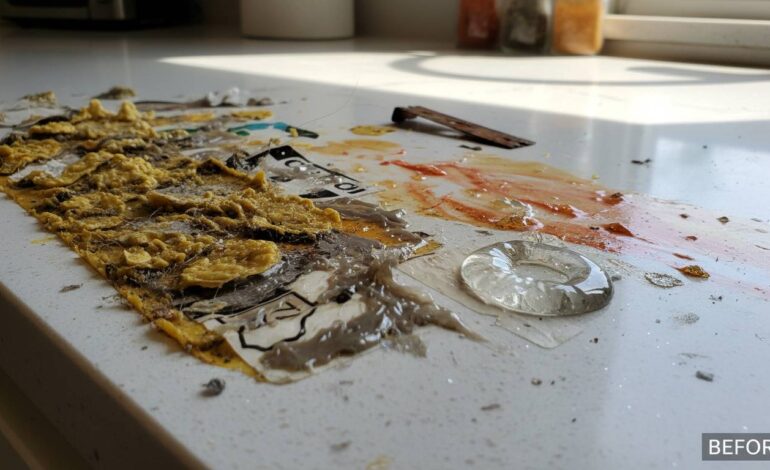
Removing adhesives cleanly—even the sticky, stubborn stuff—can be straightforward when you know the right tricks. Start with something gentle, like warm soapy water or rubbing alcohol. If that’s not enough, step up to stronger, yet safe, options like household oils or specialty adhesive removers. The key is patience, gentle testing, and using the right method for the surface. Let’s dive into easy, effective steps so you won’t end up with mess or damage.
Why Removing Adhesives Matters
When adhesives linger, they can mar your surfaces. Residue from price tags, stickers, and tape doesn’t just look ugly. Over time, it attracts dirt and can even degrade finishes on wood, plastic, metal, or fabric. Clean surfaces not only look better—they’re often essential for things like painting, refinishing, or simply keeping your home looking sharp. Plus, without residue, adhesives used later stick better and last longer.
Real talk: I’ve seen a wood coffee table ruined because someone scrubbed it with harsh cleaner to get sticker goo off. Lesson learned—start gentle, stay patient.
Prepping the Surface: Starting Right
1. Clean the area first
Wipe away dust or loose debris before applying anything. A damp cloth or gentle cleaner will do. If the substrate already has grit embedded in the sticky layer, you risk scratching when you start removing.
2. Test in a hidden spot
Always try your chosen solvent—or even oil—on a small, out-of-sight area. That way you’ll know if it discolors, warps, or chews into the material.
3. Grab materials you’ll need
You’ll want basics like:
- Warm water and mild dish soap
- Rubbing alcohol or isopropyl alcohol
- Vegetable oil, coconut oil, or peanut butter (yes, peanut butter)
- White vinegar
- Commercial adhesive removers (like Goo Gone or citrus-based gels)
- Plastic scraper (think credit-card edge, not metal)
- Microfiber cloths
Having these on hand saves frustration when stubborn residue shows up.
Gentle Methods: First Line of Defense
Warm Soapy Water
Often underestimated, this works well on newer adhesives, like label residue on glass jars or fresh tape marks. Soak a microfiber cloth in warm, soapy water. Press it on the sticky spot for a few minutes. Let the warmth help loosen the glue. Then gently rub. Repeat as needed. Easy, low-risk, often effective.
Rubbing Alcohol or Isopropyl Alcohol
If soap doesn’t do it, dab a cloth in rubbing alcohol and apply. Alcohol dissolves many glues quickly. Use short, gentle strokes rather than scrubbing. Rinse or wipe clean afterward with a damp cloth to remove any leftover solvent.
Oil-Based Softening
Surprisingly, oils break down adhesive bonds well, especially thicker, sticky types like packing tape remnants. Apply a small amount of vegetable oil, coconut oil, or peanut butter. Let soak for 5–10 minutes. Rub gently. Wipe clean and wash with soap to get oil off afterward. Works well on plastic, glass, and even wood, though wood needs quick drying to prevent damage.
Targeted Solutions for Tough Residues
White Vinegar
Vinegar introduces acids (acetic acid, mostly) that loosen adhesives—great for paper glue stickiness or dried labels. Warm the vinegar slightly, then soak a cloth and press on the area. Let it sit 5–10 minutes, then scrub gently. Rinse well.
Commercial Removers
When common household hacks fail, products like citrus-based adhesive removers or Goo Gone can do the heavy lifting. They’re formulated to dissolve adhesives without harming most surfaces. Always follow product instructions, test on a hidden area, and rinse thoroughly.
Heat Application
Heat helps many adhesives loosen. Use a hairdryer on low heat or a heat gun on its lowest setting. Gently warm the residue to soften it. Then scrape lightly with a plastic scraper and wipe away softened glue. Just don’t overheat—it can warp plastics or damage finishes.
Surface-Specific Advice
Different surfaces need different care. Here’s a breakdown:
Glass
Glass is forgiving and handles most methods well. Warm soapy water or alcohol is often enough. For stubborn residue, apply oil or vinegar, peel with a plastic scraper, then clean with glass cleaner. Final polish keeps it streak-free.
Wood (Sealed vs. Unsealed)
Sealed wood (like coated tabletops) tolerates alcohol and oil well, but you’ll want to wipe dry fast to avoid warping. Unsealed or raw wood? Stick to oil-based methods or mild vinegar, and dry immediately to protect fibers. Avoid harsh solvents.
Plastic
Plastic scratches easily. Never use metal scrapers or abrasive pads. Oil, gentle scraping, or commercial removers tend to be safest. Rinse clean and dry.
Metal
Metal usually takes most methods but can corrode if wet for too long. Use boiling vinegar or alcohol carefully. Quick rinse and thorough drying are key.
Fabric & Upholstery
Adhesive here is trickier. Test first. Start with rubbing alcohol or mild solvent meant for fabrics. Dab gently—don’t soak. Work from edges inward. Blot, don’t rub. Wash or steam after residue lifts. You may want to consider professional cleaning if unsure.
Step-by-Step Treatment Plan (General Template)
- Clean area of dust and debris.
- Test a gentle removal method in a hidden spot.
- Apply the chosen solution (water, alcohol, oil, vinegar). Let it sit.
- Use a plastic scraper or cloth to gently lift adhesive.
- Rinse or wipe away residue as you work.
- Repeat if needed.
- Wash the area with soap and water to remove residual cleaner or oil.
- Dry or polish immediately to protect the surface.
Quick Real-World Scenarios
Scenario 1: Jar Label Gone Bad
A candle jar’s label ripped off, leaving sticky crud. A warm, soapy cloth softened it. Then alcohol wiped off the rest. Clean label or shipping stickers come off like champs.
Scenario 2: Post-Paint Masking Tape Ghosts
Painted window trim still had sticky stripes from masking tape. A hairdryer softened the residue. A plastic card scraped it. Final wipe with a microfiber cloth cleared it clean without gouging wet paint beneath.
Scenario 3: Sticker Remnants on Wood Table
A wood dining table had dried sticker glue from kids’ crafts. Coconut oil soaked in. Gentle rubbing with cloth removed the residue. Table dried quickly, no stain, no harm.
Common Mistakes to Avoid
- Scrubbing with metal or rough surfaces—ruins finishes.
- Using undiluted harsh chemicals without testing—risk discoloration, melting, or warping.
- Letting wet methods hang too long, especially on sensitive surfaces like wood or metal. Always dry promptly.
- Skipping the rinse step—residue from oil or solvents can attract dirt and leave rings.
- Ignoring manufacturer instructions on surfaces that have delicate coatings.
Tools & Materials Cheat Sheet
- Microfiber cloths
- Mild dish soap
- Rubbing alcohol (70% isopropyl)
- Vegetable oil, coconut oil, or peanut butter
- White vinegar (warmed gently)
- Citrus-based or general adhesive removers
- Plastic scraper or old credit card
- Hairdryer or heat gun (low setting)
Pick based on surface and stain stubbornness. Start gentle, ramp up methodically.
When to Call a Pro
If a surface is antique, delicate, or irreplaceable, like vintage wood, silk upholstery, or painted art, get expert advice. Some adhesives bond deep or can chemically interact with cleaners. Pros know the chemistry and won’t create more damage.
Summary: Key Takeaways
- Start with the gentlest method: warm soapy water, then alcohol, then oil or vinegar, then commercial remover, then heat if needed.
- Always test first and work gently. Patience works better than force.
- Match method to surface: glass and metal are tough; wood, plastic, and fabric need nuanced care.
- Dry fast and rinse well to avoid residue or damage.
- When in doubt, especially on precious surfaces, consult a professional.
FAQs
What’s the safest method to remove sticky residue without damaging surfaces?
Warm soapy water or rubbing alcohol is usually your best bet. They gently dissolve sticky residue and are safe on most common surfaces when used carefully and rinsed off.
Can I use household oils like olive or coconut oil to remove sticky adhesive?
Yes, oils are effective at softening sticky adhesives. Apply, wait a few minutes, rub gently, then wash with soap to clear away oily residue.
Is it safe to use heat like a hairdryer to remove adhesive residue?
Yes, if used on a low setting. Heat softens glue, making it easier to lift. Just avoid overheating—especially on painted or plastic surfaces—and keep distance.
When should I opt for a commercial adhesive remover?
When gentle methods like water, alcohol, or oil don’t work, or if residue is old and tough. These products are formulated to cut through strong adhesives without harming most surfaces—test first, as always.
Can I use a metal scraper to remove adhesives quickly?
That’s risky. Metal can scratch and damage surfaces. Stick to plastic scrapers or something soft like a credit card edge—that gives you safe leverage without gouging.
What if the adhesive is on delicate fabric or upholstery?
Use fabric-friendly solvent (like rubbing alcohol) first. Dab gently from the edges toward the center. Avoid soaking. Blot, don’t rub. Consider professional cleaning if you’re unsure or dealing with valuable fabric.
Cleaning adhesives isn’t glamorous, but with the right approach, it can be fast, easy, and safe—no sticky shadows left behind.