How to Go Viral on Social Media: 10 Proven Strategies


Social media algorithms essentially decide which creators succeed and which fade into obscurity. Understanding how to go viral—how to create content that captures attention, triggers emotional responses, and gets shared—can transform a small account into something much bigger overnight. Whether you’re an aspiring creator, a marketing professional, or a business owner looking to expand your digital presence, this guide covers ten strategies that actually work.
What Makes Content Go Viral
Before getting into specific tactics, you need to understand the psychological and algorithmic factors behind viral success. Research from BuzzSumo analyzing millions of posts shows that viral content typically triggers one of six emotions: awe, laughter, amusement, empathy, surprise, or anger. Content that evokes strong feelings gets way more engagement and shares than neutral content.
A 2023 Pew Research Center study found that 54% of social media users share content mainly to express their identity and connect with others who share similar interests. That’s a key insight—people share things that say something about who they are.
Platform algorithms also prioritize content that gets early engagement. The first few hours after posting matter a lot for determining whether content goes viral or dies quietly.
These principles—emotional triggers, audience resonance, and algorithmic optimization—form the foundation of viral content. Once you understand them, you can strategically create content with viral potential instead of just hoping for the best.
1. Define Your Niche and Target Audience
Viral content starts with knowing exactly who you’re creating for. Posting without a defined audience usually results in generic content that doesn’t resonate with anyone.
Identifying your niche means figuring out the specific topic, industry, or interest area where you can establish authority and offer something unique. Once you’ve defined your niche, build detailed audience personas—demographics, interests, pain points, how they behave online. This research lets you create content specifically designed for your target viewers.
MrBeast, for example, built his empire by focusing on high-stakes giveaways and extravagant challenges designed specifically for younger audiences seeking entertainment and inspiration. He didn’t try to appeal to everyone.
Use audience research tools like Google Analytics, social media insights, and keyword research platforms to find what topics and content formats your target audience engages with most. The more precisely you understand your audience, the better your chances of creating content that spreads.
2. Create High-Quality, Valuable Content
Quality matters in the crowded social media landscape. High-resolution visuals, clear audio, professional editing, and compelling storytelling set exceptional content apart from the endless stream of mediocre posts. Viewers have become selective about what they watch—production quality is the baseline now.
Beyond technical quality, your content has to provide value. Valuable content falls into a few categories: educational content that teaches something new, entertaining content that provides joy or amusement, inspirational content that motivates action, or relatable content that validates experiences and emotions. The most successful viral content usually combines multiple value types—entertainment plus utility.
Developing a content pillar strategy helps maintain consistency while exploring different angles. Content pillars are recurring themes that define your brand and structure your content calendar. A fitness creator, for instance, might establish pillars around workout tutorials, nutrition advice, transformation stories, and motivational content.
3. Master the Art of Hooks and Openers
The first few seconds of any social media post determine whether viewers keep watching or scroll past. This critical window is your chance to capture attention and encourage continued engagement. Videos that lose viewers within the first three seconds get significantly fewer impressions from algorithmic distribution.
Effective hooks usually do one of these things: create curiosity gaps, make bold statements that challenge assumptions, promise immediate value, or establish emotional connection. Starting a video with “This mistake cost me $10,000” immediately creates curiosity and stakes that pull viewers in.
Platform-specific optimization matters. TikTok and Instagram Reels reward content that captures attention within 1-2 seconds. YouTube allows slightly longer openings but still emphasizes addressing viewer expectations early. Test different hook styles and analyze retention metrics to see what works best for your audience and content type.
4. Post Consistently at Optimal Times
Consistency signals reliability to both your audience and platform algorithms. Regular posting schedules help build audience expectations and habit formation, increasing the likelihood that followers engage with new content. But consistency alone isn’t enough—you also need strategic timing.
Optimal posting times vary by platform, audience location, and user behavior patterns. General research suggests weekday mornings, especially Tuesday through Thursday between 9 AM and 12 PM, tend to work well for business content. Entertainment content may perform better during evenings and weekends. But these are generalities—test against your specific analytics.
Posting frequency also affects viral potential. Most algorithms favor accounts that post regularly—around one post daily on Instagram, multiple daily posts on Twitter/X. Find the balance between frequency and quality. Overposting leads to audience fatigue; underposting reduces algorithmic favor and audience retention.
5. Leverage Trending Topics and Sounds
Platforms actively promote content using current trends through discovery features and algorithmic preferences. Trending sounds on TikTok, trending hashtags on Twitter/X, and trending topics across all platforms give you opportunities for visibility that static content can’t match.
Successfully leveraging trends requires balancing timeliness with authenticity. Jumping on trends immediately gives exposure but risks feeling inauthentic if the trend doesn’t fit your brand. The best creators adapt trending formats to their unique voice and niche instead of just copying what everyone else does.
Monitor trend discovery tools, platform-specific trending sections, and industry news to catch emerging trends before they saturate. Google Trends, platform analytics, and social listening tools provide data for identifying rising topics. Act quickly while trends are gaining momentum—not after they’ve peaked.
6. Engage Authentically with Your Community
Building a loyal community significantly increases viral potential through organic sharing and engagement. When viewers feel a genuine connection with a creator, they become active participants in spreading content rather than passive consumers. This community-driven amplification often proves more valuable than algorithmic promotion alone.
Authentic engagement means responding to comments, asking questions in content, acknowledging fan creations, and being transparent about your processes and challenges. Creators who share behind-the-scenes content and personal stories typically develop stronger audience connections than those maintaining purely transactional relationships.
Community engagement also provides valuable feedback. Comments and messages reveal what audiences want more of, what questions they have, what resonates most. This direct communication lets you iterate and improve based on genuine audience needs rather than assumptions.
7. Use Hashtags and Keywords Strategically
Strategic hashtag and keyword use improves discoverability by connecting your content with users searching for specific topics. But hashtag strategy differs across platforms—each requires its own approach.
Instagram research suggests mixing high-volume, medium-volume, and niche hashtags to balance reach and relevance. TikTok creators benefit from combining trending hashtags with specific niche tags that accurately describe content. Twitter/X hashtags remain valuable for categorization but should be used sparingly for readability.
Keyword optimization extends beyond hashtags to captions, descriptions, and text overlays. Including relevant keywords helps platforms understand your content and recommend it to interested users. But keyword stuffing looks manipulative and can hurt rather than help your visibility.
8. Collaborate with Creators in Your Niche
Collaborations expose your content to new audiences through cross-pollination of follower bases. When two creators collaborate, both audiences get exposed to the other creator, potentially gaining new followers with similar interests. This mutual benefit makes collaborations a powerful growth strategy.
Successful collaborations usually involve creators with complementary rather than identical audiences. Collaborating with creators who already share the same followers provides limited growth potential. Creators with overlapping interests but different audience segments maximize expansion opportunities.
Collaboration formats include duets, reaction videos, joint live streams, guest appearances, and co-created content series. The specific format matters less than finding genuine chemistry and complementary content styles that result in engaging collaborative content.
9. Optimize Each Post for the Algorithm
Each social media platform uses proprietary algorithms that determine content distribution. Understanding these algorithmic factors lets creators optimize posting strategies for maximum visibility. While algorithms remain complex and constantly evolving, several consistent principles influence distribution.
Engagement metrics—likes, comments, shares, saves, and watch time—significantly impact algorithmic distribution. Content that generates strong early engagement receives priority distribution, creating a feedback loop where popular content gains even more visibility. This pattern emphasizes the importance of hooks and initial engagement optimization.
Additional algorithmic factors include posting consistency, audience growth rate, content quality assessments, and viewer satisfaction signals. Platforms also consider whether content aligns with community guidelines and whether the creator maintains good standing through consistent policy compliance. Technical optimizations like appropriate aspect ratios, caption availability, and metadata completion also influence distribution.
10. Analyze Data and Iterate Continuously
Data-driven decision making separates successful creators from those who struggle. Every platform provides analytics tools showing content performance, audience demographics, and engagement patterns. Regular analysis of these metrics identifies what works and what needs adjustment.
Key metrics to track include impressions, reach, engagement rate, follower growth, and content-specific metrics like video completion rates or click-through rates. Comparing performance across different content types, posting times, and formats reveals patterns that inform future content strategy.
Iteration means testing hypotheses through controlled experiments. When something performs well, analyze why and replicate the success with variations. When content fails, identify potential causes and adjust accordingly. This continuous improvement cycle builds expertise over time and increases consistency of viral success.
Platform-Specific Viral Strategies
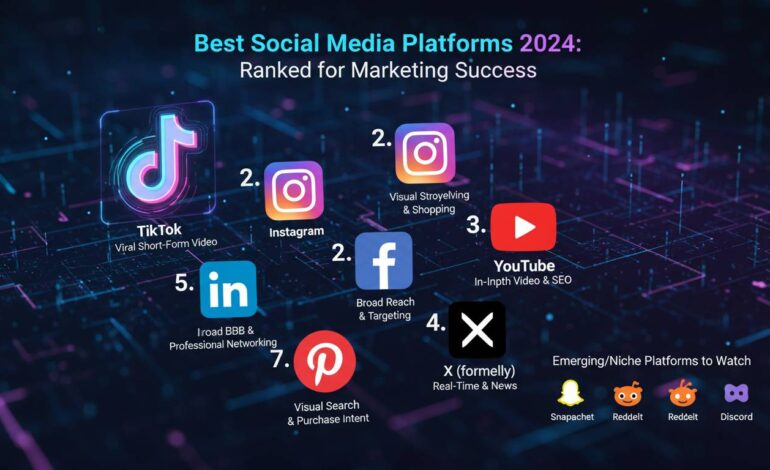
While core principles of viral content apply across platforms, each platform has unique characteristics requiring tailored approaches. TikTok’s algorithm prioritizes content that performs well in its early hours, making hooks and initial engagement particularly critical. Instagram Reels benefits from Instagram’s existing ecosystem and cross-promotion from the main feed.
YouTube Shorts has emerged as a significant viral platform, with the algorithm actively promoting short-form content to compete with TikTok. YouTube’s recommendation system rewards watch time and audience retention even in short-form content. Twitter/X remains strong for news, opinions, and real-time content, while LinkedIn continues to dominate professional and business content.
Developing platform-specific strategies while maintaining consistent brand identity lets creators maximize reach across multiple platforms. Treat each platform as a unique distribution channel requiring adapted content formats and posting strategies.
Common Mistakes to Avoid
Several common pitfalls derail viral content attempts before they gain momentum. Prioritizing virality over authenticity creates content that feels forced and fails to resonate. Viewers detect inauthenticity quickly, and such content rarely achieves sustainable engagement regardless of promotional effort.
Ignoring analytics and relying on assumptions rather than data leads to repeated mistakes. Even successful creators make errors, but those who analyze performance data identify and correct issues quickly. Avoiding analysis significantly slows improvement and reduces viral consistency.
Neglecting long-term audience building in favor of single viral posts misses the compound effect of consistent quality content. Viral moments provide exposure, but retaining and monetizing that exposure requires ongoing value delivery. Building sustainable influence requires balancing viral attempts with reliable content that maintains audience relationships.
Frequently Asked Questions
How long does it typically take for content to go viral?
Viral content usually gains momentum within the first 24-48 hours after posting. If content doesn’t show significant engagement within this window, the probability of viral status decreases substantially. However, some content experiences delayed viral growth when rediscovered through search or sharing weeks after posting.
Can anyone go viral on social media, or does it require special circumstances?
While anyone can theoretically achieve viral status, success probability depends on factors including content quality, niche competition, audience size, and platform algorithm behavior. Creators who consistently produce high-quality content aligned with audience interests have significantly higher viral success rates than those posting sporadically.
What platform is easiest for achieving viral content?
TikTok currently offers the highest viral potential due to its algorithmic distribution model that prioritizes content performance over follower count. New accounts can achieve millions of views if their content resonates, making TikTok the preferred platform for creators seeking rapid growth.
Should I buy followers or engagement to boost viral potential?
Purchased followers and engagement violate platform terms of service and can result in account penalties or bans. Additionally, purchased engagement typically consists of inactive accounts that don’t generate meaningful interaction. Authentic growth strategies produce sustainable results compared to artificial manipulation.
How important is video content for going viral?
Video content, particularly short-form video, dominates viral content across major platforms. According to 2024 data, short-form video receives approximately 2-3 times more engagement than static image posts. Creators seeking viral success should prioritize video content creation.
What role do algorithms play in viral content success?
Algorithms determine content distribution by evaluating engagement signals, content quality, and viewer preferences. Understanding algorithmic factors lets creators optimize content for distribution, but algorithms ultimately respond to audience behavior rather than being directly manipulated.
How can I maintain viral success after achieving it?
Sustaining viral success requires maintaining content quality, continuing audience engagement, and adapting to changing platform dynamics. Building multiple content pillars, diversifying platform presence, and developing monetization strategies while audience attention remains high helps convert viral moments into lasting influence.
Is it possible to go viral without showing my face or voice?
Several viral creators succeed using text-based content, animation, or voice-over formats without appearing on camera. However, personal branding typically accelerates growth by building audience connection. Faceless content can achieve viral status but often requires more time to build equivalent audience relationships.
Conclusion
Achieving viral success on social media requires understanding audience psychology, creating quality content, optimizing for platform algorithms, and maintaining consistent effort over time. The ten strategies in this guide give you a framework for maximizing viral potential while building sustainable audience relationships.
Keep in mind that viral content serves as a catalyst for growth, but lasting success depends on delivering ongoing value to your audience. Focus on authenticity, analyze your data continuously, and stay adaptable as platform dynamics evolve. With dedication and strategic implementation of these approaches, you can significantly increase your chances of achieving viral success and expanding your digital presence.