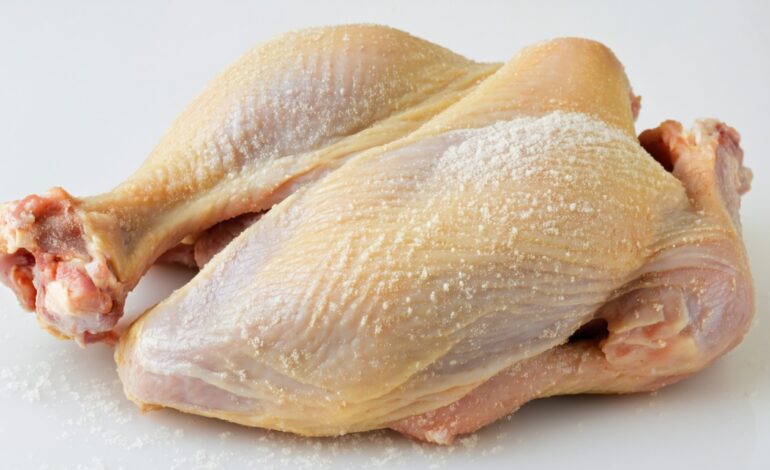
Handling raw chicken is a culinary routine for countless households and restaurants worldwide, yet few kitchen tasks are as critical—and as potentially risky—as defrosting chicken. Proper thawing not only ensures evenly cooked meals but plays a pivotal role in preventing foodborne illnesses. According to the Centers for Disease Control and Prevention (CDC), mishandling poultry can result in the growth of harmful bacteria like Salmonella and Campylobacter, leading to a surge in food poisoning cases each year.
The rapid growth in meal-prep services and home cooking trends further underscores the need for food safety awareness. Even as innovations in packaging and storage improve, the tried-and-true principles of careful thawing remain essential for every cook, from novice to professional chef.
Methods for Defrosting Chicken: Pros, Cons, and Best Practices
Ensuring food safety starts with choosing the best defrosting method for your timeline and environment. The primary techniques—refrigerator thawing, cold-water thawing, and microwave thawing—each have unique advantages and limitations.
Refrigerator Thawing: The Safest Approach
Allowing chicken to defrost in the refrigerator is widely regarded as the safest method. The meat thaws slowly at a controlled, safe temperature, typically 40°F (4°C) or below, which keeps bacteria in check. For most home cooks, this process can take several hours or overnight, depending on the size of the poultry.
Key Advantages
- Maximizes food safety by maintaining a steady, chilled environment
- Preserves chicken texture and prevents partial cooking on any parts
- Once thawed, chicken can remain in the fridge for an additional 1–2 days
Considerations
- Requires advance planning due to the slow thawing pace
- Not ideal for last-minute meals
A real-world example comes from food service professionals, many of whom manage weekly prep schedules with refrigerated thawing to minimize risk and avoid rush situations.
Cold Water Thawing: Faster but More Hands-On
When time is short, submerging chicken (sealed in a leak-proof bag) in cold running water can significantly speed up the thawing process. Water should be changed every 30 minutes to keep it cool and safe.
Key Advantages
- Thaws chicken in a few hours or less (depending on size)
- Safer than using room temperature methods
Best Practices
- Always use a bag to avoid cross-contamination
- Never leave the chicken in standing water longer than necessary
Dr. Elizabeth L. Andress, a food safety specialist, notes:
“Cold water thawing can be safe and effective if done properly, but the key is to keep the temperature low and the process supervised to prevent the growth of harmful bacteria.”
Microwave Thawing: Convenience for Quick Meals
Modern microwaves often have a ‘defrost’ setting tailored for chicken. This method offers the quickest solution but carries a higher risk of uneven thawing or partially cooking sections of the bird.
Caution Points
- Cook chicken immediately after microwave thawing to prevent bacteria from multiplying on warm spots
- Rotate and monitor the chicken to promote even thawing
Restaurant chains focusing on speed and convenience—such as fast-casual outlets—sometimes employ industrial microwaves for rapid meal prep. However, even in commercial settings, post-thaw food safety measures are critically important.
Methods to Avoid: Room Temperature or Hot Water
Leaving chicken to defrost on the counter at room temperature or submerging it in hot water creates an environment ripe for rapid bacterial growth. The United States Department of Agriculture (USDA) and global food standard agencies strongly discourage these methods due to their high risk.
Step-by-Step Guide: How to Defrost Chicken Quickly and Safely
Moving from knowledge to practice, here’s a streamlined approach for efficient, safe defrosting:
Refrigerator Method (Recommended for Plan-Ahead Cooks)
- Place chicken in a tray or bowl at the bottom shelf of your fridge to prevent drips.
- Allow 24 hours for every 4–5 pounds of chicken.
- Once thawed, cook within two days for best quality.
Cold Water Method (Best for Same-Day Meals)
- Seal chicken in a leak-proof bag.
- Submerge the bag in cold tap water.
- Change water every 30 minutes.
- Most small packages thaw in an hour or less; a whole chicken may take up to three hours.
Microwave Method (For Immediate Cooking)
- Remove all packaging and place chicken on a microwave-safe dish.
- Use the defrost setting, checking and rotating frequently.
- Plan to cook the chicken immediately after microwaving.
Coworking kitchens and meal delivery services often standardize these steps to prevent mishaps during busy operations.
Safety Tips to Prevent Cross-Contamination
Beyond choosing a proper thawing method, safe kitchen habits can further reduce risk:
- Wash hands thoroughly before and after handling raw chicken
- Clean and sanitize all surfaces, utensils, and containers used for thawing
- Never refreeze thawed chicken unless it’s been cooked first
A notable best practice from the restaurant industry: designate color-coded cutting boards—one for raw poultry, another for produce—to help minimize accidental cross-contamination.
What Happens If Chicken Is Not Thawed Safely?
Defrosting shortcuts—such as letting chicken sit out on a countertop—can lead to the “danger zone” between 40°F and 140°F (4°C to 60°C), where bacteria proliferate quickly. Even cooking may not destroy toxins already produced, escalating the risk of illness. According to food safety research, improper thawing is often linked to spikes in kitchenborne infections, highlighting why following the guidelines above is critical in both home and professional kitchens.
Conclusion: Prioritize Safety, Plan for Success
Defrosting chicken safely is a foundational kitchen skill that significantly impacts health and meal quality. Whether planning meals days in advance or making last-minute decisions, selecting the appropriate method and strictly adhering to safety protocols ensures delicious, worry-free results. As culinary trends continue to evolve, keeping food safety at the forefront remains a non-negotiable standard for cooks at all levels.
FAQs
What is the safest way to defrost chicken?
The refrigerator method is the safest option, as it keeps chicken at a consistent, safe temperature and prevents bacterial growth.
How long does chicken take to thaw in the fridge?
Small pieces may thaw overnight, while whole chickens can take 24 hours or more per 4–5 pounds.
Is it safe to defrost chicken in the microwave?
Yes, but chicken should be cooked immediately after thawing, since warm spots can encourage bacteria.
Can I thaw chicken in hot water or at room temperature?
Neither method is recommended; both create conditions where dangerous bacteria can multiply rapidly.
What should I do if my chicken began cooking while defrosting in the microwave?
If spots are partially cooked, continue to thoroughly cook the entire piece immediately to ensure safety.