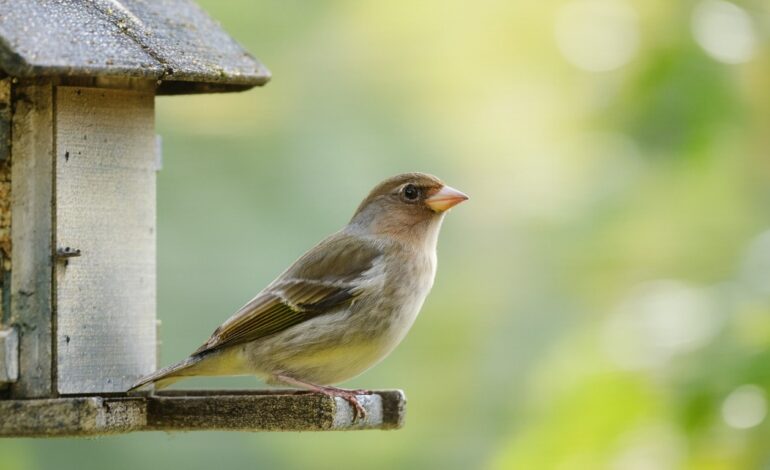
Across neighborhoods and rural landscapes alike, the cheerful presence of songbirds and vibrant feathered visitors reminds us of nature’s beauty—often just outside our windows. For gardeners and homeowners, learning how to attract birds is as much about stewardship as it is about enjoyment. Encouraging birds into your outdoor space not only brings visual and acoustic delight but also supports pollination, natural pest control, and overall garden health. Understanding the needs of local species, and making conscious choices in landscaping and maintenance, can foster a thriving avian community.
Choosing the Right Plants: Creating Habitat Diversity
The backbone of any bird-friendly garden lies in its plant life. Native plants, which are adapted to local climates and support regional insect populations, provide essential resources for birds throughout the year. Ornamental shrubs, flowering perennials, and berry-laden trees attract a wider spectrum of species by offering food, shelter, and nesting sites.
Native vs. Non-Native Plants
Bird experts consistently recommend prioritizing native plant varieties. According to the National Audubon Society, yards landscaped with native flora attract significantly more bird species than those with only exotic or ornamental plants. For instance, oak trees support hundreds of caterpillar species—a primary food source for many fledglings—while many non-native plants host far fewer insects, leading to a decrease in bird diversity.
Layered Landscaping
Diverse plant heights—such as groundcovers, bushes, and tall canopy trees—create microhabitats that appeal to different bird species. Ground-feeding sparrows, shrub-nesting thrashers, and canopy-dwelling warblers all find their niche in gardens layered with thoughtful planting.
“Landscaping with a mix of native trees and shrubs not only brings in more birds—it sets the stage for successful breeding and year-round residency.”
— Dr. C. Moorman, Ornithology Researcher
Providing Consistent Food Sources
While plants provide abundant food in the form of seeds, berries, and nectar, supplemental feeders can boost your garden’s appeal and support birds during lean seasons.
Types of Feeders and Food
Providing a variety of feeders caters to a broad range of birds:
- Tube feeders with sunflower seeds attract finches, chickadees, and titmice.
- Platform feeders are favorites of cardinals, doves, and jays.
- Suet cages support woodpeckers and nuthatches, especially in winter.
- Nectar feeders appeal to hummingbirds in the summer months.
Keep in mind, offering quality seed blends free of fillers and keeping feeders clean is essential. Spoiled or moldy food can deter birds and even cause illness.
Seasonal Feeding Considerations
Winter, with its scarcity of natural resources, sees the highest feeder activity. In spring and summer, many birds focus on insects to raise young, though suet and seed are still in demand for some adults.
Supplying Clean Water Year-Round
Birds need fresh water for drinking and bathing—a feature often overlooked by gardeners. Clean water can draw species that won’t visit feeders, like robins or wrens.
Birdbaths, Fountains, and Moving Water
Simple birdbaths placed at different heights and locations throughout the yard will invite more visitors. Moving water, such as from a dripper or small fountain, is particularly attractive, as many birds are drawn by the sound and sight of rippling or splashing.
In areas with freezing winters, heated birdbaths or regularly replenished de-iced water sources keep birds hydrated when natural sources are scarce. Always scrub and refill basins frequently to limit the spread of disease.
Offering Safe Shelter and Nesting Opportunities
Garden birds seek spaces for nesting, roosting, and taking cover from predators or harsh weather. Beyond the backbone of native vegetation, supplemental shelters can make all the difference.
Natural Shelter
Thick hedges, brush piles, and evergreen shrubs offer ideal sanctuaries. Birds like sparrows and towhees use dense undergrowth for protection and foraging. Leaving some leaf litter and dead wood in tucked-away corners supports insects, which in turn attract and nourish birds.
Nest Boxes and Artificial Homes
Well-placed nest boxes, with entrance hole sizes specific to target species (like bluebirds or chickadees), provide secure breeding sites. Installing boxes at the recommended height, orientation, and away from dense human traffic increases the chance of successful occupancy.
Creating a Safe, Chemical-Free Environment
Even the most inviting garden can be hazardous if not managed carefully. Pesticides, herbicides, and rodenticides all pose risks to birds—both directly and through contamination of their food sources. According to multiple conservation organizations, the use of broad-spectrum insecticides can result in the collapse of invertebrate populations, robbing birds of essential nutrition.
Practical Steps Toward Safety
- Choose organic gardening methods and natural pest controls.
- Delay aggressive spring cleanups so overwintering insects persist as food sources.
- Install window decals or break up large panes of glass to reduce collisions, a common source of injury or death.
Minimizing Predation and Disturbance
Cats, both pet and feral, are among the leading causes of songbird mortality in suburban settings. Keeping domestic cats indoors, or using solutions like ‘catio’ enclosures outside, can drastically reduce this threat.
Additionally, gardens designed with dense, thorny plantings or well-spaced feeders decrease the risk of predation by providing safe cover and clear lines of retreat.
Sustaining Bird-Friendly Practices Over Time
A truly bird-friendly garden evolves. Seasonal maintenance—such as pruning, adding new native plantings, or refreshing feeder options—ensures ongoing interest from both resident and migratory birds. Community science projects, such as the Cornell Lab of Ornithology’s FeederWatch, let gardeners join a larger conservation effort by documenting the birds that visit.
Conclusion
Attracting birds is an achievable goal for any outdoor space, whether it’s a sprawling backyard or a small city balcony. By landscaping with native plants, providing diverse food and water resources, creating safe nesting opportunities, and maintaining a chemical-free environment, gardeners can witness a remarkable increase in the diversity and vibrancy of their local avian visitors. Thoughtful, sustained actions make gardens richer for birds—and for the people who love to watch them.
FAQs
What types of food will attract the most birds to my garden?
Different birds prefer different foods, but a mix of sunflower seeds, suet, and nectar usually attracts a wide variety. Fresh fruits and mealworms can also appeal to insectivorous species.
How important is water for attracting birds?
Water is critical—many birds will visit a garden primarily for a reliable drinking and bathing source, even if food is abundant. Adding a simple birdbath or small fountain will dramatically increase bird activity.
Do I need native plants to attract birds, or will any garden plants do?
While any plants may offer some benefits, native species provide more natural food sources and habitat for local birds. They support more insects, which are essential for feeding young birds in spring.
How can I make my garden safe for birds beyond avoiding chemicals?
Keeping cats indoors, providing thick shrubbery for cover, and minimizing window collisions all contribute to bird safety. Using natural pest management further reduces risks.
When is the best time to start preparing my garden for birds?
Late winter to early spring is ideal for planting new shrubs and trees, cleaning out nest boxes, and setting up feeders before migration and nesting seasons begin. However, bird-friendly improvements can be made year-round.