Hear Me Out Characters: Complete Guide to Main and Supporting Cast

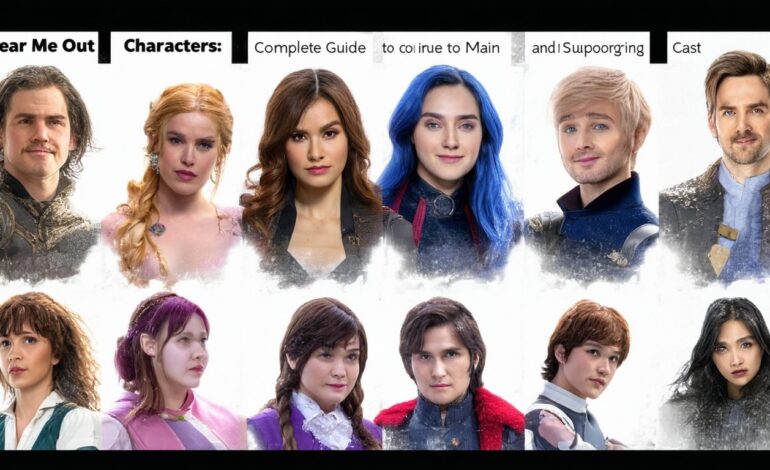
Dramatic narratives have always depended on well-crafted characters, and “Hear Me Out” distinguishes itself through a rich ensemble cast that drives its emotional impact. As modern audiences demand more nuanced storytelling and relatable figures, “Hear Me Out” answers with a layered portrayal of its central and peripheral characters. This guide provides a complete exploration, offering insight into how each key character shapes the series and resonates with viewers.
Main Characters: The Core Voices of “Hear Me Out”
At the heart of any gripping drama is a cast whose journeys intertwine, forging memorable arcs that keep audiences engaged. “Hear Me Out” centers on a group of protagonists, each grappling with personal growth, conflict, and connection.
Maya Evans: The Reluctant Heroine
Often cited as the emotional anchor of “Hear Me Out,” Maya Evans emerges as a compelling protagonist. Navigating a turbulent past, she takes her first steps into advocacy and activism, driven by both internal scars and external injustice. Maya’s choices often spark the main plot, but it’s her vulnerability—combined with a sharp intellect—that makes her relatable.
Her journey exemplifies the modern shift toward complex female leads. According to narrative strategist Dr. Lena Hsu:
“Maya Evans resonates because she embodies both fragility and resolve—viewers champion her as much for her stumbles as her triumphs.”
Maya’s multidimensionality is a key factor cited in positive audience reviews, reflecting a broader trend in TV and streaming content toward protagonists who are flawed, evolving, and deeply human.
Eli Morton: The Principled Contrarian
Opposite Maya, Eli Morton provides thoughtful resistance—often challenging Maya’s perspective but ultimately seeking the truth. His background as a journalist brings investigative rigor to the group, while his moral compass guides difficult decisions. Critics often praise Eli’s dynamic with Maya, noting how their clashes ignite meaningful conversations within the narrative.
Eli’s story arc reflects an ongoing exploration of journalism’s role in shaping public opinion. This mirrors real-world debates around media ethics and transparency, grounding the series in contemporary relevance.
Tessa Wright: The Empathic Strategist
Tessa Wright, a social worker by training, lends the ensemble its heart and organizational savvy. While operating in the background, Tessa’s interventions often steer the group away from disaster. Her skill set—crisis management, negotiation, and emotional intelligence—mirrors real-world best practices in social advocacy.
In recent episodes, Tessa’s backstory has been explored more deeply, revealing motivations rooted in lived experience. Audiences have responded favorably, recognizing the quiet but critical value of support roles both in fiction and society.
Supporting Characters: Shaping Depth and Realism
Behind every protagonist is an ecosystem of characters who provide context, conflict, and color. “Hear Me Out” features a diverse array of supporting figures whose actions frequently alter the course of the main narrative.
Marlon Grant: The Cautious Insider
Marlon is a secondary character whose access to institutional power and knowledge makes him essential to the group’s cause. As a liaison between activists and policymakers, Marlon represents the tension between established systems and grassroots movements. His scenes frequently highlight the intricacies of real-world change—slow, incremental, but not impossible.
Marlon’s character development underscores the importance of allies within systems of power. This echoes industry analysis suggesting that effective advocacy is often the result of both external pressure and internal negotiation.
Cassidy Lee: The Reluctant Antagonist
No story is complete without its antagonists, and Cassidy Lee’s opposition to Maya’s group is steeped in both ideology and personal stakes. More than a one-dimensional villain, Cassidy’s motivations are gradually revealed—forcing audiences to reckon with the moral ambiguity that defines modern storytelling.
By presenting antagonism as a product of experience and conviction, “Hear Me Out” mirrors real societal debates where good intentions can clash with divergent worldviews.
Recurring Guest Characters
Beyond the main and secondary cast, the show features several notable recurring personalities:
- Judge Helman: Presides over key legal moments, illustrating the impact of policy on personal lives.
- Detective Iverson: Represents law enforcement’s complex, sometimes contradictory, presence.
- Anjali Kumar: Offers cultural perspective and challenges the group’s preconceptions.
These roles, though smaller, are carefully used to challenge or reinforce the central themes, further rooting the series in realistic portrayals.
Character Evolution and Story Structure
A major reason for the show’s critical acclaim is its commitment to character evolution over static archetypes. Each figure is given space to change, react, and adapt—mirroring the unpredictable nature of real-life progress.
Interpersonal Dynamics
Rather than following linear storylines, “Hear Me Out” layers character journeys, revealing growth through group dynamics. Episodes might focus on Maya’s internal struggle while simultaneously advancing Eli’s journalistic endeavors or Tessa’s organizational hurdles.
This ensemble approach is supported by research into audience engagement. Studies from the Center for Media Psychology indicate that viewers form deeper attachments to shows where individual arcs intersect with and influence group progress. As a result, loyalty to the series tends to increase as viewers invest in collective outcomes, not just solo quests.
Representation and Diversity
Another factor fueling audience connection is character diversity. The cast’s breadth of backgrounds, professions, and perspectives ensures multiple entry points for viewer identification. Industry surveys show that inclusive storytelling correlates with both critical acclaim and commercial success, as audiences increasingly gravitate toward narratives that reflect their own lived experiences.
Impact on Viewers and Broader Culture
Beyond entertainment, “Hear Me Out” has sparked conversations on social issues, advocacy, and personal agency. Fan communities frequently cite the show as a catalyst for engagement, and educators have incorporated episodes into classroom discussions on ethics and activism.
This cultural resonance is less about celebrity draw, and more about the authenticity of portrayal. By grounding even its supporting cast in realistic motivations and consequences, the series achieves what critic James Arledge describes as:
“A tapestry of compelling characters—each indispensable, each flawed, and each deeply necessary for understanding our times.”
Conclusion: The Power of Well-Crafted Characters
The cast of “Hear Me Out” demonstrates the continuing evolution of dramatic storytelling. With protagonists and supporting roles that eschew stereotypes in favor of nuanced, dynamic portrayals, the series serves as a benchmark for future narrative endeavors. Audiences return not just for plot twists, but for the people whose stories linger—often prompting reflection, empathy, and dialogue long after an episode ends.
FAQs
Who is the main character in “Hear Me Out”?
Maya Evans serves as the central figure, whose journey often drives the show’s main narrative. Her layered character arc provides both the emotional core and the primary point of audience identification.
Does “Hear Me Out” feature diverse characters?
Yes, the series is recognized for its inclusive representation—characters come from various backgrounds, professions, and belief systems, reflecting real-world complexity and diversity.
How do supporting characters influence the story?
Supporting figures like Marlon Grant and Cassidy Lee add complexity by introducing new perspectives, conflicts, and alliances. Their actions frequently impact plot direction and character development.
Are antagonists in “Hear Me Out” one-dimensional?
No, the show’s antagonists are portrayed with depth, exposing motivations behind their opposition and challenging traditional notions of good versus evil.
What makes the characters in “Hear Me Out” stand out from typical drama series?
Characters in “Hear Me Out” are celebrated for their growth, interconnected journeys, and realistic flaws, moving beyond stereotypes to create relatable and authentic portrayals.