Do Smartwatches Actually Help You Stay Motivated to Exercise?

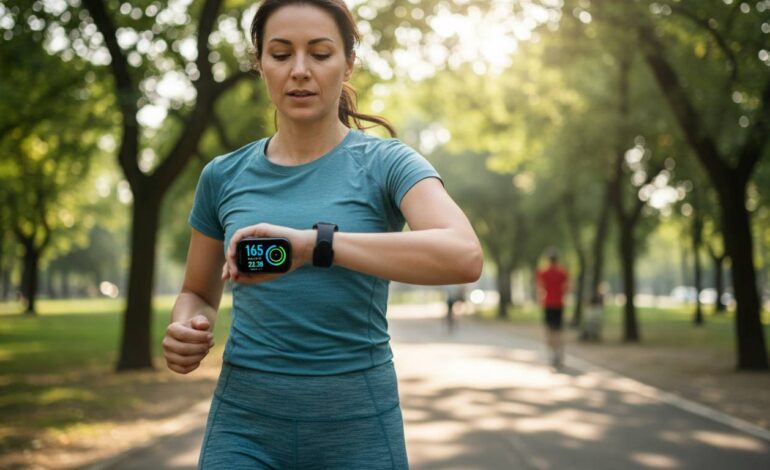
The fitness tracker on your wrist buzzes. You’ve been sitting for two hours, and it’s gently reminding you to move. A small notification, nothing more. But that nudge might be exactly what determines whether you drag yourself off the couch or stay planted. Smartwatches have exploded in popularity, with millions of people relying on them to count steps, track heart rate, and—perhaps most importantly—keep them accountable to their fitness goals. But here’s the question worth asking: do they actually work? Can a device strapped to your wrist genuinely change your behavior, or is it just an expensive reminder that collects dust between your running shoes? The answer isn’t simple, and like most things in the wellness world, it depends heavily on how you use them and what you’re actually looking for.
The Psychology Behind Fitness Motivation and Wearables
To understand whether smartwatches help, you first need to understand how motivation actually works when it comes to exercise. Psychologists have long studied what drives human behavior toward health goals, and the findings reveal something crucial: motivation isn’t a single switch you flip. It’s a complex interplay of internal drive, external feedback, social pressure, and immediate gratification. This is where smartwatches theoretically shine—they provide constant feedback loops that our brains crave.
Behavioral scientists often reference the concept of micro-goals and immediate reinforcement. When you complete 10,000 steps, your watch celebrates. When you close your activity rings, there’s a small burst of satisfaction. This triggers what researchers call “positive reinforcement,” a psychological mechanism where repeated rewards strengthen a behavior. The problem is that our brains are also wired to prioritize immediate rewards over distant benefits. Exercise often feels difficult now but promises results later. A smartwatch tries to bridge that gap by making the “now” feel more rewarding.
There’s also the matter of identity. When you start wearing a fitness-focused smartwatch, you’re subtly signaling to yourself that you’re someone who tracks their health. This phenomenon, sometimes called “identity-based motivation,” means you’re no longer just someone trying to exercise—you’re someone who monitors their fitness, and that shift in self-perception can be powerful. Studies in health psychology suggest that people who view themselves as “exercisers” rather than “people who try to exercise” show better long-term adherence.
But here’s where the nuance matters. Not everyone responds to the same motivational triggers. Some people thrive on gamification—earning badges, beating their previous records, competing with friends. Others find those same features annoying or even anxiety-inducing. The question isn’t whether smartwatches work in general, but whether they work for you specifically.
What Smartwatches Actually Do for Your Workouts
Let’s get practical about what these devices actually offer. Modern fitness smartwatches come packed with features designed to keep you moving, and understanding what each does can help you separate marketing hype from genuine utility.
Activity Tracking and Goal Setting
At the most basic level, smartwatches track your movement. Steps, calories burned, active minutes—these metrics sound simple, but they serve a critical function. They make the invisible visible. Before fitness trackers, most people had no real idea how much they moved each day. Now you can see that your “active day” at work actually amounts to only 2,000 steps, making it harder to ignore your sedentary reality. Most devices allow you to set daily goals, and the satisfaction of hitting them creates a feedback loop that encourages consistency.
Heart Rate Monitoring
Heart rate data does more than satisfy curiosity. It provides real-time insight into your exertion level, helping you train in the right zones. When you can see that your heart rate dropped significantly during your walk, you might push a little harder next time. When it’s too high during a supposed “easy” jog, you know to slow down. This immediate data helps you calibrate effort without guessing, which can prevent both overtraining and undertraining.
Workout-Specific Modes
Most smartwatches now offer dedicated modes for running, cycling, swimming, weightlifting, yoga, and dozens of other activities. These modes track metrics specific to each exercise—pace and distance for running, strokes per minute for swimming, rest timers for strength training. This specificity helps you understand your performance in ways generic step counts never could, and it makes each workout feel more intentional.
Sleep Tracking
Exercise motivation doesn’t exist in a vacuum. Recovery matters, and sleep tracking has become a major feature of modern fitness watches. Poor sleep reduces willpower, increases injury risk, and sabotages workout performance. When your watch shows you that you slept poorly last night, it might explain why you feel unmotivated today—and prompt you to prioritize rest rather than forcing a punishing workout.
Notifications and Reminders
The gentle nudges to move have become synonymous with fitness trackers. Some people find them invaluable; others find them infuriating. The research suggests that these reminders work best when they’re contextual and actionable—not just “move more,” but “you’ve been sitting for an hour, take a 5-minute walk.” Many devices now offer smart notifications that learn your patterns and remind you when you’re falling behind on your daily goals.
Real-World Evidence: Do They Actually Work?
Here’s where we need to be honest: the evidence on fitness tracker effectiveness is mixed, and anyone telling you otherwise is oversimplifying. Several well-designed studies have examined this question, and the results reveal important patterns.
A significant portion of research suggests that fitness trackers can increase physical activity in the short term. People wearing activity monitors tend to walk more, hit their step goals more consistently, and report higher levels of motivation compared to those without devices. The “Hawthorne effect”—the phenomenon where people change their behavior because they know they’re being observed—likely plays a role here. When you’re being watched, even by a device, you’re more likely to perform.
However, the long-term data is less encouraging. Multiple studies have found that the motivational boost often fades after six months to a year. Initial enthusiasm wanes, the novelty wears off, and some users stop wearing their devices entirely. This pattern appears across numerous health behavior interventions—early success doesn’t always translate to lasting change.
There’s also the question of who benefits most. The data suggests that people who are already somewhat motivated tend to get the most value from fitness trackers. Someone who’s never exercised and hates the idea of physical activity probably won’t suddenly become a gym rat because their watch buzzes at them. On the other hand, someone who’s already exercising semi-regularly might find that a tracker helps them optimize, quantify, and maintain their progress.
Interestingly, some research has found that extremely data-focused tracking can actually backfire for certain individuals. When every workout becomes about hitting specific numbers, the intrinsic joy of movement can get lost. Exercise becomes a chore to check off rather than an activity to enjoy, and that shift can undermine long-term adherence for some people.
The Downsides and Limitations
No honest evaluation of fitness smartwatches would be complete without acknowledging their limitations and potential drawbacks. These aren’t universal dealbreakers, but they’re worth considering before you invest.
Data Inaccuracy
While modern devices are much better than early fitness trackers, they’re still not perfectly accurate. Heart rate monitors can struggle during high-intensity interval training or activities with lots of wrist movement. Step counters sometimes count driving in a car as steps. Calorie burn estimates are, at best, educated guesses. For most casual users, this inaccuracy doesn’t matter much. But if you’re training for specific athletic goals or managing a medical condition, the margin of error can be significant.
Dependency and Anxiety
Some users develop an unhealthy relationship with their device data. They feel anxious if they don’t hit their goals, guilty if they take a rest day, or obsessed with optimizing every metric. This “quantified self” mentality can transform a helpful tool into a source of stress. Exercise should enhance your life, not become another performance metric that causes anxiety. If you notice yourself feeling worse after checking your watch data, that might be a sign to take a break from intensive tracking.
Battery Life and Maintenance
Fitness smartwatches require charging, often every day or two depending on usage. This maintenance adds another task to your routine, and for some people, it’s enough to eventually abandon the device. Additionally, these devices have limited lifespans. Battery degradation, software obsolescence, and physical wear mean that a watch you buy today might not function optimally in three years.
Cost Considerations
Quality fitness smartwatches aren’t cheap. You’re looking at spending anywhere from a few hundred to over a thousand dollars depending on the brand and features. For some, this investment provides enough value to justify the price. For others, it’s an expensive experiment that ends up in a drawer.
Who Benefits Most from Fitness Smartwatches?
Understanding who gets the most value from these devices can help you decide whether they’re right for you. The research and user data point to several patterns.
People New to Exercise
If you’re just starting your fitness journey, a smartwatch can provide structure and guidance that would otherwise require knowledge or coaching. The baseline metrics help you understand where you’re starting, and the progress tracking shows you improvement you might not otherwise notice. For beginners, even small gains in step count represent meaningful change, and a watch can make those gains visible.
Data-Driven Exercisers
Some people genuinely enjoy analyzing their performance. If you love poring over splits, comparing heart rate zones, or experimenting with different training approaches, a fitness smartwatch provides a wealth of data to work with. These users often treat their device as a training tool rather than a simple activity counter, and they tend to get significant value from the analytics features.
Goal-Oriented Individuals
If you respond well to specific, measurable targets, you’ll probably appreciate the goal-setting features. Whether it’s closing your activity ring, hitting a weekly step target, or maintaining a running streak, these defined objectives provide clear benchmarks for success.
People Needing Accountability Structure
For some, the external accountability of a tracking device makes a real difference. When your watch is watching, you’re less likely to skip a workout or cut your walk short. This external accountability can bridge the gap between intention and action, especially during periods when motivation is naturally low.
On the other hand, people who already exercise consistently without any tracking might find the devices redundant. Those who feel anxious about data or have a history of disordered eating might want to avoid intensive activity tracking. And people looking for a magic solution—a device that will somehow make them want to exercise—will likely be disappointed.
Choosing the Right Smartwatch for Motivation
Not all fitness smartwatches are created equal when it comes to motivational features. If you’ve decided you want to try one, here are the factors worth considering.
Battery Life
If you’re going to use a device for motivation, it needs to be ready when you are. A watch that dies mid-workout or needs charging every night can become more hassle than help. Look for devices that offer multiple days of battery life, especially if you’re interested in sleep tracking, which typically requires wearing the watch overnight.
Ecosystem Compatibility
Your smartwatch should play well with your other devices and fitness apps. If you use a specific fitness app, check whether it integrates with potential watch options. Some people love the all-in-one experience of staying within one ecosystem; others prefer mixing and matching based on features.
Motivational Features
This is where different devices really diverge. Some focus heavily on gamification—badges, challenges, social competition. Others take a more minimal approach, offering data without the game-like elements. Think about which style resonates with you. The flashiest features aren’t always the most effective for your specific personality type.
Comfort and Wearability
A fitness tracker you won’t wear provides zero motivation. If you find bulky watches uncomfortable, consider smaller form factors. If you dislike wearing things to bed, sleep tracking becomes irrelevant. Choose a device that fits comfortably into your actual lifestyle, not your idealized lifestyle.
Budget Considerations
You don’t need the most expensive device to get motivational benefits. Many mid-range options offer excellent tracking accuracy and useful features at a fraction of the cost of flagship models. Decide which features matter most to you, and resist the temptation to pay for bells and whistles you’ll never use.
Conclusion
So, do smartwatches actually help you stay motivated to exercise? The honest answer is: it depends. For many people, yes—these devices provide the feedback, accountability, and structure that can turn vague fitness intentions into consistent action. They make progress visible, celebrate small wins, and help you understand your body better. The psychological mechanisms behind their potential effectiveness are well-documented.
But they’re not magic. The research shows that fitness trackers work best as a supplement to genuine motivation, not a replacement for it. They shine brightest for people who are already inclined toward exercise but want help with consistency and insight. They’re less effective for those hoping that simply buying a device will somehow create motivation out of nothing.
The real question isn’t whether smartwatches work in general—it’s whether they’ll work for you, specifically. Consider your personality, your relationship with data, your exercise history, and your actual lifestyle. If you’re someone who responds to tracking, goals, and feedback, a fitness smartwatch might become an invaluable tool. If you suspect you’d find the notifications annoying or the data anxiety-inducing, you might save your money and find other ways to stay accountable to your fitness goals.
Ultimately, the best fitness tool is the one you’ll actually use. A sophisticated smartwatch sitting in a drawer helps no one. But a simple reminder on your wrist that gets you off the couch one more time this week? That might be exactly what you needed.
FAQs
Do smartwatches actually help you lose weight?
Smartwatches can support weight loss efforts by tracking activity levels, calorie burn, and movement patterns. However, they don’t directly cause weight loss—weight loss requires a calorie deficit, which comes from diet and exercise combined. A watch can help you stay aware of your activity and make more informed decisions, but it’s just one tool in a larger strategy.
Which features should I prioritize for fitness motivation?
Look for features that match your specific goals. If you need reminders to move, prioritize notification customization. If you want to track specific workouts, ensure the device offers accurate workout modes. If competition motivates you, check out the social features and challenges. The most motivational feature is the one you’ll actually engage with.
How long does it take to see motivation benefits from a smartwatch?
Many users report noticing increased awareness within the first few days, but the “motivation boost” effect tends to be strongest in the first one to three months. After that, novelty can wear off. To maintain long-term benefits, try setting new goals periodically, exploring different features, or using the data to design new workout challenges for yourself.
Can a smartwatch make exercise less enjoyable?
For some people, yes. The constant tracking and data collection can turn a pleasurable activity into a numbers-focused performance. If you notice yourself feeling anxious about hitting numbers or guilty about rest days, consider taking breaks from tracking or using your watch in a more passive mode that simply records without constant feedback.
Do I need an expensive smartwatch for fitness tracking?
Not necessarily. Many affordable fitness trackers offer excellent step counting, heart rate monitoring, and basic workout tracking. The most expensive devices typically add advanced features like ECG, blood oxygen monitoring, and sophisticated GPS. For basic motivation and activity tracking, mid-range options are often sufficient.
What happens if I stop using my fitness smartwatch?
If you stop wearing your watch, you’ll lose the immediate feedback and reminders that can boost motivation. However, the habits you built while using it may persist. Some people find that after months of tracking, they develop an internalized sense of their activity levels that continues even without the device. The long-term value of a smartwatch often comes from the behavioral changes it helps you develop.