cole tucker net worth

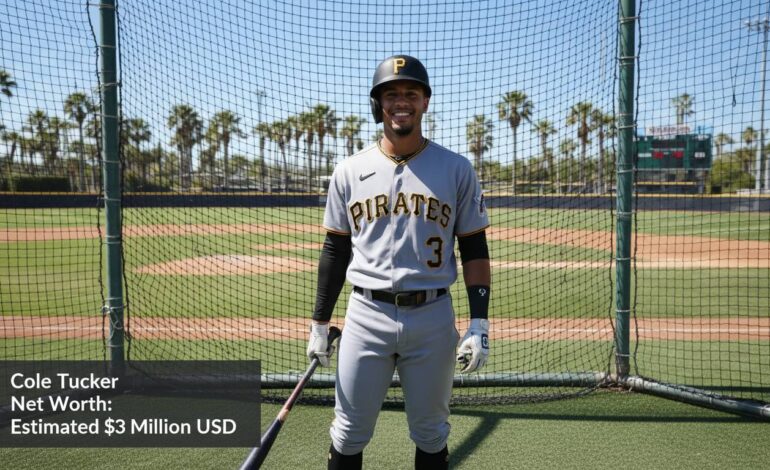
Cole Tucker has built a respectable career in Major League Baseball since being selected as a first-round draft pick in 2014. While his net worth isn’t publicly disclosed in the same way that superstar athletes’ fortunes are, understanding his career earnings, contracts, and financial journey provides meaningful insight into his financial standing as a professional baseball player.
Early Life and Background
Cole Tucker was born on July 17, 1996, in Mount Vernon, New York. He grew up in a baseball family, which helped shape his trajectory toward professional baseball from an early age. His father, Steve Tucker, played minor league baseball, giving Cole early exposure to the sport and the professional athlete lifestyle.
Tucker attended high school in Florida, where he quickly established himself as a talented two-way player. His performance on the field attracted attention from MLB scouts, setting the stage for his eventual selection in the draft. The combination of his defensive versatility and offensive potential made him an attractive prospect for teams looking to add promising young talent to their organizations.
MLB Draft and Signing Bonus
The Pittsburgh Pirates selected Cole Tucker with the 24th overall pick in the 2014 MLB Draft. Being a first-round selection came with a significant signing bonus, which marked the beginning of his professional baseball career and provided his first substantial earnings.
First-round picks in the MLB Draft typically receive signing bonuses ranging from hundreds of thousands to several million dollars, depending on their draft position and negotiating leverage. While the exact terms of Tucker’s signing bonus weren’t publicly disclosed in full detail, first-round picks around his draft position generally received signing bonuses in the $1.5 million to $2.5 million range during that period.
This initial signing bonus represented seed money that would grow throughout his career as he progressed through the minor leagues and eventually reached the major leagues. The transition from amateur baseball to professional baseball also meant additional expenses, including agent fees, taxes, and financial management costs that would take a portion of that initial windfall.
Minor League Journey
After signing with the Pirates, Tucker began his professional career in the minor leagues. This period typically involves relatively modest salaries compared to major league earnings, with players often earning a few thousand dollars per month during the season. Most minor league players supplement their income during the off-season, as the baseball season only runs for approximately half the year.
Tucker worked his way through the Pirates’ farm system, playing for various minor league affiliates. His progression showed steady development, with his defensive versatility being a particular strength. He could play multiple positions, including shortstop, third base, and outfield, which increased his value as a potential major league contributor.
The minor league journey tested both his baseball skills and financial discipline. Many prospects who receive substantial signing bonuses learn important lessons about money management during this period, as the gap between their initial windfall and major league salaries can be significant.
Major League Debut and Career Earnings
Cole Tucker made his MLB debut with the Pittsburgh Pirates on September 17, 2019. This marked the moment when his earnings would transition from minor league salaries to major league wages, which represent a substantial increase.
MLB salaries are determined through a combination of factors, including service time, arbitration eligibility, and contract negotiations. Players on their first major league contract typically earn near the league minimum, which was around $555,000 in 2019. However, this figure increases with each year of service time.
Throughout his career with the Pirates, Rockies, and Brewers organization, Tucker earned cumulative salaries that reflect his status as a role player rather than a star. While exact year-by-year figures aren’t always publicly reported in detail, we can estimate his career earnings based on typical salary trajectories for players at his service time level.
A player with Tucker’s service time accumulation would generally earn somewhere in the range of $100,000 to $500,000 per season on their initial contract, with increases as they approach arbitration eligibility. MLB players with two to three years of major league service time often earn between $1 million and $3 million annually, depending on their performance and role.
Contract Details and Salary Progression
After making his major league debut, Tucker spent several seasons with the Pirates organization. His salary progression reflected his status as a player still establishing himself in the league. The Pirates, as a smaller-market team, typically work within budget constraints that affect salary negotiations.
In 2023, Tucker played for the Colorado Rockies after being claimed off waivers. This mid-season transaction provided him with an opportunity to play for a different organization while continuing to earn his existing salary. Later in 2023, he was claimed by the Milwaukee Brewers, further extending his major league career and earnings.
The life of a non-star MLB player often involves navigating these roster transactions while maintaining consistent performance. Each new organization brings potential opportunities for increased playing time, which can lead to performance bonuses and increased job security.
Factors Affecting Net Worth
Understanding Cole Tucker’s net worth requires examining several financial factors beyond just his salary. These elements combine to shape his overall financial picture as a professional athlete.
Career Earnings: His primary income source comes from his MLB contracts, which have provided steady income throughout his major league career. The cumulative effect of multiple seasons of major league salaries forms the foundation of his net worth.
Signing Bonus: The initial bonus from his first-round draft selection provided significant early-career income that was invested or saved.
Investments: Many professional athletes invest in real estate, businesses, or financial instruments during their careers. While specific details about Tucker’s investment portfolio aren’t publicly known, this represents a common wealth-building strategy among MLB players.
Endorsements: Lower-profile MLB players typically receive fewer endorsement opportunities compared to superstars in other sports. However, local endorsements and appearances can provide supplementary income.
Taxes and Expenses: Professional athletes face significant tax obligations, particularly since they play in multiple states throughout the season. Additionally, agents, financial advisors, and personal trainers represent ongoing expenses that affect take-home pay.
Lifestyle Costs: Maintaining the lifestyle of a professional athlete, including housing, transportation, and equipment, requires substantial ongoing expenditure.
Financial Management in Professional Baseball
Professional baseball players face unique financial challenges that differ from many other professions. The relatively short career window, combined with the possibility of injury or performance decline, creates pressure to maximize earnings during peak playing years.
Many MLB players work with financial advisors who specialize in athlete finances. These professionals help navigate the complex tax situation, plan for life after baseball, and make smart investment decisions. The career span of an MLB player averages only a few years, making financial literacy particularly important.
Tucker, like many players, has had to balance the immediate benefits of major league salaries against the long-term need to prepare for retirement and post-baseball career transitions. The physical demands of professional baseball mean that career-ending injuries can occur at any time, adding another layer of financial planning complexity.
Career Performance and Value
From a pure baseball perspective, Tucker’s career has been characterized by versatility rather than standout star power. His ability to play multiple positions provided value to his teams, even when his offensive numbers didn’t dominate league statistics.
Throughout his MLB career, Tucker has shown flashes of potential without consistently delivering the offensive production that would command premium salaries. His defensive flexibility remained his most consistent trait, allowing him to find roster spots even when his bat struggled.
This career trajectory is common among MLB players who don’t become superstars. The difference between a career minor leaguer and a player like Tucker who maintains a major league roster spot for multiple seasons often comes down to defensive versatility and positional flexibility.
Comparison to League Peers
When evaluating Tucker’s net worth, it’s helpful to compare his career to other MLB players at similar career stages. He falls into the category of players who established themselves as solid major league contributors without becoming household names.
Top MLB players can earn $30 million or more annually, creating a massive gap between superstars and role players. The median MLB salary sits well below $1 million, meaning players like Tucker who earn around $1-3 million per season actually fall above the league average.
This context matters when discussing net worth. While Tucker hasn’t earned the massive contracts that go to star players, his career earnings likely exceed what most Americans will earn in a lifetime. The financial security that comes with multiple years of major league salary represents significant wealth by most measures.
Life Beyond Baseball
Professional athletes often begin planning for post-baseball careers while still playing. This preparation can include pursuing education, starting businesses, or developing skills that translate to post-playing careers.
Tucker has mentioned interest in various ventures beyond baseball, though specific details about his post-playing career plans aren’t widely known. Many former MLB players transition to coaching, broadcasting, or business careers after their playing days end.
The financial foundation built during his playing career provides flexibility for whatever path Tucker chooses after baseball. Whether he pursues continued involvement in baseball or explores entirely different industries, his career earnings will provide a foundation for his next chapter.
Current Career Status
As of his most recent MLB activities, Cole Tucker has continued playing professional baseball, maintaining his presence in major league organizations. His journey through multiple teams demonstrates the resilience required to maintain a major league career in a competitive environment.
The life of a professional baseball player at the major league level, even without superstar status, provides comfortable financial compensation. While exact figures aren’t publicly confirmed, reasonable estimates based on his career trajectory suggest a cumulative career earnings total that places him firmly in upper-middle-class financial standing, if not wealth by professional athlete standards.
Realistic Financial Outlook
Based on publicly available information about MLB salaries and career trajectories, Cole Tucker’s net worth likely falls in the range that reflects his career earnings as a mid-tier major league player. Without specific confirmation from Tucker himself, any exact figure would be speculation.
What is clear is that his career has provided substantial financial security that exceeds what most Americans achieve. The combination of his initial signing bonus, multiple seasons of major league salary, and the potential for continued earnings creates a financial picture that supports a comfortable lifestyle both during and after his playing career.
FAQs
What is Cole Tucker’s actual net worth?
Cole Tucker’s exact net worth is not publicly disclosed. MLB players’ financial information is generally private, and without official confirmation from Tucker or his representatives, any figure would be an estimate based on career earnings.
How much did Cole Tucker make in his MLB career?
Based on typical salary trajectories for players with his service time, Tucker’s cumulative MLB earnings likely fall in the range of $3-8 million throughout his career with the Pirates, Rockies, and Brewers organizations.
What was Cole Tucker’s signing bonus?
As a first-round pick in 2014 (24th overall), Tucker received a signing bonus typical for that draft position. First-round picks in that range generally signed for $1.5-2.5 million during that draft year.
Does Cole Tucker have endorsement deals?
Public information about Tucker’s specific endorsement deals is not readily available. Lower-tier MLB players typically have fewer endorsement opportunities compared to stars in other sports.
What teams has Cole Tucker played for?
Tucker has played for the Pittsburgh Pirates (2019-2022), Colorado Rockies (2023), and Milwaukee Brewers (2023) during his MLB career.
Is Cole Tucker still playing baseball?
Cole Tucker continues his professional baseball career. His journey through multiple organizations demonstrates his continued pursuit of a major league career.