Chikatilo Movie 2026: The Hunt for the Rostov Ripper

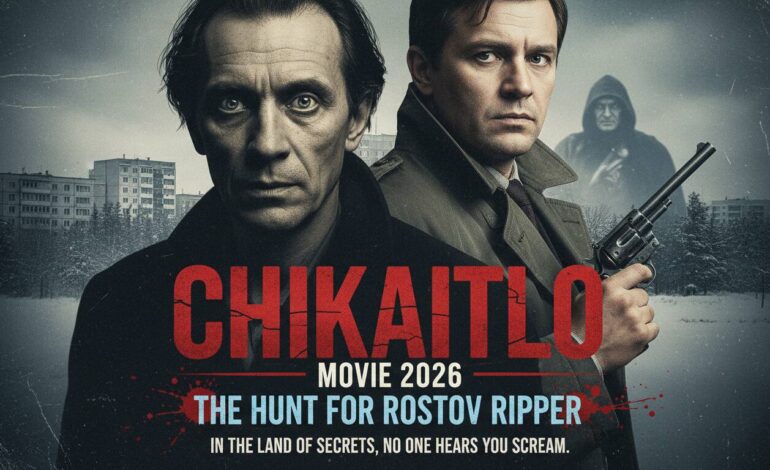
Anyone searching for a 2026 Chikatilo movie is probably hitting the same wall I did—lots of interest, very little actual information. The case has clearly captured filmmakers’ imaginations, but so far no one has announced anything concrete. Let me break down what’s actually known and why this story keeps getting revisited.
Andrei Chikatilo, nicknamed the “Rostov Ripper” (some called him “The Red Ripper”), murdered at least 52 people in southern Russia during the 1980s. Most of his victims were women and children. He was finally caught in 1992 and executed in 1994. The investigation took over a decade and required forensic techniques that were cutting-edge at the time—DNA evidence played a big role in finally tying him to the crimes.
What makes this case so compelling for filmmakers isn’t just the body count. It’s the sheer frustration of the investigation. Soviet police chased dead ends for years. They had the killer’s general description but couldn’t connect the crimes geographically—Chikatilo moved around enough that the pattern wasn’t obvious. He worked as a driver, kept his head down, and essentially got away with murder while the system around him was too bureaucratic to catch him.
Why True Crime Keeps Coming Back to This Case
The Chikatilo story fits perfectly into what audiences want from true crime right now. Streaming platforms have poured money into this genre because it works—people can’t get enough of complex criminal investigations, psychological breakdowns, and the eventual (if late) justice.
Modern true crime tends to lean toward something more nuanced than pure shock value, though. Filmmakers now want to examine the investigation itself, the failures of the system, the psychological questions that never get clean answers. The Chikatilo case offers all of that. Soviet psychiatrists argued about whether he was mentally ill or simply evil. The investigation dragged on partly because of institutional dysfunction in the late Soviet period. These details give writers something to actually explore instead of just replaying the murders.
The historical setting adds another layer. This happened during the collapse of the Soviet Union—that chaos probably contributed to Chikatilo operating for so long. A thoughtful film could examine how social collapse creates opportunities for people like him, which is genuinely relevant today.
What’s Already Been Made
Several documentaries exist already, mostly Russian productions with some Western takes mixed in. Access to primary sources has been inconsistent—the Soviet government didn’t exactly open their files for easy documentary filmmaking.
Previous adaptations have established certain visual tropes: the bleak industrial scenery around Rostov-on-Don, Soviet police stations with their distinctive institutional look, interrogation room drama. Any 2026 film would need to decide whether to work within those established aesthetics or try something fresh.
The bigger issue for any production is handling the victims with respect. Many families never got proper closure, and the true crime genre has a bad track record of treating victims as props in someone else’s entertainment. That’s a balance any filmmaker would need to wrestle with seriously.
What a New Film Could Actually Do Different
If someone does move forward with production, the investigation itself makes for compelling drama. Detectives working years on false leads, finally developing DNA techniques that changed criminal investigation forever—that’s inherently dramatic without needing to embellish the violence.
The psychological angle could go somewhere interesting too. Experts still argue about what made Chikatilo tick. Some point to his brutal childhood. Others focus on biological factors. A smart script wouldn’t pretend to have definitive answers but would show how complicated the question actually is.
Looking Forward
Whether a 2026 film happens or not, I suspect we’ll keep seeing Chikatilo adaptations surface. The case has everything: a methodical killer, a sprawling investigation, historical significance, and genuine psychological mystery. It’s the kind of story that keeps attracting filmmakers even when there’s no shortage of true crime material.
If you’re waiting for concrete news about a 2026 release, the usual channels apply—film festivals, industry trades, production announcements. But don’t hold your breath. The interest is real; the actual movie might take a while.
FAQs
Is there an officially confirmed Chikatilo movie releasing in 2026?
No verified production announcements exist as of now. The ongoing interest reflects true crime genre trends rather than any confirmed project.
What was Andrei Chikatilo known for?
Chikatilo was a Soviet serial killer who murdered at least 52 people—mostly women and children—in the Rostov-on-Don area between 1978 and 1990. He was called the “Rostov Ripper” and “The Red Ripper.”
When was Andrei Chikatilo executed?
He was sentenced to death in 1994 and executed that year. Exact details vary in different sources.
Are there existing documentaries about the Chikatilo case?
Yes, Russian and international productions have covered the case, examining the investigation, the crimes, and psychological evaluations.
Why does the true crime genre keep returning to serial killer cases like this?
Audiences respond to the combination of historical detail, investigative drama, psychological complexity, and the satisfaction of seeing justice eventually prevail—even when it takes years.