cheater buster ai

Introduction
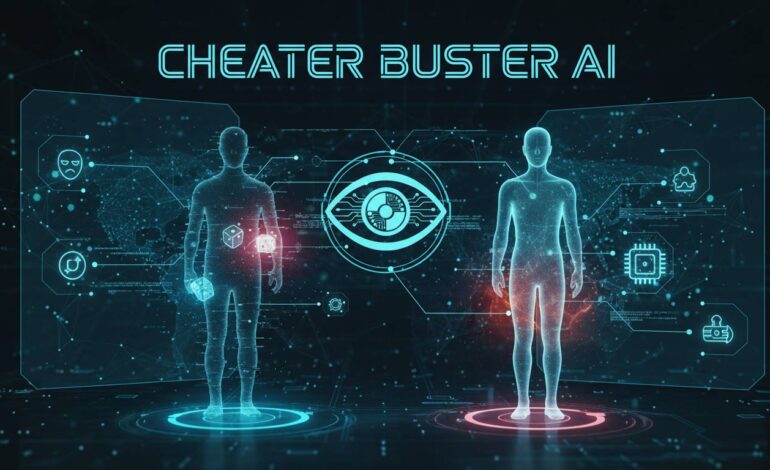
Cheater Buster AI refers to a category of artificial intelligence tools designed to help people discover whether their romantic partners may be unfaithful. These services typically scan social media platforms, dating apps, and other online data sources to identify suspicious activity that could indicate cheating. As digital footprints become increasingly detailed, AI-powered surveillance tools have grown more sophisticated, raising significant questions about privacy, ethics, and the future of trust in relationships. This comprehensive guide explores how these tools work, their effectiveness, legal implications, and the broader cultural shifts driving their popularity.
Understanding Cheater Buster AI Technology
What Exactly Is Cheater Buster AI?
Cheater Buster AI encompasses various software applications that use machine learning algorithms to analyze online behavior and identify potential signs of infidelity. These tools range from simple username search utilities that check if a partner has profiles on dating sites, to more complex systems that monitor social media activity, messaging patterns, and location data. The core technology relies on scraping public data from platforms like Tinder, Bumble, Instagram, and Facebook, then cross-referencing this information to flag suspicious accounts or behavior.
The technology operates by taking a name, phone number, or photo and running it against databases of dating app users. Some services claim to scan for accounts created within specific timeframes, recent profile updates, or location check-ins that might suggest infidelity. More advanced systems analyze posting patterns, message response times, and social connections to build behavioral profiles that could indicate romantic involvement outside a relationship.
The Technology Behind AI Infidelity Detection
Modern cheater detection tools leverage several technological components. Natural language processing helps analyze message tone and content for emotional intimacy that might suggest a romantic connection. Computer vision systems can compare photos across platforms to identify accounts linked to the same person. Geolocation tracking, where available, can reveal whether someone has been visiting particular locations frequently or at unusual hours.
Machine learning models improve their accuracy over time by learning from user feedback. When users confirm whether alerts proved accurate, the algorithms adjust their detection parameters. However, it’s important to note that these systems operate in a legal and ethical gray area, often violating terms of service of the platforms they scrape and raising serious privacy concerns.
Popular Cheater Buster AI Services and How They Work
CheaterBuster.net
CheaterBuster.net (sometimes spelled CheaterBuster) is one of the more recognizable names in this space. The service allows users to search for someone by name or phone number across dating platforms. Users input their partner’s information, and the system scans databases of dating app profiles to find matches. The service claims to search Tinder and other major platforms, providing results that show whether matching profiles exist and when they were last active.
The pricing model typically involves per-search fees or subscription plans for ongoing monitoring. Users receive reports showing potential matches, including profile photos, usernames, and basic information. The service advises that results should be interpreted carefully, as matches may not always indicate infidelity—someone might maintain an old dating profile without active use.
Other Notable Services
The market includes several competing services with similar functionality. These tools generally operate on the same principle: taking personal information and running it against dating site databases to find potential profiles. Some offer additional features like reverse image search capabilities, which can determine if someone’s photos appear on multiple platforms or in suspicious contexts.
Social media monitoring tools have also emerged as alternatives or supplements to dating site scanners. These services track activity on platforms like Instagram, Snapchat, and Facebook, looking for changes in posting behavior, new private messages, or suspicious interactions that might suggest romantic involvement with someone outside the relationship.
The Rise of Infidelity Detection Technology
Why Are These Tools Growing in Popularity?
Several factors contribute to the increasing demand for cheater detection AI. Trust issues in relationships have intensified as digital communication creates more opportunities for secret interactions. The normalization of online dating, even among people in committed relationships, has made partners more suspicious about potential lingering accounts or secret activity.
Social media’s ubiquity means that evidence of infidelity often leaves digital traces that didn’t exist in previous generations. Partners increasingly feel they have a “right to know” what’s happening in their relationships, and technology offers what appears to be a solution. The accessibility of these tools—often available for modest fees without technical knowledge required—makes them attractive options for people experiencing relationship anxiety.
Cultural attitudes toward infidelity also play a role. While cheating remains widely condemned, the perceived prevalence has increased in the digital age. This creates a feedback loop where suspicion breeds monitoring, and monitoring can itself damage relationships regardless of whether infidelity actually occurred.
The Psychology Behind Using Detection Tools
The decision to use cheater detection AI often stems from specific psychological triggers. People who have experienced betrayal in past relationships may be more likely to monitor partners, as may those who have witnessed parental infidelity during childhood. Insecurity, relationship dissatisfaction, and communication breakdowns can all drive someone toward surveillance technology.
However, experts note that using these tools rarely resolves underlying relationship issues. Even when evidence of cheating is discovered, the revelation often creates more problems than it solves. The secret nature of surveillance means the betrayed party cannot address concerns openly, and the discovery of monitoring itself can become a major source of conflict.
Privacy and Ethical Concerns
The Dark Side of Digital Surveillance
Cheater Buster AI tools raise serious privacy concerns that extend beyond the specific relationship in question. These services typically scrape data from platforms that prohibit such activity, potentially violating terms of service agreements. The collection and storage of personal information—whether someone uses dating apps or not—creates databases that could be vulnerable to breaches or misuse.
The ethical implications are equally troubling. Monitoring a partner without their consent represents a fundamental violation of trust and autonomy. Even in relationships where infidelity has occurred, the decision to surveil rather than communicate reflects deeper problems that technology cannot fix. Critics argue that these tools normalize controlling behavior and could escalate to more serious forms of abuse in some cases.
There’s also the matter of false positives. AI detection systems are not infallible, and mistaken accusations based on faulty data can devastate relationships that were actually faithful. The emotional damage from false accusations often proves difficult to recover from, and the secret nature of the surveillance means the accused partner may never understand what triggered the conflict.
Impact on Digital Platform Ecosystems
The existence of cheater detection services creates tensions within the technology ecosystem. Dating platforms have financial incentives to maintain user trust and safety, and services that facilitate surveillance or violate user privacy undermine these efforts. Some platforms have implemented measures to block scraping and protect user data, though cat-and-mouse dynamics continue as detection tools evolve.
The presence of these services also affects how people engage with dating apps even when they’re not being monitored. Fear that partners might be checking up on them could discourage people from using legitimate features or being honest about their relationship status, creating a climate of suspicion that damages the overall dating experience.
Legal Considerations
Is Using Cheater Buster AI Legal?
The legality of cheater detection services varies by jurisdiction and depends on how the tools are used. In general, searching for public information about someone is not illegal, even if that information is obtained through automated tools. However, the methods used to collect this information may violate computer fraud laws, terms of service agreements, or privacy regulations depending on the jurisdiction.
Using information obtained through these tools could create legal liability in certain circumstances. If surveillance involves accessing private accounts without authorization, installing spy software on devices, or intercepting communications, serious criminal charges could apply. Stalking laws in some areas could encompass intensive monitoring behavior, even when conducted by a romantic partner.
The situation becomes more complex when considering workplace use. Employers who monitor employee communications must navigate different legal frameworks than individuals monitoring personal relationships. Misuse of detected information—such as using it to harass or blackmail someone—could lead to significant legal consequences.
What Privacy Laws Mean for Detection Tools
Data protection regulations like GDPR in Europe and CCPA in California place restrictions on how personal information can be collected and used. While these laws primarily target businesses, they establish principles that could affect cheater detection services, particularly regarding consent and data minimization. Services that collect information without user knowledge or store it indefinitely may run afoul of these regulations.
The legal landscape continues to evolve as legislators grapple with emerging technologies. Proposed regulations around relationship surveillance and “stalkingware” could further restrict cheater detection tools, though such legislation faces challenges in balancing privacy concerns with other interests. Users should understand that the legal status of these tools remains somewhat uncertain and could change.
Alternatives to Digital Surveillance
Healthier Approaches to Relationship Trust
Rather than resorting to covert monitoring, relationship experts generally recommend open communication as the foundation for addressing trust concerns. Partners who feel something is wrong should first try discussing their feelings directly, even when this feels difficult or uncomfortable. Questions like “I feel disconnected lately, can we talk about what’s happening?” open dialogue without accusations that trigger defensiveness.
Couples counseling provides structured support for addressing trust issues and improving communication. Professional counselors can help partners understand underlying concerns, develop healthier interaction patterns, and work through conflicts constructively. This approach addresses root causes rather than just symptoms and preserves the relationship’s integrity.
Individual therapy can also help people understand why they feel compelled to monitor their partners. Sometimes anxiety about infidelity reflects personal insecurities or past trauma rather than current relationship problems. Working through these issues independently can lead to healthier relationships regardless of whether a partner has been unfaithful.
Signs of Infidelity That Don’t Require Surveillance
Research on infidelity has identified behavioral patterns that may suggest unfaithfulness, though these indicators are far from definitive. Increased secrecy about phone or computer use, changes in intimacy or communication patterns, unexplained schedule changes, and emotional distance can all signal relationship problems that might include infidelity. However, these same signs could indicate other issues like stress, depression, or ordinary relationship fluctuations.
The most reliable approach remains direct conversation rather than surveillance. Partners who ask directly about concerns and create safe spaces for honest answers are more likely to get accurate information than those who rely on technological detection. While confrontation carries risks, the alternative—sneaking around looking for evidence—almost guarantees relationship damage even when no infidelity exists.
The Future of Relationship Technology
Emerging Trends in Detection Tools
AI technology continues to advance, making detection tools more sophisticated. Facial recognition improvements make it easier to track someone’s image across platforms. Natural language processing becomes better at detecting emotional intimacy in written communications. Geolocation analysis grows more precise as devices collect more location data.
However, privacy protections are also evolving. Dating platforms implement stronger security measures. Data protection regulations tighten. Social media companies add features to limit scraping and protect user information. The ongoing tension between surveillance and privacy will likely shape both technologies as they develop.
Some analysts predict consolidation in the cheater detection market, with fewer services surviving increased platform countermeasures and potential legal restrictions. Others foresee more specialized tools targeting specific platforms or types of behavior. Whatever form these tools take, they’re likely to remain available as long as demand exists.
Redefining Trust in the Digital Age
The broader cultural conversation around trust and privacy continues to evolve. Some argue that complete transparency—including mutual access to devices and accounts—should be the standard for committed relationships. Others maintain that privacy is essential even between spouses, and that healthy relationships require some boundaries.
The truth likely lies somewhere in between. Most relationship experts agree that secret surveillance represents a relationship failure rather than a solution. Partners who feel they need to monitor each other have already lost something fundamental—openness, trust, and the assumption of good faith that characterizes healthy relationships.
Technology will continue to present new challenges for relationship trust. The best preparation may be developing strong communication skills and relationship foundations that can withstand the uncertainties of digital life.
Conclusion
Cheater Buster AI tools represent a controversial response to timeless concerns about fidelity and trust. While these services may occasionally provide answers for people suspicious of partner behavior, they come with significant ethical costs, privacy risks, and relationship consequences. The technology operates in legal gray areas, often violates platform terms of service, and can cause serious harm when misused or when results are inaccurate.
Rather than turning to surveillance, couples facing trust concerns would benefit more from honest communication, professional counseling, and careful reflection on what their suspicions might reveal about the relationship’s underlying health. Technology can detect behavior, but it cannot repair what has broken between two people. The path forward requires vulnerability and trust—values that no AI can replicate.
For those still considering cheater detection tools, it’s worth asking: even if you find what you’re looking for, what will you do with that knowledge? And is the potential damage to your relationship worth the answers these tools might provide?
FAQs
Is Cheater Buster AI accurate?
Cheater Buster AI tools have varying accuracy rates depending on the service and what data is available. They can produce false positives (flagging innocent activity as suspicious) and false negatives (missing actual infidelity). Results should be verified through direct conversation rather than used as definitive proof.
Can someone detect if I’m using cheater detection tools on them?
Most cheater detection tools scan public data and don’t require access to your partner’s devices, so they’re difficult to detect. However, if you’re using more invasive methods like keyloggers or spy apps, those can sometimes be discovered through antivirus software or unusual device behavior.
Is it illegal to check if my partner has a dating profile?
Generally, searching for publicly available information is legal. However, using automated tools to scrape data from platforms that prohibit such activity may violate terms of service or computer fraud laws depending on your jurisdiction.
What should I do if I find evidence of infidelity?
If you discover evidence of infidelity, take time to process your emotions before acting. Consider whether you want to work through the relationship or end it. A therapist or counselor can help you navigate these difficult conversations and decisions.
Are there legitimate alternatives to cheater detection AI?
Yes. Open communication with your partner remains the most honest approach. Couples counseling provides professional guidance for addressing trust issues. Individual therapy can help you understand your own feelings and concerns more clearly.
Do cheater detection tools work on all dating apps?
No. Different services have different capabilities, and some platforms have stronger security measures than others. Tinder and other large platforms actively work to prevent scraping and unauthorized data collection.