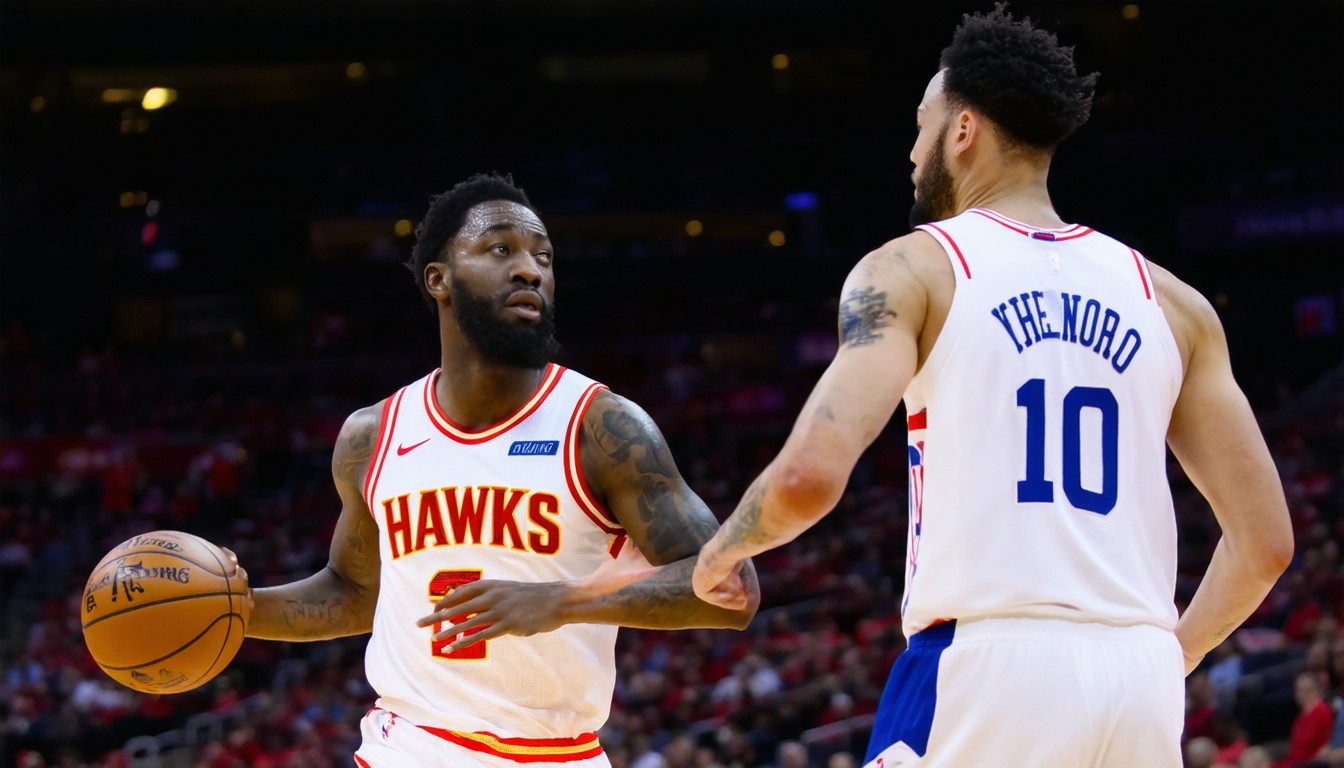
When the Charlotte Hornets face off against the Toronto Raptors, the matchup is more than just a contest between two NBA franchises—it’s a dynamic display of athleticism, strategy, and individual player skill. In recent years, both teams have undergone significant roster changes, with young talent blending into seasoned lineups. Analyzing the latest match player stats provides not just a snapshot of one evening on the hardwood, but insight into broader team trends and the narratives driving each organization’s evolution.
Key Statistical Highlights from the Match
Individual performances often determine the outcome of tightly contested NBA games. In the latest clash between the Hornets and the Raptors, leading scorers, facilitators, and defensive specialists played pivotal roles.
Hornets: Youth Leading the Charge
The Charlotte Hornets are amid a youth movement, relying heavily on emerging stars. Notably, LaMelo Ball has quickly become a focal point for the franchise, orchestrating offense and pushing the tempo.
- LaMelo Ball: Continues to lead in assists and points, reflecting his dual-threat capabilities—often hovering around 20+ points and 8+ assists per game in key matchups.
- PJ Washington and Terry Rozier: Both players frequently step up as secondary scorers, combining for a significant portion of the team’s field goals during tight stretches.
- Mark Williams: As a rim protector and rebounder, he tends to dominate the paint, evidenced by double-digit rebounds and timely blocks.
Beyond the numbers, player development is as crucial as stats. The Hornets’ investment in draft picks and young talent is shaping their competitive identity.
Raptors: Defensive Depth and Veteran Leadership
On the other side, the Toronto Raptors blend the experience of veterans with the promise of rising stars. Their team typically ranks highly in defensive efficiency and fast-break points, often spearheaded by players like Pascal Siakam, O.G. Anunoby, and Scottie Barnes.
- Pascal Siakam: A consistent scoring leader and reliable in clutch moments, regularly posting stat lines with 20+ points and 7+ rebounds.
- Scottie Barnes: The reigning Rookie of the Year has impacted both ends of the floor—averaging impressive numbers in points, rebounds, and steals.
- Fred VanVleet/O.G. Anunoby: Key contributors in perimeter scoring and defensive assignments, frequently chalking up multiple steals and three-pointers per match.
“When you look at the Raptors, their ability to distribute scoring among five or six players makes them unpredictable and tough to defend. It’s the hallmark of a well-coached, disciplined squad,” remarks a leading NBA analyst.
Deeper Dive: Advanced Player Metrics
Modern basketball analysis extends well beyond box scores. Today, advanced metrics such as Player Efficiency Rating (PER), Defensive Rating, and Usage Rate better contextualize player impact.
Hornets Advanced Stats Breakdown
- LaMelo Ball: His high usage rate and assist-to-turnover ratio illustrate a point guard comfortable carrying a heavy workload—while maintaining efficiency.
- Team Shooting: The Hornets’ effective field goal percentage (eFG%) is closely watched; improvements here are often linked to spacing and ball movement, two areas emphasized by their coaching staff.
Raptors: Analytics-Driven Edge
- Pascal Siakam’s Versatility: Siakam’s ability to defend multiple positions, stretch the floor, and attack the rim is reflected in his “win shares,” a stat summarizing his all-around contribution.
- Scottie Barnes: Advanced defensive statistics show Barnes regularly challenges shots and disrupts passing lanes, boosting Toronto’s team defensive metrics.
For both teams, these metrics provide coaching staff and front offices a granular look at development areas and lineup efficiency—crucial in today’s analytics-heavy NBA landscape.
Notable Game Moments and Player Matchups
No box score captures momentum-shifting plays or head-to-head duels. Throughout the recent Hornets vs Raptors matchup, certain flashes stood out:
- Fourth Quarter Surge: Charlotte often relies on Rozier and Ball to ignite late-game scoring runs. In the latest contest, a combined effort midway through the fourth quarter helped close the gap.
- Defensive Responses: Toronto’s rotational defense—led by Anunoby and Barnes—stymied Charlotte’s driving lanes, forcing long-range attempts and generating key transition buckets.
Individual matchups, such as Ball vs VanVleet and Siakam vs Washington, orchestrated much of the game’s rhythm, with each player pushing the other to elevate their play.
Factors Influencing Player Stats
Player statistics don’t exist in a vacuum; they result from a complex interplay of tactics, injury management, and roster depth.
- Injuries and Rotation Changes: Both franchises have managed mid-season injuries, forcing bench players into expanded roles. For the Hornets, this has increased opportunities for second-year wings and backup centers.
- Coaching Philosophy: Charlotte’s up-tempo, aggressive play contrasts with Toronto’s methodical, defense-first approach. These philosophies surface directly in turnover rates, paint points, and pace metrics.
Ultimately, short-term fluctuations in player stats often reveal broader franchise strategies and the challenges inherent in rebuilding or contending seasons.
Conclusion: Insights from the Numbers
Breaking down the Charlotte Hornets vs Toronto Raptors match player stats highlights patterns beyond individual boxes—illuminating how talent, coaching, and tactical trends shape NBA outcomes. Charlotte’s commitment to youth and pace faces off against Toronto’s blend of veteran experience and defensive structure. For fans and analysts alike, these numbers fuel debate, drive narrative, and set expectations for rematches.
Staying attuned to player stat lines—and more importantly, the context behind them—allows for a deeper appreciation of how both organizations are building toward future success. As the NBA season progresses, monitoring these statistical storylines offers a window into each team’s identity and aspirations.
FAQs
What were the standout individual player stats in the Hornets vs Raptors matchup?
LaMelo Ball and Pascal Siakam typically lead their teams in points, with Ball also contributing heavily in assists and Siakam making his mark in rebounds. Emerging stars like Scottie Barnes and veterans such as Terry Rozier also post strong all-around numbers.
How do advanced stats add to the story of this matchup?
Advanced metrics like Player Efficiency Rating and usage rates reveal how players contribute beyond scoring, highlighting defensive impact, playmaking, and overall efficiency on the court.
Which player matchups had the biggest impact?
Duel scenarios such as LaMelo Ball versus Fred VanVleet, and Pascal Siakam versus PJ Washington, proved crucial in shaping each quarter. These battles often dictated changes in momentum and scoring runs during the game.
How have injuries affected player statistics in these teams?
Both Charlotte and Toronto have experienced rotation changes due to injuries, giving increased minutes and responsibility to younger players and bench contributors, which in turn affects statistical outputs.
What does this statistical analysis mean for team strategies?
Understanding player stats highlights each franchise’s tactical focus; for the Hornets, it’s pace and development, while the Raptors prioritize defense and balanced offense. Integrating these insights is key for upcoming game adjustments.
Where can fans track ongoing player stats for these teams?
Fans can follow official NBA platforms and team websites for the most up-to-date and detailed player stats, as well as trusted sports analytics websites for more advanced breakdowns and commentary.