Cha vs Mum: Key Differences and Which to Choose

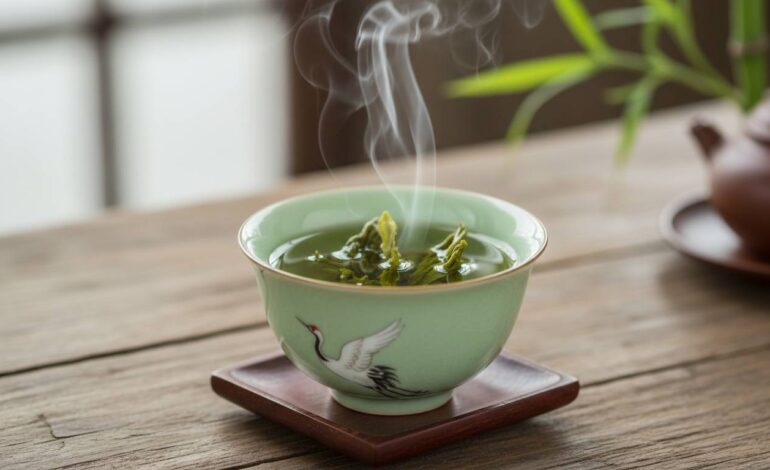
When exploring traditional beverages from around the world, two terms frequently come up: cha and mum. Both are tea-related, but they represent quite different drinks with distinct origins, flavors, and cultural significance.
This guide breaks down everything you need to know about cha versus mum, from their basic definitions to practical considerations for choosing the right one.
What is Cha?
Cha is the Mandarin Chinese word for “tea,” pronounced “chah.” It became the root for the word “tea” in many languages worldwide—Portuguese (chá), Spanish (té), Hindi (chai)—spreading along ancient trade routes where merchants adopted the Chinese pronunciation as they moved between cultures.
In its broadest sense, cha refers to any beverage made by steeping tea leaves in hot water. This includes green tea, black tea, oolong, white tea, and pu-erh. The preparation method typically involves heating water to specific temperatures depending on the tea type, then immersing tea leaves for varying durations to extract flavors, caffeine, and antioxidants.
Traditional Chinese tea culture emphasizes the ceremonial aspect of cha. Tea services in regions like Fujian and Guangdong involve rituals and specialized teaware that have been refined over thousands of years, transforming simple tea drinking into a practice honoring hospitality and friendship.
In India, “chai” has evolved into a spiced milk tea that differs significantly from its Chinese ancestor. Middle Eastern countries have their own tea traditions influenced by historical trade connections and local tastes.
What is Mum?
Mum, or chrysanthemum tea (“juhua cha” in Chinese), is a floral herbal infusion made from dried chrysanthemum flowers. Unlike traditional tea from the Camellia sinensis plant, mum is a herbal tea—it contains no actual tea leaves and is naturally caffeine-free.
The beverage originates from traditional Chinese medicine, where chrysanthemum flowers were used for their supposed cooling properties and health benefits. Practitioners believed the tea could help clear heat, reduce inflammation, and support eye health. Modern research has explored some of these traditional claims, examining antioxidant compounds in chrysanthemum flowers.
Preparing mum involves steeping dried chrysanthemum blossoms in hot water. The resulting liquid has a delicate, slightly sweet flavor with subtle floral notes. Many people enjoy it plain, while others add rock sugar or honey to balance any natural bitterness. Some variations combine chrysanthemum with other herbs or with actual tea leaves.
Chrysanthemum tea is particularly popular in Chinese-speaking regions during summer months, served both hot and cold. Families often prepare it at home as a cooling beverage during hot weather.
Cha vs Mum: Key Differences
Understanding the fundamental distinctions between cha and mum helps clarify why these beverages appeal to different audiences.
Plant Origin
Cha comes from the Camellia sinensis plant, a specific species cultivated for its leaves. Every traditional tea—green, black, white, oolong—derives from this single plant, with variations resulting from processing methods.
Mum derives from chrysanthemum flowers, specifically species like Chrysanthemum morifolium and Chrysanthemum indicum. These are entirely separate plants unrelated to the tea plant, classified as herbal infusions or tisanes.
Caffeine Content
Traditional cha contains caffeine, though amounts vary by tea type. Black tea typically has the highest caffeine content, followed by oolong, green, and white tea.
Mum contains no caffeine, making it suitable for those avoiding stimulants or drinking tea in the evening. This has contributed to its popularity among health-conscious consumers and those with caffeine sensitivity.
Flavor Profile
Cha offers immense diversity in flavor, ranging from grassy and vegetal green teas to malty and robust black teas. The taste depends on tea variety, origin, processing, and brewing technique.
Mum presents a consistently light, floral taste with subtle honey-like sweetness. The flavor remains relatively consistent regardless of preparation, though intensity varies based on steeping time and flower quality.
Cultural Role
cha occupies a central position in multiple cultures as a daily beverage, social ritual, and ceremonial practice. Its history spans thousands of years with deep roots in Chinese, Japanese, Korean, and Indian traditions.
Mum serves primarily as a health beverage and summer cooling drink, with less emphasis on ceremonial aspects. While respected in traditional medicine contexts, it lacks the extensive cultural rituals associated with traditional tea.
| Aspect | Cha | Mum |
|---|---|---|
| Plant Source | Camellia sinensis leaves | Chrysanthemum flowers |
| Caffeine | Yes (varies by type) | No |
| Flavor Range | Wide (diverse profiles) | Consistent floral, sweet |
| Primary Use | Daily drinking, ceremonies | Health, seasonal cooling |
| Cultural Depth | Extensive traditions | Traditional medicine focus |
Which Should You Choose?
Choosing between cha and mum depends on your specific needs, preferences, and circumstances.
Choose Cha When…
You want variety and tradition. If you enjoy exploring different flavors and appreciate the history behind your beverages, traditional tea offers endless possibilities. Cha works well for morning rituals when you need caffeine to start your day. The ceremonial aspects appeal if you value mindful preparation and cultural connection.
People who appreciate the ritual of tea preparation often find cha more satisfying. The process of heating water to precise temperatures, watching leaves unfurl, and appreciating the evolving aroma adds dimensions that simple herbal infusions cannot match.
Choose Mum When…
You need a caffeine-free alternative or want a gentle, soothing beverage. Mum excels as an evening drink that won’t disrupt your sleep. Its cooling properties make it appealing during hot weather or when you feel overheated.
Those interested in traditional wellness benefits might prefer mum. While scientific research continues exploring chrysanthemum’s effects, many drink it for its reputed soothing properties and pleasant flavor.
Consider Blending Both
Some tea enthusiasts enjoy combining elements of both. Chrysanthemum cha—tea with chrysanthemum flowers added—offers a middle ground, combining light caffeine content with floral notes.
Practical Brewing Considerations
Your choice might also depend on practical factors.
Traditional cha requires more attention to detail. Water temperature, steeping time, and tea-to-water ratios all significantly impact the final cup. Beginners might find the learning curve steep, though this same complexity contributes to tea’s appeal for enthusiasts.
Mum proves more forgiving. Simply steep dried flowers in hot water until desired strength is achieved. The margin for error is wider, making it more accessible for casual consumption.
Conclusion
Cha and mum represent two distinct approaches to tea drinking, each with its own merits. Traditional cha offers variety, caffeine, cultural depth, and a complex beverage with centuries of history. Mum provides a gentle, caffeine-free alternative with its own wellness traditions and pleasant floral character.
Neither is inherently superior—the right choice depends on your preferences, lifestyle, and what you’re seeking from your cup. Many tea lovers incorporate both into their routines, selecting cha for certain occasions and mum for others.
FAQs
Is chrysanthemum tea the same as regular tea?
No. Chrysanthemum tea (mum) comes from chrysanthemum flowers rather than tea leaves. It contains no actual tea and is technically a herbal infusion.
Does cha contain more caffeine than mum?
Yes. Traditional cha from Camellia sinensis leaves contains caffeine, while mum is naturally caffeine-free. If you’re sensitive to caffeine, mum is the better choice.
Which is healthier, cha or mum?
Both offer potential health benefits. Traditional tea provides antioxidants and polyphenols, while chrysanthemum has been used in traditional medicine for its cooling properties. Neither is universally “healthier”—the best choice depends on your individual health goals.
Can I drink mum every day?
Yes. Many people drink chrysanthemum tea daily, particularly in Chinese communities. As a caffeine-free herbal option, it’s generally considered safe for regular consumption, though it’s wise to consult healthcare providers for specific health concerns.
What’s the best time to drink cha versus mum?
Cha works well in the morning or early afternoon when you want caffeine’s benefits. Mum is ideal for evening consumption since it won’t interfere with sleep, and it’s particularly refreshing during hot weather.
Where can I buy cha and mum ingredients?
Both are widely available at Asian grocery stores, specialty tea shops, and online retailers. Quality varies significantly, so look for reputable sources with fresh, properly stored products.