Cease and Desist Letter: What It Means and How to Respond

What Is a Cease and Desist Letter—and How Do You Respond?
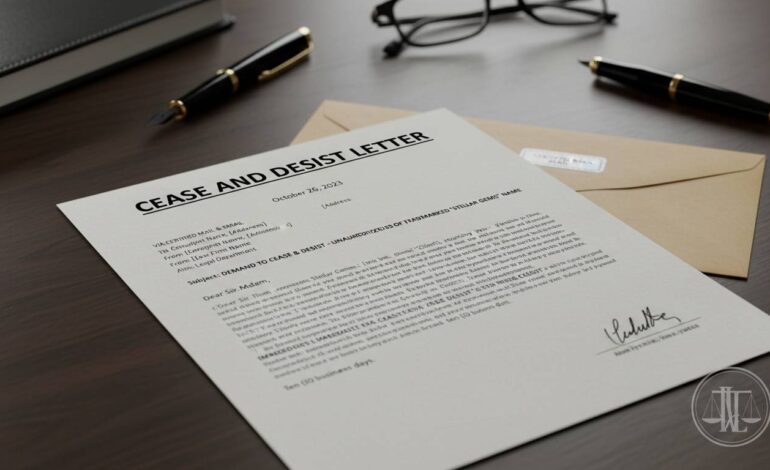
A cease and desist letter is a formal request demanding someone stop a specific action—like making false claims or infringing on rights. It aims to resolve issues without going to court, but ignoring it can lead to legal trouble. Below, you’ll find clarity on what these letters really mean and realistic steps to respond, with helpful examples and insights along the way.
Why These Letters Matter
They’re Often Not Lawsuits
A cease and desist letter is usually a warning—not a court order. It’s sent by an individual or company, not a judge. But take it seriously. It shows someone thinks you’re infringing on their rights, and they could go to court if it continues.
Common Triggers
These letters pop up in a lot of scenarios:
- Trademark or copyright concerns
- Defamation claims—like spreading false rumors
- Non-compete or confidentiality breaches
Each comes with its own legal nuances and expectations about what must stop or change.
Anatomy of a Cease and Desist Letter
Typical Structure
Most letters include:
- A clear statement of what must stop
- Legal or factual justification
- A deadline or timeframe
- Potential consequences—like legal action—if ignored
They’re often written by lawyers, so legal jargon is common. But the structure is consistent: a warning, reasoning, and a timeline.
Tone Can Vary
Some letters are polite and professional—almost cordial. Others are aggressive and intimidating. Don’t assume tone reflects intentions. Even polite letters can escalate quickly if not addressed properly.
Responding to a Cease and Desist Letter
Step 1: Don’t Panic
It’s only a piece of paper. But consider it seriously. Review the claims and what’s being demanded. Getting emotional is natural, but take a deep breath first.
Step 2: Assess if It’s Legitimate
- Is the sender a real person or company?
- Do they have a valid claim—like a registered trademark or copyrights?
- Is their request reasonable, or overly broad?
If something feels off—maybe they want more than what’s fair—seek legal advice before responding.
Step 3: Consult an Attorney
You don’t always need a lawyer—but it helps. Especially if:
- There’s complex legal jargon
- You know your rights (like fair use) could deflect the claim
- You want to challenge or negotiate
Even a short consult can offer direction and protect your rights.
Step 4: Consider Your Options
Here’s how you might react:
Option | Description
—|—
Comply | Stop the requested activity, if it’s easy and reasonable
Negotiate | Work out a middle ground—like rewording or licensing
Respond with your facts | If you believe the claim is wrong, explain your side
Ignore | Not recommended—this risks escalation
Step 5: Drafting Your Response
If you respond, keep it:
- Concise and factual
- Respectful in tone
- Focused on solutions, not emotion
You might include:
- Your explanation or defense
- Proposed adjustments or compromises
- An explicit request to resolve the matter without litigation
“It’s best to keep your reply firm but fair. You want to show you’re serious, responsible, and interested in resolving things rationally.”
— A legal consultant familiar with small business disputes
Step 6: Follow Through
If you agreed to changes—stick to them. If you challenged the claim, be ready for further negotiation or legal pushback. Either way, stay consistent and professional.
Real-World Examples
Example: Stop Using My Logo
A small café got a cease and desist letter from a local bakery claiming logo similarity. The café’s owner consulted a trademark lawyer. Together, they tweaked the café logo slightly and formally communicated the change. The bakery agreed—not happy, but moved on.
Example: Truth in Advertising Concern
An influencer received a letter saying their sponsored posts didn’t clearly note ads. Instead of ignoring it, she added clearer language and complied going forward. The sender sent a follow-up saying the fix was adequate.
These show: measure matters more than fury.
Common Mistakes to Avoid
- Ignoring the letter entirely
- Responding emotionally with threats or aggression
- Overpaying or conceding more than needed
- Failing to document your steps—every reply, change, or consult
Simple errors can turn a solvable issue into a messy legal dispute.
Practical Checklist
- [ ] Review the claim and gather related documents
- [ ] Check if the demand makes sense legally
- [ ] Consult legal help if unclear or risky
- [ ] Decide: comply, negotiate, or defend
- [ ] Respond clearly and professionally—or don’t respond at all if advised
- [ ] Track all decisions and follow through
Conclusion
Cease and desist letters feel scary at first, but they don’t have to be. Often, a calm, measured response defuses the situation. Whether you adjust and move on or stand your ground, clarity and respect go a long way in resolving things without court.
FAQs
What should I do first if I get a cease and desist letter?
Take a moment, read the letter carefully, then evaluate if the claim is even valid. Panic later—after you’ve thought it through.
Do I always need a lawyer to respond?
Not always. But legal help is smart if the claims are complex or you’re not sure what rights you have.
Can I negotiate rather than complying or fighting?
Absolutely. Offering small changes or seeking clarification can often resolve things without escalation.
What happens if I ignore the letter?
Ignoring can leave you exposed to legal action. Courts don’t look kindly on people who simply didn’t respond.
Does sending an email count as legal compliance?
It can. But execution matters. If you promise to stop something, follow through in doc and reality—or risk further action.