Catherine the Great Furniture: Elegant Antique Russian Style Decor

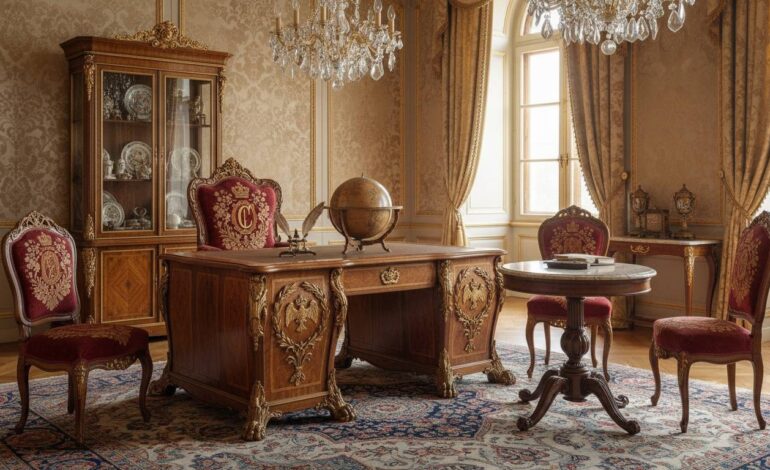
Catherine the Great furniture refers to a distinctive style of ornate, antique Russian-inspired décor that fuses 18th-century elegance with imperial opulence. It’s characterized by rich woods, elaborate gilding, classical motifs, and refined curves—perfect for adding aristocratic flair to modern spaces. Here’s a dive into why it’s still so alluring and how you can bring its timeless grandeur into your home without making it feel like a museum.
Historical Roots and Signature Design
Catherine II’s Influence
Catherine the Great (1762–1796) didn’t just rule Russia—she reshaped its cultural identity. A savvy patron of the arts, she commissioned workshops and grants that spurred a wave of decorative splendor. Furniture from that era often melded French Rococo elegance with neoclassical refinement, meeting her demand for pieces that exuded both comfort and imperial gravitas.
These creations are known for:
– Bold curves
– Gilded accents
– Motifs inspired by antiquity—think laurel wreaths, columns, and urns
– Luxurious fabrics like damask and velvet
Even imperfect replicas tap into that grand, theatrical spirit.
Common Elements You’ll Spot
Spotting authentic (or inspired) Catherine the Great furniture is easier than you might expect. Look for:
– Massive proportions—chairs, chests, and tables that feel imposing
– Rich finishes—gold leaf, deep wood stains, and dramatic marquetry
– Neoclassical motifs—eagles, mythological figures, wreaths
– Upholstery in bold patterns or deep jewel tones
These traits remain consistent across originals, high-quality reproductions, and inspired modern pieces. That means it’s easier to mix and match without feeling off-balance.
Why It Still Works Today
Modern Appeal with Historical Roots
Surprisingly, this antique style resonates now more than ever. Here’s why:
1. It adds gravitas—rooms feel more grounded and luxurious.
2. It’s unexpected—a bold counterpoint to minimalist trends.
3. It bridges classical beauty with modern comfort.
Imagine sinking into a velvet-upholstered, gilded armchair next to a sleek Scandinavian sofa. That contrast is magnetic. Designers love starting with an echo of Catherine and building outward.
A Diverse Landscape of Options
You don’t need to hunt down an original 18th-century chair. Options include:
– Authentic antiques (caution: authenticity varies, provenance matters)
– High-quality reproductions (wood choice, construction, finish quality are key)
– Inspired modern designs (more affordable, easier to maintain)
What matters most is balance. A single statement piece—say, a sideboard with gold accents—can elevate everything around it without overwhelming.
Real-World Scenarios
- In a New York loft, a gilded marble-top console acts as an anchor to otherwise airy, industrial aesthetics.
- In a suburban dining room, a set of velvet-upholstered and carved wood dining chairs becomes the conversation starter.
- In a minimalist bathroom, a bold-framed mirror with neoclassical engraving introduces drama in a small dose.
These placements work because the look is surprising, rich, and yet not overbearing.
Choosing the Right Piece for Your Space
Size and Placement Matter
One of the easiest mistakes: picking a heavy, ornate piece for a cramped space. A few pointers:
– Opt for mid-size items—small cabinets, dressing mirrors, side tables.
– Use them as focal points, not fillers.
– Let other decor be more subdued so the eye rests naturally on the statement piece.
Mix, Don’t Match Too Closely
Blending styles is key to avoiding kitsch. Try:
– Pairing a gilded cabinet with simple modern art.
– Placing a carved armchair next to Georgian-inspired seating.
– Using contemporary lighting to frame a classic chest of drawers.
Color and Finish Coordination
Catherine-style pieces often come in repetitive palettes—gold, mahogany, marble. To keep rooms layered:
– Introduce a few unexpected hues—maybe soft greens, cobalt, or mustard.
– Use natural textures like linen or wool to soften the shine.
– Add tilting marble, subtle graining, or matte finishes for depth.
Caring for Antique or Inspired Pieces
Preservation Without Stifling the Vibe
Authentic antiques need care. Here’s a no-nonsense guide:
– Dust regularly with a soft cloth. Avoid chemical cleaners.
– Keep away from direct sunlight—it fades upholstery and finishes.
– Use gentle, appropriate polishes; oil only when needed.
For modern reproductions, follow the maker’s instructions—many tolerate a bit more cleaning, but still avoid harsh abrasives.
Restoration with Respect
If you’ve inherited a piece in need of TLC:
– Prioritize structural repairs over cosmetic ones.
– Match finishes sensitively—don’t overdo the gold leaf.
– Let the piece show its life; these little flaws are part of the charm.
Blending Antique Grandeur with Modern Lifestyle
Living Room Ideas
A central console table with gilded legs and marble top brings elegance instantly. To avoid stiff formality:
– Pair it with soft rugs, maybe a chunky knit throw.
– Let greenery frame it—vases of ferns add freshness.
– Frame modern black-and-white photos nearby for visual contrast.
Bedroom Elegance
A carved wood bed with subtle gilding becomes romantic without feeling theatrically imperial. Consider:
– White or muted sheets to balance the heaviness.
– Bronze or pewter lighting for a touch of masculine grit.
– A faux-fur throw or velvet pillow for cozy texture.
Dining Drama
Ornate chairs around a contemporary table? Yes. Or:
– A sideboard in neoclassical style anchors.
– Crisp linens, neutral walls, and sleek overhead lighting keep focus.
– A bold, abstract centerpiece—simple vases or fruits—modernizes instantly.
Value, Authenticity, and Investment
What Makes a Piece Valuable
Authentic pieces from the Catherine era can fetch high prices. Consider:
– Maker’s marks and documentation
– Provenance—royal court provenance fetches even more
– Condition—restoration should respect original materials
However, taste-driven value matters too. Even reproductions, if done right, can elevate a home and hold sentimental worth.
Affordability Hacks
- Hunt estate sales or auctions—they often have hidden gems at fair prices.
- Check bespoke artisans who blend neoclassical motifs into contemporary work.
- Mix in small bits—mirrors, frames, candlesticks—if full furniture feels heavy in budget or space.
Expert Insight
“Catherine-style furniture isn’t about gilded excess—it’s about breathing life into a room with historical depth and dramatic contrast.”
— Interior historian and curator of European decorative arts
That speaks to something larger: this style works when it’s smart, subtle, and thoughtfully integrated.
Making It Work for You
Start with One Piece
One sideboard, a mirror, or a loveseat can shift the room’s vibe. Build around that.
Adjust Tone with Accessories
- Modern art eases regal pieces into today.
- Textured rugs, simple curtains, and fresh colors keep things grounded.
Trust Your Eye
If something feels too heavy, step back. If the pop of romance feels perfect, lean in. Interiors are personal stories first, style second.
Common Pitfalls to Avoid
Overwhelm
Filling a small room exclusively with ornate pieces turns charm into chaos. Let breathing space and simplicity balance things out.
Misguided Restoration
Heavy restorations remove patina and soul. Preserve scuffs—they’re stories, not flaws.
Inflexible Pairing
Overly matched silhouettes look staged. Contrast is your friend—juxtapose curves with straighter lines.
Conclusion
Catherine the Great furniture offers a lush slice of history—grandeur, drama, and a whisper of imperial Russia. When used thoughtfully—one focal piece blended with modern simplicity—it brings warmth, weight, and wonder without overdoing it. Keep scale in mind, protect and respect the pieces, and always balance richness with restraint.
FAQs
What defines Catherine the Great furniture?
These pieces typically feature heavy carving, gilding, and neoclassical motifs inspired by 18th-century Russian imperial tastes. You’ll often see laurel wreaths, urns, rich woods, and luxe upholstery.
Can I mix Catherine-style pieces with modern decor?
Absolutely—blending one ornate item with simpler, contemporary surroundings creates a compelling contrast. Think a gilded mirror above a minimalist console or a carved chair next to streamlined seating.
How do I care for authentic antiques properly?
Dust gently, avoid sunlight, and use mild cleaning products. Focus on preserving the piece’s character—repair for structure, but keep surface wear that tells its story.
Is reproduction furniture a good investment?
Yes, if it’s well-made. Good reproductions in quality woods and with attention to detail add visual weight and timeless style without the price tag—and still feel curated.
Can small spaces handle this style?
They can—if you choose one statement item and keep everything else understated. A mirror or small chest can deliver drama without overcrowding.
What if I’m unsure about authenticity?
Ask for provenance details when buying. Makers’ marks, documentation, and known histories can help assess value and legitimacy.