Best Wood for Cutting Board: Top Choices for Durability and Safety

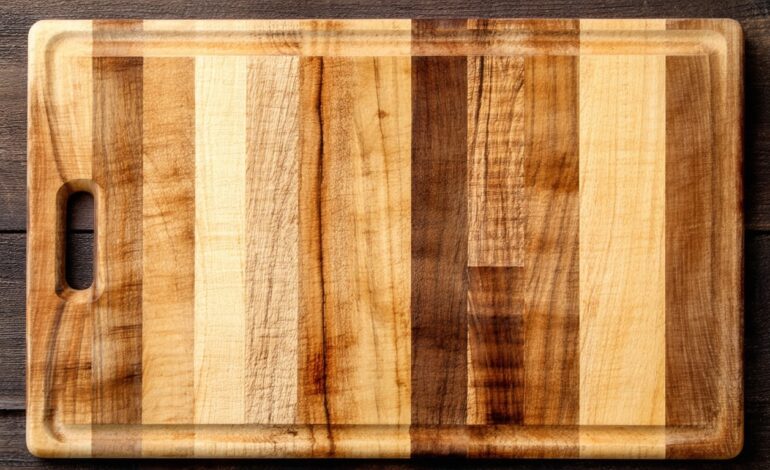
Every kitchen, whether homey or professional, relies on a dependable cutting board. Choosing the best wood for a cutting board is not just a matter of aesthetics—it plays a crucial role in safety, longevity, and the overall culinary experience. Factors like density, grain structure, toxicity, and maintenance needs all impact a board’s performance and durability. As consumer demand for both style and sustainability grows, understanding which woods make the best cutting boards has become more important than ever for home cooks and chefs alike.
What Makes a Good Cutting Board Wood?
When it comes to selecting the ideal wood for a cutting board, three key criteria rise above the rest: hardness, porosity, and toxicity. Boards need to be hard enough to resist deep knife marks but not so hard that they dull knives. A fine, closed grain prevents bacteria from penetrating deep into the board, while food-safe, non-toxic characteristics are essential for contact with food.
Hardness and Durability
Hardness is often measured using the Janka hardness test, gauging a wood’s resistance to denting and wear. The range for cutting board suitability generally falls between 900 to 1,500 lbf. Woods that are too soft, like pine, scratch easily and harbor bacteria; those that are too hard, such as bamboo or maple’s hardest variations, can prematurely dull knives.
Grain Structure and Porosity
Closed-grain hardwoods, like maple and walnut, block moisture and microscopic food particles from seeping into the board. This reduces the risk of warping while improving food safety. Open-grained woods, such as oak, are generally avoided because their pores can trap bacteria, staining and odors.
Safety and Toxicity
Some beautiful wood species, like teak or some exotic imports, can contain natural oils or compounds that are mildly toxic or irritant. Always look for food-safe species approved or commonly used in culinary settings.
“The right cutting board wood strikes a balance between being gentle on knives and resistant to bacteria—maple and walnut consistently outperform in both areas,” says Marsha Collins, food safety consultant and former culinary professor.
Top Choices: Best Woods for Cutting Boards
Not all hardwoods are created equal. While trends may shift and innovations appear, a handful of time-tested woods have maintained their popularity due to their optimal balance of durability, safety, and beauty.
Maple: The Classic Gold Standard
Hard maple, or sugar maple (Acer saccharum), remains the industry benchmark. Its closed grain, moderate hardness (around 1,450 lbf Janka rating), and resistance to stains make it a workhorse in both home and commercial kitchens.
- Pros: Non-toxic, easily sanitized, accessible, and affordable.
- Cons: Can show knife marks over time if not properly maintained.
Many commercial kitchens—and even major restaurant supply chains—choose maple for task boards and butcher blocks alike.
Walnut: The Premium Choice
Walnut offers a deep, rich color and a hardness rating slightly below maple, making it a touch gentler on knife edges (about 1,010 lbf Janka). Its smooth, closed grain resists moisture and warping, while its natural luster appeals to those seeking luxury finishes.
- Pros: Beautiful aesthetics, tight grain, less likely to dull knives.
- Cons: Costlier than maple, sometimes requires more frequent oiling due to its open-bordering grain.
Cherry: Balance of Beauty and Performance
Cherry is celebrated for its warm hues and moderate hardness (995 lbf Janka). It can endure years of daily slicing—if oiled and maintained—without splitting or staining. Its fine, uniform texture gives it a soft touch and stylish appearance.
- Pros: Attractive aging (patinas beautifully), resilient, food-safe.
- Cons: Slightly less dense than maple, may dent under heavy use.
Beech: The European Staple
Beech has been a go-to material for European cutting boards for generations. With a closed grain similar to maple but a slightly softer texture (about 1,300 lbf Janka), it’s an affordable yet durable choice.
- Pros: Inexpensive, tight grain, commonly available.
- Cons: Can be prone to absorbing moisture if not regularly treated.
Teak: The Exotic Contender
Teak is naturally water-resistant and holds up well to knife wear—qualities prized in tropical climates. However, its high silica content (from its native environment) can wear knives faster than northern hardwoods. Well-made teak boards are often sold as “low silica,” mitigating this concern.
- Pros: Excellent moisture resistance, long lifespan.
- Cons: Expensive, potential for knife dulling, some allergenic compounds.
Woods to Avoid for Cutting Boards
Not all beautiful woods are suitable for food prep. Certain species, while attractive, fall short in safety or durability:
- Open-Grained Hardwoods: Oak, ash, chestnut, and similar woods can collect bacteria in their pores.
- Softwoods: Pine, fir, and cedar are too soft and more likely to split, dent, or absorb odors.
- Exotic Woods: Some, like purpleheart or padauk, may release compounds that cause allergic reactions or staining.
End Grain vs. Edge Grain: Does Construction Matter?
The construction or “cut” of the wood impacts both function and longevity. End grain boards (where the wood is cut so the grain runs vertically) are gentler on knives and self-healing, though often heavier and more expensive. Edge grain boards (grain runs horizontally) are lighter, more budget-friendly, and still durable, though they may show knife marks sooner.
Professional chefs often favor end grain maple or walnut boards for heavy-duty tasks, while home cooks may prefer edge grain for versatility and price.
Care and Maintenance: Prolonging Board Life
Regardless of wood choice, regular care is essential. Boards should be hand-washed, never soaked, and routinely treated with food-grade mineral oil or board cream. This prevents drying, cracking, and warping—common failure points even for the best woods.
In practice, well-maintained hard maple or walnut boards can last for many years in busy kitchens, outliving their plastic or bamboo counterparts both in safety and in style.
Conclusion: Selecting the Ideal Cutting Board Wood
The best wood for a cutting board blends food safety, durability, and maintenance ease. Hard maple stands as the time-honored favorite, while walnut and cherry offer premium alternatives for both beauty and function. Prioritize closed-grain hardwoods over open-grained or soft options, and invest in end grain construction for maximum board—and knife—longevity. With the right wood, a cutting board becomes a cherished kitchen tool, lasting generations with proper care.
FAQs
What is the safest wood for a cutting board?
Hard maple is widely recognized as the safest due to its closed grain, non-toxic properties, and superior resistance to knife scarring and bacteria.
Are bamboo cutting boards better than wood?
Bamboo is technically a grass, not a wood. While it’s eco-friendly and hard, it tends to be harsher on knife edges and can split more easily than top hardwoods like maple or walnut.
How do I maintain a wooden cutting board?
Wash the board by hand with mild soap, dry thoroughly, and regularly apply food-grade mineral oil or board wax to prevent it from drying or cracking.
What woods should never be used for cutting boards?
Avoid softwoods like pine or cedar, and open-grained hardwoods like oak or ash, as they can harbor bacteria and suffer damage quickly.
Can you use reclaimed wood for cutting boards?
Using reclaimed wood is risky unless the wood’s origin is known and free from chemicals, toxins, or previous contamination. It’s best to select food-safe new hardwood.
How often should a wooden cutting board be oiled?
Oil your board at least once a month, or whenever it appears dry. Frequent use and washing may require more frequent oiling to keep the wood in optimal condition.