Best Wireless Gaming Headsets with Mic – Top-Rated Picks

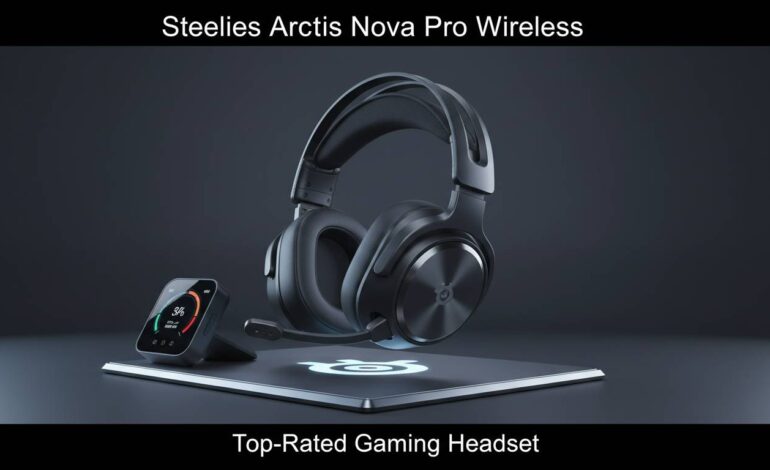
A good wireless gaming headset with a decent mic makes multiplayer games way less frustrating. After testing dozens of models at every price point, here’s what actually holds up.
Whether you’re calling out strats in competitive games, streaming to an audience, or just want good audio without cables snagging on your chair, the right headset matters. Audio delay, mic clarity, comfort for long sessions, and battery life all factor in—here’s what you need to know.
This guide covers premium flagships down to budget options that still perform well. Let’s get into it.
How We Test Gaming Headsets
Testing wireless gaming headsets means evaluating several things that actually matter for gaming.
Audio Quality: I test each headset across different game types—FPS, open-world games, racing, multiplayer. Soundstage width, bass punch, and whether footsteps come through clearly all get rated. Competitive gamers need to hear subtle audio cues; that’s a big deal.
Microphone Testing: The mic gets tested for voice clarity during extended chat. I check noise cancellation against keyboard typing, fan noise, and household background noise. Voice quality matters both for the headset wearer and everyone else in the chat.
Latency: I measure wireless latency with equipment, but I also just play games and compare wireless against wired connections subjectively. In fast-paced games, lag feels obvious even if the numbers look fine.
Comfort and Build Quality: Each headset gets worn for multi-hour sessions to see how it holds up. Clamp force, weight distribution, ear cup size, and breathability all factor in.
Battery Life: I test advertised battery claims with RGB on (if applicable), moderate volume, and typical wireless usage—not lab-perfect conditions.
Best Overall: Premium Performance Without Compromise
Top-tier wireless gaming headsets nail performance across the board, but they cost accordingly. These flagships justify their prices with better audio engineering, comfortable designs for long sessions, and mics that rival dedicated broadcast gear.
Audio Performance: Premium headsets usually have 50mm drivers tuned for gaming. Sound profiles balance clarity—you hear subtle details while explosions still hit hard. Several flagship models now support spatial audio formats that create genuine 3D soundstages, which actually helps in supported games.
Microphone Quality: The best wireless gaming mics use cardioid pickup patterns that focus on your voice while cutting background noise. Some models include detachable boom mics you can position precisely. Voice quality ranges from natural to slightly processed, depending on the headset’s built-in processing.
Connectivity Options: Premium wireless headsets offer multiple connection methods. Dedicated 2.4GHz wireless adapters give the lowest latency for PC and PlayStation. Bluetooth works with mobile devices and Switch. Some include aux cables for optional wired use.
Battery Life: Expect 20-30 hours of continuous use from premium headsets, with some exceeding 30 hours when RGB is off. Quick charging gives several hours from short sessions.
The premium category delivers the full package—great audio, comfortable builds, reliable wireless, and clear mics. If budget allows, these provide the best overall experience.
Best Value: Quality Performance at Accessible Prices
The mid-range category gives you about 80% of the premium experience at roughly half the price. These make smart tradeoffs—maybe slightly less sophisticated audio processing or basic mic systems—while nailing what matters most for gaming.
What You’re Giving Up: Most budget wireless headsets use smaller drivers (40mm instead of 50mm), which narrows the soundstage a bit. Mic quality is fine for party chat but not great for streaming. Build quality uses more plastic and less premium materials.
What You Still Get: Reliable wireless with acceptable latency, comfortable enough for several-hour sessions, and audio quality that beats basic gaming earbuds. Many mid-range options still include programmable buttons, EQ presets, and companion software.
Value Champions: Several manufacturers have released standout models in this range that compete with much pricier options. Prioritize low-latency wireless and clear mic reproduction over flashy features or premium materials.
For gamers who want quality audio and reliable wireless without spending big, this category hits the sweet spot. You don’t need flagship money to go wireless.
Best for Competitive Gaming: Low Latency Priority
Competitive gaming puts unique demands on audio gear. Every millisecond of latency might affect reaction time, and mic clarity directly impacts team communication. Headsets designed for competitive play address these priorities specifically.
Latency as Priority: The fastest wireless headsets use proprietary 2.4GHz wireless protocols achieving 2-3ms latency—basically indistinguishable from wired. This performance needs dedicated wireless adapters rather than standard Bluetooth, so these headsets include USB dongles optimized for gaming.
Sound Signature for Competition: Competitive-focused headsets often boost treble clarity so high-frequency sounds like footsteps and reloads stand out. Bass rolls off slightly to prevent muddiness during intense audio. The goal is revealing subtle cues that give competitive players an information edge.
Microphone Emphasis: Communication clarity matters most in team-based competitive games. These headsets have mics with excellent noise rejection, so teammates hear your callouts clearly even in noisy rooms. Some include sidetone so you hear your own voice and don’t shout.
Lightweight Designs: Competitive sessions often stretch for hours, sometimes into tournament length. Many competitive-focused headsets stay lightweight—sometimes under 300g—to reduce fatigue during long play.
If you take ranking seriously in competitive games, investing in a low-latency competitive headset provides real benefits. Casual gamers might not notice the difference, but serious players will feel the edge.
Best for Streaming: Content Creator Features
Streaming adds requirements beyond typical gaming—your audience needs clear audio, and your setup should look professional on camera. Several headsets address these creator needs specifically.
Microphone Quality for Broadcasting: Streaming-focused headsets often have upgraded mics compared to standard gaming models. Some include detachable boom mics that sit closer to your mouth for better clarity. Voice processing like noise gates and compression help maintain consistent audio levels.
Monitoring Capabilities: Many streaming headsets include headphone amps that drive higher-impedance studio headphones, letting you use professional audio gear. Some provide zero-latency monitoring so you hear your own voice and game audio without delay.
Aesthetic Considerations: Streaming setups are visual environments. Headsets in this category often have clean, professional designs that look good on camera. Removable cables and modular components help with cable management.
Multi-Device Connectivity: Streamers typically use multiple devices—consoles, PC, capture equipment, mobile for chat monitoring. Streaming-focused headsets often include versatile connectivity options that make switching between devices easy.
If you’re building a streaming career or even streaming occasionally, these specialized features improve production quality noticeably. The investment makes sense if audience experience matters to you.
Best Battery Life: Extended Play Without Interruptions
Some gamers play for hours—marathon sessions that would drain lesser headsets by halftime. Long battery life becomes essential when you’re deep in an RPG, grinding competitive ranks, or just don’t want to pause for charging.
Battery Champions: Some wireless gaming headsets now exceed 40 hours of continuous use, with the longest-lasting models pushing toward 60 hours when RGB lighting is off. Real-world usage typically lands in the 30-50 hour range depending on volume and wireless conditions.
Charging Convenience: Fast charging has become common, with many headsets supporting USB-C Power Delivery. You might get 3-5 hours of play from 10-15 minutes of charging. Some models support charging while playing, though this usually needs the included USB cable.
Battery Preservation Tips: Lithium batteries degrade over time, but you can extend headset battery lifespan by avoiding complete discharges, storing at around 50% charge when not using for extended periods, and keeping the headset at moderate temperatures during charging.
Swappable Batteries: A few gaming headsets feature swappable battery modules, essentially eliminating downtime when battery life eventually degrades. This feature remains relatively rare but provides exceptional long-term value.
For gamers who play long sessions or hate frequent charging, battery life should be a primary consideration. The freedom of wireless gaming diminishes quickly when you’re constantly watching battery percentage.
Platform Considerations: Console vs. PC vs. Mobile
Gaming headset compatibility varies significantly across platforms, and some headsets work better with certain systems than others. Understanding these differences helps you choose the right headset for your setup.
PC Gaming: PC offers the most flexibility—nearly all wireless gaming headsets work with PC via USB dongle or Bluetooth. PC gamers get access to full feature sets including companion software, customizable EQ settings, and sometimes RGB control. If you’re primarily a PC gamer, any quality wireless gaming headset will work.
PlayStation: Sony’s consoles support many wireless headsets via USB dongles, though some features may be platform-specific. The PlayStation ecosystem has become more open to third-party headsets, but some proprietary features remain exclusive to Sony’s own peripherals. Check compatibility before buying if PlayStation is your main platform.
Xbox: Microsoft has historically been restrictive about wireless audio, though things have improved. Xbox Series X|S supports some wireless headsets through the controller’s 3.5mm jack (wired) or via USB with compatible models. Some manufacturers produce Xbox-optimized versions with dedicated wireless support.
Nintendo Switch: The Switch supports Bluetooth audio, though this means higher latency than dedicated wireless solutions. Some gaming headsets include Switch-specific wireless adapters that provide lower latency. For portable gaming, the Switch’s limitations affect which headsets work optimally.
Mobile Gaming: Bluetooth connectivity makes most wireless gaming headsets compatible with mobile devices, though you lose low-latency wireless features. Some headsets include mobile-specific optimizations or companion apps.
Consider your primary platform when selecting a headset, but also think about multi-platform usage if you game across several systems.
Wireless vs. Wired: Making the Right Choice
The wireless vs. wired debate continues in gaming audio, and both options have legitimate use cases. Understanding the tradeoffs helps you choose what’s right for your situation.
Wireless Advantages: Freedom of movement matters—you can grab a drink, adjust your setup, or take a quick break without untangling cables. Wireless setups look cleaner without cable management concerns. Many gamers simply prefer not being physically tethered.
Wireless Disadvantages: Battery life creates ongoing considerations—you must charge wireless headsets periodically. Latency, while greatly improved, still exists (though typically imperceptible for most gamers). Wireless interference can occasionally cause dropouts in crowded RF environments. Some audiophiles argue wired connections deliver inherently superior sound.
When Wired Makes Sense: Competitive esports players often prefer wired connections for guaranteed zero latency. Fixed setups where you never move from your chair make cables a non-issue. Budget-conscious buyers can get excellent wired audio for less money. Some professionals argue wired connections provide more consistent audio quality.
The Modern Reality: Modern wireless gaming headsets have largely closed the gap with wired options. Latency has become negligible for all but the most demanding competitive scenarios. Audio quality differences have narrowed considerably. For most gamers, wireless convenience outweighs marginal wired advantages.
I recommend most buyers start with wireless—you can always add a wired headset later if specific needs emerge. The freedom to play without cables typically outweighs theoretical performance differences.
What to Look For: Key Features Explained
Understanding which features matter most helps you evaluate headsets objectively rather than getting caught up in marketing specs.
Driver Size: Larger drivers (50mm vs. 40mm) generally produce wider soundstages and more impactful bass. However, driver quality matters more than size—a well-designed 40mm driver can outperform a poorly designed 50mm driver.
Frequency Response: Gaming headsets typically range from 20Hz-20kHz, covering human hearing. Some extend slightly beyond for marketing claims, though audible benefits are minimal. Look for balanced response rather than extended extremes.
Impedance: Higher impedance headphones require more power to achieve volume but can potentially offer better sound quality with appropriate amplification. Most gaming headsets are designed for direct connection and feature low impedance.
Microphone Pattern: Cardioid microphones pick up sound primarily from in front, rejecting background noise. This pattern works well for gaming where you want your voice captured while ignoring keyboard and ambient noise.
Wireless Protocol: 2.4GHz wireless provides lower latency than Bluetooth but requires a dedicated USB dongle. Bluetooth offers broader compatibility but introduces higher latency—fine for music and casual gaming but potentially problematic for competitive play.
Companion Software: Manufacturer apps provide customization options for sound profiles, microphone settings, and sometimes RGB lighting. Consider whether software quality matters to you—some apps are excellent while others are frustrating.
Warranty and Support: Gaming headsets endure heavy use. Look for manufacturers with solid warranty coverage and reputations for customer support should problems arise.
Conclusion
Finding the best wireless gaming headset with a quality microphone ultimately depends on your specific needs, budget, and usage patterns. Premium headsets deliver the best overall experience with exceptional audio, comfortable designs, and clear microphones—but you’ll pay accordingly. Mid-range options provide excellent value by delivering most flagship features at accessible prices. Competitive gamers benefit most from low-latency focused models, while content creators should prioritize streaming-specific features.
Consider your primary platform, typical session length, and whether microphone quality matters for streaming or competitive communication. The right headset for you balances these factors within your budget.
The wireless gaming headset market has matured—you really can’t go wrong with any quality option from a reputable manufacturer. Focus on finding the features that match your priorities, and you’ll enjoy years of cable-free gaming audio.
FAQs
What is the best wireless gaming headset for the money?
The best value typically comes from mid-range headsets priced between $100-150. These models offer quality audio, reliable wireless performance, and adequate microphones without flagship prices. Look for established brands with solid warranty coverage and functional companion software.
Are wireless gaming headphones good for competitive gaming?
Yes, modern wireless gaming headsets perform excellently for competitive gaming. Dedicated 2.4GHz wireless provides latency low enough that virtually no players can perceive the difference from wired connections. The best competitive-focused headsets prioritize low latency and clear communication features.
Do wireless gaming headsets have audio lag?
All wireless connections introduce some latency, but modern gaming headsets achieve latency so low (2-3 milliseconds with 2.4GHz wireless) that humans cannot perceive it during normal gameplay. Bluetooth connections introduce higher latency (30-50ms), which may be noticeable in fast-paced competitive games but fine for casual play.
What should I look for in a gaming headset?
Prioritize low-latency wireless connectivity, comfortable design for extended wear, clear microphone quality for communication, and audio quality that suits your preferred game genres. Battery life matters if you play long sessions. Consider platform compatibility with your gaming systems.
How long do wireless gaming headsets last?
Quality wireless gaming headsets typically last 3-5 years with proper care. Battery degradation eventually reduces playtime, typically becoming noticeable after 2-3 years of regular use. Some models feature swappable batteries for extended lifespan.
Can I use wireless gaming headsets with multiple devices?
Many wireless gaming headsets support multiple connection methods—2.4GHz dongle for PC/console plus Bluetooth for mobile. Some include multi-device pairing, allowing quick switching between sources. Check specific headset features for multi-device capability if this matters for your setup.