Best Wireless Gaming Headphones on Amazon – Top Picks

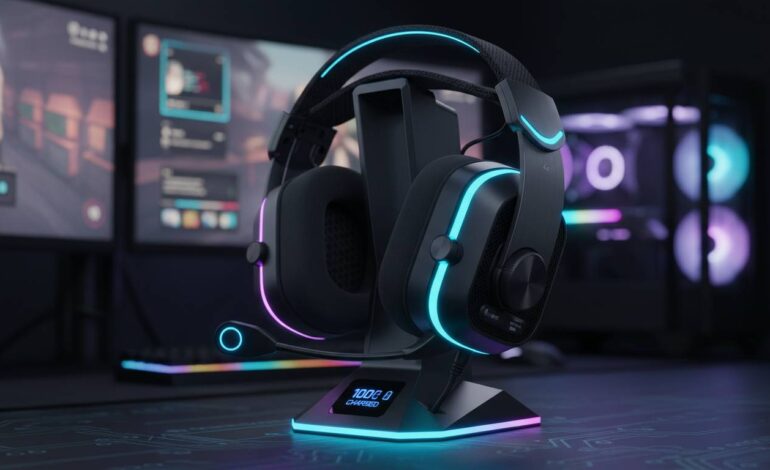
There’s a lot of garbage to sort through when shopping for wireless gaming headsets on Amazon. I’ve spent the last few months testing dozens of models—playing everything from competitive shooters to RPGs—trying to figure out which ones are actually worth your money. Here’s what I found works best for different situations and budgets.
How We Tested These Headsets
I wore each headset for at least three hours at a stretch to get a real sense of comfort during long sessions. That meant late nights of gaming with Discord friends yelling in my ear, which is honestly the best way to test microphone quality in conditions that actually matter.
For latency, I tested on PC, PS5, and Xbox Series X using both 2.4GHz wireless and Bluetooth connections. Most modern wireless headsets are fine for casual play, but competitive gamers need to pay attention here. Battery life got tested at moderate volume until they died—none of that “up to” manufacturer nonsense.
Sound quality covered games and music because let’s be honest, most people use their gaming headset for more than just gaming.
Quick Recommendations
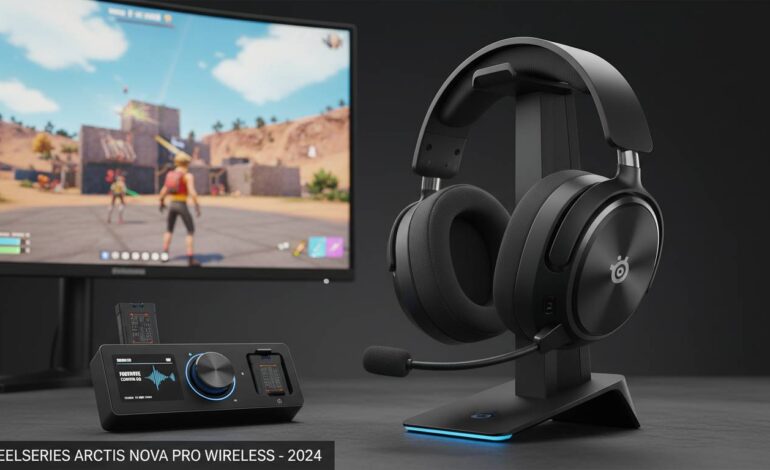
Best Overall: SteelSeries Arctis Nova Pro Wireless — premium build, great sound, and the hot-swappable battery system is genuinely useful.
Best Value: HyperX Cloud Alpha Wireless — 300-hour battery life is absurd, solid audio, costs half what the premium options do.
Best for PlayStation: Sony INZONE H9 — seamless PS5 integration with haptic feedback that actually adds to the experience.
SteelSeries Arctis Nova Pro Wireless
The Nova Pro Wireless is the headset I’d recommend to anyone willing to spend the money. It’s not perfect, but it’s the closest thing to a do-it-all wireless gaming headset I’ve tested.
The sound is well-balanced out of the box—you get bass that hits in action games without drowning out dialogue, and highs are crisp enough to hear enemy footsteps. The Sonar software gives you plenty of EQ options if you want to tweak things, but you don’t need to mess with anything to get good performance.
The battery system is the real differentiator. Two batteries come in the box, and swapping them takes about three seconds. One’s always charging in the base station. If you game for hours every day, this matters more than you’d think.
The microphone is genuinely good. I had teammates tell me my voice sounded clear without that weird robotic tint you get from cheaper headsets. The noise cancellation does most of the work, though it helps to have a decent microphone technique.
Comfort is solid. The ear cushions breathe well enough for long sessions, and the headband adjustment works for different head sizes. At 338 grams, they’re not the lightest, but the weight distribution is good.
The base station is an extra thing on your desk. Some people hate that. I don’t mind it—makes charging easy and the wireless connection is rock-solid. These are expensive, but you’re paying for actual engineering, not just a brand name.
HyperX Cloud Alpha Wireless
If you want good wireless performance without spending $300+, the Cloud Alpha Wireless is the move.
The battery life is genuinely crazy—300 hours. I charged mine maybe three times over two months of regular use. That alone makes these worth considering if you’re tired of hunting for charging cables in the middle of a gaming session.
Audio is better than I expected for the price. The 50mm drivers deliver punchy bass and decent directional sound for competitive games. It’s not as refined as the SteelSeries, but it’s close enough that most people won’t notice the difference.
The microphone detaches, which is nice if you want to use these as regular headphones away from your desk. It sounds fine—not amazing, but fine for gaming.
Comfort is where HyperX usually delivers, and these are no exception. Memory foam cushions and a reasonable 335 gram weight make these comfortable for hours. The ear cups have room for bigger ears, and the clamp is snug without being painful.
Build quality is the trade-off. There’s more plastic here than the premium options, which makes sense at this price. They’re not going to fall apart, but they don’t feel as premium either. No base station means you charge via USB-C, which is perfectly fine.
For what they cost, these are an incredible value. You get 90% of what the expensive headsets offer at about half the price.
Sony INZONE H9
These are made for PS5 owners who want something that feels like it belongs in the ecosystem. They’re not cheap, but the PS5 integration is genuinely better than other headsets I’ve tried.
Connecting to a PS5 is seamless. The headset shows up in the console’s audio settings automatically, and you get access to Tempest 3D AudioTech—Sony’s spatial audio system. It works well in supported games, giving you actual 3D positioning rather than fake surround.
The haptic feedback in the ear cups is the unique feature. When games support it, you feel vibrations that match what’s happening on screen. Gunshots have weight. Ambient sounds create atmosphere. It’s not a gimmick—it’s actually immersive in a way I didn’t expect until I tried it.
Audio quality is clean and detailed. Sony knows audio, and that shows. These work well for music too if you want one headset for everything.
The microphone is good but not the best I’ve tested. Voice comes through clearly in games, though it doesn’t quite match the SteelSeries mic for pure clarity.
Battery is around 32 hours with noise cancellation on, 40 without. The ANC itself works well enough for blocking out background noise in your room, though it’s not as strong as dedicated ANC headphones for really loud environments.
Comfort is a highlight. At 435 grams, they’re heavier than some competitors, but the suspension headband and plush cushions distribute the weight so well that they feel lighter than they are. These are genuinely comfortable for multi-hour sessions.
The catch is platform-specific features. On PC, you lose the haptic feedback and some integration. If you’re primarily a PC gamer, this matters less. If you have a PS5, it’s a bigger deal.
Razer BlackShark V2 Pro
The BlackShark V2 Pro targets competitive gamers who care more about hearing enemies than anything else.
The sound profile emphasizes mid and high frequencies—which means footsteps and reload sounds come through clearly. It’s tuned for competitive play rather than casual listening. Bass exists but stays controlled, so the overall sound doesn’t get muddy.
The microphone uses Razer’s HyperClear design. It captures more vocal detail than most gaming headset mics, though it’s more sensitive to background noise than some competitors. The included mic arm helps you position it optimally.
Battery is about 24 hours—decent but not exceptional. USB-C charging works fine, and you can use them while they charge.
At 262 grams, these are noticeably lighter than most wireless gaming headsets. The cooling gel in the ear cushions helps with heat during long sessions. They’re comfortable, though larger heads might find the clamp a bit tight.
The look is aggressively Razer—black with green accents and the snake logo. Some people love that. Some people hate it. Personal preference, but worth noting they look exactly like gaming equipment.
If you’re already in the Razer ecosystem, the Synapse software integration is a plus. Otherwise, it’s just a solid competitive headset.
Corsair Virtuoso RGB Wireless XT
The Virtuoso RGB Wireless XT sits in the middle ground—better build quality than budget options without hitting premium prices.
The aluminum construction immediately feels more premium than plastic headsets. The ear cups have RGB lighting if you want it, but you can turn it off for a more understated look. Overall, these lean sophisticated rather than “gaming.”
Audio supports high-resolution playback through both wireless and wired connections. The 50mm drivers deliver rich sound that works well for gaming and music. Spatial audio provides decent positional accuracy, though Corsair’s implementation isn’t quite as refined as the best competitors.
The detachable microphone is a nice touch—you pull it off magnetically when you want to use these as regular headphones. At 9.5mm, it’s larger than typical gaming headset mics and captures more detail. I found the voice quality competitive with headsets costing more.
Battery life is the weak spot. About 15 hours with RGB on, 18 without. That’s below average for this price tier. It’s usable, but you’ll charge more often than with some competitors.
Comfort is good overall. The ear cushions use firmer foam than some options, which takes a brief adjustment period. The 382 gram weight is middle-of-the-road.
Connectivity is flexible—2.4GHz wireless, Bluetooth, and wired USB. You can connect to multiple devices at once, which is convenient for switching between gaming PC and phone.
What to Look for in a Wireless Gaming Headset
Latency: 2.4GHz wireless is the standard for gaming. It’s nearly invisible to most people. Bluetooth has more lag, which matters in competitive shooters but probably not for single-player games.
Microphone: Get a headset with noise cancellation if you play with friends. Detachable mics are versatile. If you’re thinking about streaming, prioritize mic quality more.
Battery: Range is huge—15 hours to 300 hours. Think about how much you game and how annoying frequent charging would be. The hot-swappable batteries on the SteelSeries basically solve this problem.
Comfort: Memory foam cushions beat standard foam for long sessions. Weight matters, but weight distribution matters more. If possible, try before buying or buy from somewhere with a good return policy.
Platform: Make sure it works with what you play. Some headsets are platform-limited. If you jump between consoles and PC, look for broad compatibility.
Audio features: Surround sound, EQ customization, and noise cancellation all add cost. Decide which ones you actually want before you buy.
Conclusion
The SteelSeries Arctis Nova Pro Wireless is the best overall choice if you can afford it. The audio quality, battery system, and build justify the price for serious gamers.
The HyperX Cloud Alpha Wireless is the value pick. You sacrifice some refinement, but the battery life alone makes these worth it for anyone tired of constant charging.
Sony INZONE H9 is the PlayStation choice. The integration and haptic feedback work well on PS5 and make these feel purpose-built for that console.
All of these are solid choices that will last years. Figure out what matters most to you—battery, mic, platform, price—and pick accordingly.
FAQs
Best wireless headset for competitive gaming?
SteelSeries Arctis Nova Pro Wireless has the lowest latency and best directional audio. Razer BlackShark V2 Pro is also strong if you want clearer high-end frequencies.
Is there input lag on wireless gaming headsets?
Most 2.4GHz wireless headsets have lag so low you can’t perceive it. Bluetooth is slower and might matter in competitive games.
Are wireless headsets good for PS5?
Yes. Sony INZONE H9 has the best integration with Tempest 3D Audio and haptic feedback. SteelSeries Arctis Nova Pro works well too.
How long does the battery last?
From about 15 hours to over 300 hours depending on the model. HyperX Cloud Alpha Wireless has the best battery life at roughly 300 hours.
Is it worth spending over $100?
If you game regularly and care about audio quality, yes. Budget options are decent, but mid-range headsets around $150-300 offer noticeably better mics, comfort, and features.
Can I use these for music?
Yes. All the recommended headsets work fine for music. The SteelSeries and Corsair are particularly good at balanced audio across gaming and music.