Best Time to Post on Instagram 2025: Boost Your Engagement

Let’s be honest: you’ve probably searched for “best time to post on Instagram” before, found some generic article, tried following those times exactly, and saw… nothing change. Frustrating, right?
The reality is that there’s no single answer that works for everyone. But I can give you something more useful than a blanket recommendation: the actual patterns that matter, how to find what works for your specific audience, and why most advice out there is worth taking with a grain of salt.
Understanding Instagram’s Algorithm in 2025
Instagram’s algorithm in 2025 works pretty simply: it shows content to people who are likely to engage with it early, because that engagement signals the platform that your post is worth spreading further.
What matters most:
- Timeliness: Posts that get engagement within the first hour or two get a significant boost
- Relationship strength: People who regularly interact with your account see your content more
- Engagement quality: Saves and shares matter more than likes. Comments matter more than either.
The algorithm doesn’t actually penalize you for posting at “wrong” times—but if no one sees your post when it goes live because your followers are asleep, it dies in the feed before it ever gets traction. That’s why timing matters, but it’s not magic.
Best Times to Post on Instagram: General Guidelines
Look, I’m going to give you the numbers other articles give you, but I’ll be honest about what they actually mean:
- Tuesday through Thursday: 9 AM to 1 PM local time
- Weekends: 10 AM to 2 PM local time
- Weekdays: 11 AM to 1 PM often shows the highest engagement
These windows work because they capture people on their phones during lunch breaks and mid-day scroll sessions. That’s it. It’s not complicated.
What those articles don’t tell you: these are averages across every industry and audience. If you sell B2B software, posting at noon on Tuesday probably won’t work for you. If your audience is teenagers, they’re not even awake at noon on a Tuesday. More on this below.
Early morning (before 7 AM) and late night (after 10 PM) consistently underperform across almost every demographic.
Best Times to Post by Day of Week
Here’s the honest breakdown:
Monday: Lunch breaks drive engagement. 11 AM to 1 PM works best. Evening (around 7 PM) is a secondary window as people settle in.
Tuesday and Wednesday: These are the highest-engagement days overall. Mid-morning through early afternoon (10 AM to 2 PM) captures both the coffee-scroll crowd and the lunch crowd.
Thursday: Engagement starts shifting toward weekend behavior. Afternoon posts (12 PM to 3 PM) tend to perform well as people mentally check out early.
Friday: Peak earlier in the day—10 AM to 12 PM—but competition is fierce as everyone else is trying to catch weekendearly audiences.
Saturday and Sunday: Later windows work better. 10 AM to 2 PM is solid. Sunday evening (7 PM to 9 PM) is underrated—people are in reflective mode, browsing more thoughtfully.
Best Times to Post by Industry and Niche
This is where generic advice falls apart. Here’s what actually varies by sector:
B2B and Professional Services: Your audience is working. Target 8 AM to 10 AM Tuesday through Thursday. These people are checking LinkedIn and industry content during their morning coffee, not scrolling Instagram at lunch.
B2C and Retail Brands: Lunch breaks and weekend shopping research drive your audience. 12 PM to 3 PM weekdays, 10 AM to 2 PM weekends.
Food and Beverage: Meal times are everything. Lunch content: 11 AM to 1 PM. Dinner planning: 5 PM to 7 PM.
Fitness and Wellness: Either 5 AM to 7 AM (early risers, pre-work scroll) or 7 PM to 9 PM (post-workout wind-down). These are the two mental modes your audience is in.
Entertainment and Media: Evening rules. 7 PM to 10 PM, when people want to be entertained.
How to Find Your Optimal Posting Times
Here’s what I’d actually do if I were you:
-
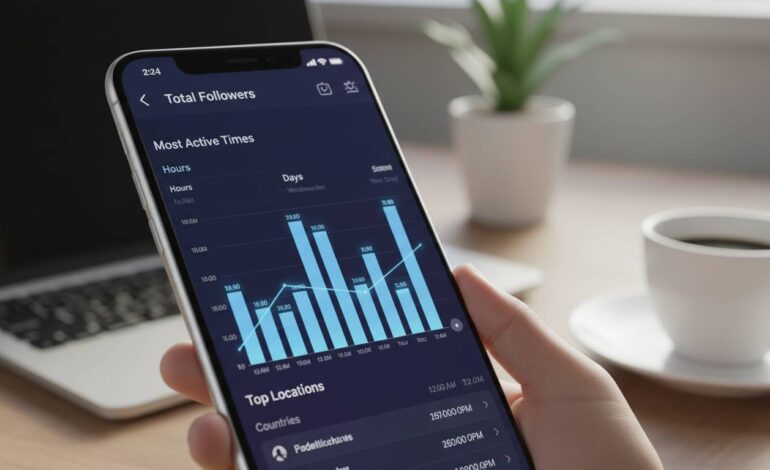
Use Instagram Insights (you need a professional account): Go to Profile > Insights > Your Audience > Followers. You’ll see hour-by-hour and day-by-day data for when your specific followers are active. This is worth more than any blog post, including this one.
-
Test systematically: Post at different times for 4-6 weeks. Track which posts get above your average engagement. Don’t guess—look at the data.
-
Use third-party tools if you want: Platforms like Later, Hootsuite, or Sprout Social offer “optimal send time” predictions based on your historical data. They’re not magic, but they speed up the learning process.
The key insight: your “best time” will likely be different from everyone else’s. Your audience might be night owls. They might be in a different time zone than you expect. Trust your data over generic advice.
Factors That Affect Optimal Posting Times
A few things that people forget to consider:
Time zones: If half your audience is in London and half is in New York, you’re probably going to need two posting windows—or accept that you’re only reaching half your audience at peak.
Age matters: Younger audiences (18-24) are most active evenings and late night. Older audiences (35+) often peak during traditional work hours.
Content type matters: Reels need more attention, so they work better when people have time to watch. Quick images work during short breaks.
Seasonal shifts: Summer, holidays, and major events all change behavior. What works in January might not work in July.
Conclusion
Here’s the uncomfortable truth: the “best time” advice in this article will probably get you 80% of the way there, but the last 20% requires you to actually look at your own data and test.
Generic advice works because it captures the average. But you’re not average. Your audience isn’t average.
Start with these patterns, but build the habit of checking your insights weekly. If something’s not working, change it. If it’s working, do more of it.
Consistency beats perfect timing anyway. A decent post at a good time, posted regularly, will outperform a perfect post at the perfect time, posted sporadically.
Frequently Asked Questions
What is the absolute best time to post on Instagram in 2025?
Tuesday through Thursday, 11 AM to 1 PM in your audience’s time zone, is the safest general answer. But “your audience’s time zone” is doing a lot of work in that sentence—figure out where your followers actually live first.
Does the best time to post change by industry?
Yes, significantly. B2B works during work hours. Retail works during shopping hours. Fitness works early morning and evening. Food works during meal times. Don’t assume what works for one industry works for yours.
How do I find my specific best time to post on Instagram?
Professional account > Insights > Your Audience > Followers. Look at the charts. Post during your highest-activity windows. Track results. Adjust. Repeat.
Does the Instagram algorithm favor certain posting times?
The algorithm favors content that gets quick engagement. If your followers are asleep when you post, they won’t engage, and your content won’t get boosted. That’s why timing indirectly matters.
Should I post the same content multiple times if it performs well?
Instagram may limit reach for duplicate content. Repurpose instead: turn a top-performing post into a Reel, or post it at a different time in a slightly different format.
How often should I post on Instagram in 2025?
Three to five times per week is a solid baseline for business accounts. Quality matters more than quantity—ten mediocre posts won’t help as much as three genuinely good ones.